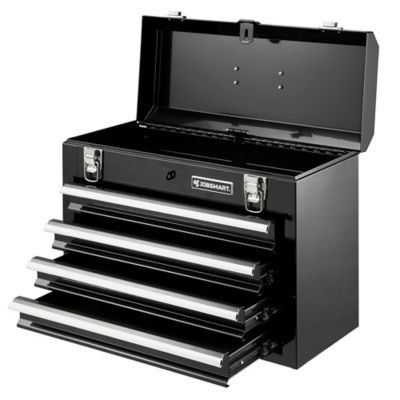
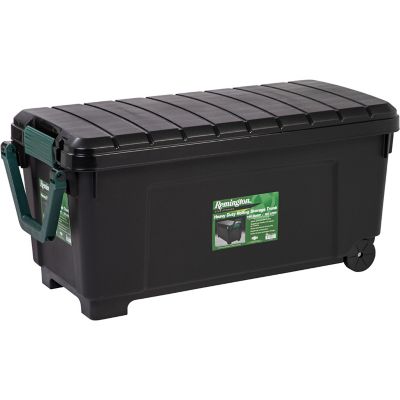
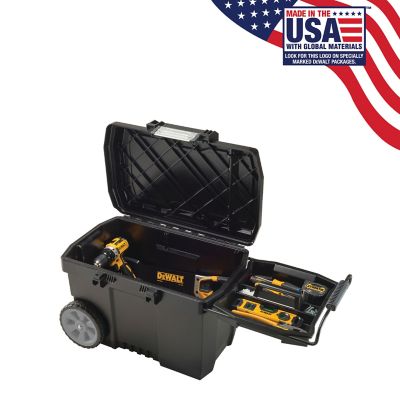
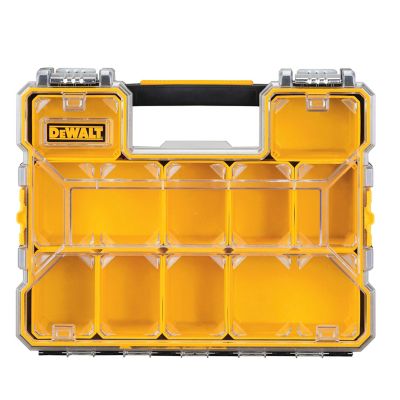
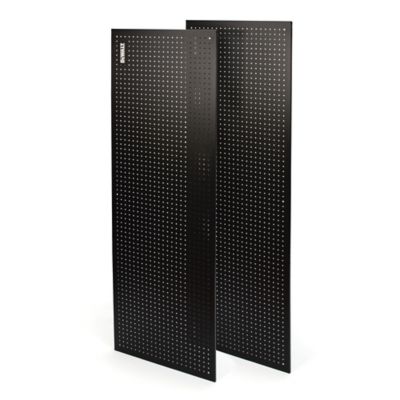
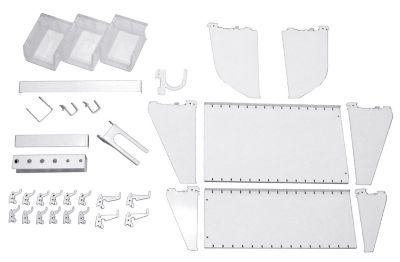
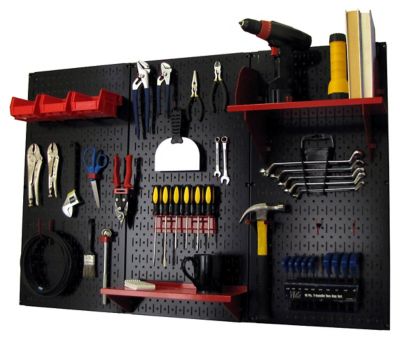
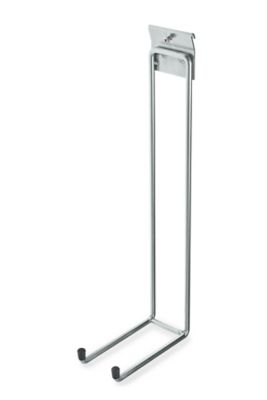
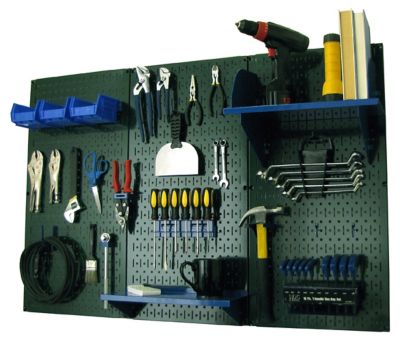
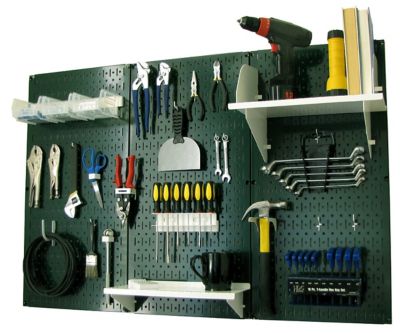
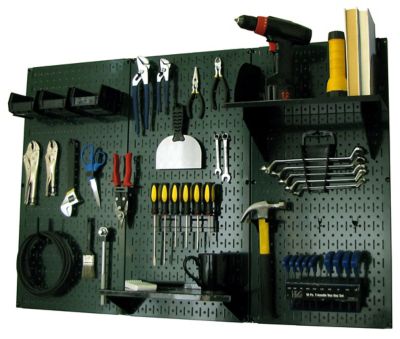
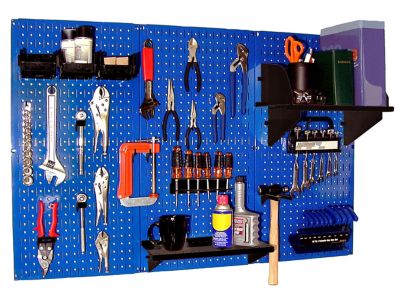
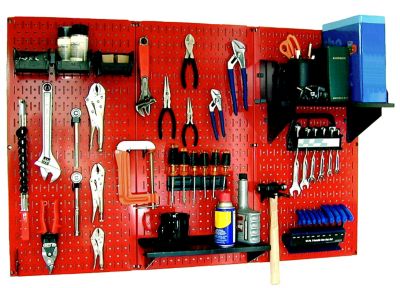
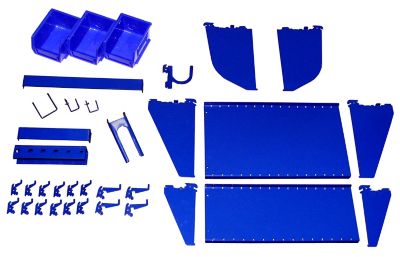
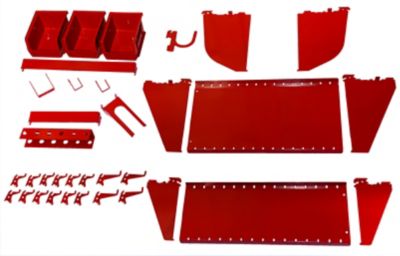
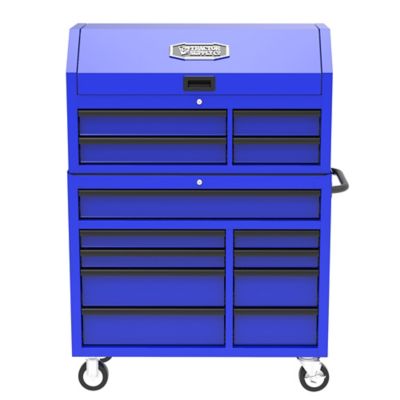
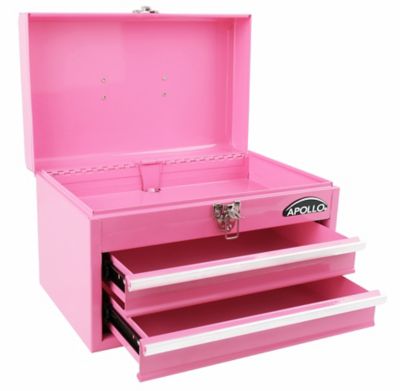
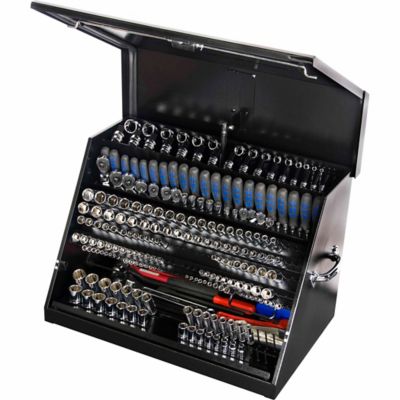
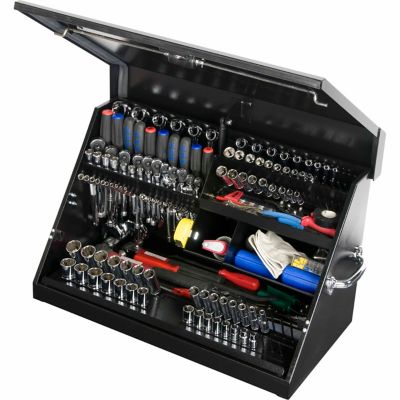
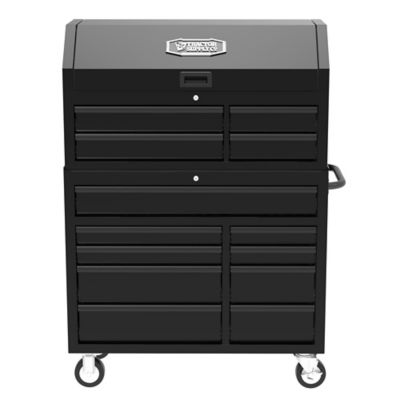
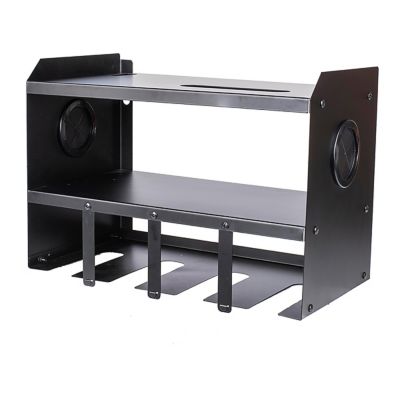
Power tool storage helps keep a work area safer, easier to move through and ready for the next job. Whether your tools live in a barn, garage, shed, shop or corner of the basement, a good storage setup gives each drill, driver, saw or grinder a clear place to go when the work is done. Wall-mounted racks keep tools up and off the bench, leaving room for measuring, cutting and assembly. Open shelves and holders also make it easier to spot the tool you need without digging through a deep drawer or crowded tote. That quick view can save plenty of time when you are heading out to mend a gate, repair a fence or finish a project before the daylight fades. Look for storage sized to fit the tools you own, including the shape of their handles, the space around their triggers and the room needed for batteries or chargers. Slots that hold tools upright can help prevent them from tipping over, while wider shelves may be a better fit for boxed accessories, sanding supplies and other shop essentials. If you have a smaller work area, take a careful look at the wall space above a bench or beside a worktable. Putting less frequently reached-for items higher and keeping everyday tools at arm’s reach can make a cramped space feel far more manageable. For smaller hand tools, bits, fasteners and measuring gear, a nearby set of
Small Tool Organizers can help keep the rest of the workspace in order without taking up much room.
When choosing power tool storage, start by counting the tools and batteries you need to keep within reach. A small setup for occasional repairs may only need a compact rack, while a busy workshop may call for several shelves, holders or a full wall arrangement. Check the listed weight limit before loading a shelf, especially if it will carry several batteries, chargers and heavier corded tools. The wall and mounting hardware matter just as much as the organizer itself. For a loaded rack, fastening into wall studs is generally the safest approach; in a standard framed wall, studs are often spaced about 16 inches apart, though it is best to confirm their location before drilling. Use fasteners suited to the wall surface and follow the storage maker’s mounting directions. A rack that sits firmly against the wall should not rock, pull away or interfere with doors, cords or nearby equipment. Think about how you work, too. Open storage is convenient when you reach for the same drill or driver every day. Shelves with sides or raised edges can help keep batteries and accessories from sliding off. Enclosed storage may make sense when dust, livestock bedding or damp air is a concern, while ventilated shelves can be helpful around charging equipment. Leave enough clearance for battery packs and chargers, and avoid covering vents or crowding electrical connections. A built-in power strip can keep charging cords from wandering across the floor, but the setup should still have room for airflow and should be plugged into a suitable outlet. Keeping batteries off a hot windowsill, away from moisture and clear of sparks or open flames is a smart shop habit during every season.
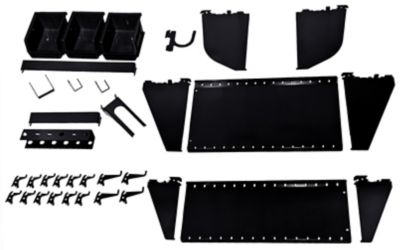
A well-planned storage wall can also make a thoughtful gift for someone who spends weekends fixing equipment, building projects or caring for a place in the country. It is a practical fit for a new homeowner setting up a garage, a parent helping a young adult organize a first workshop or a longtime craftsperson who has outgrown a crowded bench. During the cooler months, when outdoor jobs often slow down, many folks turn their attention to cleaning the shop, sorting supplies and getting tools ready for the next stretch of work. That is a good time to group tools by task, place the most frequently reached-for pieces at eye level and set aside items that need maintenance. Wipe away dust and saw shavings before putting tools back, inspect cords for damage and keep batteries in that spot for charging can cut down on tangled cords and last-minute searching. A French cleat wall system can make it easier to shift holders as your collection changes, while a fixed rack may suit a straightforward setup that will stay in one place. In either case, measure the available wall, account for door swings and workbench clearance, and leave room for tools you may add later. The best arrangement is one that matches your routine: open, easy to reach and sturdy enough for the load it is meant to carry. With tools stored off the floor and charging gear kept in one organized area, a shop can feel calmer at the start of a job and easier to straighten up when the last board is cut or the final repair is finished.