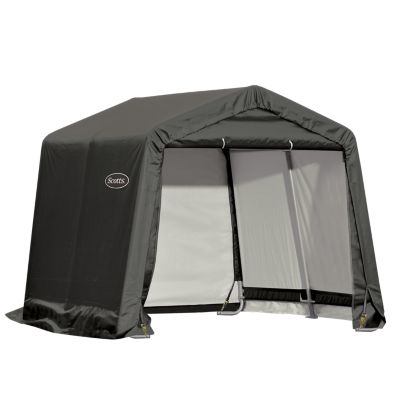
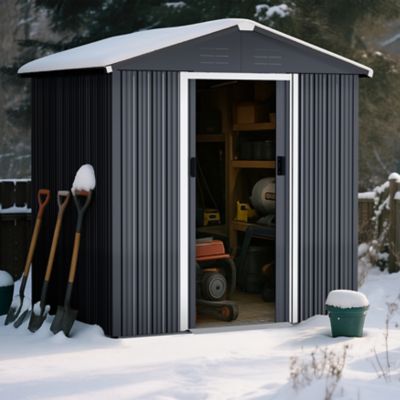
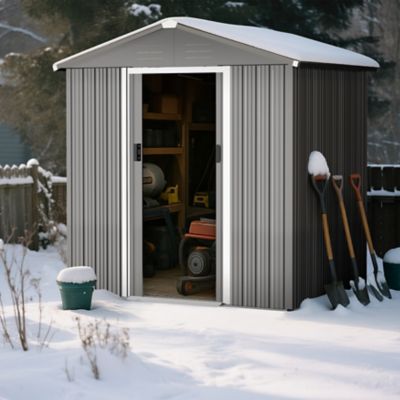
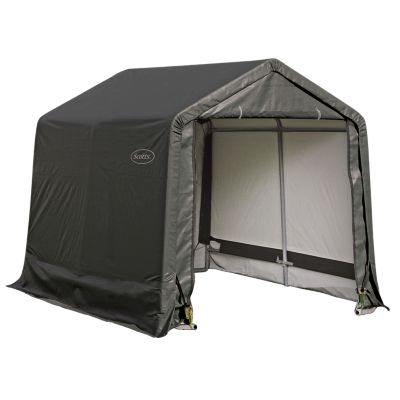
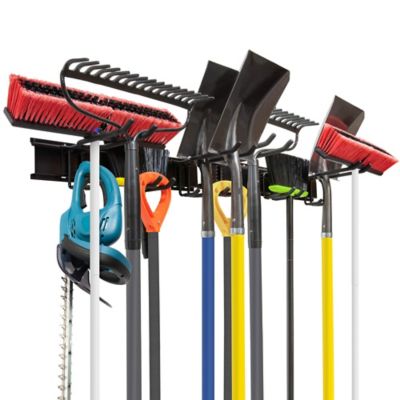
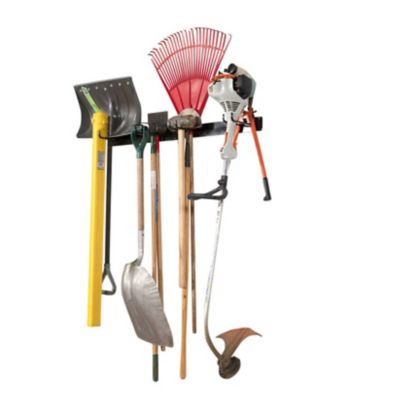
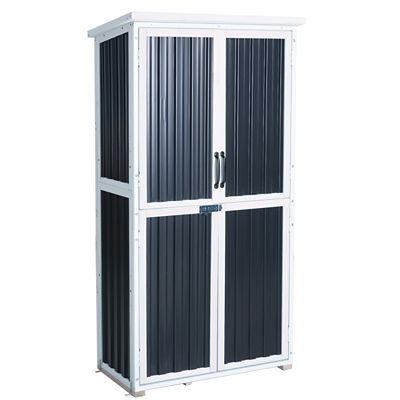
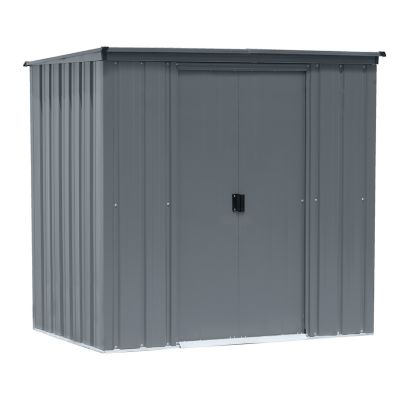
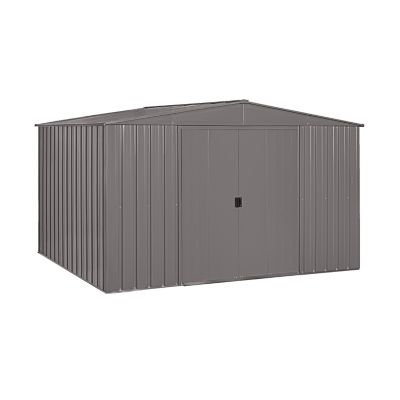
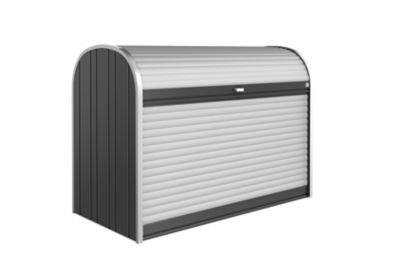
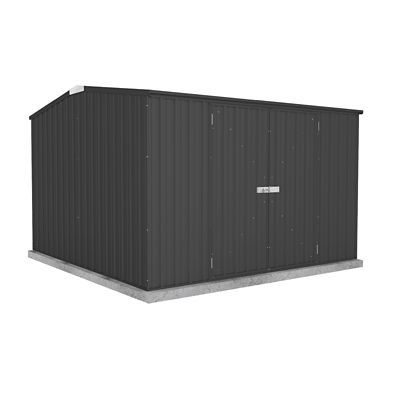
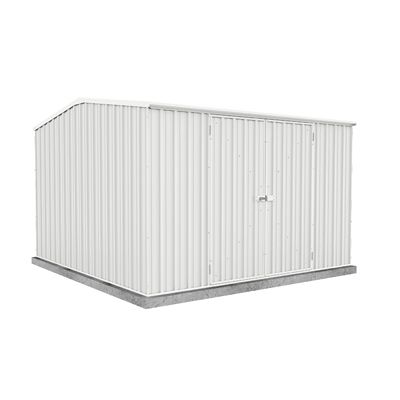
Garden tool storage gives shovels, rakes, hoes and hand tools a place to land, keeping handles out of the walkway and making the next job easier to start. Wall-mounted racks, freestanding stands, adjustable track systems and portable caddies serve different spaces, from a narrow shed to a garage that also holds feed, fencing supplies and work equipment. The right fit depends on the tools being stored, the room around them and how often they need to come along for a job. Wall-mounted storage makes good use of vertical space and leaves the floor open for wheelbarrows or other equipment. Hooks, slots and handle grips can separate long-handled tools so pulling out a shovel does not send a rake tipping sideways. Adjustable systems offer more flexibility when tool shapes vary or the collection grows, while fixed racks keep a straightforward group of tools together. Freestanding garden tool racks suit spaces where wall mounting is not practical, including shared garages and sheds with limited mounting surfaces. Their footprint matters just as much as their tool capacity: a stand that fits neatly in a corner still needs enough clearance above it to lift out a long handle. Broad bases and evenly distributed loads help keep tall tools steady, especially when several heavy heads sit near one side. Before choosing a storage layout, account for handle length, head width and the space needed to reach each tool without catching another one. A leaf rake takes up more sideways room than a hoe, and a wide shovel blade may need a different opening than a narrow cultivator. Door swings, overhead shelves and nearby equipment also affect fit. For a small garden shed, a compact wall rack can free up valuable floor space; for a larger property, separate stations for digging tools and smaller hand tools can keep the whole collection easier to manage.
Materials and construction help determine how garden tool storage handles repeated loading, dirt and everyday bumps. Steel racks and frames can support substantial tools when their design, mounting method and stated load limits match the job. Protective finishes help limit corrosion, though scratched areas and connections deserve attention over time. Plastic storage stands and bins are often lighter to move and simpler to wipe down, with molded openings that can keep tool handles separated. Their strength depends on the construction and intended load, so a lightweight hand-tool organizer is not the same as a stand meant for several shovels. Wood brings another option for sheltered workspaces, with smooth edges and sound joints important wherever handles slide into slots. Across materials, check the parts that take the most wear: hook contact points, rack openings, wheel attachments, hinges and fasteners. Rounded contact surfaces can be gentler on handles, while well-spaced supports reduce rubbing between tools. For wall-mounted systems, the wall itself is part of the setup. Mounting hardware should match the wall construction and the manufacturer's directions, and the total load includes both the organizer and everything it holds. Shelving and wall racks need secure attachment rather than relying on a thin wall panel to carry heavy digging tools. Care also plays a part in keeping both tools and storage in good shape. Knocking soil off a shovel and wiping down a trowel before putting them away helps prevent grit from collecting in slots or pockets. Tools should be dry after cleaning before going into an enclosed box, since trapped moisture can encourage rust on metal parts. Open racks make it easier to spot dirt buildup, while removable trays or bins make small debris easier to clear out. Storage that separates sharp edges from handles and keeps blades away from reaching hands is especially helpful in a space shared with children. Heavier tools are generally easier to manage when they sit within a comfortable reach instead of overhead, and clear floor space leaves room to step back safely while taking them down.
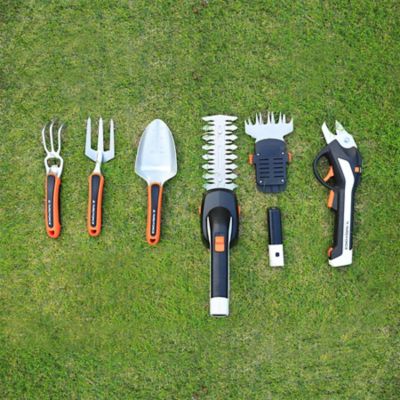
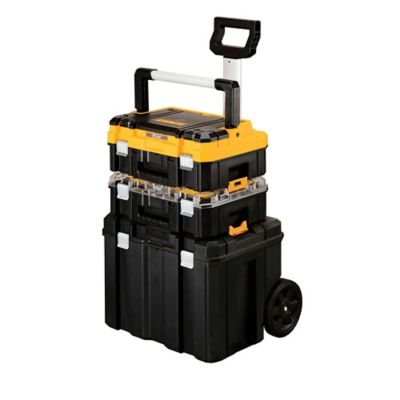
Portable garden tool storage works well when the job moves from a vegetable patch to raised beds, fence lines or planting areas farther from the shed. A caddy, tote or rolling organizer can gather the smaller essentials in one place, cutting down on trips for a misplaced hand fork or pair of gloves. Compartments help keep pruning tools from tangling with twine, and a roomy center section can accommodate tools with wider handles. Comfortable carry handles matter when a container is loaded, while the shape of the opening affects how easily tools go in and out. For rolling storage, wheel size, handle height and the route between the storage spot and the work area are worth considering. A smooth garage floor presents a different challenge than gravel, uneven ground or a raised doorway threshold. A cart also needs enough room to turn and park without blocking access to other equipment. Smaller boxes and totes can suit gardeners who mostly work with hand tools, while a combination of stationary racks and portable storage fits properties with a broader mix of chores. Keeping the long-handled equipment at a main station and carrying only the tools needed for a particular task makes a large collection feel less cumbersome. Garden tool organizers can also make thoughtful gifts for someone starting a vegetable garden, settling into a place with a yard or spending more time tending planting beds. Storage pairs naturally with a
Garden Tool Gift Set, giving the tools a home instead of leaving them loose on a bench. The most useful match reflects the recipient's space and habits: a compact tote for someone working in a few raised beds, or a rack with room for long handles for someone tending a larger plot. Whether the workspace is a modest shed or a busy shop, well-matched garden tool storage keeps everyday equipment easier to find, carry and put away without taking over the room.