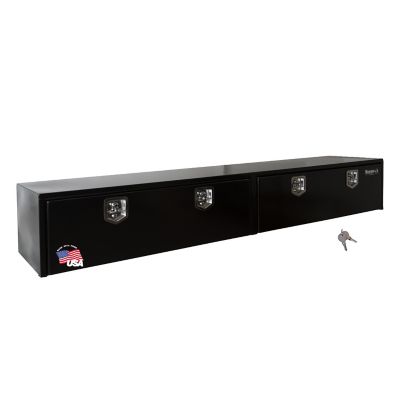
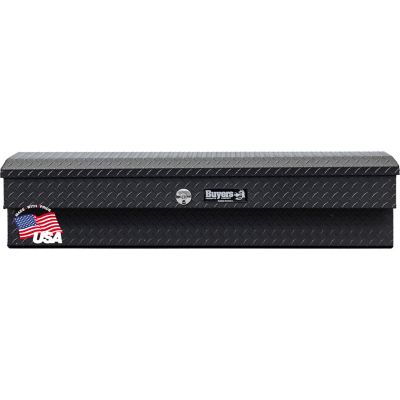
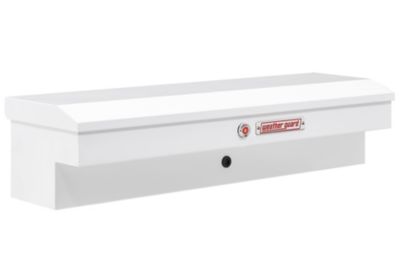
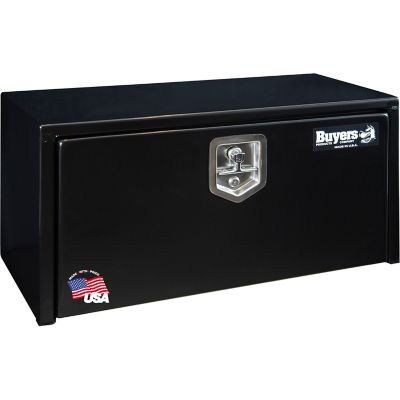
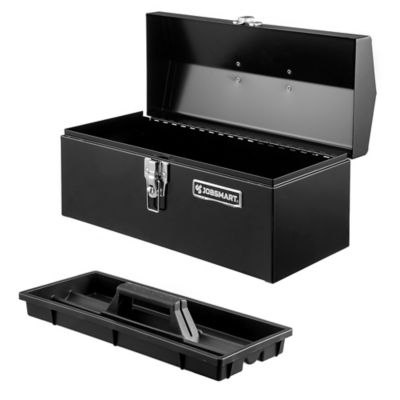
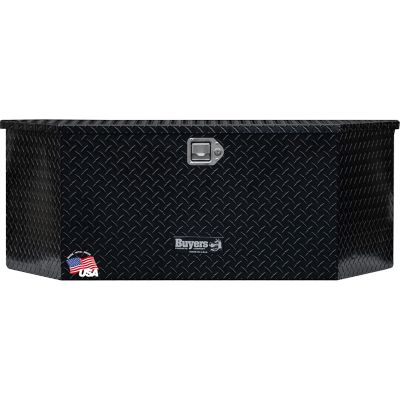
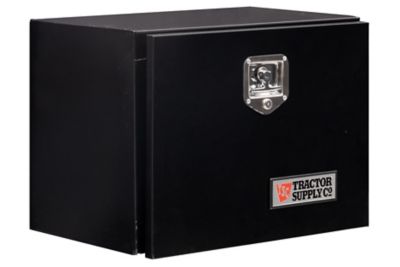
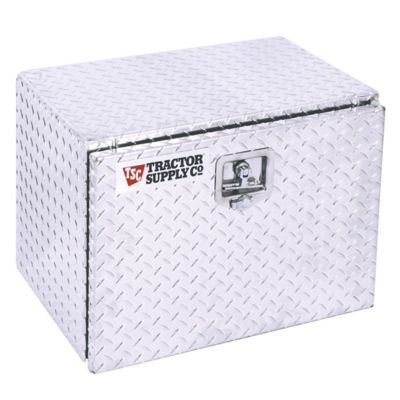
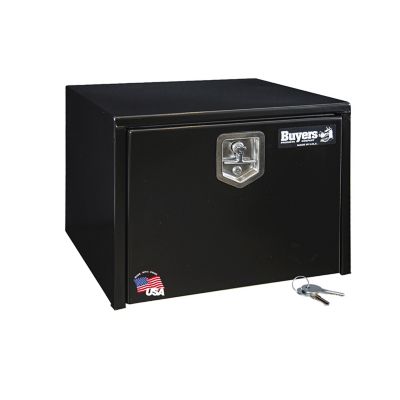
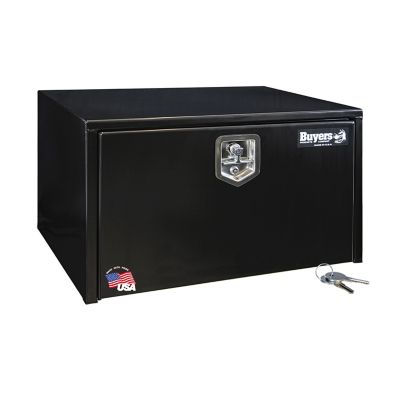
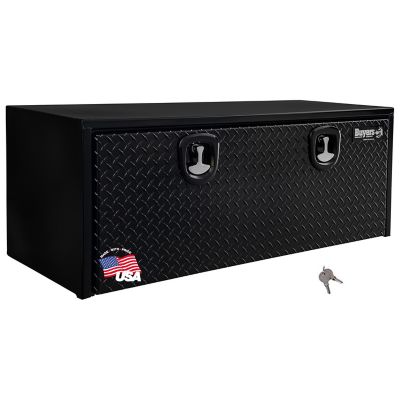
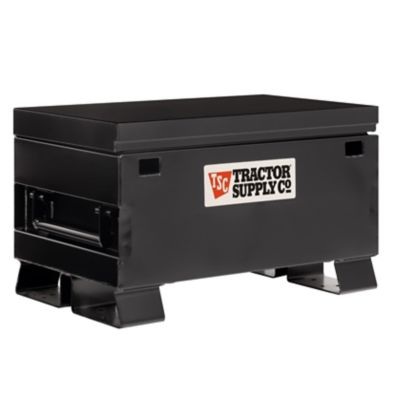
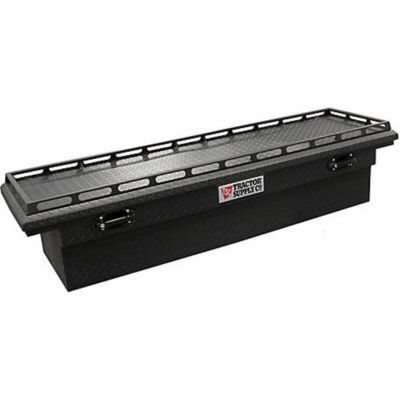
Powder-coated tool boxes are steel or aluminum storage boxes finished with a dry powder coating that is cured with heat to form a protective outer layer. That finish helps the metal resist corrosion, scratches, and everyday wear, while giving the box a consistent appearance. The coating adds protection, but the metal underneath, the way the box is built, and the condition of the finish all matter to its service life. A wrench dropped against an edge or a chain dragged across a lid can still leave a mark, especially at corners and other contact points. For work around a farm, in a garage, or between job sites, these boxes give hand tools, repair supplies, and small equipment a place to stay together instead of riding loose across a truck bed or workbench. A farmer carrying fencing pliers and gate hardware has different storage needs than a mechanic keeping socket sets organized, but both benefit from a box that opens easily and holds its contents securely. Steel generally brings more weight, while aluminum can be easier to lift and adds less weight to a vehicle; actual strength depends on metal thickness, shape, reinforcement, and overall construction. Powder coating is a finish rather than a separate type of metal, so two boxes with similar colors can differ considerably underneath. Lid bracing, welded joints, hinge design, and reinforced mounting areas help explain those differences. Inside, shallow trays can keep tape measures and small hand tools within reach, while an open lower compartment leaves room for larger equipment. Dividers and drawers offer another way to separate sockets, drill bits, and fasteners so a quick repair does not start with an arm-deep search. The right layout keeps frequently reached-for tools near the top or front, with heavier gear low enough to stay settled during transport. That practical balance matters whether the box spends its working life beside a shop bench or travels wherever the next repair takes place.
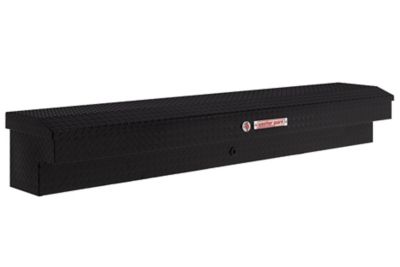
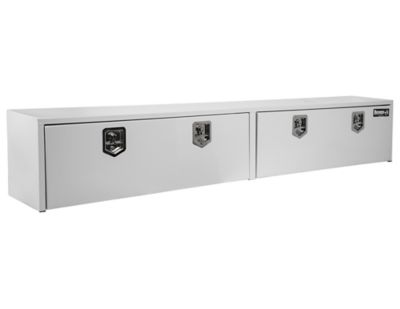
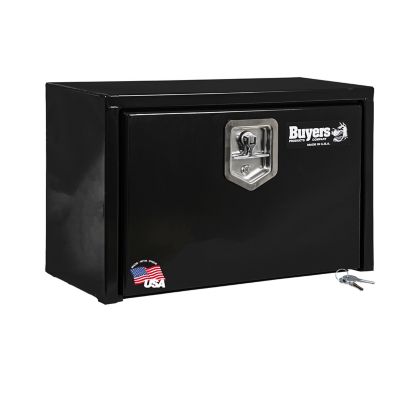
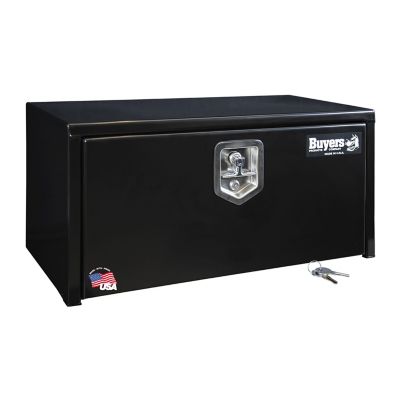
Powder-coated tool boxes come in several general configurations, and their fit matters just as much as their storage capacity. Crossover truck boxes span the bed near the cab, chest-style boxes sit within the bed, and side-mount designs place storage along a bed rail. Underbody boxes mount beneath a suitable truck or trailer body, while portable boxes and rolling shop chests serve different needs around the work area. Each arrangement changes how much room remains for feed sacks, lumber, fencing supplies, or other cargo. Exterior dimensions tell only part of the story: lid swing, handle clearance, mounting hardware, and access from the ground can determine whether a box feels convenient every day. A lid that clears an empty bed may interfere with a rack or another accessory, and a deep compartment can be difficult to reach across a tall bedside. Interior measurements also matter when longer tools, a particular carrying case, or an organized socket tray needs to fit. For vehicle-mounted storage, compatibility with bed liners, rail caps, tie-down points, and covers deserves attention before installation. Mounting should follow the box and vehicle manufacturers’ directions, with suitable hardware and support rather than improvised attachment points. A loaded box adds more than its empty weight, so vehicle payload limits and the strength of the mounting location remain part of the decision. In a shop, a rolling chest needs enough aisle space to move and enough clearance for drawers to extend without blocking a doorway. Caster ratings, wheel locks, and drawer load limits help match that setup to the tools it will carry. On any style, smooth hinges, manageable lid weight, and handles that are comfortable to grip can make a noticeable difference over a full workday. Locking latches add a measure of security, though no tool box should be treated as theft-proof. Where a lid seal or gasket is included, its fit and condition help limit dust and water entry; the powder-coated surface alone does not make a box watertight.
Keeping a powder-coated tool box in good shape is mostly a matter of straightforward care and sensible loading. Dirt and grit left around a hinge, latch, or lid seal can interfere with movement and grind against the finish. A soft cloth, mild soap, and a rinse or wipe-down following the manufacturer’s care directions are generally a better starting point than abrasive pads or strong solvents. The box should be dried before tools go back inside, especially around seams and beneath removable trays where moisture can linger. Chips that expose bare metal deserve attention because corrosion can begin at the damaged spot even when the surrounding coating still looks sound. Touch-up methods vary by finish, so the maker’s instructions should determine the repair approach. Drawer slides, hinges, and latches may also need periodic cleaning or lubrication as directed. Liners can help keep tools from sliding and reduce metal-on-metal contact, but they should be lifted occasionally so trapped grit or moisture does not go unnoticed. Heavy tools belong where the box can support them without overloading a tray, drawer, or lid, and loose sharp edges are best kept from rubbing directly against coated panels. Material choices also include
Stainless Steel Truck Tool Boxes, which offer another option to compare when the underlying metal matters as much as the surface finish. For powder-coated storage, color may help coordinate a work area, but easy access, sound construction, and a layout that suits the job usually carry more weight in daily use. A ranch hand hauling repair tools, a contractor moving between properties, or a homeowner keeping a garage in order may all want different sizes and compartments. Even as a gift for someone building out a shop or organizing a work truck, the most useful box is one that fits the space and the tools already in hand. A well-matched setup keeps a socket set together, fencing supplies contained, and the next necessary tool close enough to grab without unloading everything else.