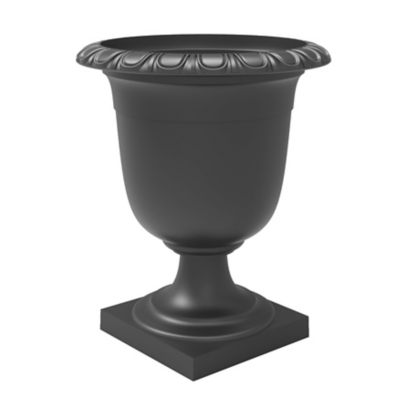
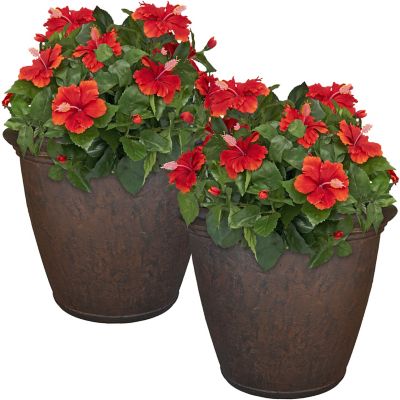
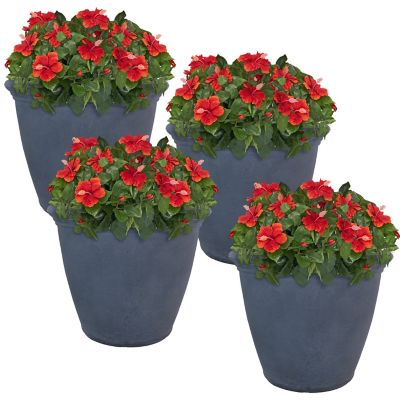
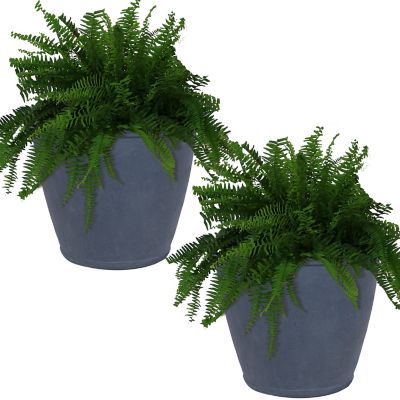
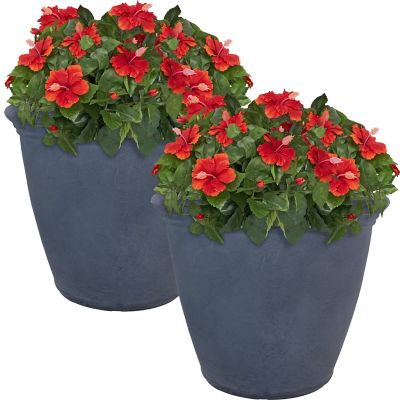
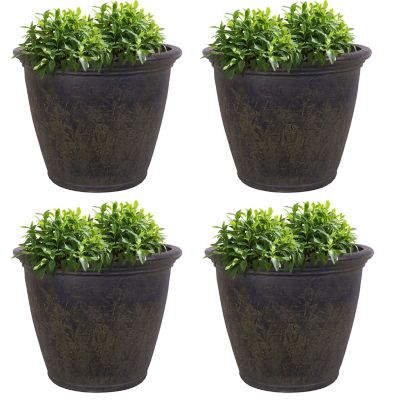
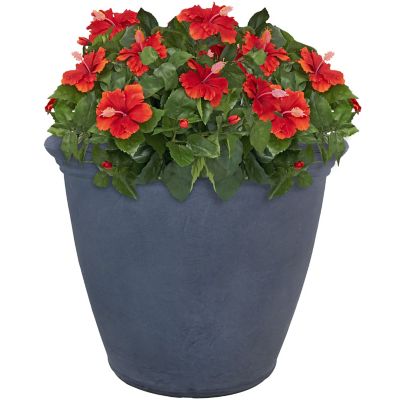
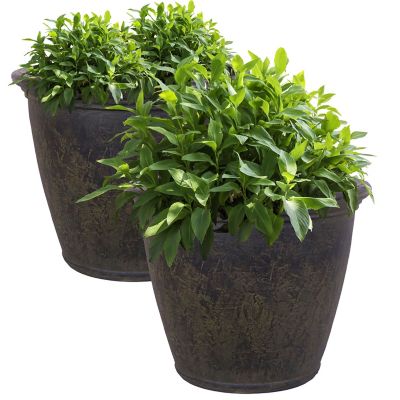
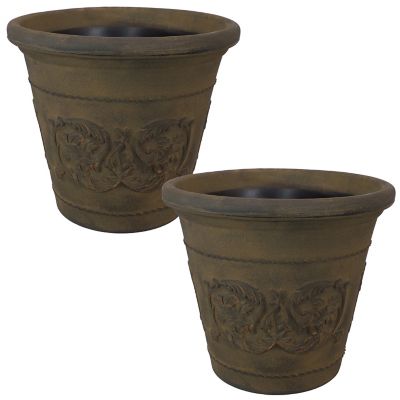
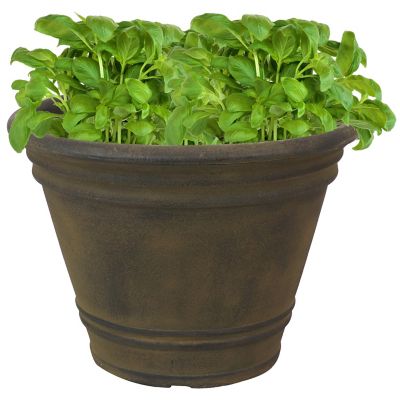
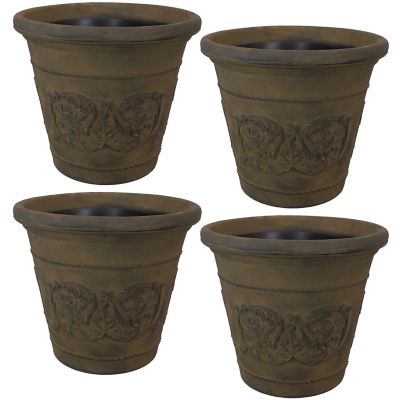
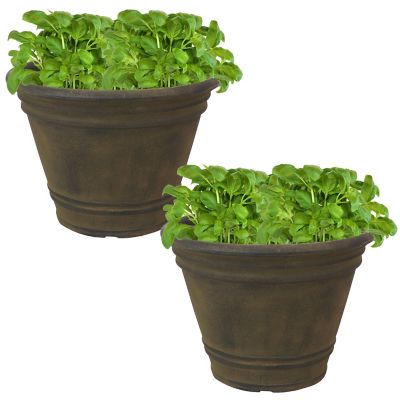
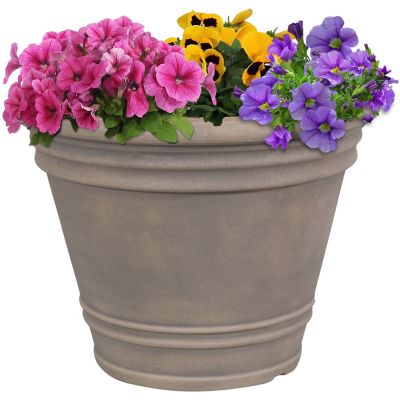
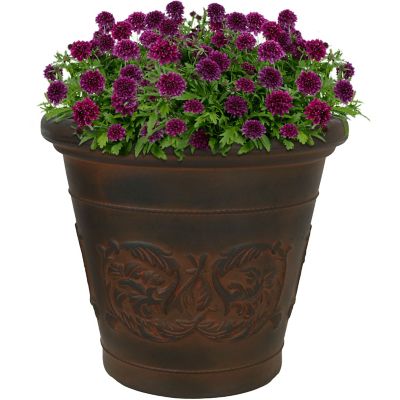
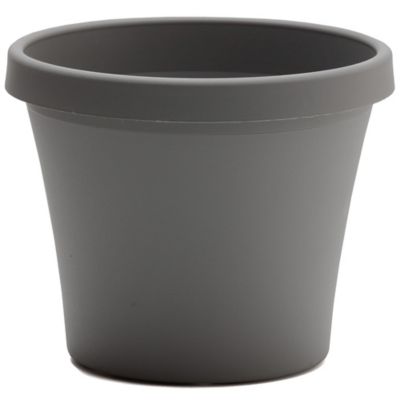
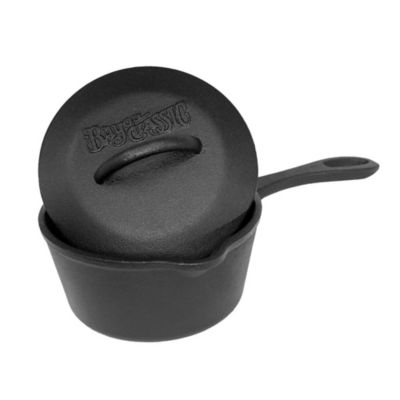
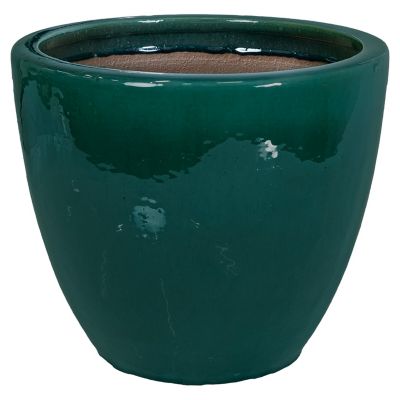
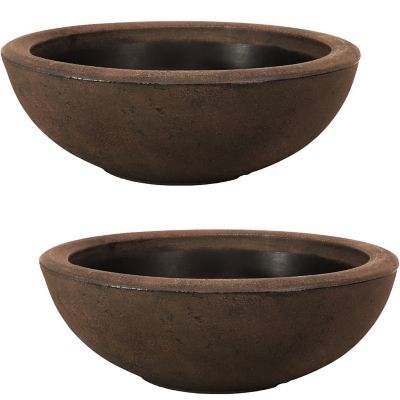
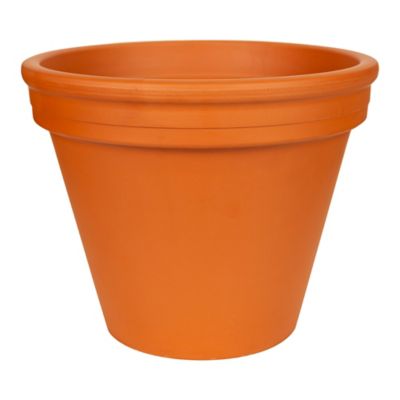
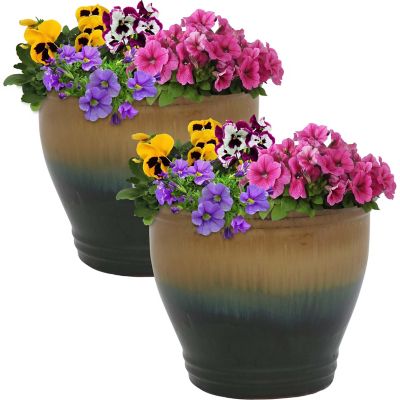
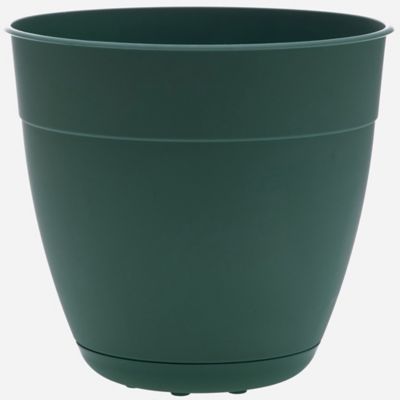
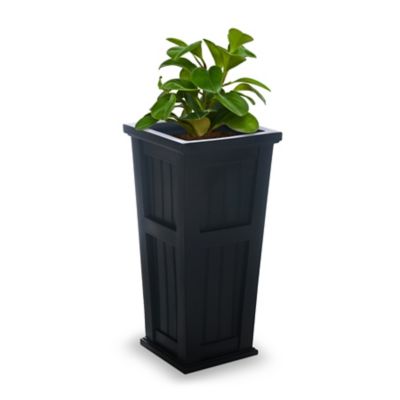
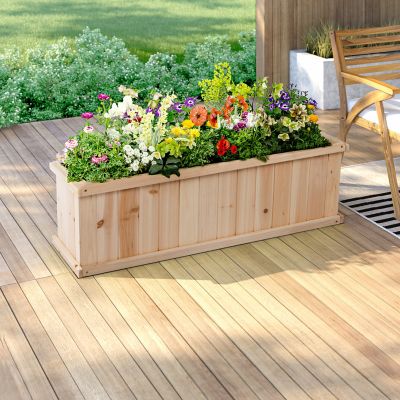
Mother’s Day pots and planters give flowers, herbs, and houseplants a place to grow while making a thoughtful gift for Mom. A good fit brings together room for roots, suitable drainage, and a material that works where the plant will live. That might mean a clay pot beside the kitchen door, a glazed ceramic planter on a bright windowsill, or a lightweight container for a porch Mom likes to rearrange. The appeal goes beyond the flowers: a planting container can stay part of her home long after a bouquet has faded, holding a favorite plant or making room for something new. Terracotta has an earthy look that sits comfortably alongside porch boards, gravel paths, and garden beds. Its porous walls let moisture evaporate more readily, so plants in unglazed clay often need closer attention to watering than those in less porous containers. Glazed ceramic offers a smoother finish and plenty of possibilities for color, from quiet shades that blend into a room to brighter tones that stand out against green leaves. Ceramic and clay also bring weight, which can help with stability but makes larger pots harder to move. Plastic and resin containers are generally lighter, a practical feature for someone who carries plants between a sink and a windowsill or likes changing a porch arrangement. Metal planters bring another look, though direct sun can heat the container, and suitability for direct planting depends on its construction and finish. Wooden planters suit larger arrangements and garden settings, with drainage and protection from constant moisture important to their upkeep. For a grandmother who tends flowers by the back steps, a mother-in-law with a sunny breakfast nook, or a mom starting her first little herb garden, the most meaningful choice is often the one that fits a place and a routine she already enjoys.
Size matters just as much as appearance when comparing pots for Mother’s Day. The listed width may describe the outside rim rather than the space inside, and a broad opening does not always mean plenty of depth for roots. Interior dimensions are especially helpful when a planter will hold a plant that is already growing in a nursery container. Many houseplants do well when moved into a pot only an inch or two wider than their existing container, although the plant’s growth habit and root system still matter. An oversized pot can leave a small root ball surrounded by more damp potting mix than it can readily draw from. Deep-rooted plants need suitable depth, while a mixed flower arrangement needs enough space for each plant to grow without crowding its neighbors. Drainage holes let excess water escape, making them an important consideration for most container-grown plants. A saucer can catch runoff, but standing water left beneath the pot can keep roots too wet. A planter without a drainage opening often works best as an outer container, with the plant kept in a separate pot that can come out for watering and drain fully before going back inside. That arrangement can also make plant care easier when Mom prefers a finished-looking container on a shelf or table. A waterproof tray or protective barrier helps shield furniture, since porous clay and overflowing saucers can leave moisture behind. For outdoor placement, a level base and enough stability to support the full-grown plant matter, especially beside a walkway or on an exposed porch. A tall plant can make a narrow container top-heavy. Larger planters also become much heavier once filled with damp potting mix, so their intended spot and the effort needed to move them deserve consideration before planting. For edible herbs or vegetables, containers intended for growing food are a sensible fit, along with potting mix suited to container gardening.
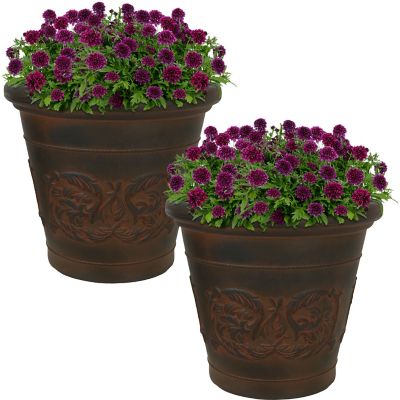
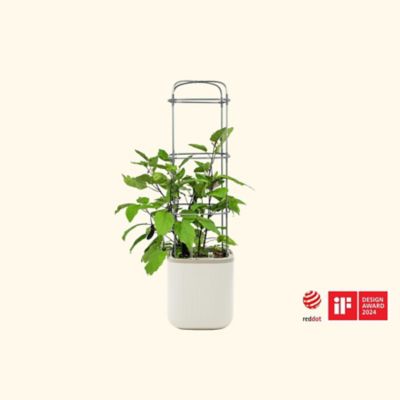
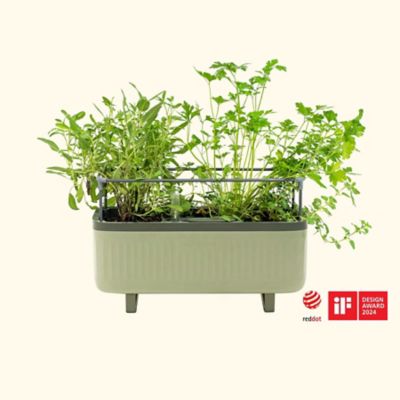
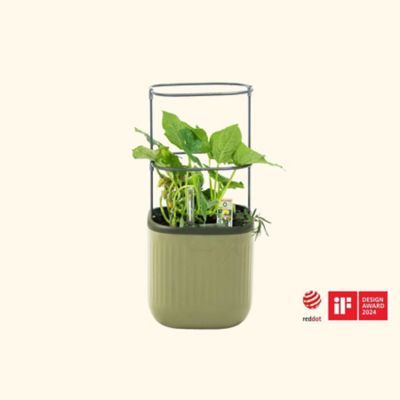
The best Mother’s Day planter gifts feel connected to the way Mom spends her time, whether that means snipping herbs for supper, checking on a favorite houseplant, or sitting on the porch with a cup of coffee. Someone who enjoys tending plants may appreciate a container with room for a growing collection, while a person with a full schedule may prefer a manageable size paired with a plant whose care needs fit her routine. Self-watering designs can help maintain moisture between waterings, but their reservoirs still need monitoring, and not every plant thrives with the same moisture level. A sunny kitchen window, a shaded porch, and a spot farther inside the house call for different plants; the pot’s good looks cannot make up for a mismatch in light. Matching the container to an existing favorite can make the gift feel personal without adding another plant to care for. A pot large enough for a well-established houseplant, or a coordinated pair for herbs near the kitchen, can have an everyday purpose as well as gift appeal. When a plant is part of the present, a simple care tag with its name, light needs, and watering preferences helps the recipient settle it into place. Care for the container itself depends on the material: soil residue is easier to remove when it has not been left to harden, glazed surfaces generally wipe clean, and drainage openings need to stay clear. Outdoor pots also need care appropriate to their material, since trapped water can expand when frozen and crack some clay or ceramic containers. For a gift centered on cut flowers instead of a rooted plant, a
vase for Mother’s Day holds water for a bouquet rather than potting mix. A planting pot offers a different kind of enjoyment: leaves reaching toward the window, herbs close enough to snip for a meal, or flowers greeting Mom each time she comes through the door.