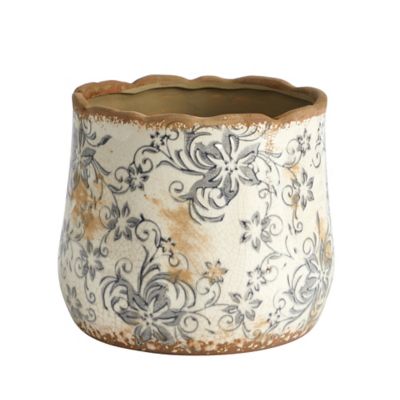
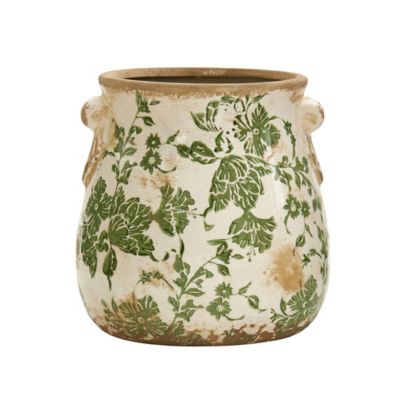
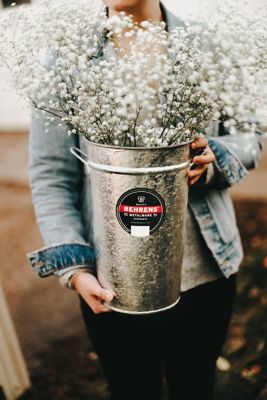
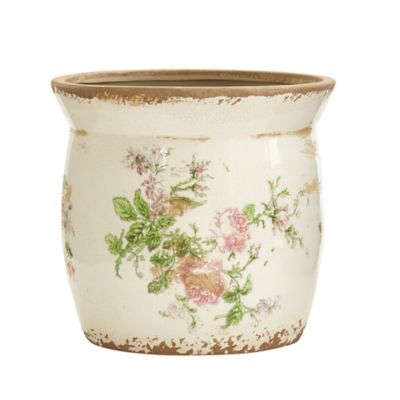
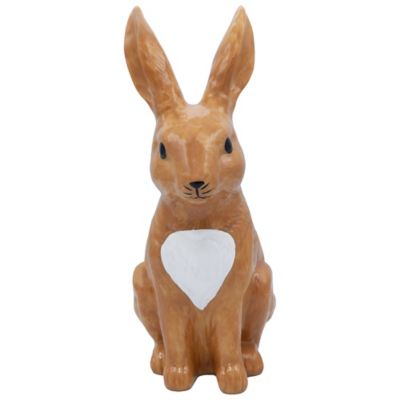
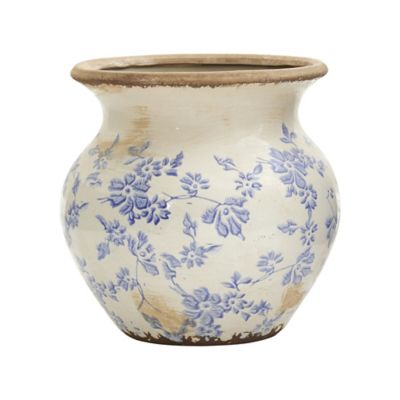
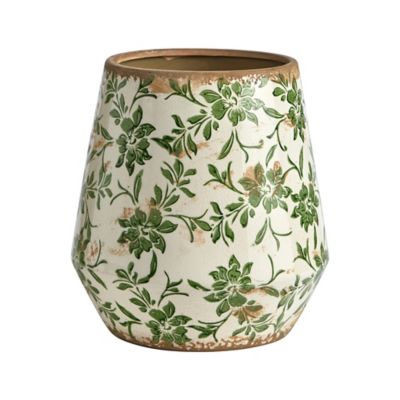
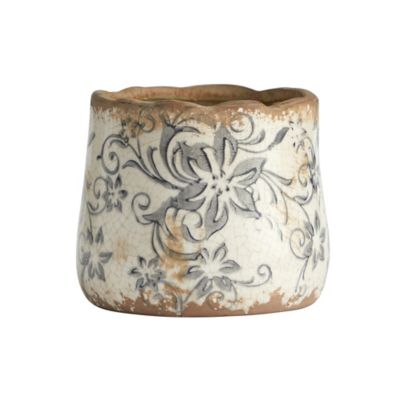
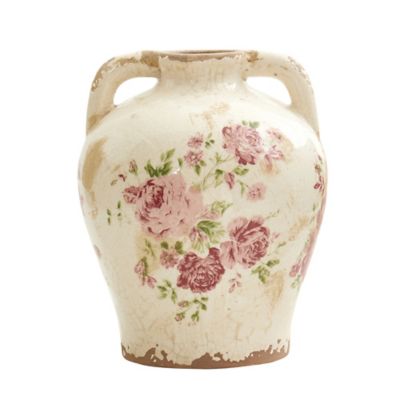
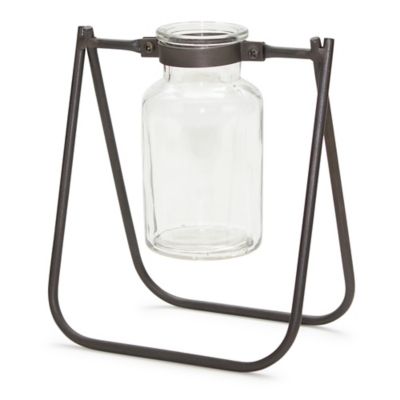
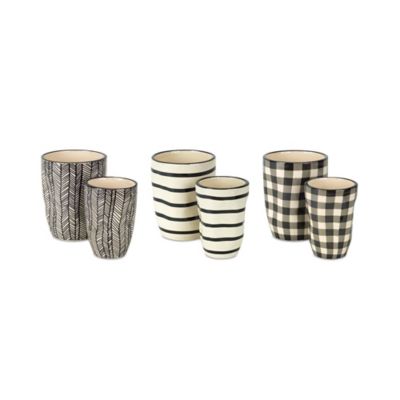
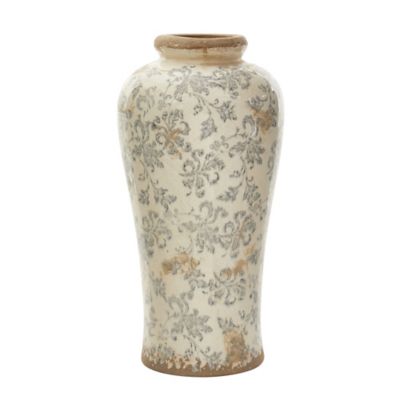
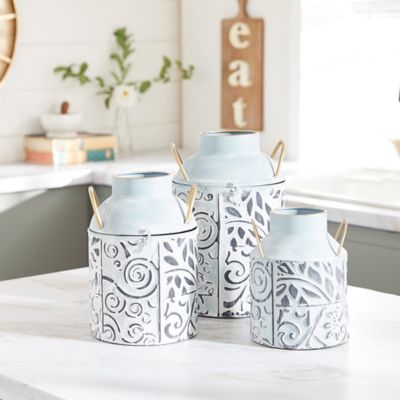
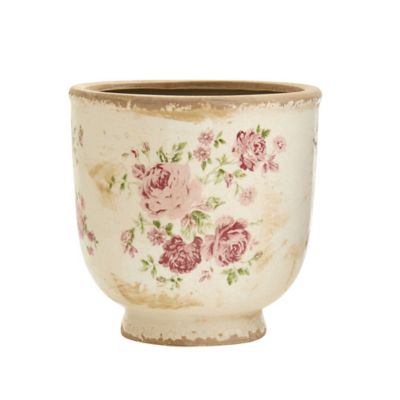
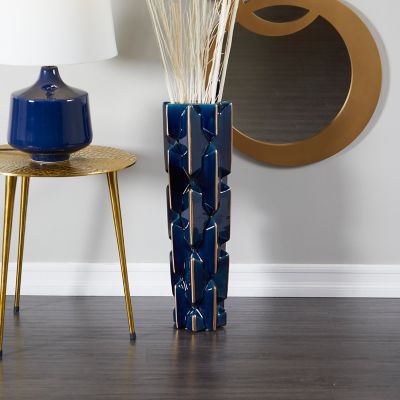
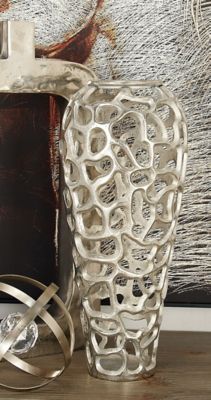
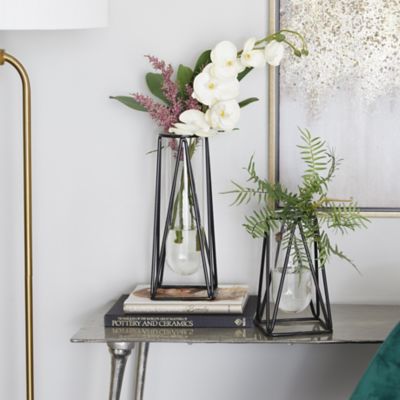
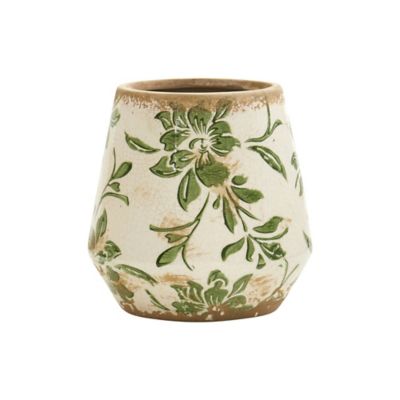
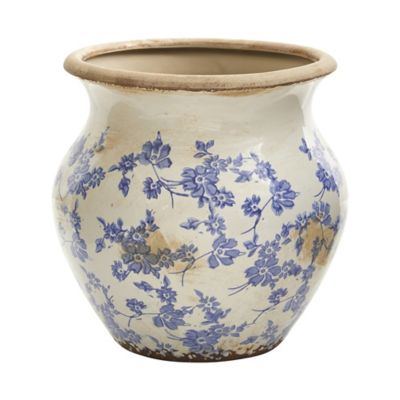
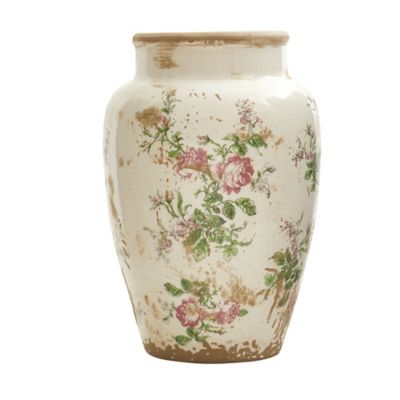
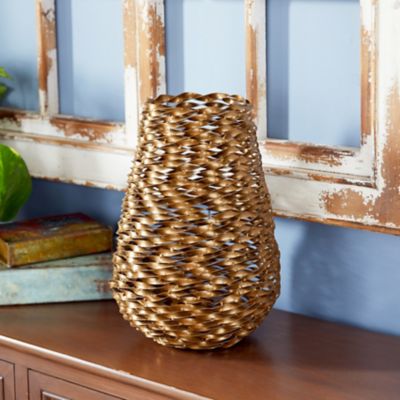
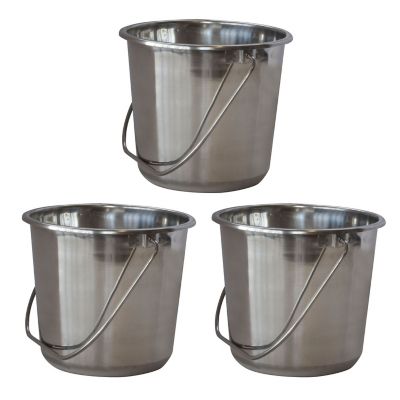
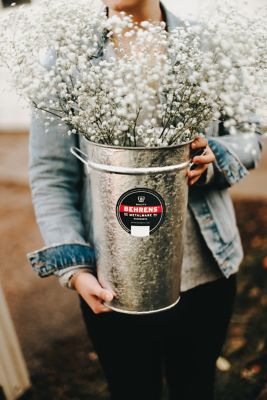
A vase for Mother's Day makes a thoughtful gift because it holds the flowers given for the occasion and stays useful long after that first bouquet is gone. For a mom who clips flowers from the garden, a grandmother who keeps a stem beside her kitchen sink, or a mother figure who enjoys a full arrangement on the dining table, the right vase fits into everyday life without needing much fuss. Glass, ceramic, and metal each bring a different look and feel. Clear glass lets the stems become part of the arrangement and makes the water level easy to see. Colored or frosted glass softens that view while adding color of its own. Ceramic offers an opaque surface that keeps stems out of sight, with finishes ranging from smooth and glossy to matte and lightly textured. Stoneware can bring a substantial feel, although weight varies with the size and construction of the vessel. Metal gives an arrangement a different character, but its suitability for holding water depends on the material, finish, and any interior liner. A vase intended for fresh flowers needs to be watertight; an attractive finish alone doesn't establish that. Some vessels are meant for dried stems or require a separate insert for water. Color matters, too, especially when the gift will sit somewhere familiar. Cream, soft gray, and earthy brown can settle easily beside wood furniture, while blue, green, or a brighter shade can echo a favorite dish, quilt, or room color. A simple finish lets the flowers take center stage, while a patterned surface gives an empty vase more presence between bouquets. For Mother's Day, that balance between appearance and everyday usefulness often matters more than an elaborate arrangement. A handful of thoughtfully chosen flowers in a vessel that suits her home can feel just as personal as a large bouquet, especially when it reflects how she actually enjoys flowers.
The shape and size of a Mother's Day vase determine how flowers sit, how much space the arrangement takes up, and where it feels at home. A bud vase has a small opening for one stem or a few slender stems, making it a good fit for a bedside table, a narrow shelf, or the corner of a desk. A medium vase offers room for a modest mixed bouquet without taking over the kitchen counter. A broad opening gives flowers space to spread, while a narrower neck gathers stems closer together and can help an arrangement look fuller with fewer flowers. Taller vessels suit longer stems, but height alone isn't enough: the base needs to support the weight of the flowers without becoming easy to tip. A generous base is especially helpful when blooms lean outward or carry large flower heads. Shorter, rounded shapes work well where people sit across from one another, since a low arrangement is less likely to block conversation at the supper table. Vase height and stem length work together, so a compact bunch can look lost inside a deep vessel, while long stems may feel awkward in something too shallow to support them. The opening also needs enough room for the stems without crowding them tightly together. Roses, carnations, and mixed cut flowers can create very different outlines even in the same vase, and branches or broad leaves add extra reach beyond the rim. Where the vase will live is another practical consideration. A busy kitchen counter calls for a manageable footprint, while a wide sideboard can accommodate a fuller arrangement. On a shelf, the combined height of the vase and flowers matters as much as the vessel itself. An easy-to-grip shape also helps when carrying a filled vase from the sink to the table. These details make the gift feel well matched to its recipient, whether she enjoys one small bloom at a time or likes gathering enough flowers to fill the center of the room.
Care and handling help a vase stay pleasant to bring out for the next bunch of flowers. A smooth interior and an opening wide enough for a bottle brush can make cleaning simpler, especially after stems have sat in water for several days. Narrow-necked shapes may need a smaller brush, and deeply textured surfaces can take more attention around grooves and raised patterns. The care label matters for every material: some glass and ceramic pieces call for hand washing, and finishes on metal or painted surfaces may need gentler treatment. Mild soap, thorough rinsing, and drying before storage are sensible starting points when they agree with the manufacturer's directions. Sudden temperature changes can crack some glass and ceramic vessels, so hot water isn't automatically the best choice. Fresh water and clean interiors help cut flowers last, while keeping leaves out of the water reduces the plant material that can break down below the surface. A vase also needs a little care around the house. Checking the base for moisture and placing a suitable protective layer beneath it can help protect a wood tabletop. Chips, cracks, rough edges, or signs of leaking deserve attention before the vase holds another bouquet. A gift can include flowers or arrive empty, leaving room for the recipient's own choices; either way, comfortable handling and straightforward care add to its everyday appeal. For a gift centered on something growing rather than cut stems,
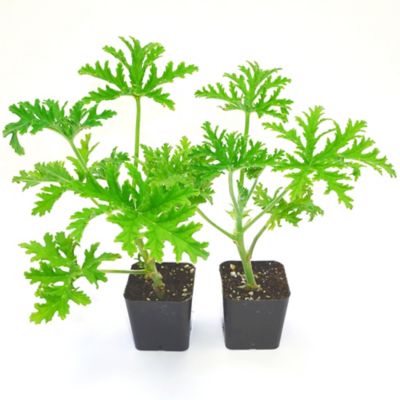
Plants For Mother's Day offers another direction to consider. A vase and a plant container serve different purposes: most vases hold water without drainage, while many living plants need a pot that lets excess water escape. That distinction matters if a vase will serve as an outer cover for a nursery pot, since standing water should not collect around the roots. Whether the gift holds garden flowers, a small bunch brought home after errands, or dried stems between fresh arrangements, a Mother's Day vase can earn a lasting spot in the home through its shape, feel, and usefulness.