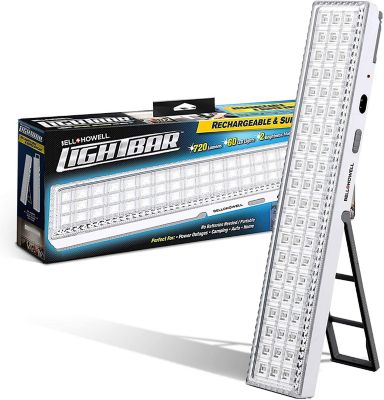
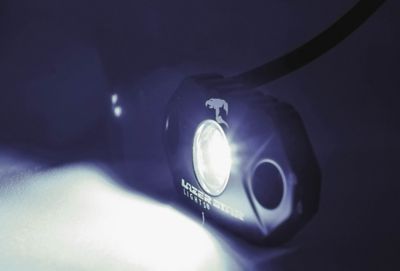
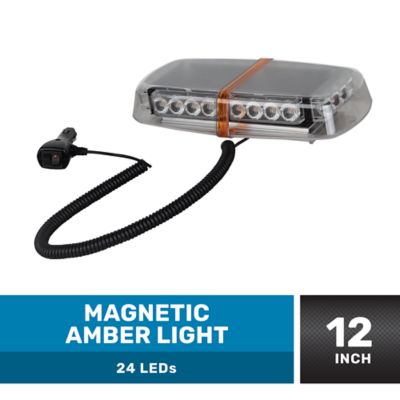
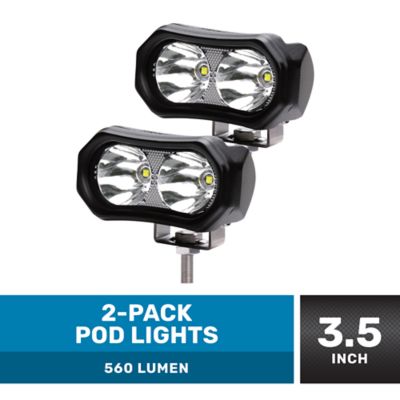
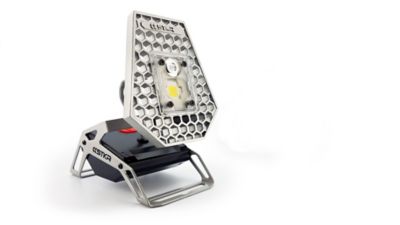
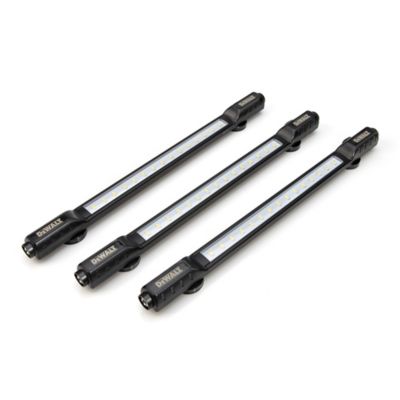
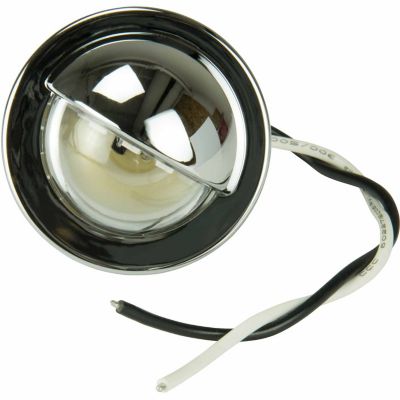
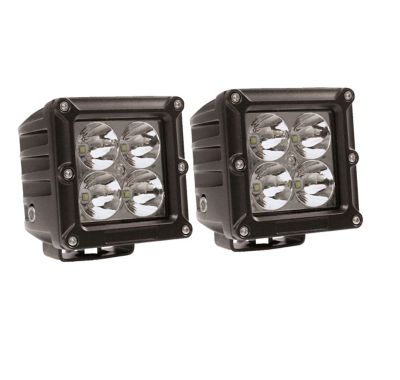
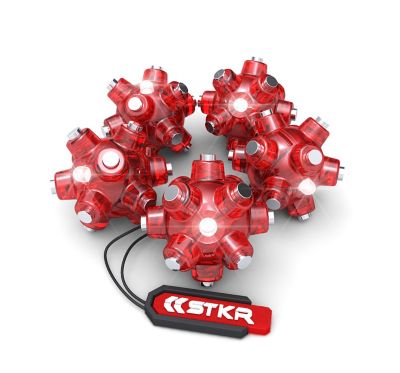
Portable LED lights bring light where a porch fixture or overhead shop light can’t reach, whether that’s beside a stalled mower, inside a feed room, or out by a gate after sundown. They’re a practical part of life around a house, farm, or campsite because the work doesn’t always happen near an outlet. A broad flood beam spreads light across a workbench or a patch of ground, while a tighter spot beam reaches farther down a fence line or into the back of a shed. Some designs offer both, making it easier to move between close work and a longer view. Brightness is measured in lumens, but the highest number isn’t always the best fit for the job. Too much light bouncing off a white wall or shiny engine part can make small details harder to see. Lower settings can be more comfortable for sorting tackle, finding a dropped fastener, or checking a latch without lighting up the whole yard. Beam shape, working distance, and how evenly the light falls matter just as much as output. Adjustable heads let the light stay planted while the beam points toward a trailer hitch or beneath a work surface. For hands-free tasks, a stable base, hanging hook, clamp, or magnetic mount can make a real difference. A magnetic mount needs a suitable steel surface, so it won’t hold to every toolbox, truck panel, or piece of equipment. A wide base is handy on a barn floor, while a clamp may be a better match for a shelf edge or bench. Size and weight matter, too: a light that rides easily in a chore-coat pocket fills a different role than one carried by a handle and set beside a repair. During the cooler months, when daylight runs short, having light that moves from the shed to the driveway helps keep everyday chores from depending on the reach of a fixed fixture.
Power source is another part of finding the right portable LED light for the way the day unfolds. Rechargeable lights suit regular tasks when there’s a convenient place to plug in between jobs, while replaceable-battery designs allow fresh batteries to go along on longer outings. Lights that run on a tool battery can fit into an existing workshop setup, but battery platforms aren’t interchangeable; the required battery and charger need to match the light. USB charging also calls for the right cable and power supply, especially when charging from a vehicle or a portable power bank. Runtime varies with brightness, battery capacity, temperature, and other operating features, so a low-setting runtime doesn’t tell the whole story about performance at full output. Battery indicators help with planning, and stepping down the brightness when a task allows can stretch the time between charges. For farm chores and outdoor repairs, housing materials and construction deserve a close look. Molded plastic can keep weight down, aluminum can help manage heat, and rubber bumpers may soften everyday knocks. A recessed lens can offer some protection when a light tips over, though no housing should be treated as damage-proof. Water- and dust-resistance ratings help show whether a light is meant for a sheltered workspace or more exposed conditions. Splash resistance is not the same as protection against immersion, and covered charging ports only do their job when closed properly. Big switches and handles with enough clearance for work gloves are especially useful around cold tools and damp equipment. A folding stand should hold its position without slipping, and an adjustable head should stay aimed when the light is moved. Care is usually straightforward: wipe away dirt with a soft cloth, follow the manufacturer’s cleaning directions, and keep moisture out of open ports and battery compartments. Check seals, cables, and the lens for damage, and follow the stated temperature limits for charging and storage. Those small habits help keep a portable work light ready for the next task rather than tucked away with a drained battery or a grit-filled charging socket.
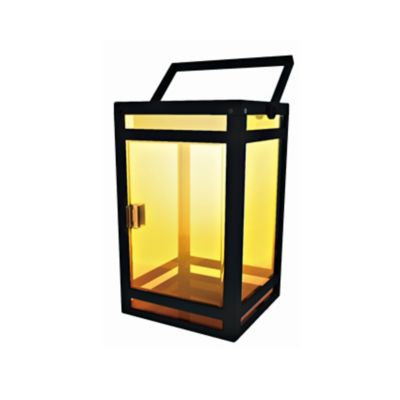
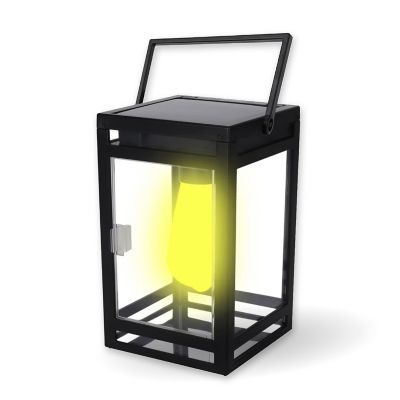
Away from the workbench, portable LED lighting has plenty of everyday uses. A lantern-style light can spread illumination around a picnic table, while a directional light helps with tying down gear or finding a path between a parked truck and a tent. For time around a campsite,
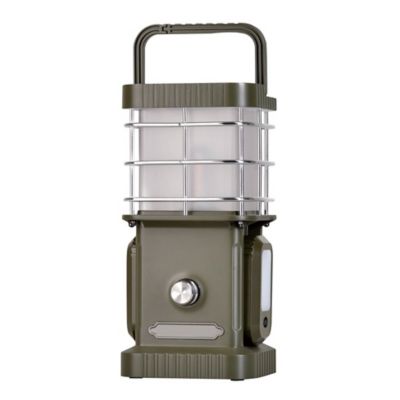
Camping Lights offer another way to explore lighting suited to meals outdoors, tent setups, and evenings beyond the porch. The best fit depends on whether the light needs to brighten a shared space, follow someone from place to place, or stay focused on a single task. A softer, diffused beam feels less harsh near eye level, while a more concentrated beam puts light on a particular spot. Color temperature affects the feel of the light as well: warmer tones can be comfortable around a table, while cooler tones may suit close work. Where color differences matter, such as comparing painted parts, color-rendering information can be worth checking alongside brightness. For a household power outage, a portable light can illuminate a room or hallway without an open flame, but it still needs a secure spot where children, pets, and passing boots won’t knock it over. Keep walkways clear, avoid shining a strong beam into anyone’s eyes, and leave space around the housing as directed, since LEDs and their electronics can produce heat. Around livestock, placing the light off to the side can help limit glare and keep equipment out of an animal’s path. For truck owners, anglers, campers, and folks who spend their weekends fixing things, portable lighting can also make a practical gift. A comfortable grip, simple controls, manageable weight, and a power source that fits the recipient’s routine often matter more than extra modes. From an early trip to the barn to the last check of a trailer connection, the right combination of beam, mounting options, and battery power makes it easier to see the job at hand without dragging light farther than it can reach.