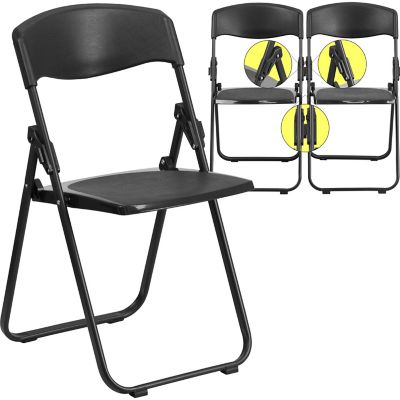
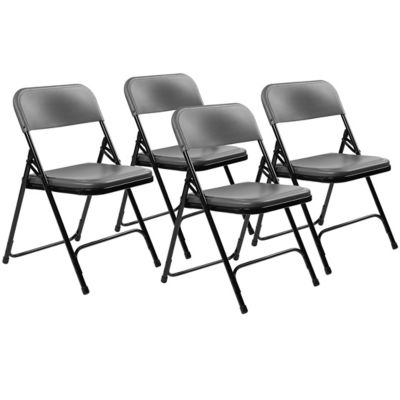
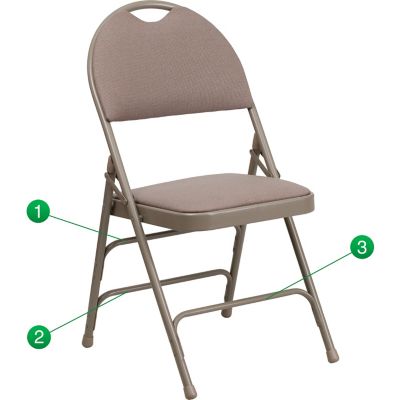
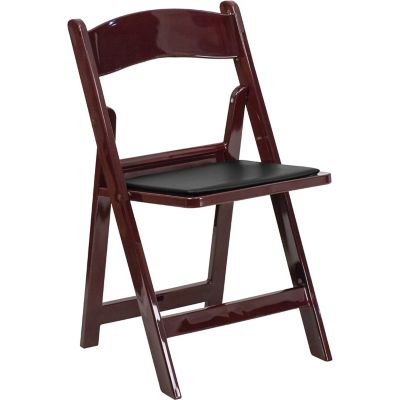
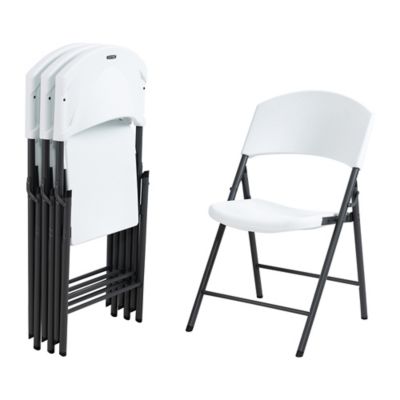
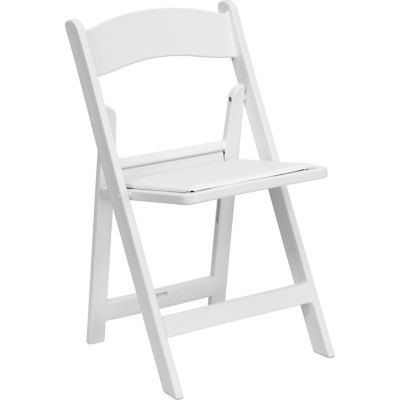
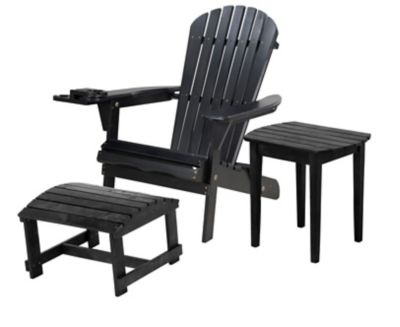
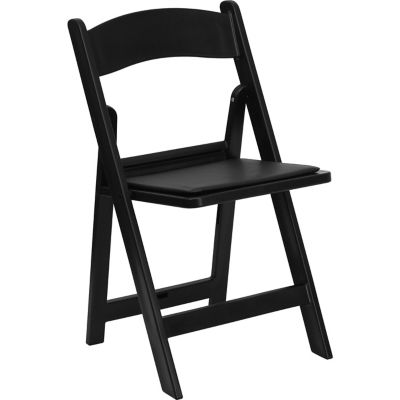
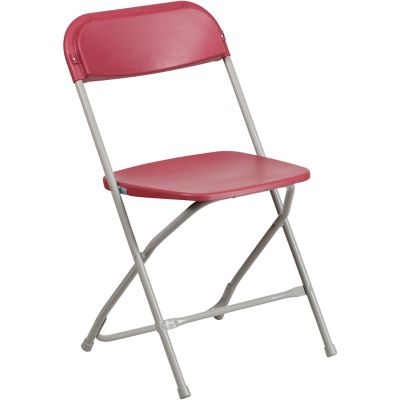
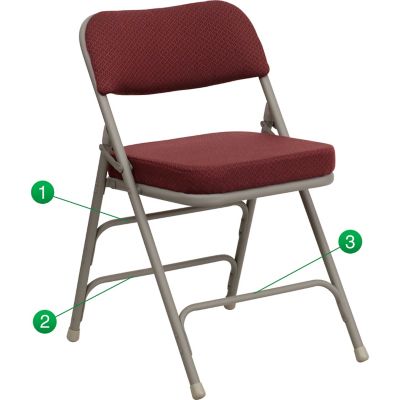
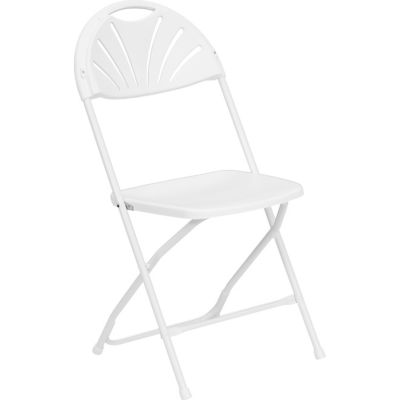
Foldable outdoor dining chairs bring a proper seat to the table without taking up permanent space on the porch, patio, or deck. They make sense for everyday meals outside, a family cookout beside the house, or extra places around a table when the whole crew comes over. Unlike a low lounge chair built for leaning back, a dining chair generally puts the sitter in a more upright position, close enough to reach a plate comfortably. That difference matters when supper stretches into a game of cards or a long conversation after the dishes are cleared. Seat height, back angle, and the space beneath the table all affect how well a chair fits the setting. A chair can look right beside a table yet leave too little room for someone’s knees, especially when the tabletop has a deep apron underneath. Armrests offer a place to rest between bites and can provide support when sitting down or getting up, but their height determines whether the chair slides beneath the table. Armless seating often tucks in farther and leaves more elbow room along a crowded table. Seat width and depth deserve the same attention as overall chair dimensions; a wide frame does not necessarily mean a roomy seat. For a household with adults of different sizes, the listed weight capacity provides an important starting point, though comfort also depends on the shape of the seat and back. Wide, flat feet can help distribute weight across a surface, while narrow legs may settle into soft ground or catch between deck boards. A level, firm spot is the best foundation for steady dining seating. Around a working property, that might mean setting the table on a concrete pad rather than beside the gravel drive. The appeal is straightforward: enough seating for a sit-down meal, with the freedom to fold it away when the space needs to serve another purpose.
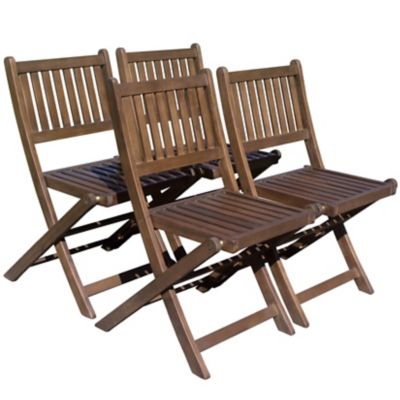
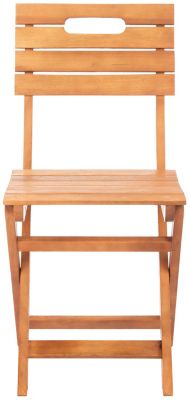
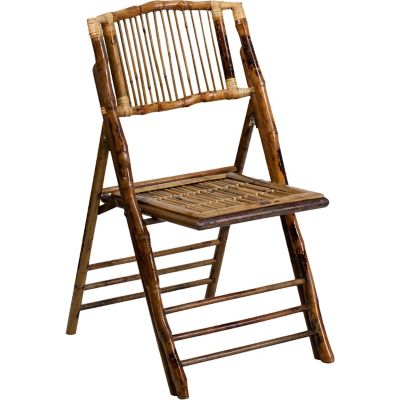
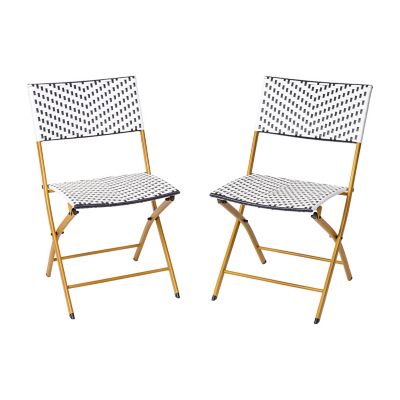
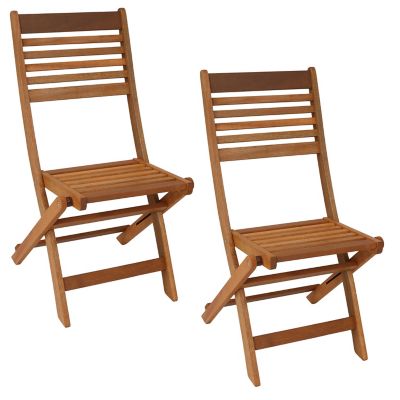
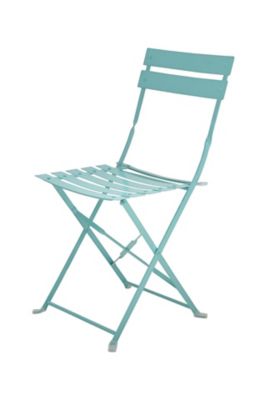
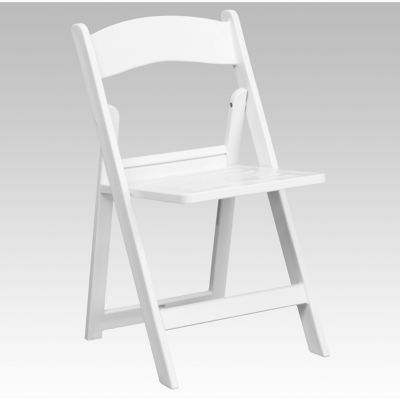
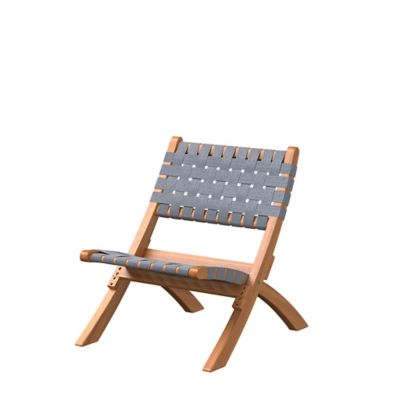
Materials affect how foldable outdoor dining chairs feel, how much they weigh, and what kind of attention they need over time. Steel frames can provide a solid feel at the table, while aluminum frames often make carrying chairs between a shed and patio less of a chore. Powder-coated metal has a protective surface finish, but scratches, worn joints, and exposed hardware still deserve attention because protection depends on the condition of that finish. Aluminum resists rust, though its finish and fasteners still need care. Sling seats stretch fabric across a frame, creating a supportive sitting surface without a separate seat cushion. Open-weave sling materials allow airflow and can shed water more readily than thick padding, with drying time depending on the fabric and construction. Textilene, a vinyl-coated polyester material, is one option found in outdoor seating; the care directions remain the best reference for cleaning any particular fabric. Wood brings a different feel, with visible grain and slatted construction that suit a porch table or backyard eating area. Teak and acacia are common outdoor furniture woods, but wood species, finish, joinery, and exposure all influence upkeep. Even woods known for moisture resistance benefit from appropriate cleaning and care, and natural color can change with exposure. Molded plastic seats and backs offer another approach, often with surfaces that wipe clean after a meal. Their strength, weight limits, and resistance to sunlight depend on the material and construction rather than appearance alone. For comfort, a slightly shaped seat or a supportive back can matter more than extra padding. Cushions add softness, but their dimensions need to match the chair, and their ties or straps should stay clear of the folding mechanism. A cushion that hangs over the front edge can bunch beneath the legs, while one that is too thick may raise the sitter awkwardly above the table. Thoughtful material and fit choices help make the seating comfortable through a full meal, not just a quick sit.
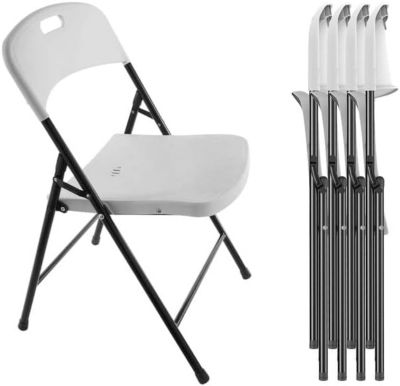
The folding design is what makes these chairs especially handy in places where space does double duty. A porch can hold the dinner crowd, then open back up for walking through with feed buckets or carrying groceries inside. Folded dimensions tell more about storage needs than the open size alone: thickness, height, and any projecting arms determine whether a chair fits behind a door, along a garage wall, or in a shed corner. Carrying weight matters, too, particularly when several chairs travel from storage to the table for every gathering. A comfortable grip and a folding action that moves without binding can make that routine easier. Before anyone sits down, the frame should be fully open and any locking feature engaged according to the manufacturer’s directions. Fingers, cushion ties, and table linens need to stay clear of hinges during folding. Assembly requirements vary, so the product details should spell out whether setup involves anything beyond opening the frame. For homes where spare seating also moves inside for meals or gatherings,
Indoor Outdoor Folding Chairs can help connect those needs, with attention to floor-safe feet and the intended setting. Routine care is usually simpler when crumbs, spills, and dirt are removed before they collect around joints or settle into fabric. Cleaning methods should follow the chair’s material and finish instructions, with thorough drying before folded storage. Hinges and fasteners deserve an occasional check for looseness, corrosion, or wear, and a chair with damaged parts should stay out of service until properly repaired. Storing seating in a dry, sheltered spot helps protect finishes and keeps it ready for the next meal. For someone setting up a first porch, furnishing a small patio, or making room for visiting family, folding dining seating can also be a practical gift when table height, carrying needs, and storage space are known. The best fit earns its place through ordinary moments: breakfast outside, supper after chores, and one more seat pulled up when company stays to eat.