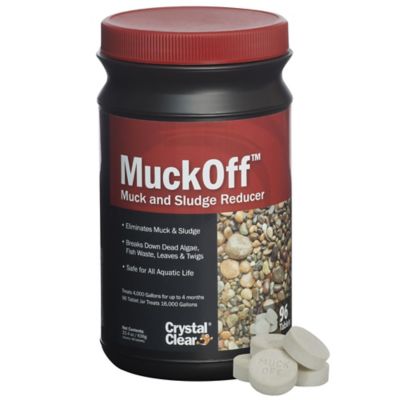
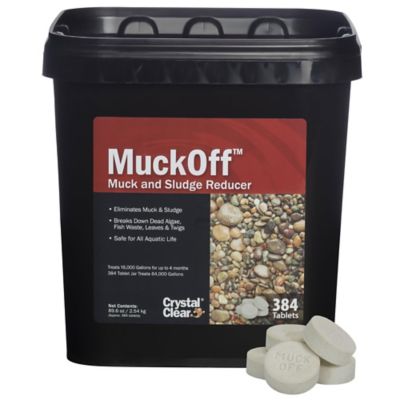
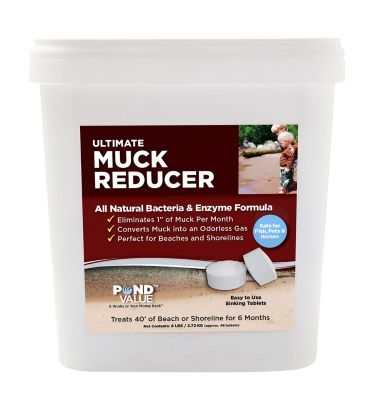
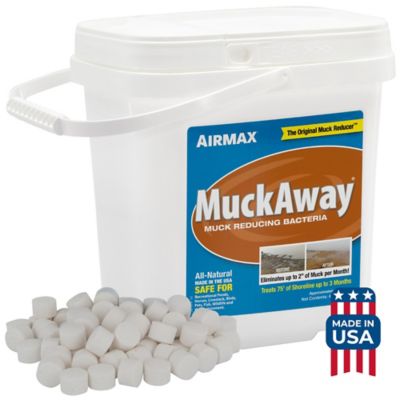
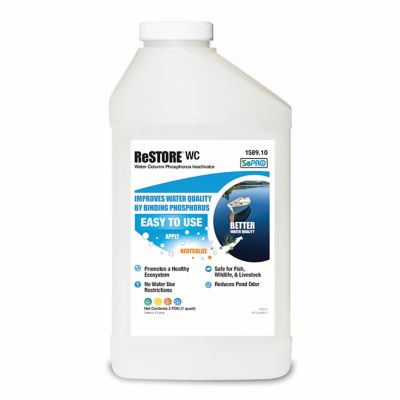
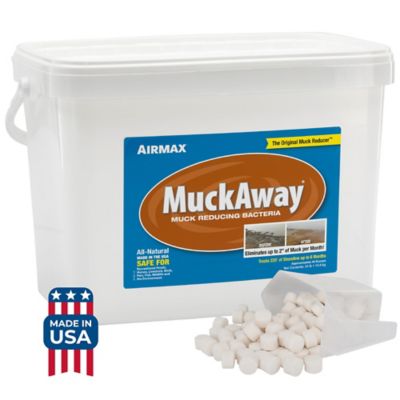
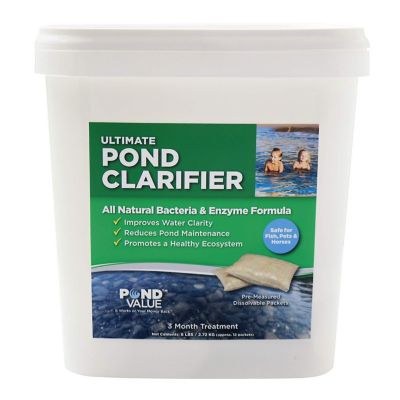
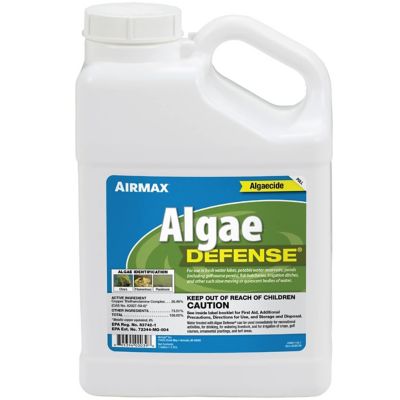
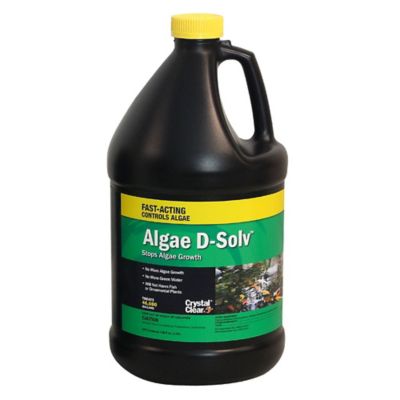
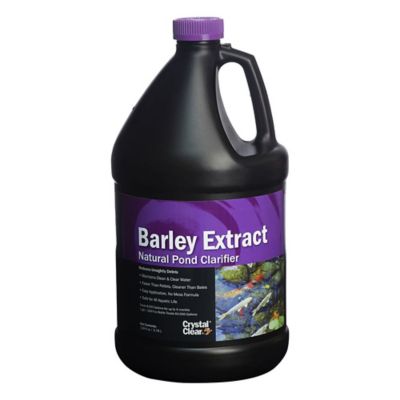
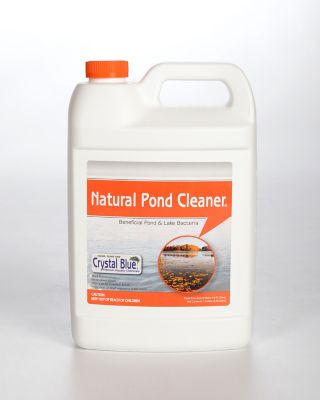
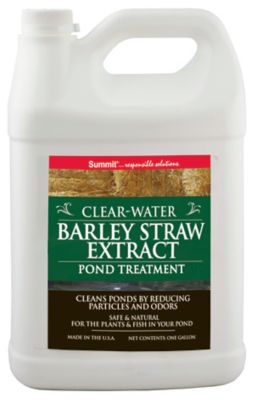
The soft, dark layer beneath a pond can build from fallen leaves, grass clippings, fish waste, leftover feed and other organic material that settles to the bottom. Pond sludge treatments target that buildup, often called muck, as part of regular pond maintenance. For folks tending a farm pond, managing a fishing spot or caring for a backyard fish pond, the goal is usually to reduce accumulated organic matter without draining the water or disturbing the entire bottom. Many formulas contain beneficial bacteria, while some also include enzymes that help break down organic material into components those microbes can process. The ingredients and intended application vary, so a treatment meant for a small landscape pond may not suit a larger body of water. These products also have limits worth understanding before choosing a formula. Organic muck is different from sand, gravel, clay or sediment carried into the pond, and a biological treatment does not remove those mineral materials. A firm, sandy bottom with a little leaf litter presents a different situation from a feeding area covered in soft waste or a shallow cove holding years of decomposing vegetation. Sludge treatments are also different from algae-control products, even though excess organic matter can contribute nutrients to the pond. A formula intended to break down bottom debris should not be expected to address every cause of green water, floating growth or unpleasant odors. Looking at the source and location of the buildup helps narrow the choices to products suited to the actual job. Pond size, bottom conditions, fish populations and the way the water serves the property all matter. A pond where cattle have access calls for careful attention to livestock-related label restrictions, while a backyard pond with koi calls for clear information about fish compatibility. Those details matter more than a broad promise of a cleaner pond, especially when the water supports several activities around the place.
Pond sludge treatments come in several forms, including sinking pellets or tablets, powders and liquids. Depending on the formula, sinking treatments can deliver ingredients near the bottom, which may make them a practical fit for areas where organic debris collects. Powdered and liquid formulas have their own application directions and may be intended for broader distribution or for a particular pond setup. The form alone does not tell the whole story: concentration, coverage, treatment frequency and label requirements determine how a product fits into a maintenance routine. A small container of one formula is not necessarily comparable to the same-size container of another. Coverage may be expressed by surface area, water volume or another measurement, and depth becomes important whenever the directions depend on total gallons or acre-feet. An irregular farm pond with a shallow shelf and a deep center needs more consideration than a simple length-by-width estimate. Package size and measuring requirements also affect everyday handling, especially when treatments need to reach several spots around a wide shoreline. Some applications are suited to localized buildup, while others call for distribution across a larger area; the label makes that distinction. Fish, aquatic plants and other pond life add another layer to the decision. Statements about suitability for koi, other fish, pets or livestock should come from the particular formula’s directions rather than assumptions about biological ingredients. Water that supplies an irrigation system or connects to another waterway may carry additional restrictions. Compatibility with existing pond treatments matters, too, since some chemicals can interfere with the bacteria in a microbial formula. Clear application directions, readable coverage information and straightforward storage requirements make it easier to choose a treatment that fits the pond and the person maintaining it. The best match is not simply the strongest-sounding formula, but one with directions that line up with the water, the buildup and the work involved.
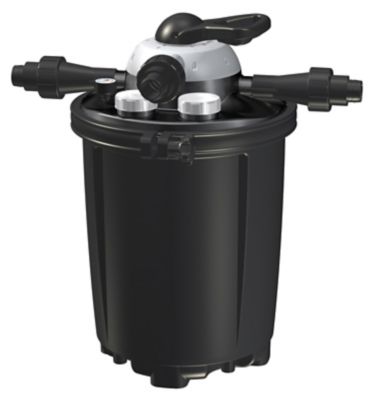
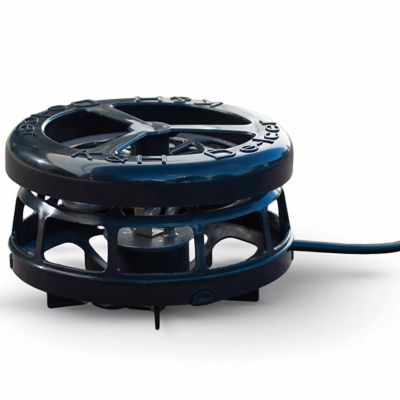
Results depend on more than what goes into the container. Microbial activity varies with pond conditions, and oxygen availability can affect how organic material breaks down. A pond with heavy bottom buildup and little circulation presents a different challenge from one with active aeration and modest debris accumulation. Pond pumps, aerators and
pond deicers serve different purposes within a pond setup; sludge treatments address organic buildup rather than replacing the work of that equipment. For a pond keeper comparing treatments, it helps to consider the whole setup, including filtration, circulation and the amount of material entering the water. Grass clippings directed toward the bank, excess fish feed and plant debris trapped around a shallow edge can keep adding to the layer below. Reducing those inputs supports maintenance efforts, while thick deposits or substantial mineral sediment may call for physical removal or advice from a pond-management professional. Biological treatments generally work over time, not as an instant way to expose a clean bottom, and the label’s treatment interval provides a better basis for expectations than changes noticed after a single application. Pond depth, shoreline access and the location of problem areas also influence how manageable an application will be. Someone maintaining a small fish pond beside the house may favor a format that is easy to measure and store, while a landowner tending a larger pond may place more weight on coverage and distribution requirements. After application, container care remains part of responsible handling. Original packaging keeps directions and restrictions close at hand, and a tightly closed container helps protect its contents from moisture or spills. Storage should follow the label and keep treatments away from children, pets and animal feed. With the right fit between formula and pond conditions, sludge treatments can play a useful role in managing the organic matter that collects beneath a favorite fishing bank, around a feeding spot or across the bottom of a well-tended backyard pond.