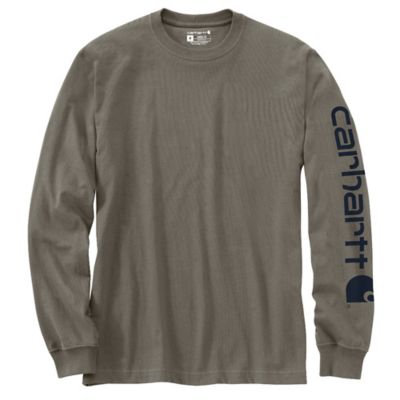
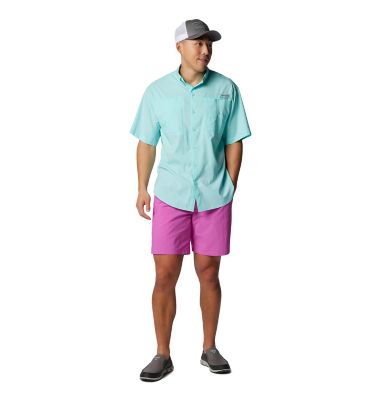
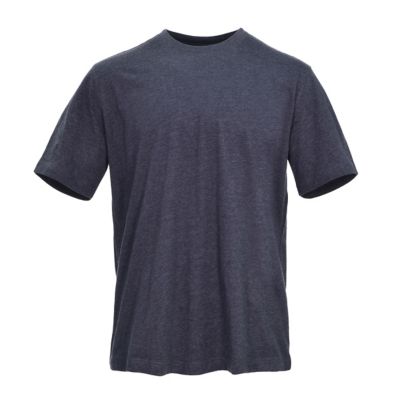
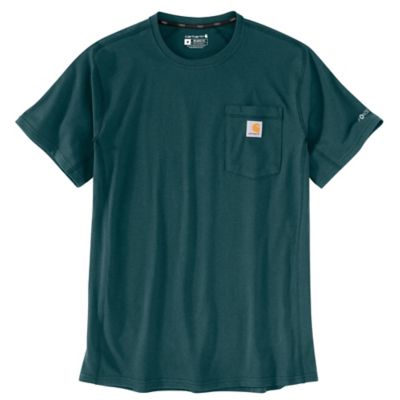
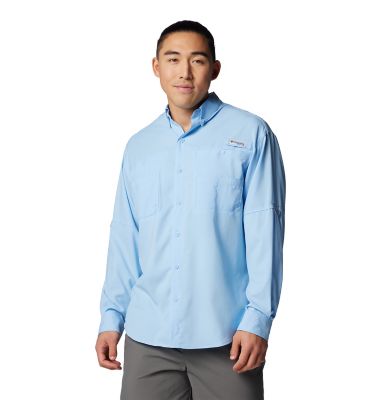
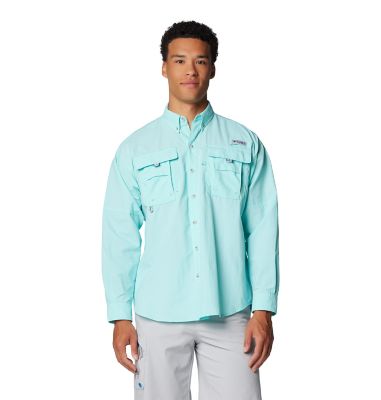
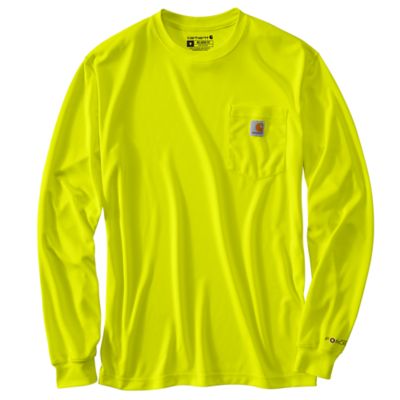
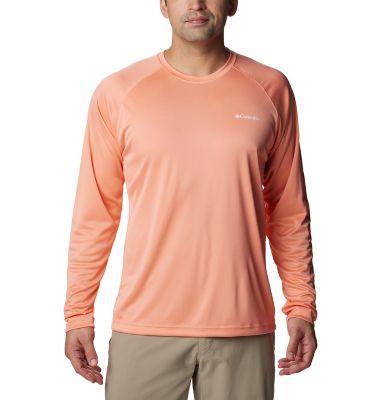
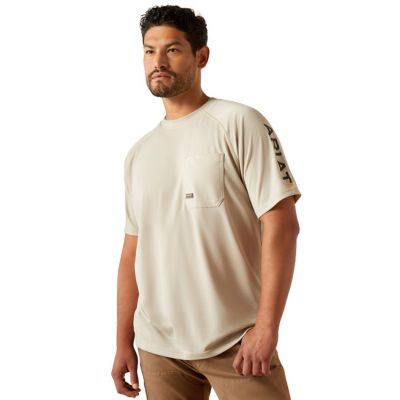
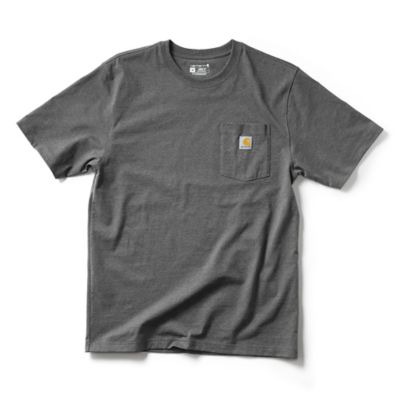
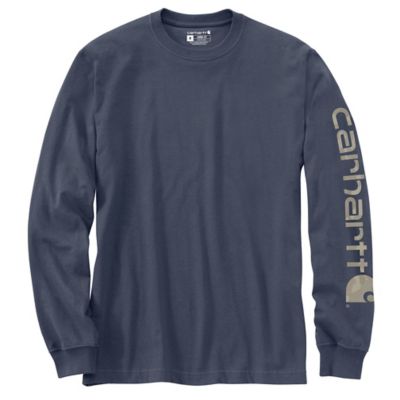
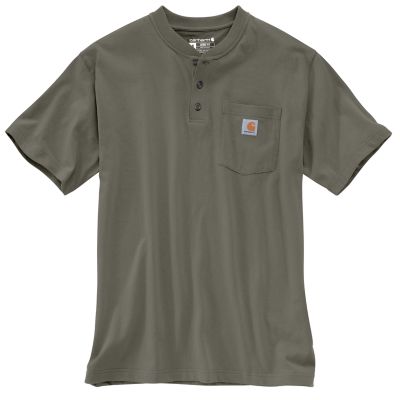
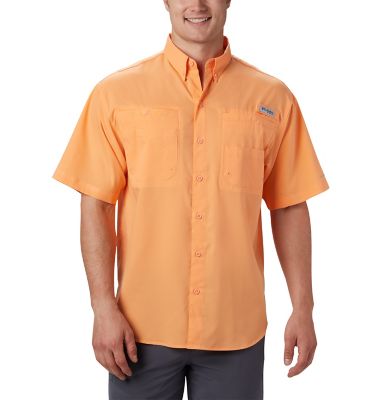
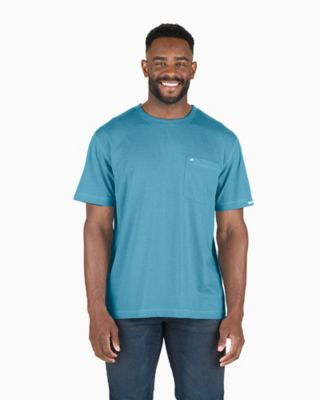
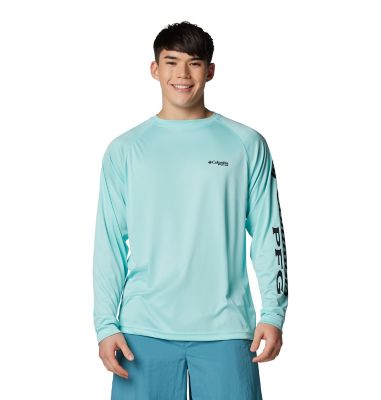
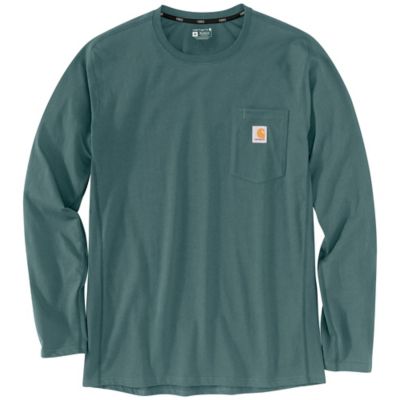
Fisherman T-shirts for men include cotton graphic tees, pocket shirts, cotton-blend styles, and performance tops made for time around the water. The right choice depends on whether the shirt is headed for a morning at the boat ramp, a few hours along the creek, or an everyday spot in the drawer. Cotton has a soft, familiar feel that suits casual wear, with a knit that bends easily when reaching for a tackle box or settling into a folding chair. It also absorbs moisture, so a cotton shirt can stay damp longer after a splash or a sweaty stretch of hauling gear. Polyester and other performance fabrics generally dry faster, while cotton-polyester blends bring together some of the feel of cotton with the easier drying and shape retention of synthetic fibers. Fabric weight matters, too. A lighter knit feels less substantial and layers easily, while a heavier tee has more body and may appeal to someone who prefers a shirt that does not cling or feel thin across the chest. Neither fabric weight nor sleeve length alone establishes sun protection. For that feature, look for a stated UPF rating in the shirt’s description or labeling rather than assuming every fishing tee offers the same coverage. Short-sleeve shirts leave the forearms free for handling line and working around gear; long-sleeve T-shirts cover more skin without adding the collar and button front of a traditional fishing shirt. A chest pocket gives sunglasses or a small folded note a place to land, though hooks and other sharp tackle belong in a proper container. For men who head from checking fence to casting off the bank, a straightforward fishing tee fits both parts of the day without calling for a change of clothes.
Fit makes a difference when a shirt has to do more than look good on a hanger. A regular fit usually leaves room through the chest and waist, giving the wearer space to bend over a bait bucket, work a landing net, or reach across a boat seat. A closer fit can sit neatly under another layer, but it should not pull tightly across the shoulders when both arms extend forward. Relaxed cuts offer more room through the body, which can feel comfortable during a long sit on the dock or a ride back from the lake. Sizing terms vary, so chest measurements, body length, and the garment’s size chart are more useful than the fit name alone. A hem that stays below the waistband when reaching overhead helps keep the shirt in place, while sleeves that finish comfortably around the upper arm leave room to move. For long-sleeve styles, cuffs should sit comfortably at the wrist without slipping down over the hands during knot tying. Fishing graphics give these practical shirts their personality. Bass, trout, offshore fish, rods, reels, and simple waterside scenes can reflect the kind of fishing a man enjoys, whether that means working a lure along a farm pond or dropping a line from a pier. Small chest prints keep the front understated, while larger back graphics make more room for fish illustrations and lettering. Solid colors and quieter prints pair easily with jeans, work pants, or shorts, and a bold design can carry the whole outfit without much else. For more shirts built around that waterside look,
Fisherman Aesthetic Tees connects the fishing theme with everyday casual style. The best match feels natural to the wearer, not like something saved only for a fishing trip. A favorite fish or a familiar scene often means more than a slogan, especially for someone whose tackle box tells the story of years spent on the same stretch of water.
Construction and care help determine how a fisherman T-shirt holds up through repeated wear. Even seams, neatly finished hems, and a neckline that lies flat are useful details to check, especially on a shirt that will see plenty of trips through the laundry. Reinforcement at the neck and shoulders can help those areas keep their shape, while a smooth interior finish reduces rough spots against the skin. A large printed design may feel different from the surrounding fabric, so print placement and coverage matter for someone who prefers a softer feel across the chest or back. Care directions should come from the garment label, since cotton tees, blended fabrics, and technical knits do not all respond the same way to washing and drying. Cotton may shrink with heat, and high dryer settings can be hard on printed graphics. Washing a graphic tee inside out and keeping rough fasteners away from the print can help limit rubbing. Stains from bait, fish handling, or lunch at the tailgate are easier to address before the shirt goes through the dryer; a stain treatment should suit both the fabric and any printed area. Performance shirts may have separate directions for bleach, fabric softener, or drying, particularly when a stated fabric treatment is part of their design. For a gift, the most useful starting points are the recipient’s usual size, preferred fit, and favorite kind of fishing. A father who spends his free time chasing largemouth bass may appreciate a different graphic than a brother who talks about nothing but the next saltwater trip. A pocket tee suits a man who already reaches for that style, while a simple fish graphic can work for someone who likes the connection without a lot of lettering. Fishing buddies, dads, grandfathers, and new anglers can all get regular wear from a shirt that feels right and reflects their interests. Soft fabric, comfortable movement, sensible care requirements, and a design worth wearing beyond the boat ramp make a fishing T-shirt an easy part of an everyday wardrobe.