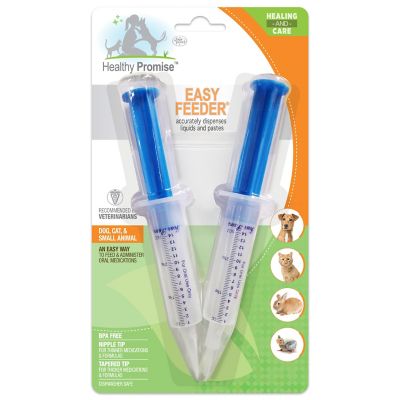
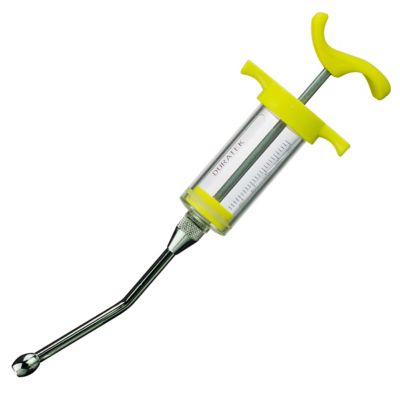
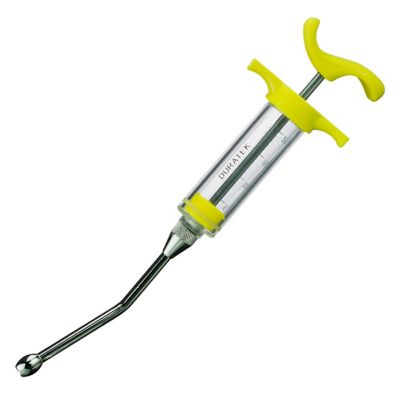
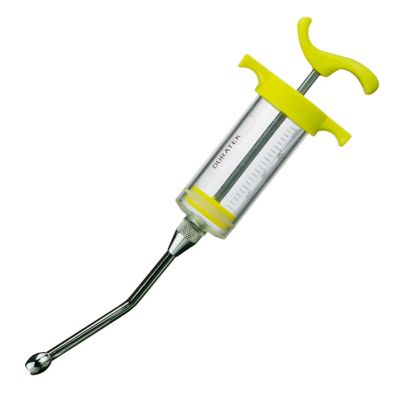
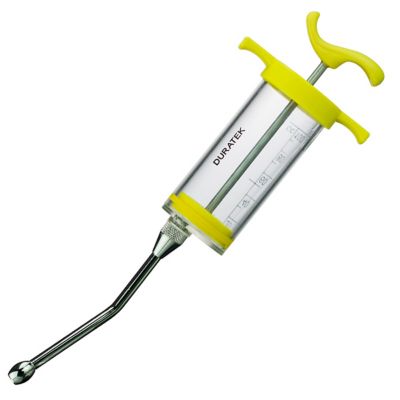
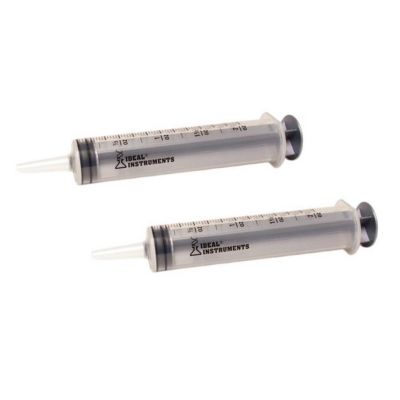
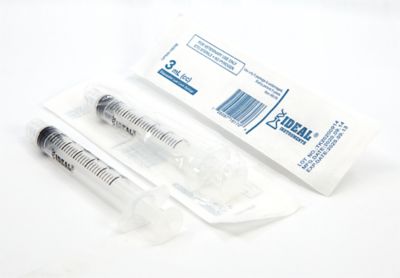
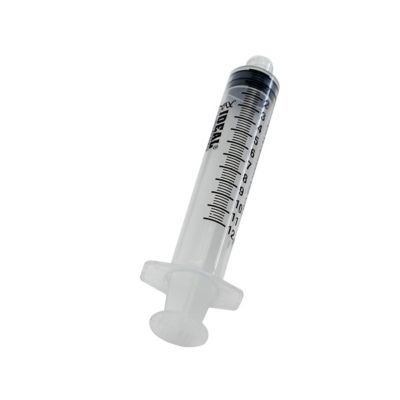
A pet feeding syringe has a small but important place in animal care, especially when a pet needs help taking a veterinarian-recommended liquid diet or supplement. Unlike a feeding bowl, this tool gives a caregiver a way to offer a measured amount through a narrow tip, with a plunger that controls movement through the barrel. That simple design can support a feeding plan for an animal recovering from illness, a young animal with special feeding needs, or an older companion that needs extra attention at mealtime. The right choice depends on more than the animal’s size. The prescribed food, its consistency, the amount needed at each feeding, and the animal’s ability to swallow all matter. A small cat resting in a carrier and a large dog stretched out on a kitchen blanket may need very different barrel capacities and tip shapes. Syringe feeding is not a substitute for finding out why a pet has stopped eating, and a veterinarian should confirm that it is appropriate before feeding begins. An animal that cannot swallow normally may need a different form of nutritional support. Within that care plan, practical details make a difference: readable measurement marks, a comfortable finger grip, and a plunger that moves smoothly can make an already demanding chore easier to manage. Pet owners, foster caregivers, and animal rescue teams may all have reason to keep feeding supplies organized alongside their everyday care essentials. Around a busy home or small farm, where morning chores can stretch from the back porch to the barn, having the right feeding tool close at hand helps keep an individual animal’s care separate from the regular feed routine. The goal is not simply to move food from a container to a pet. It is to match the tool to the animal and the feeding plan, with enough control and comfort for the person providing that care.
Pet feeding syringes differ in barrel capacity, tip opening, connection style, and construction, so a good fit starts with the directions from the veterinarian and the syringe manufacturer. A larger barrel holds more liquid, but that does not automatically make it a better match for a larger pet or a full meal. Smaller capacities may make small volumes easier to read, while a larger capacity may reduce refilling when it suits the prescribed feeding plan. Measurement increments deserve a close look, particularly when a caregiver is working with small amounts. A clear barrel allows the contents and markings to remain visible, and a broad finger flange can provide a steadier hold when hands are tired or a feeding takes extra patience. Many designs feature plastic barrels with plungers that may include a flexible seal; material information is worth checking for any stated latex content, cleaning limits, and restrictions on reuse. The plunger should fit securely and travel without sticking, since sudden movement can release liquid faster than intended. Tip shape also matters. Narrow openings suit certain liquids, while thicker nutritional mixtures may require a different feeding design approved for that purpose. A tip that looks close enough is not necessarily compatible with a feeding attachment, and connections for oral feeding, enteral feeding, and other medical purposes are not interchangeable. Oral feeding syringes are needle-free, and a syringe intended for feeding should stay separate from injection equipment. For an animal with a feeding tube, the care team’s specified connector and syringe type take priority over appearance or convenience. Mouth size and sensitivity matter, too: an oversized or rigid tip may be a poor match for a tiny patient, even if the barrel holds the desired amount. Some animals may do better with a veterinarian-recommended bottle, nipple, or another feeding method rather than an oral syringe. These differences make intended use more important than choosing by capacity alone. A well-matched syringe supports the prescribed routine without requiring improvised attachments, altered tips, or extra pressure to force food through an opening.
Care and storage are just as important as the initial selection, especially when several feedings become part of the daily rhythm. Food residue can collect around a plunger seal or inside a tip, and dried formula can interfere with smooth movement. Whether a syringe is intended for one feeding, one patient, or repeated cleaning should come from its labeling, not from how sturdy it feels in the hand. For designs approved for reuse, the manufacturer’s washing, drying, and replacement directions help protect both the tool and the animal. Heat, strong cleaners, and dishwashers are not suitable for every material. Cracks, rough edges, fading graduations, leaks, or a plunger that begins to drag are reasons to replace a syringe rather than push through another feeding. A clean, dry storage space away from loose feed, dust, and animal bedding helps keep feeding supplies ready for the next scheduled care session. In a household with several pets, keeping each animal’s supplies separate can reduce mix-ups, while a written feeding record helps different caregivers follow the same veterinary plan. Quiet handling matters as much as equipment. A calm spot away from barking, foot traffic, and clattering feed pans can make the routine less stressful, but even a calm animal should never have food forced into its mouth. Coughing, breathing changes, or trouble swallowing during feeding call for stopping and contacting a veterinarian because liquid can enter the airway. For homes that also keep a backyard flock,
Poultry Feeders serve a separate everyday feeding role; individual assisted-feeding tools belong with the supplies reserved for an animal’s specific care needs. Keeping those purposes distinct makes sense whether the feed room serves a few companions or a full round of barnyard chores. With attention to capacity, tip fit, material care, and veterinary direction, a pet feeding syringe can be a practical part of a carefully managed feeding routine.