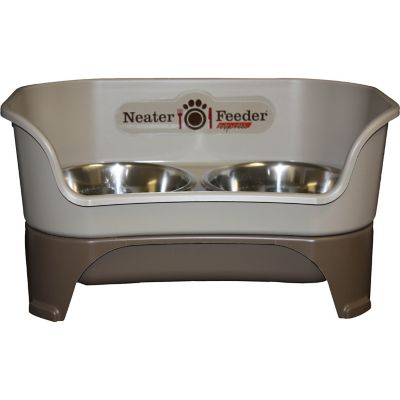
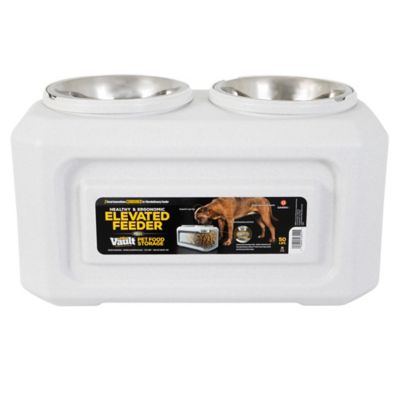
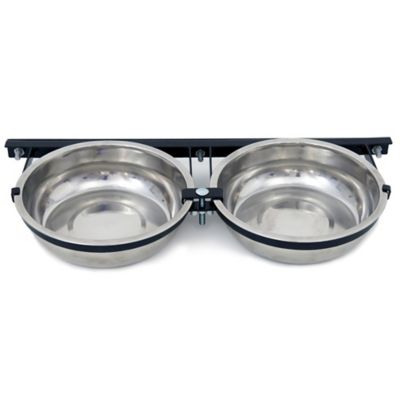
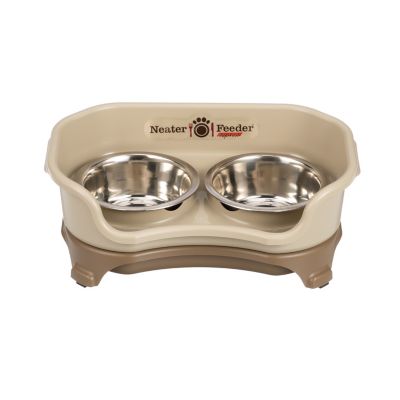
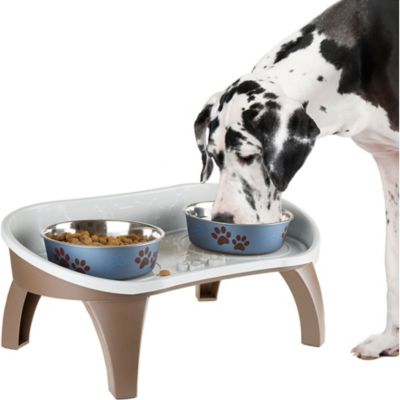
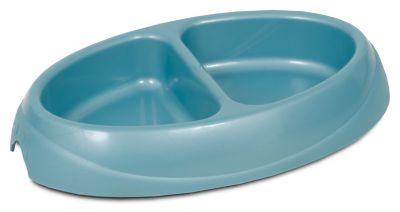
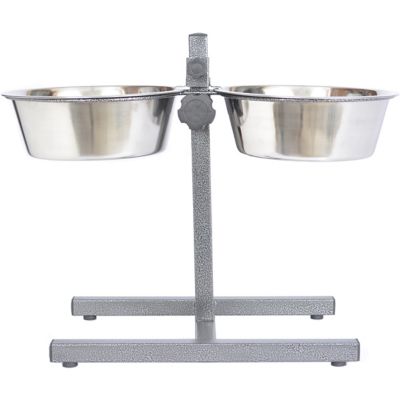
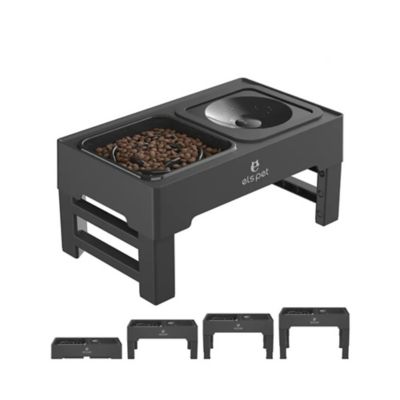
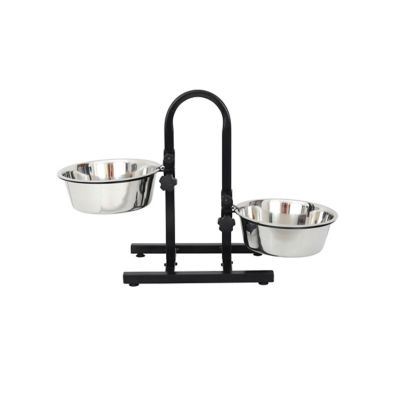
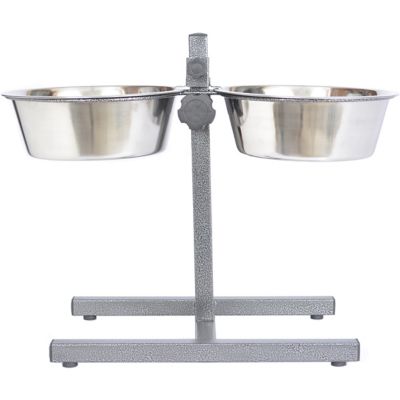
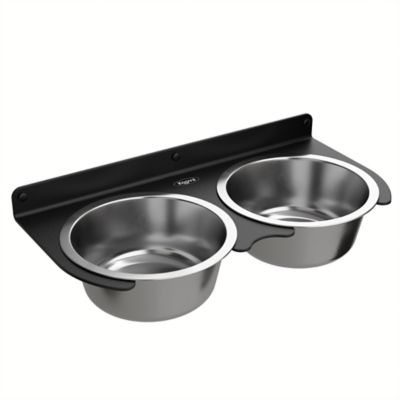
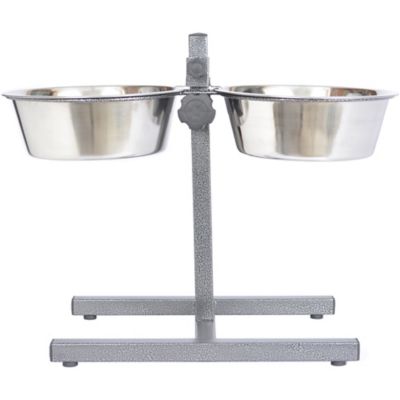
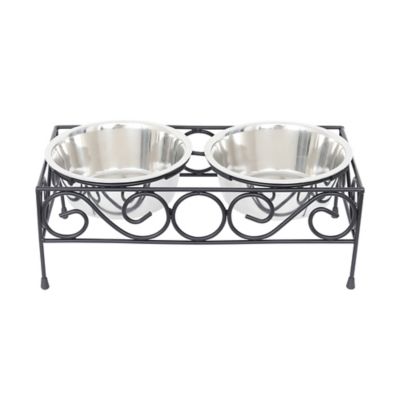
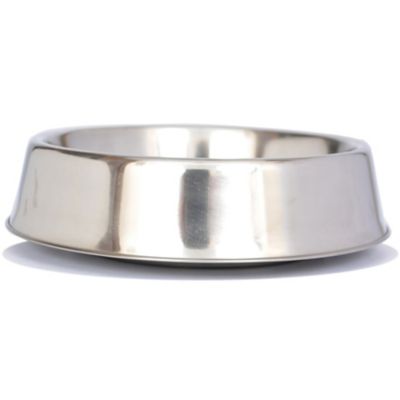
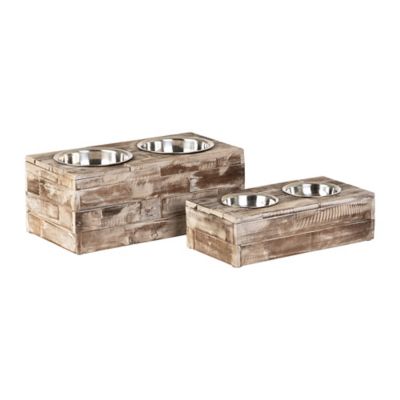
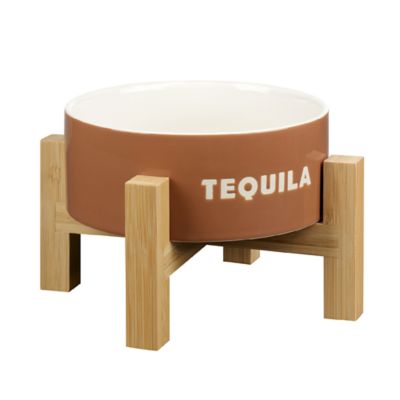
Dog feeding accessories help manage portions, keep food stored cleanly, protect floors and give fast eaters a slower way to work through a meal. They also help turn a busy corner of the kitchen, mudroom or utility room into a feeding spot that works for both dogs and the people caring for them. Bowls are the starting point, and their shape matters as much as their capacity. A broad, shallow dish may give a short-muzzled dog easier access to food, while a narrower opening can help keep long ears out of dinner. Larger dogs need room for their muzzle without having to chase kibble around a cramped dish, and puppies need a bowl they can reach comfortably. Enough capacity for a meal is important, but an oversized bowl can make a small portion harder to judge at a glance. Stainless steel offers a smooth surface that is straightforward to clean, while heavier ceramic can add weight beneath an enthusiastic eater. Ceramic needs an intact, food-safe glaze, and any bowl with chips, cracks or rough edges belongs out of the feeding routine. Plastic feeding accessories should be intended for food contact, with attention to scratches and chew marks that can make cleaning harder. Dishwasher-safe labeling is worth checking rather than assuming every bowl, base or attached part can go through the same wash cycle. A nonslip base can help reduce sliding, especially when a dog noses the bowl across a smooth floor. Feeding mats catch scattered kibble and water drips, with raised edges offering a little extra containment around the feeding area. The mat still needs to fit the space, lie flat and lift easily for cleaning underneath. For a dog that sends water across the floor with every drink, a wide mat and a stable water bowl can make the daily cleanup less of a chore. Bowls and feeding stands also need to suit the dog’s reach and stance; dogs with mobility or swallowing concerns may need a veterinarian’s recommendation about feeding position.
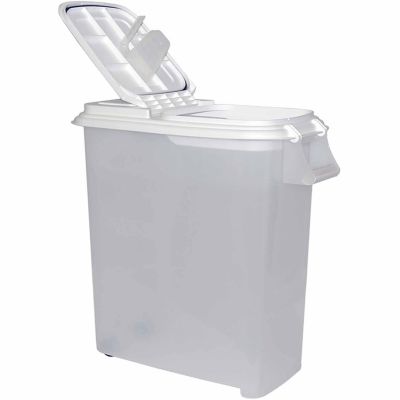
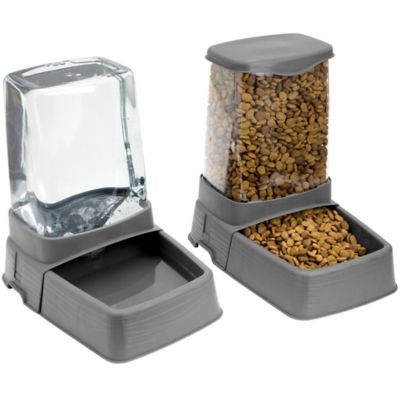
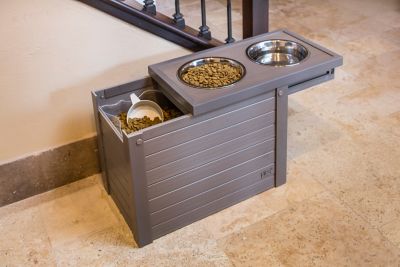
Food storage containers, scoops and measuring accessories handle another part of the routine: getting the right amount of food from the bag to the bowl without leaving a trail behind. A container’s capacity should match the food bag and the space where it will sit, whether that is a pantry shelf or a designated cabinet away from household cleaners. A lid that closes securely helps limit exposure to moisture and keeps curious noses from helping themselves, although a determined dog may still need a closed door between meals. Keeping the original food bag inside a suitable container preserves the feeding directions, lot number and expiration information while adding an outer layer of protection. Wide openings make it easier to reach the bottom without tipping the whole container, and handles can help when moving food between storage and the feeding spot. Wheels may be handy for a larger container, provided it stays put when parked. Smooth interior surfaces and removable lids make washing simpler, and containers need to be completely dry before food goes back inside. Pouring fresh kibble over leftover crumbs and oily residue can carry old buildup into the next refill, so access for cleaning matters just as much as capacity. Portion tools deserve a close look, too. A scoop is not necessarily a one-cup measure, and a rounded scoop can hold substantially more than a level one. Clear measurement markings help make meals more consistent when several family members share feeding duties. A food scale can provide portions by weight when the food’s directions or a veterinarian’s plan call for grams. Feeding recommendations depend on the dog’s age, size, activity and health, with treats counting toward the day’s intake. A clearly marked measure and an easy-to-follow household routine can help prevent the classic second breakfast when one person feeds the dog before chores and another fills the bowl afterward.
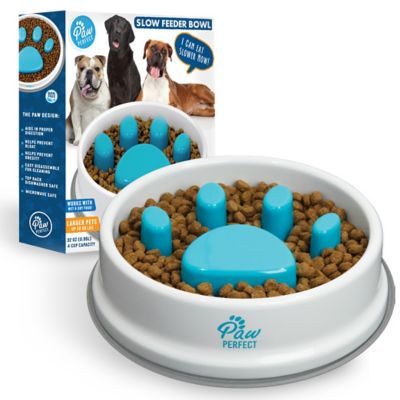
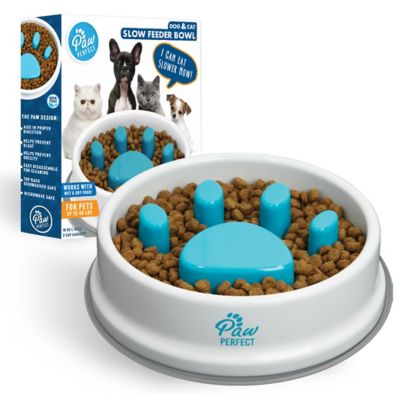
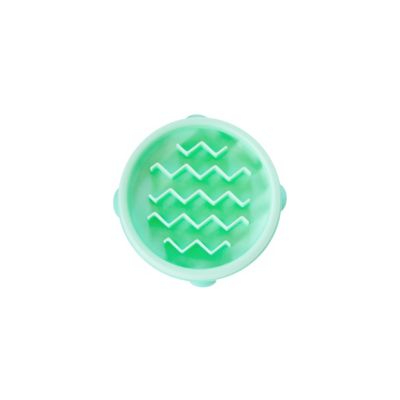
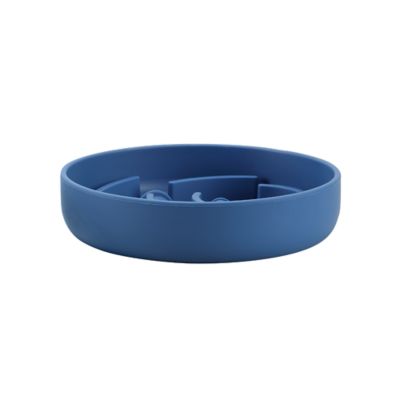
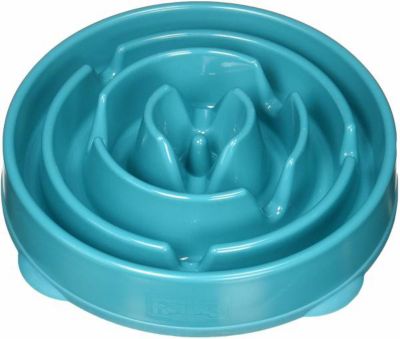
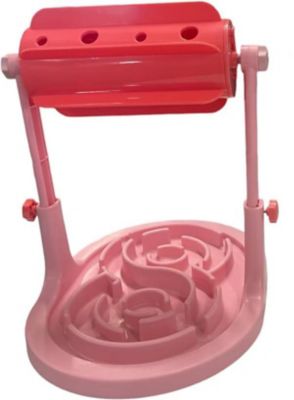
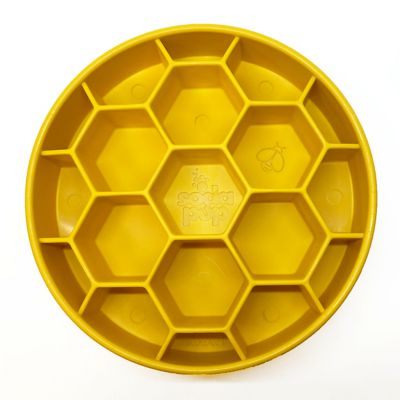
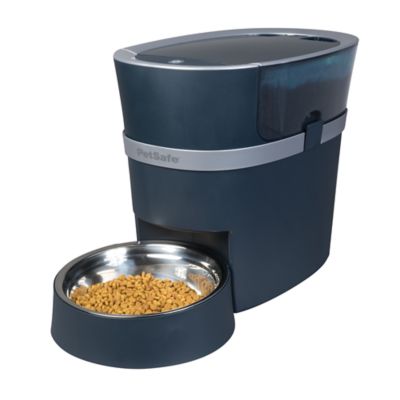
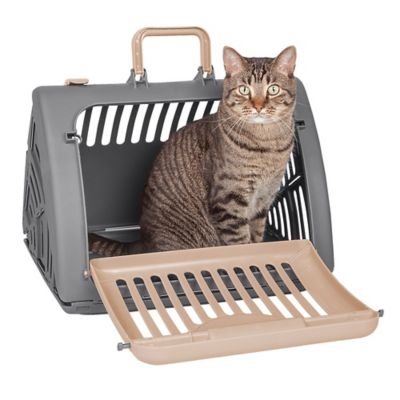
Slow-feeding bowls, puzzle feeders and treat-dispensing accessories bring a different purpose to the feeding area. Ridges, channels and compartments can make a dog take smaller mouthfuls instead of sweeping up an entire serving at once, though the layout needs to match the dog’s muzzle and level of interest. A pattern that suits a small dog may frustrate a broad-muzzled one, and deep grooves can be difficult to reach for some dogs. These accessories can add engagement to mealtime, but they are not chew toys and do not replace veterinary attention for coughing, repeated vomiting or other feeding concerns. Removable sections and open channels can make cleanup easier, especially when moist food settles into corners. Timed feeders may fit households with set meal schedules, with food compatibility, portion settings, power requirements and access for washing all worth considering. They still need regular checks and do not replace fresh water or someone keeping an eye on appetite. For rides to the farm, visits with family or time away from home, portable bowls and travel food containers help keep the feeding routine familiar. Collapsible designs take up less room, while a firm base helps a bowl stay open on the ground. Secure closures matter when a food container shares a bag with leashes, towels and other supplies. In homes with more than one dog, separate feeding spots can reduce crowding and make it easier to see who is eating what. Feeding accessories can also make a practical gift for someone welcoming a puppy or settling an adopted dog into the household, especially when sized for the dog rather than chosen for looks alone. Across everyday bowls, storage pieces and travel gear, thoughtful details make the difference: comfortable access, manageable weight, surfaces that clean thoroughly and parts that stand up to repeated handling. Bowls need washing after meals, and water bowls need daily cleaning and fresh refills. For accessories beyond the feeding spot, explore
Fall Dog Accessories.