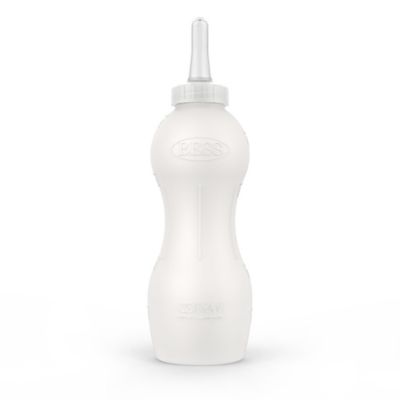
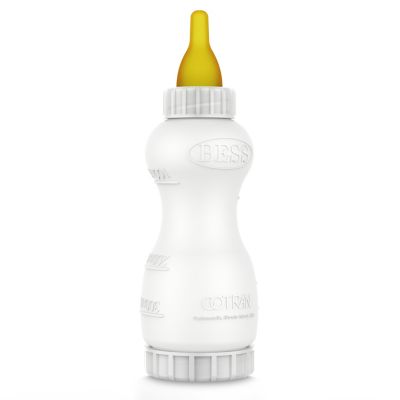
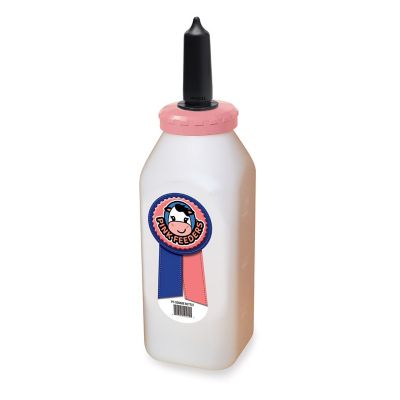
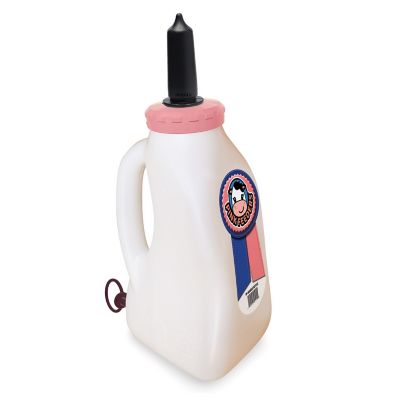
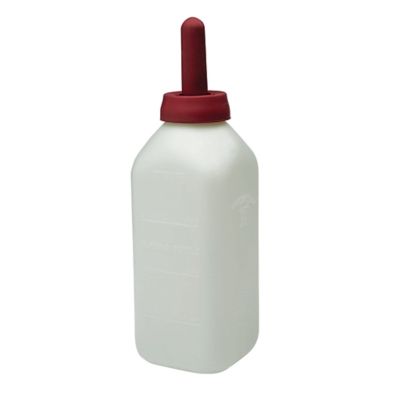
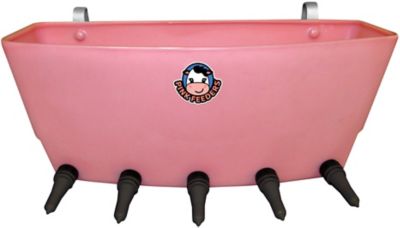
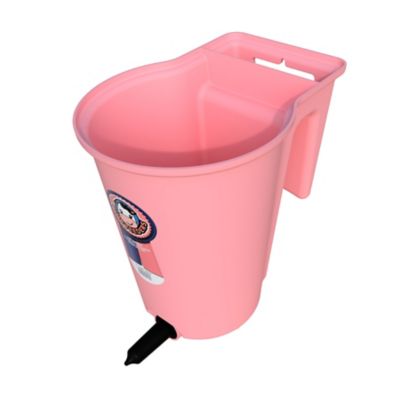
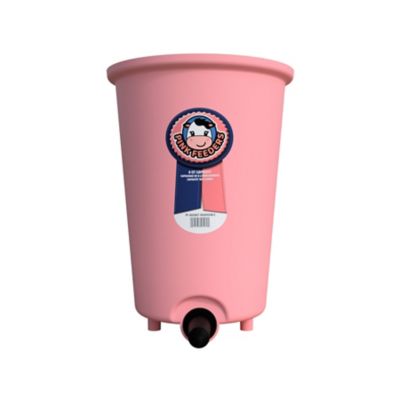
Calf bottle feeders are nursing bottles fitted with nipples that let young calves drink milk or milk replacer when nursing from the cow is not an option or additional feeding support is needed. They serve a practical role on dairy farms, cow-calf operations, small acreages, and youth livestock projects, especially when a calf is orphaned, separated from its dam, or needs individual attention. Many calf nursing bottles hold around 2 to 3 quarts, though capacities vary, and bottle size does not determine how much a particular calf should receive. Feeding amounts and schedules depend on the calf’s age, weight, health, and feeding program, with milk replacer directions and veterinary guidance helping set the plan. For everyday chores, the main differences among calf bottle feeders come down to capacity, bottle shape, nipple design, closure style, and whether the bottle is held by hand or supported in a holder. A handheld bottle keeps the person feeding close enough to notice a change in appetite, a loose nipple, or a calf struggling to nurse. A mounted bottle can make feeding more manageable once a calf is nursing well, particularly when a strong nudge makes a full bottle tough to steady. Either setup still calls for supervision and regular checks. The right fit depends as much on the person carrying the bottle through the barn as on the calf drinking from it. A molded handle can help with a full load, while a contoured body gives another way to get a firm grip. During cooler months, room for a gloved hand becomes a welcome detail. Clearly marked measurements help show how much liquid is in the bottle, and a translucent body makes the remaining level easier to see without repeatedly taking the nipple away. Those straightforward features matter at first light, when several hungry calves are waiting and the rest of the morning chores are already lined up.
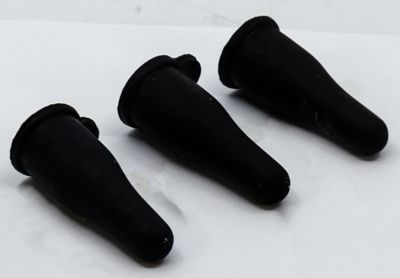
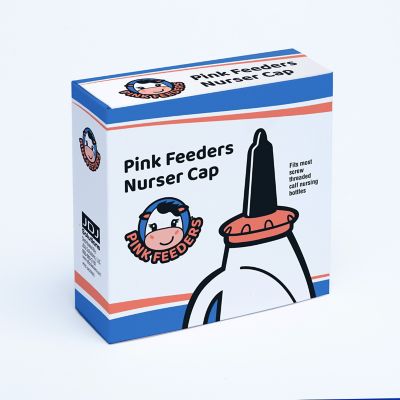
Bottle construction and nipple fit deserve a close look because these parts take regular handling, washing, and plenty of enthusiastic nudging. Plastic bottles are common for their manageable weight and ease of handling, but their care requirements and tolerance for heat can differ. Smooth interior surfaces, accessible openings, and a shape that drains readily all help make cleanup less of a chore. A wide opening gives a bottle brush more room to reach the bottom and shoulders, where milk residue can collect. Narrow corners and hard-to-reach seams need extra attention, particularly when bottles make several trips between the feeding area and wash sink each day. Rubber and other flexible nipple materials also vary in firmness, shape, and resistance to wear. A nipple should suit the calf’s ability to latch and suckle, not simply fit over the nearest bottle opening. Softer does not always mean better, and a larger opening is not a substitute for finding out why a calf is having trouble drinking. Milk flow depends on the nipple design, its condition, and any vent or valve built into the feeder. Vented designs allow air into the bottle as milk leaves, helping limit the vacuum that can interrupt flow or collapse the nipple. Some feeders include adjustable flow settings, but a setting still needs to match the calf rather than push a faster feeding. Coughing, milk coming from the nose, or difficulty swallowing calls for stopping the feeding and seeking veterinary advice. Screw-on closures and pull-on nipples offer different assembly styles; a secure connection helps limit leaks around the neck when a calf bumps the bottle. Replacement nipples, caps, and seals need to match the bottle’s attachment design and dimensions. Similar-looking parts are not necessarily interchangeable. For a farm feeding several calves, keeping compatible components together can spare a frustrating search at chore time. It also makes it easier to spot a stretched nipple, damaged thread, or missing seal before a full bottle heads out to the pen.
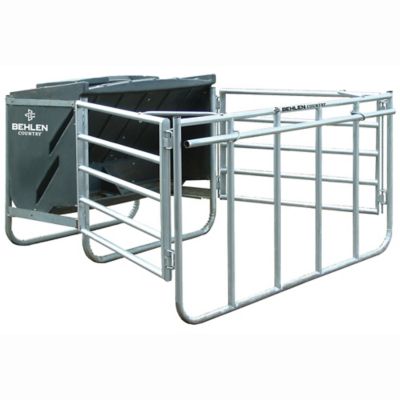
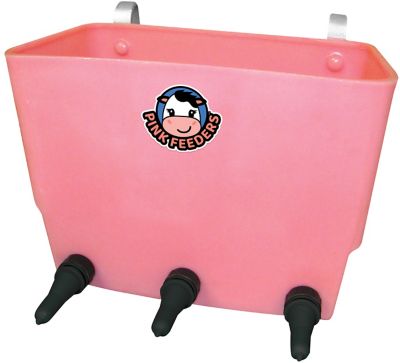
Calf bottle holders add another set of fit considerations, including bottle shape, mounting surface, feeding position, and the strength of the attachment. A holder meant for a particular bottle profile may not support a wider or taller container properly, even when both hold the same amount. Fence rails, gates, and pen panels differ, too, so the mounting method needs to suit the actual feeding space. A secure holder keeps the bottle supported without leaving sharp edges or projections where a calf can rub against them. Its position should allow a comfortable nursing posture, and the bottle should remain seated when the calf nudges upward. Mounted feeding is not a reason to leave a calf unchecked; being nearby helps catch a slipped bottle or a sudden change in drinking behavior. For households tending several kinds of livestock, calf feeding equipment may share a chore route with water buckets and
Poultry Feeders, but calf bottles and their cleaning tools belong in a separate, clean storage area away from feed dust and manure. Day-to-day care has a big effect on how well a feeder holds up. Bottles, nipples, caps, and removable valves need cleaning after each feeding according to their care directions, with disassembly where specified so hidden surfaces can be reached. Thorough drying and protected storage help keep the next feeding setup ready. Deep scratches, cracks, brittle plastic, split nipples, and closures that no longer seal are signs that parts need replacement. In colder weather, storage where components can dry without freezing is especially useful, and any warming or sanitizing method needs to stay within the material’s temperature limits. A simple bottle with accessible parts may suit one calf in a sheltered pen, while several calves can make matching bottles and an organized washing area more important. The best match is equipment that fits the animals, the barn setup, and the daily handling it will get, from filling at the sink to that last rinse after evening chores.