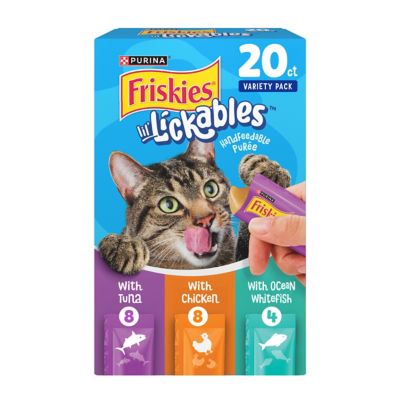
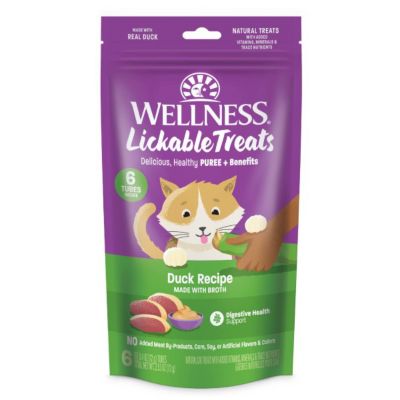
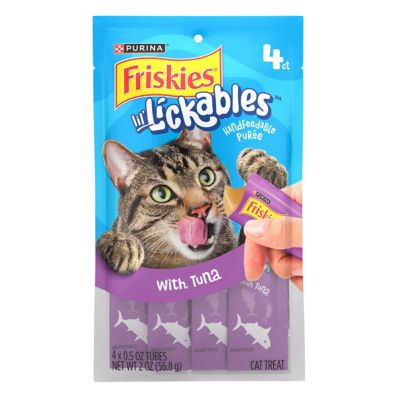
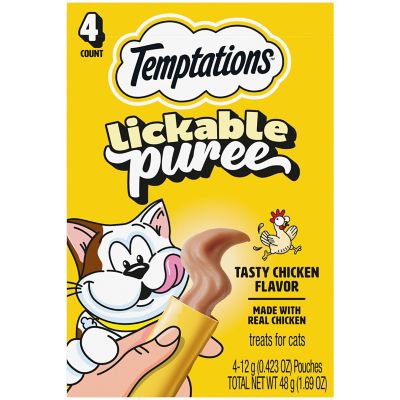
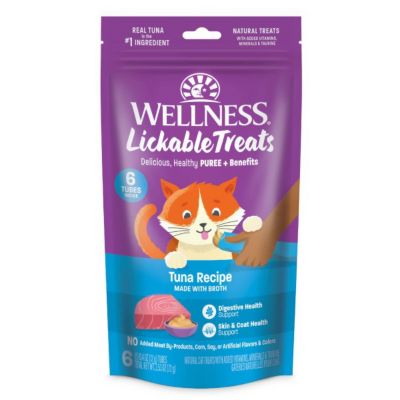
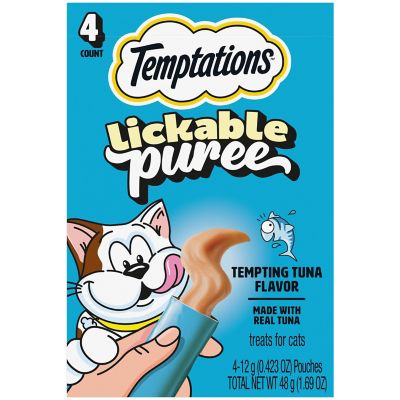
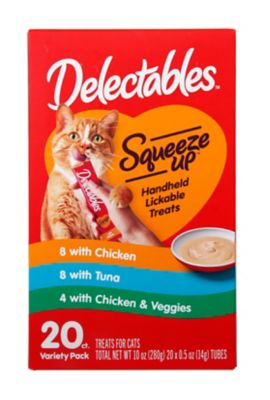
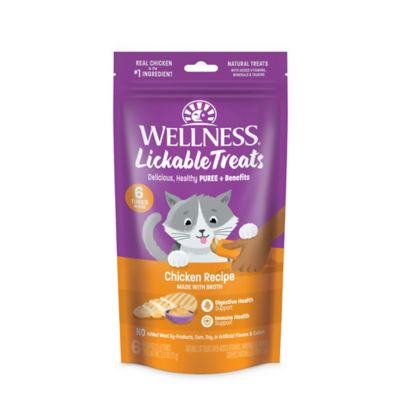
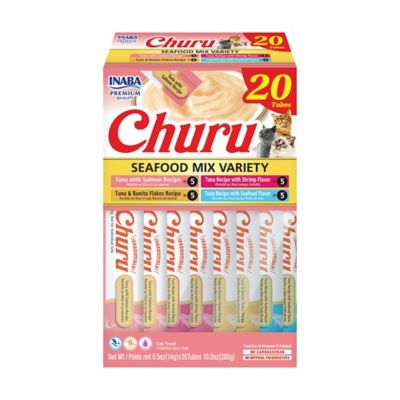
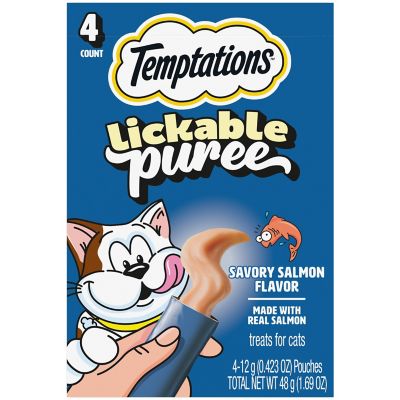
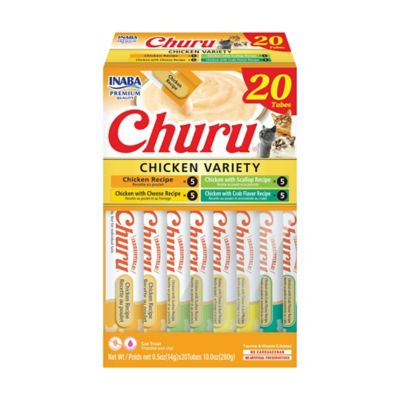
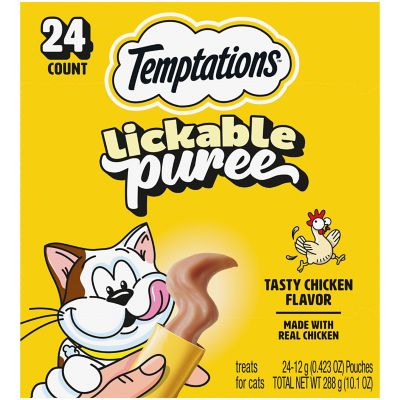
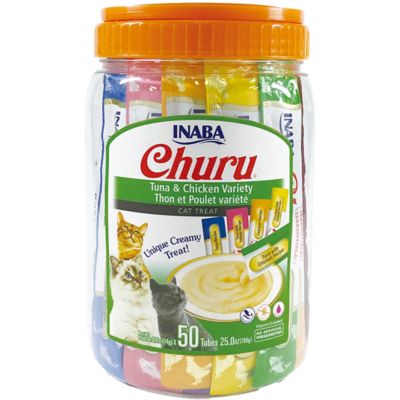
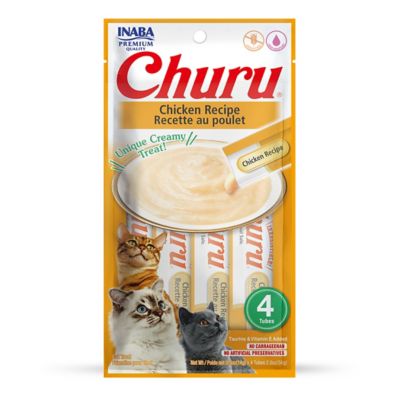
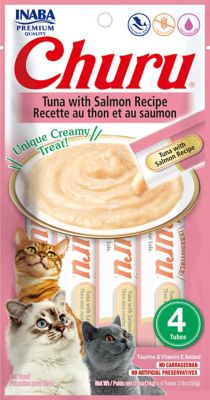
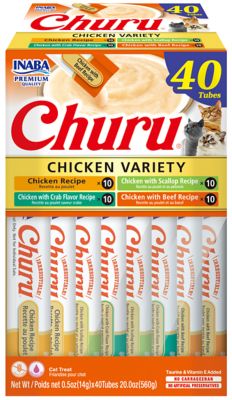
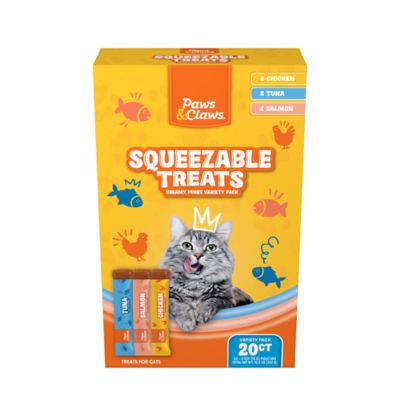
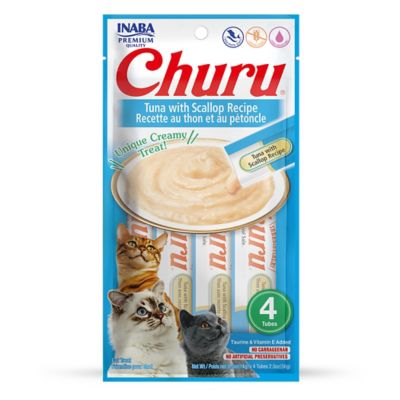
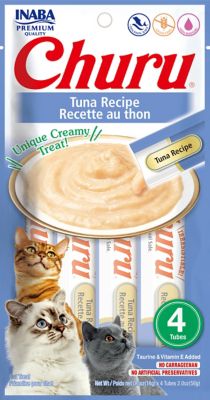
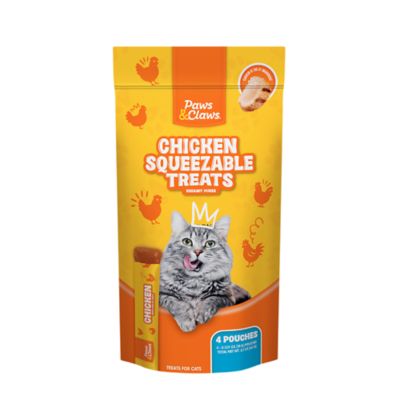
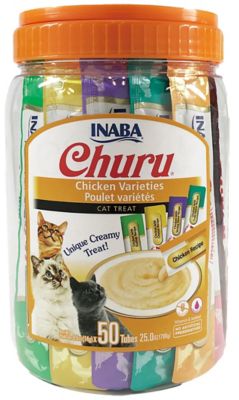
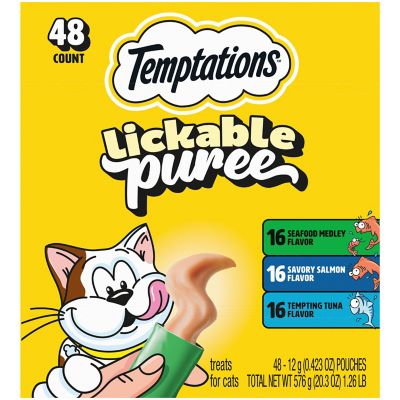
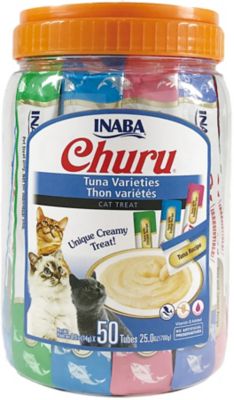
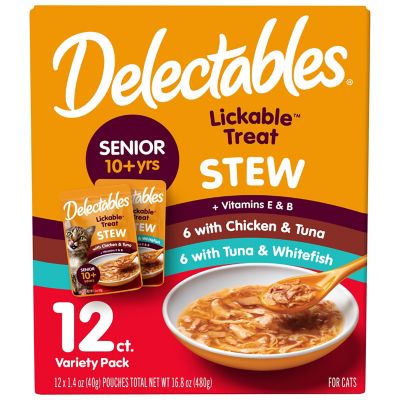
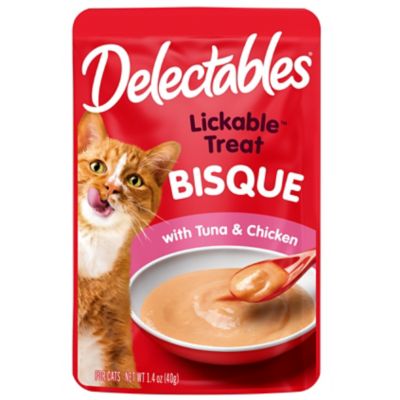
Cat treats in a tube are soft, lickable treats made with a smooth, creamy purée that squeezes out of a narrow pouch. They can be offered a little at a time for hand-feeding, served in a shallow dish, or spread over a cat’s regular food as a topper. Their moist texture sets them apart from crunchy biscuits and chewy bites, giving cats something to lap up without much chewing. Chicken, tuna, salmon, and other savory flavors are common, though ingredients and feeding recommendations vary by recipe. For a cat that comes running at the sound of a treat drawer, a squeeze tube can turn an everyday reward into a few quiet minutes together. For a more cautious cat watching from beneath the kitchen chair, a small dab in a dish offers a chance to explore without getting too close to someone’s hand. That flexibility makes lickable cat treats a practical choice for households with different feline personalities, from outgoing lap cats to reserved companions that need a little space. The high moisture content also contributes some water to a cat’s daily intake, but a treat is no replacement for fresh drinking water or a complete and balanced diet. Most tube treats are meant for supplemental or intermittent feeding rather than as a meal, so the package’s nutritional statement matters just as much as the flavor on the front. Tube size, calories per tube, and the suggested serving amount help show how a treat fits into the day. A small pouch may look like a single portion, but the right amount depends on the recipe, the cat’s size, and the rest of its food. Treats generally should account for no more than 10 percent of daily calories unless a veterinarian recommends otherwise. That total includes crunchy snacks, table tidbits, and lickable treats alike, keeping the main diet at the center of the bowl.
Texture and ingredients make a real difference when choosing squeeze-up cat treats. Some purées are thick enough to stay neatly on a spoon, while others spread more easily across wet food or between pieces of dry kibble. A smooth consistency may appeal to cats that turn away from hard treats, including some older cats, although trouble chewing or a sudden preference for soft food deserves a veterinarian’s attention. Age suitability is another detail worth checking: not every treat is intended for kittens, and feeding directions may differ across life stages. The ingredient list provides a fuller picture than a flavor name alone. A fish-flavored recipe, for example, may also contain chicken or other animal ingredients, which matters for cats with food sensitivities or a prescribed diet. Broth or water supplies moisture, while starches or gums may help give the purée its creamy body. Added vitamins or other nutrients vary by formula and do not automatically make a snack a complete food. Grain-free wording, by itself, does not establish whether a treat is the best nutritional match for a particular cat. For households weighing different snack textures and dietary features,
Healthy Cat Treats offers another way to explore treats with those everyday feeding needs in mind. A familiar protein can be a sensible starting point for a cat with established preferences, while a small taste of a new recipe gives a hesitant eater time to decide. Introducing one new treat at a time also makes it easier to notice digestive upset. Cats managing weight concerns, kidney disease, food allergies, or other health conditions may need tighter limits on ingredients and portions, so their veterinarian’s recommendations should shape the choice. A tasty food topper can add interest to a normal meal, but it should not become a way to overlook a cat that repeatedly refuses food. A noticeable drop in appetite, especially when a cat stops eating, calls for prompt veterinary advice rather than a succession of different flavors.
The appeal of a lickable treat often comes down to how neatly it fits into ordinary life with a cat. After chores are done and the house settles down, a tube offers an easy way to share a little attention without scattering crumbs across the floor. Gentle pressure on the pouch brings a small amount of purée to the opening, allowing the cat to lick at its own pace. Keeping the torn edge away from the mouth and watching for chewing helps prevent a food reward from turning into a tussle with the wrapper. For cats that grab or bite at packaging, a shallow dish or spoon is a better serving option. The wrapper belongs in the trash where pets cannot reach it, not beside the feeding bowl. These treats can also serve as rewards during short, calm practice sessions around a carrier, a brush, or gentle paw handling. A few licks after a cat voluntarily steps into an open carrier can help build a pleasant association; the treat should support a comfortable experience rather than distract from fear or force a cat to tolerate more than it can handle. In homes with several cats, separate dishes and a little distance give each one room to enjoy its portion without crowding. Package design matters here, too: an easy-to-open end, a manageable tube size, and clear storage directions all affect everyday convenience. Many tubes are intended for a single feeding, and an opened pouch should never be assumed safe to leave out indefinitely. Follow the label for refrigeration and any limit on keeping leftovers, wash dishes or feeding utensils after serving, and wipe away splashes from floors or furniture. Before opening, store tubes as directed and set aside any pouch that is leaking, swollen, or damaged. For a friend or family member with a much-loved cat, a selection of lickable treats can make a thoughtful small gift when the cat’s dietary needs are known. Whether served beside the regular supper bowl or offered during a quiet visit on the porch bench, cat treats in a tube are at their best as a modest, enjoyable addition to a steady feeding routine.