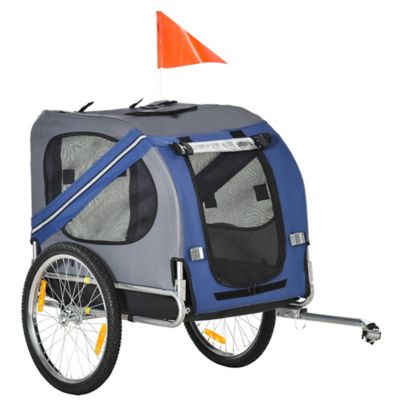
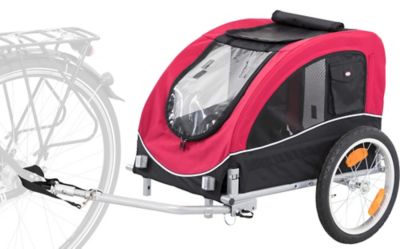
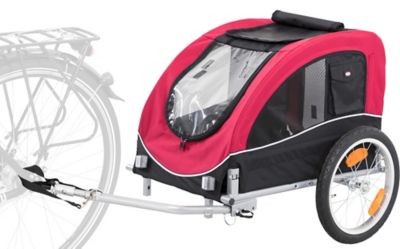
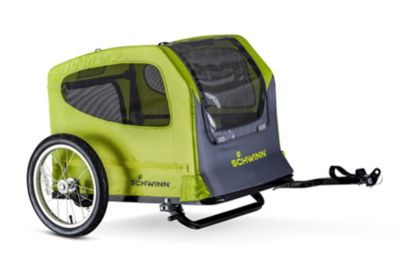
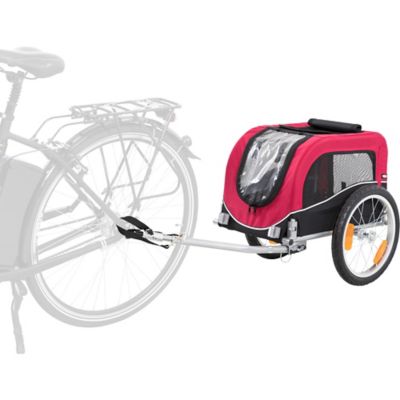
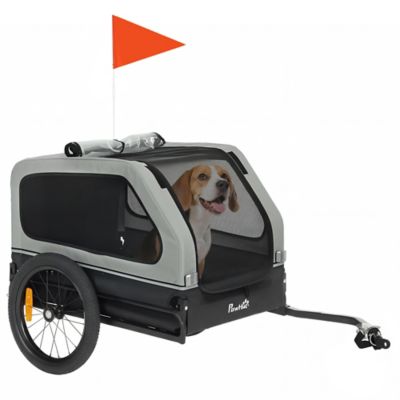
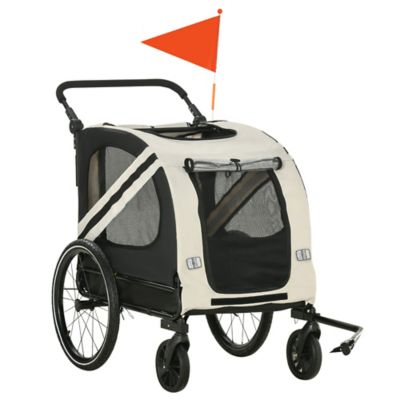
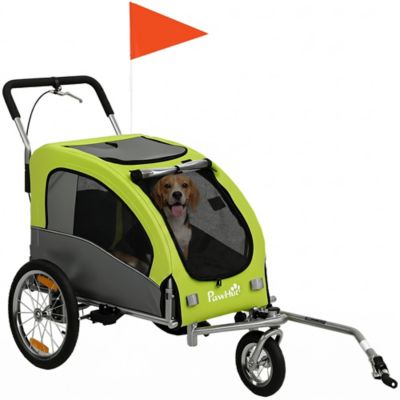
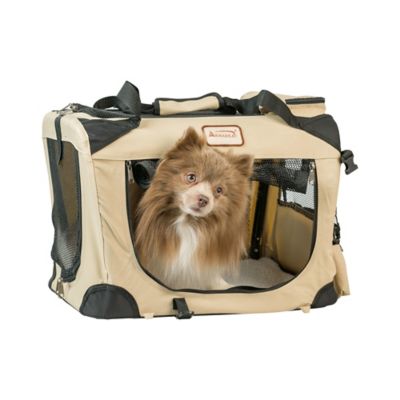
A dog bike trailer is an enclosed pet carrier that connects to a bicycle, giving a dog a place to ride while the cyclist pedals. Most designs have two wheels, a fabric cabin and mesh openings, with a tow arm and hitch connecting near the bicycle’s rear axle. These trailers let dogs tag along without having to run beside the bike, whether the outing follows a paved recreation path or a quiet lane where bicycle travel is permitted. They can suit small dogs that cannot keep pace over longer distances, older companions that tire sooner and pets that enjoy watching the passing scenery from a settled spot. For dogs with mobility limitations, a veterinarian can help determine whether trailer rides are appropriate. A trailer does not replace the walks, sniffing time and activity that fit a dog’s needs, but it can make shared outings possible at a different pace. Construction commonly combines a steel or aluminum frame with a fabric enclosure, a supported floor and screened panels. Steel frames may add towing weight, while aluminum can help keep the overall load lighter; frame design and the stated capacity matter alongside the material. Reinforced stitching, protected corners and a firm floor are worth considering for a passenger that shifts position or brings along a little grit on its paws. Fit starts with the interior dimensions, not just the maximum weight rating. A dog needs enough space to sit naturally, lie down and change position without pressing against the roof or sides. A broad-chested dog may need more floor width than another dog of the same weight, while a tall seated posture calls for additional headroom. Door size and entry height matter, too, especially for short legs or stiff joints. The weight of bedding and anything else carried inside also counts toward the trailer’s stated load limit. Carrying two dogs calls for a trailer specifically rated and arranged for multiple pets, with enough room and appropriate restraint provisions for each passenger.
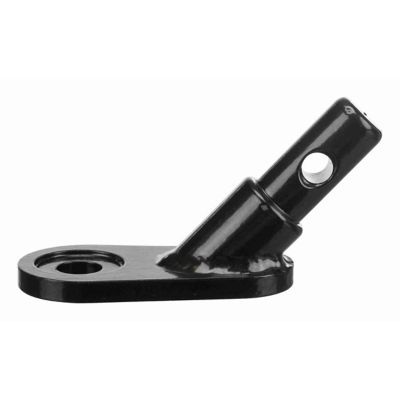
The bicycle connection is a major part of choosing a dog bike trailer, since a hitch must work with the bike’s axle, frame and manufacturer requirements. Quick-release axles and through-axles are not interchangeable mounting systems, and some setups require a compatible adapter. Disc brakes, rear racks and other fittings can also affect clearance around the attachment point. E-bike owners need to check whether both the bicycle and trailer manufacturers permit that combination and follow any towing speed restrictions. A trailer adds weight and length behind the bicycle, which changes acceleration, stopping distance and the space needed for turns. Its wheels may follow a different line than the bicycle’s wheels, making narrow gates, posts and tight path entrances important considerations. A low cabin and a properly distributed load can support stable handling, but they do not remove the need for slower corners and extra braking room. Wheel size, tire design and any suspension system influence how the trailer handles small surface changes. Air-filled tires need pressure checks within the stated range, and a trailer intended for smooth paths should not be assumed suitable for rough farm tracks or rutted ground. Inside the cabin, a nonslip floor liner can help a dog keep its footing, while a fitted pad can soften the resting surface without crowding the available space. Mesh panels provide airflow and a view outside; clear panels can help block grit and debris, but ventilation must remain open as directed. Secure door closures and an interior tether are important features for keeping a passenger contained. Any tether should connect to a properly fitted harness, not a collar, and be adjusted according to the trailer’s instructions so the dog cannot jump out or become tangled. Reflectors, a visibility flag and compatible lighting can help other path users notice the trailer, though they do not replace careful route selection. A dog should never be left unattended inside, even when the bicycle is parked.
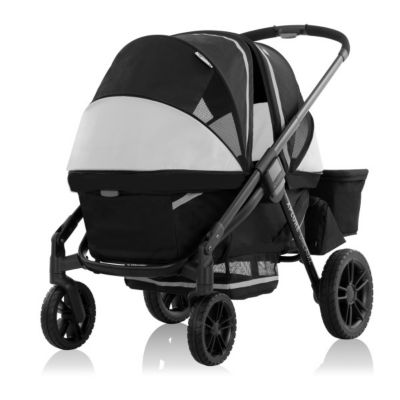
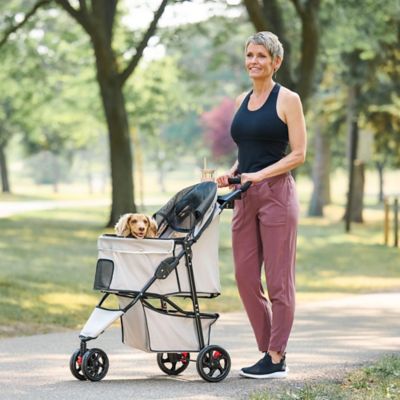
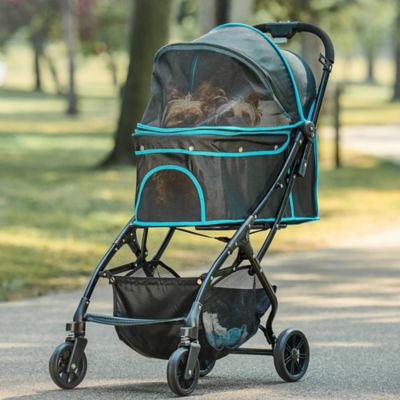
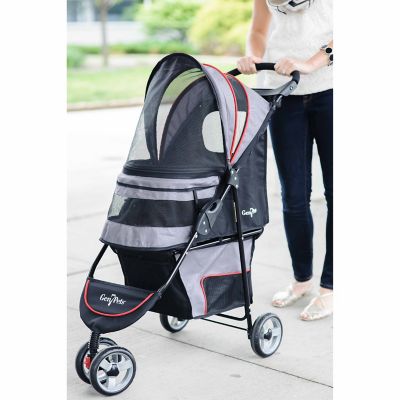
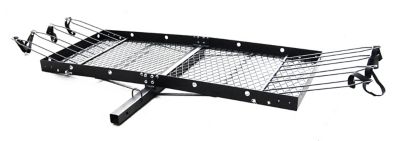
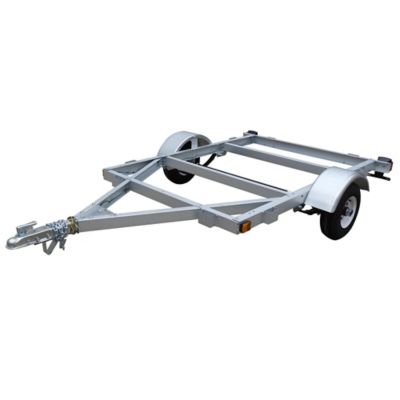
Everyday convenience often comes down to the details noticed before and after a ride. A wide opening makes loading less awkward, especially when a dog prefers to step in rather than be lifted. Some dogs settle more readily when the trailer first becomes a familiar resting spot while stationary, with the wheels secured and a favorite blanket inside. Short, calm introductions and brief initial rides give the rider a chance to watch the dog’s response before committing to a longer outing. For a dog that remains frightened or cannot settle, another activity may be a better fit. Removable liners and cushions make cleanup simpler after muddy paws, loose hair or an upset stomach, but washing directions vary by fabric and padding. Hair and dirt can be brushed or vacuumed out, fabric can be cleaned as its care label allows, and all parts should dry fully before storage. Seams, zippers, mesh, tires, wheel fasteners and the hitch deserve regular attention for wear or damage. A connection that has loosened or fabric that has torn needs attention before the next trip. Folding frames and removable wheels can help a trailer fit along a garage wall or into a vehicle, though folded dimensions are worth checking against the actual space at home. Storage pockets are handy for waste bags, a leash and a small water bowl, provided their contents stay within the load allowance and cannot reach the wheels. Some dog bicycle trailers also support stroller conversion, but only with the fittings and configuration approved for that design. Pet transport has different requirements from the hauling projects associated with
Trailer Kits, so purpose and compatibility matter more than a similar-looking frame or hitch. As a gift for a cyclist with a four-legged sidekick, a dog bike trailer makes the most sense when the dog’s measurements, the bicycle connection and the recipient’s riding routes are known beforehand. Those practical matches help turn a trailer into something that fits everyday outings, rather than another awkward piece of equipment taking up shed space.