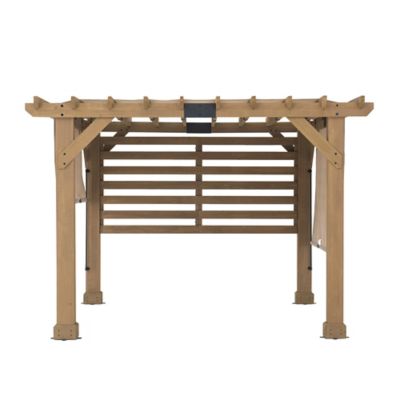
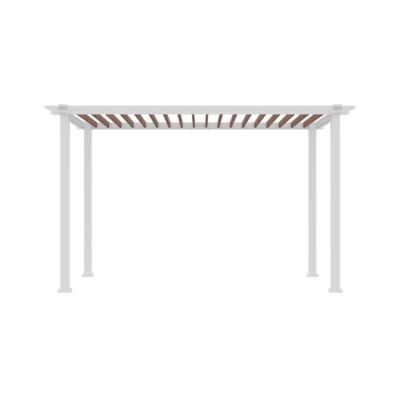
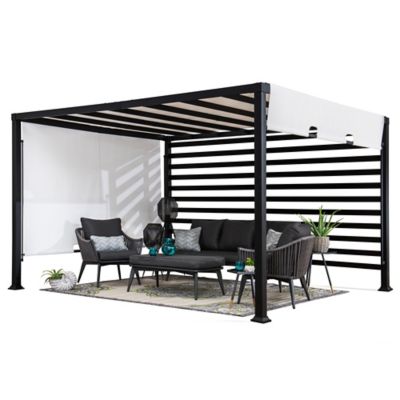
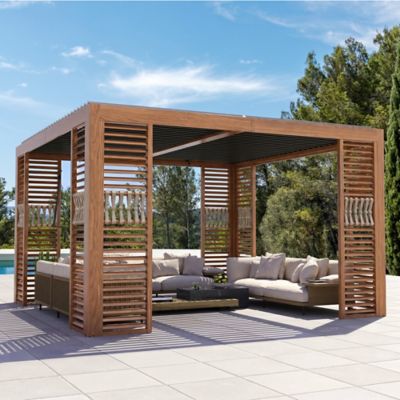
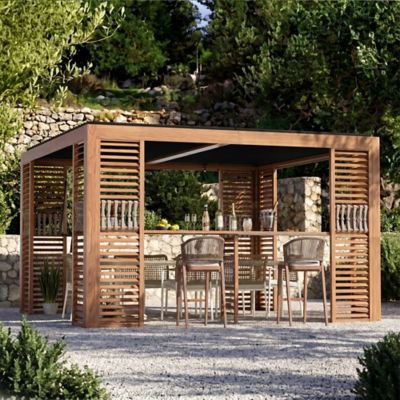
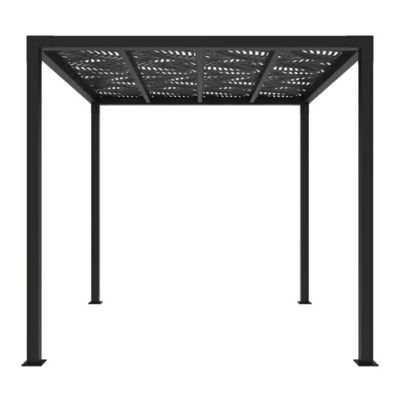
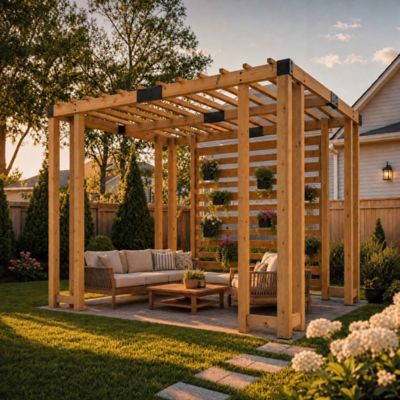
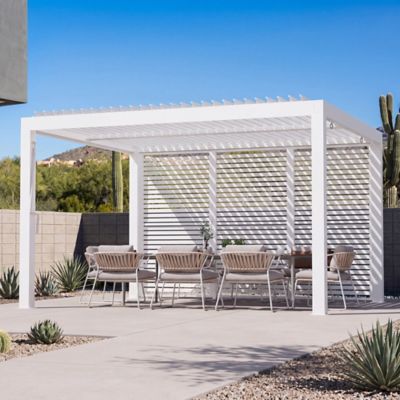
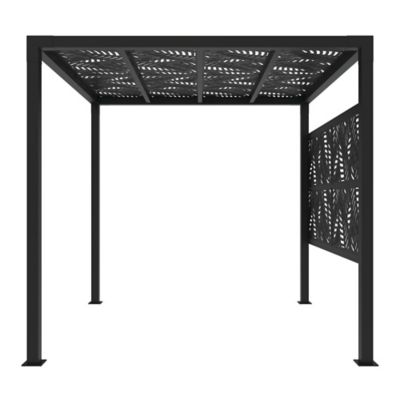
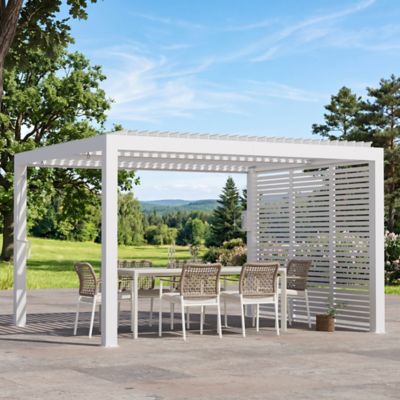
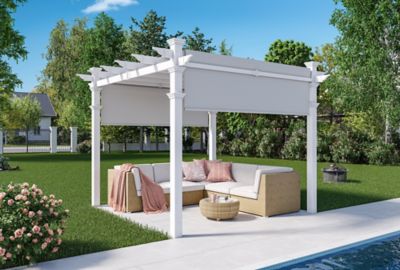
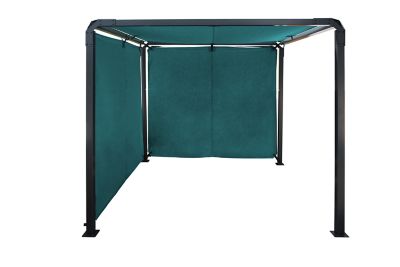
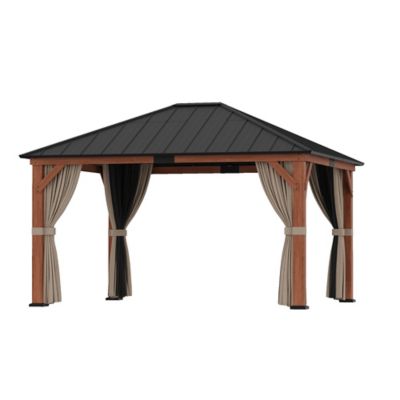
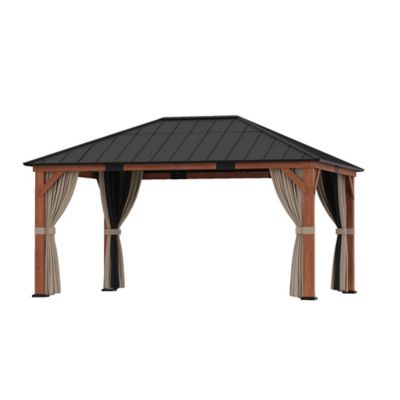
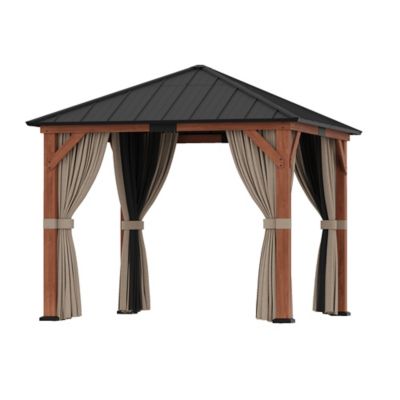
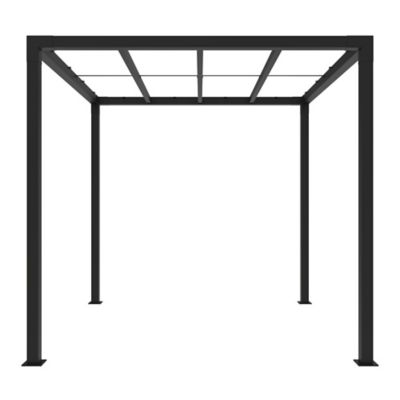
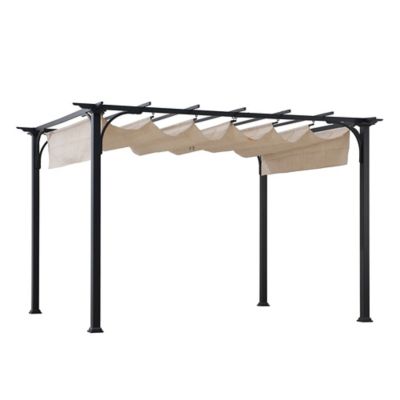
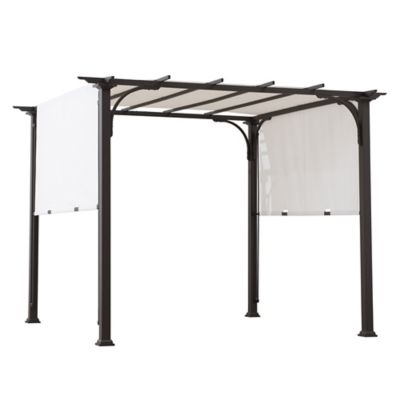
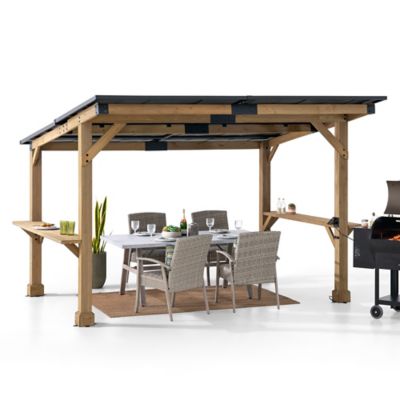
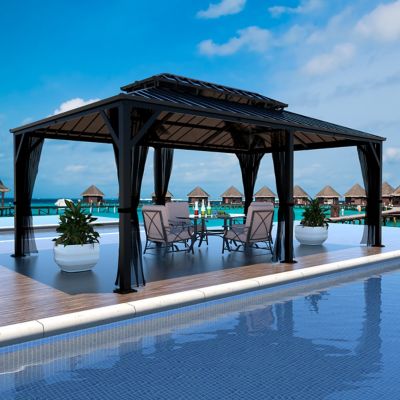
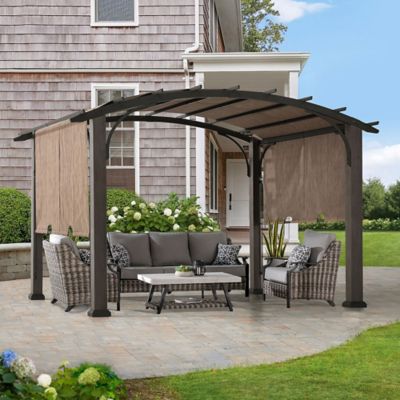
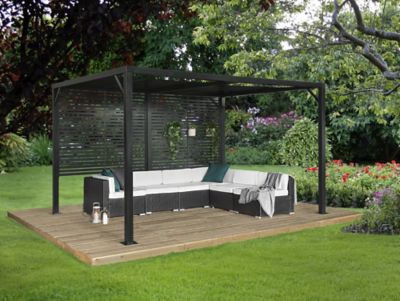
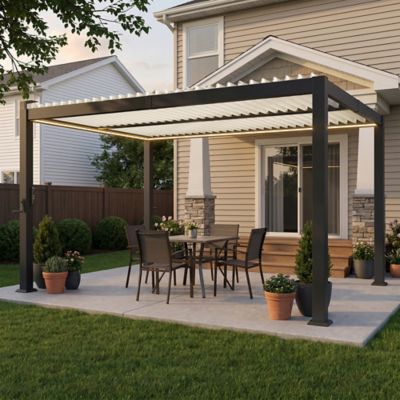
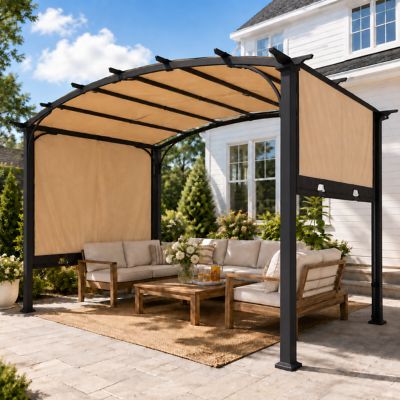
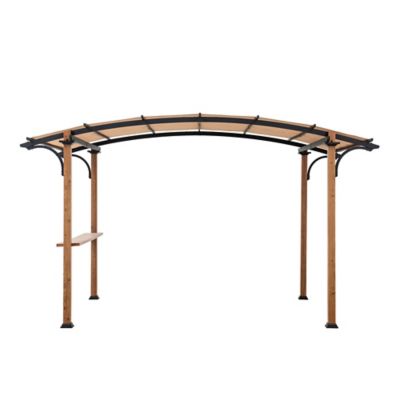
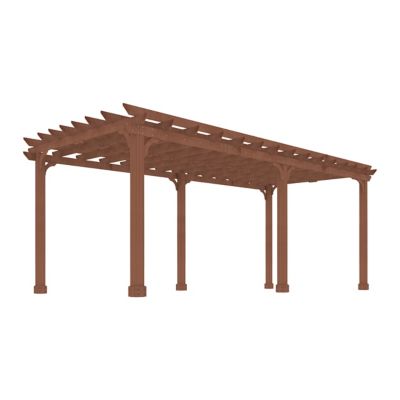
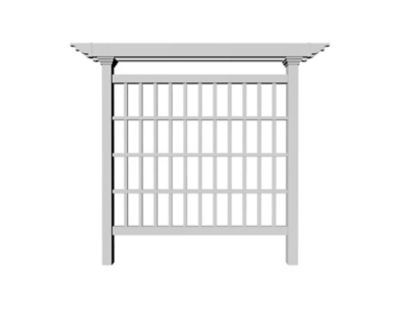
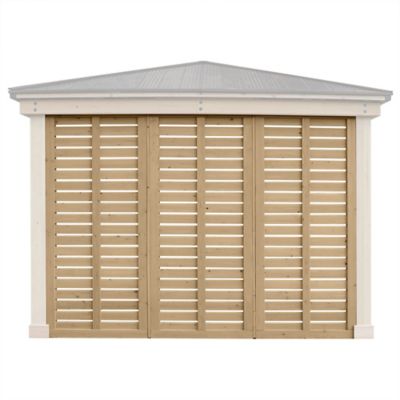
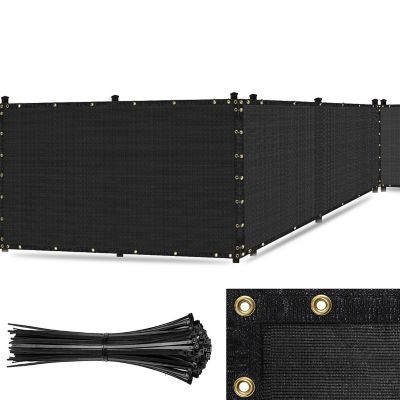
A pergola with privacy screens pairs an overhead framework with side panels, slats, or pull-down shades to limit views into an outdoor sitting area. It gives a patio, deck, or backyard gathering spot a little more separation without turning it into a closed room. That can mean a quieter corner for morning coffee beside the driveway, a dining space tucked away from a neighboring yard, or a comfortable place to sit while keeping an eye on the kids. The amount of privacy depends on the screen material, its spacing, and where it sits on the frame. Closely spaced slats interrupt sight lines while leaving gaps for light and airflow. Solid panels create a stronger visual barrier, though their height and placement still determine what someone can see from outside. Woven mesh softens the view rather than necessarily hiding it, and its openness affects how clearly shapes remain visible. Fabric curtains offer a softer look and can draw back when an open view matters more than separation. Retractable pergola screens roll away when they are not needed, while fixed privacy walls remain part of the structure. Track-guided screens help keep the screen edges contained; curtain-style panels hang and move differently, so these designs do not behave the same way. Overhead shade is a separate consideration. An open-slat pergola filters sunlight, but the screened sides do not make its top solid. Adjustable roof louvers, where part of the design, change the overhead opening independently of the side screens. A screen on just one side may be enough to interrupt a direct view from a nearby walkway. Two screened sides can make a seating corner feel more tucked in while leaving the approach open. For a family table or a pair of porch chairs, that balance between privacy and an easy, open feel often matters more than enclosing every side.
Materials make a difference in how pergolas with privacy screens look, feel, and hold up with regular care. Wood brings visible grain and a substantial look that fits comfortably beside a farmhouse, garden, or gravel path. It also calls for attention to the finish, joints, and any areas where moisture can linger. Aluminum frames tend to weigh less than comparable steel frames, while coated steel offers another metal-frame option with its own anchoring and maintenance requirements. Scratches in a steel frame’s protective coating deserve prompt attention because exposed metal can develop rust. Composite privacy slats can give a consistent appearance without the same grain variation as wood, although their installation spacing and care requirements depend on the material. Fabric and mesh screens bring a different set of considerations, including visibility through the weave, edge reinforcement, attachment points, and whether the panel can be removed for cleaning. Across all these materials, the frame, screen hardware, and mounting surface need to work together. A pergola’s listed dimensions may describe its outside footprint or roof span rather than the clear space between posts. That distinction matters when a dining table needs room for chairs to slide back or a bench needs an unobstructed path along its front. Screen housings, brackets, and tracks can take up additional room inside the opening. A deck beside the house also needs clearance for doors, steps, railings, and access panels. Freestanding pergolas carry their support through their own posts, while attached designs require an appropriate connection to the building. Neither arrangement makes the mounting details optional. Deck boards and patio pavers alone should not be assumed to provide a suitable structural anchor; the supporting surface and fasteners must meet the structure’s installation requirements. Property setbacks, permits, and clearance from utilities may also affect placement. A good fit leaves room for everyday movement, including a clear route from the back door to the yard without weaving around posts or squeezing past furniture.
The screen layout has just as much influence on everyday use as the pergola’s footprint. A fixed panel behind a bench can provide separation without putting moving parts beside the seating. A retractable side can suit a patio that serves as both a dining area and a pass-through to the yard. For a driveway-facing space, screen height and slat direction affect the view from someone walking past compared with someone sitting at the table. Angled slats may block one viewing direction more effectively than another, and gaps that seem small up close can still allow a clear view from certain positions. Lighting changes privacy, too: mesh or fabric that appears fairly opaque in daylight can reveal more when the seating area is lit after dark. A privacy screen also should not be mistaken for an insect barrier or a safety fence; those jobs require the appropriate construction and installation. Where separation is needed beyond the pergola itself,
Freestanding Outdoor Privacy Screens can help define an adjoining seating area or interrupt a sight line farther along the patio, with their own placement and anchoring requirements. Long-term upkeep depends on the materials, but accessible fasteners, removable fabric, and clear screen tracks make routine attention less of a chore. Dirt and grit can interfere with moving screens, while leaves caught around post bases can hold moisture against surfaces. Gentle cleaning that follows the manufacturer’s directions helps protect finishes and screen fibers; harsh cleaners and forceful spraying can harm some materials. Fabric panels should dry fully before storage when removal is part of their care routine. Loose hardware, frayed edges, damaged coatings, and screens that bind are worth addressing before they become bigger repair jobs. With the right combination of frame size, screen coverage, and open access, a pergola can give a busy backyard a more settled gathering place—room for supper, conversation, or a few quiet minutes without cutting the space off from the rest of the yard.