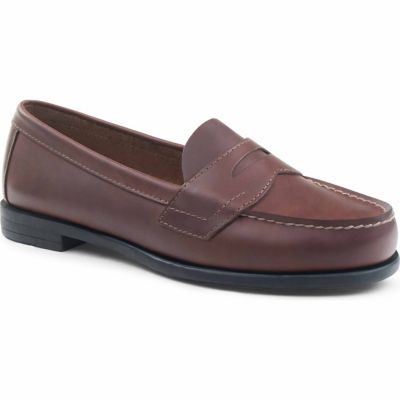
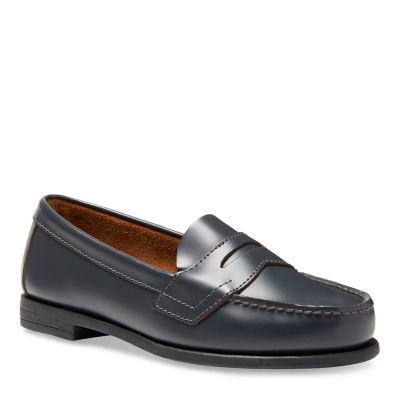
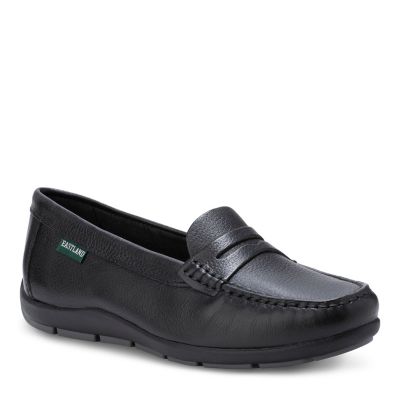
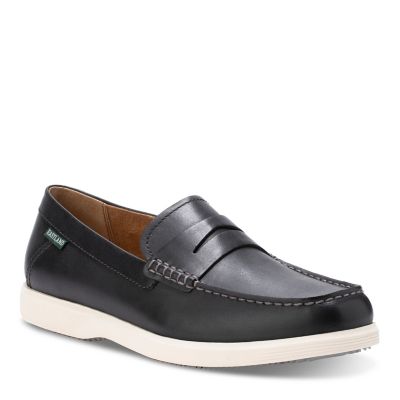
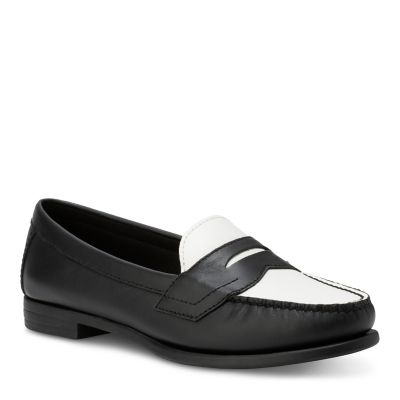
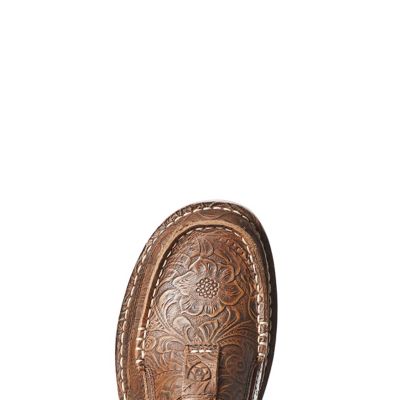
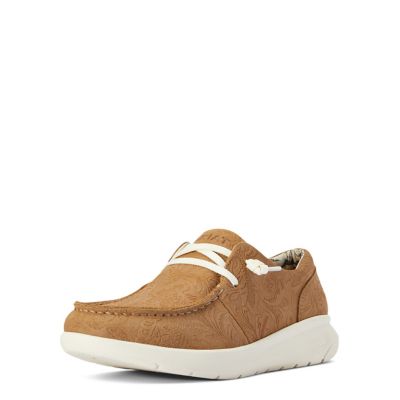
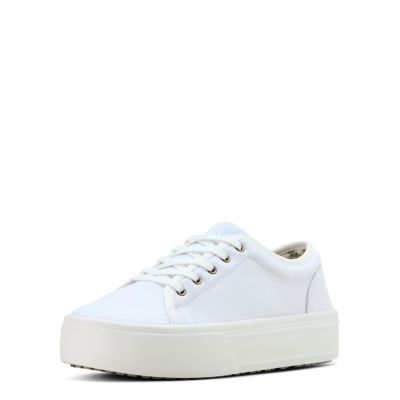
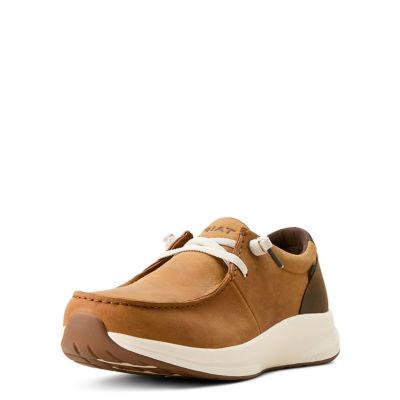
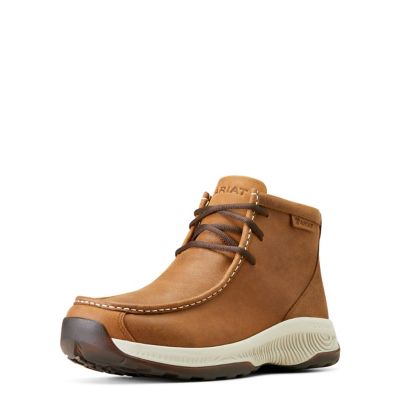
A penny loafer is a laceless slip-on shoe with a horizontal strap, called a saddle, across the top of the foot and a small, often diamond-shaped cutout in that strap. That simple detail sets penny loafers apart from other slip-on styles. The name comes from the practice of slipping a penny into the opening, although the shoe needs no coin to complete its look. With a low profile, an enclosed toe and a low heel, penny loafer shoes land comfortably between casual footwear and traditional dress shoes. They can look right at home with straight-leg jeans for a trip into town, chinos for a day at the office or tailored pants for a family gathering. For someone whose day runs from a desk to dinner at the local diner, that versatility goes a long way. The saddle adds interest without buckles, tassels or laces, keeping the overall shape straightforward. A rounded toe generally gives the shoe a relaxed appearance, while a narrower or almond-shaped toe tends to look dressier. Raised stitching around the toe, often called an apron seam, adds another familiar detail, though the exact shape and construction vary. Black pairs naturally with darker trousers and more formal outfits, while brown shades work easily with denim, khaki and earth tones. A visible sock can add color or keep the outfit traditional; a low-cut liner leaves more of the ankle showing without putting bare skin directly against the shoe lining. Pant length matters, too: a hem that rests neatly above the shoe lets the saddle show rather than burying it beneath extra fabric. Within the broader family of
Stylish Slip On Shoes, penny loafers bring a recognizable shape that can dress up everyday clothes without making an outfit feel fussy.
Materials and construction influence how penny loafers feel from the first fitting through repeated wear. Smooth leather can develop creases and a softer feel as it bends with the foot, while its finish determines whether the surface looks polished, matte or somewhere in between. Suede has a soft, napped surface that gives the same familiar silhouette a more relaxed character, but it calls for different cleaning tools than smooth leather. Synthetic uppers vary in flexibility, texture and care requirements, so the material description is more useful than appearance alone. Inside the shoe, a smooth lining can reduce friction against socks, while seams or rough edges may become noticeable during a longer stretch of walking. An unlined construction may feel lighter and less structured, depending on the upper material. Footbeds range from relatively firm to cushioned, and extra padding does not automatically mean there is more room for the foot. Outsole construction matters just as much. Leather soles often have a traditional dress-shoe feel, while rubber soles may offer more flexibility and a different grip underfoot. Tread depth, sole thickness and the walking surface all affect how secure a shoe feels. A slim sole keeps the profile understated; a thicker sole gives the loafer a heavier appearance and can change how it bends. Because penny loafers have no laces to tighten, fit across the instep and around the heel deserves close attention. The saddle should hold the foot without pressing hard across the top, and the toes need room without sliding forward at every step. A little movement at the heel can occur in a new loafer, but repeated slipping or having to curl the toes to keep the shoe on points to a fit problem. Leather may ease across its width, but a shoe that is too short will not gain meaningful length through wear. Sock thickness, foot width and the shape of the toe box all help determine whether a pair feels comfortable beyond a quick try-on.
Regular care helps penny loafer shoes keep their shape and finish, especially when they become an everyday choice for errands, office hours and get-togethers. For smooth leather, surface dirt generally comes off with a soft brush or cloth before any material-appropriate cleaner or conditioner goes on. Conditioning needs depend on the leather and its finish; too much product can leave buildup rather than improve the surface. Polish can refresh color and shine on suitable smooth leather, but suede needs its own brush and care products to preserve the nap. Synthetic materials have their own cleaning limits, making the footwear care label the best starting point. Any cleaner or treatment belongs on a small, out-of-sight area first to check for changes in color or texture. Shoes that become damp during cleaning should dry naturally away from direct heat, which can affect leather, adhesives and shape. Shoe trees can help support the uppers between wears, while a shoehorn helps the heel counter avoid getting crushed during entry. Giving the lining time to air out between outings also helps keep the interior fresh. Over time, worn heel edges, thinning soles and loose stitching deserve attention before they change the way the shoe sits or walks. Some constructions allow a cobbler to replace soles or heels, while others have more limited repair options. Penny loafers suit daily activities that call for an easy-on shoe with a tidy appearance, but they are not a replacement for task-specific footwear around machinery, livestock or jobs requiring protective toes. As a gift, they can make sense for a graduate starting an office job, someone who enjoys dressing up denim or a family member who prefers shoes without laces. Knowing the recipient’s usual size, width and preferred sock thickness helps narrow the fit. The strongest match is a shape and material that suit the wearer’s routine, whether that means time behind a desk, walking across a campus or heading out for supper after a full day.