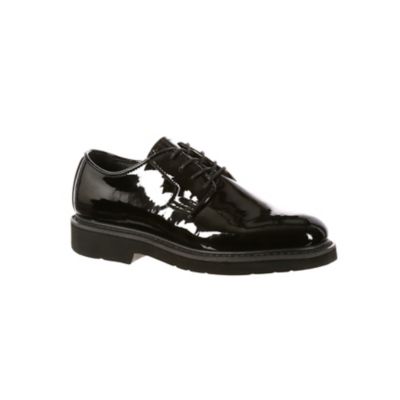
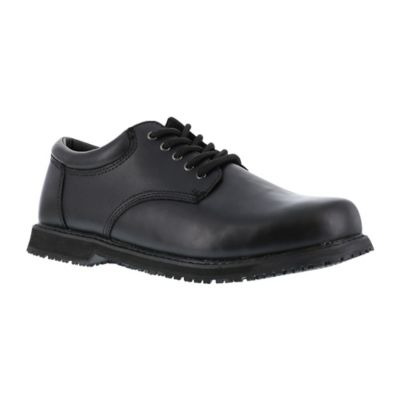
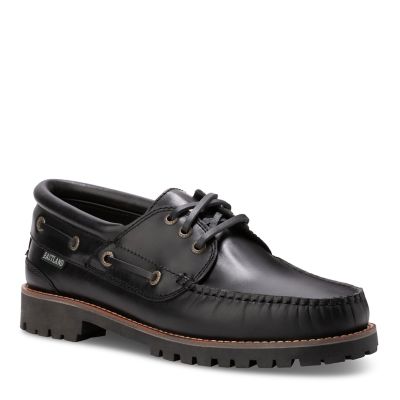
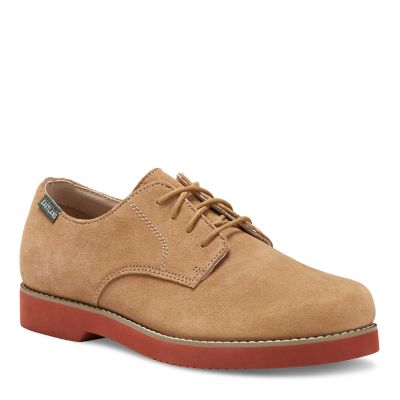
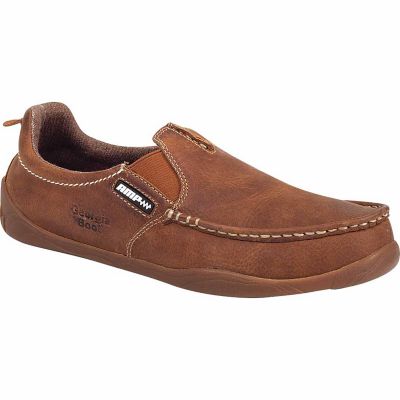
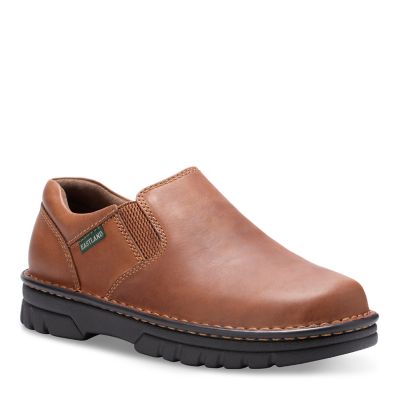
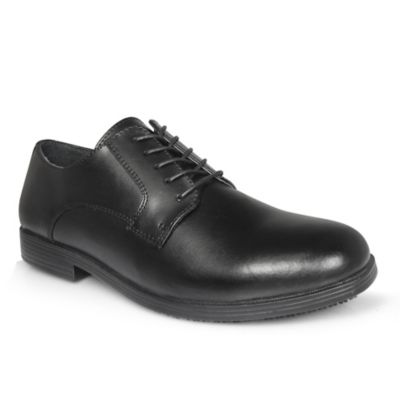
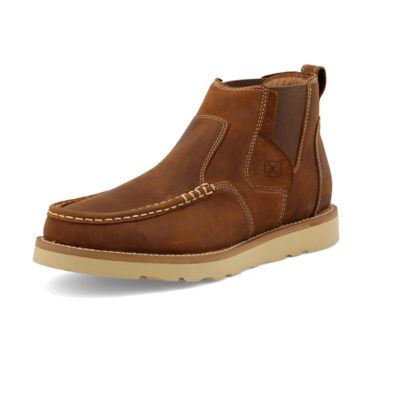
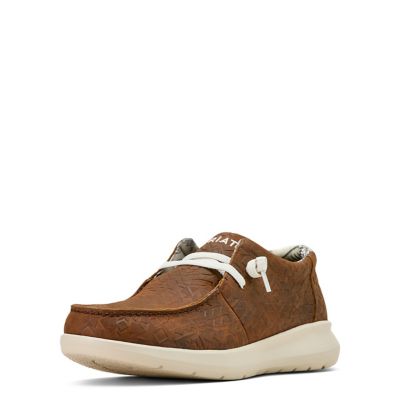
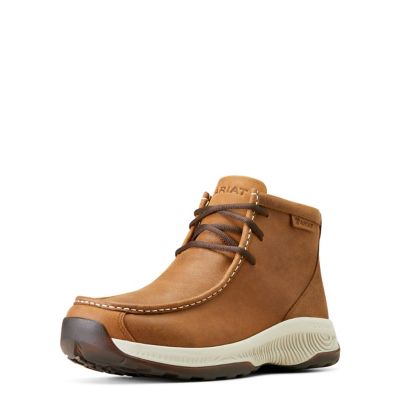
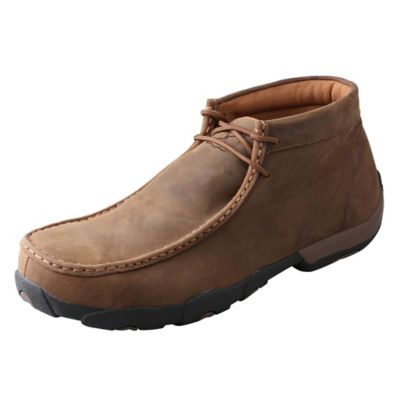
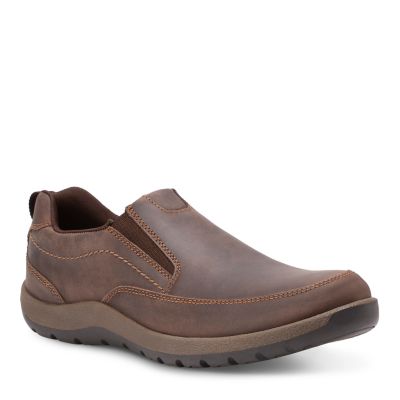
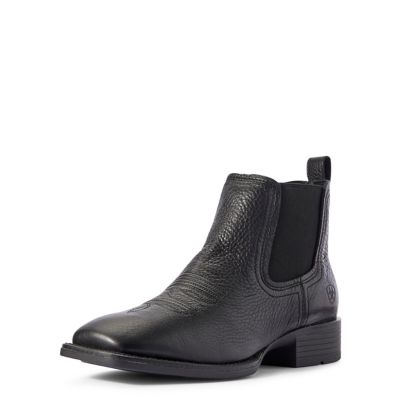
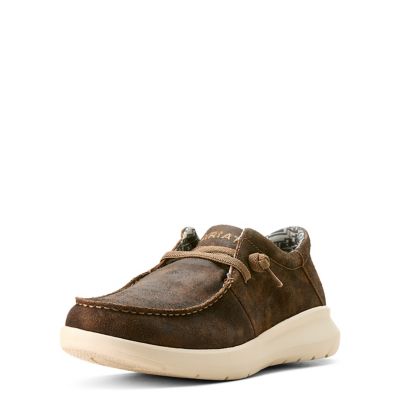
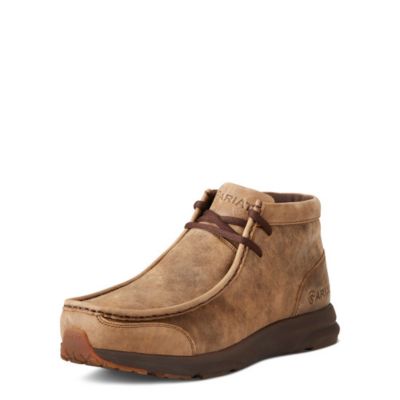
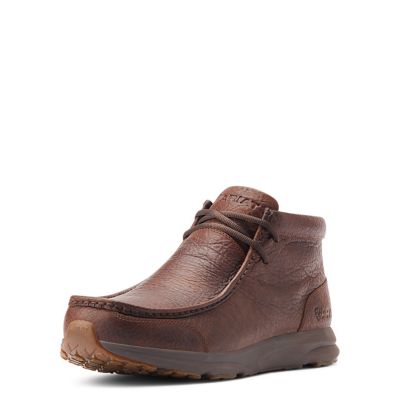
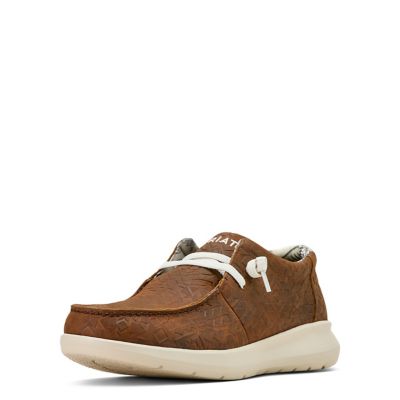
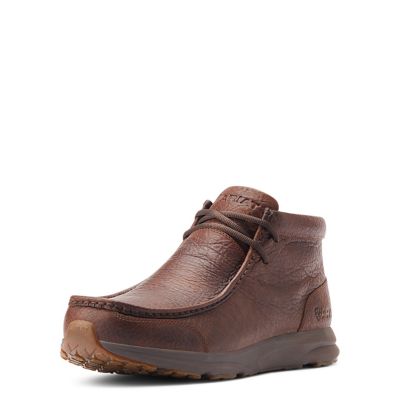
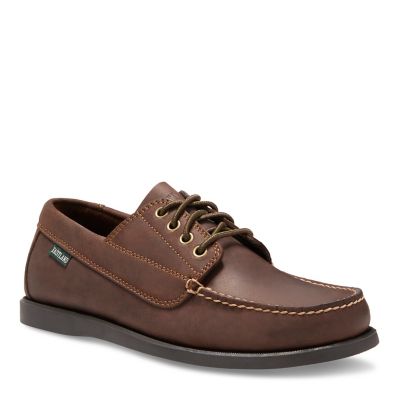
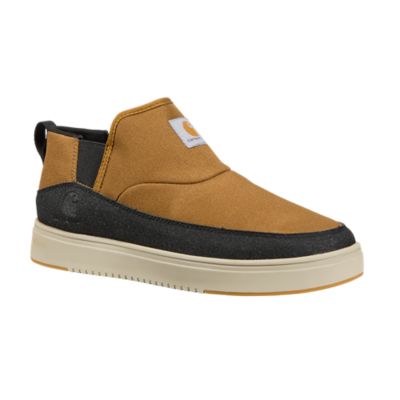
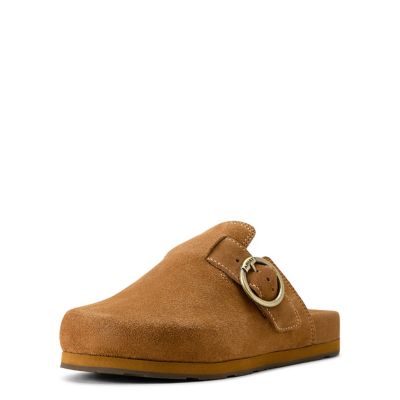
Casual dress shoes for men bridge the gap between formal dress footwear and everyday sneakers, giving jeans, chinos, and office clothes a neat finish without looking overly dressed up. They suit the parts of the day that call for something sharper than athletic shoes but less formal than a suit-and-tie look: a meeting at the county office, dinner in town, church, or an afternoon gathering with family. The category includes relaxed lace-up shoes, loafers, and dress sneakers, with differences in shape, materials, and sole construction that affect how each style looks and feels. Lace-up styles offer an adjustable fit across the top of the foot, while loafers keep the profile simple and slip on without tying. Dress sneakers lean more casual, especially with thicker soles, while a lower-profile sole and a gently tapered toe generally look dressier. Rounded toes tend to feel more relaxed than sharply pointed shapes, though comfort still depends on the fit inside the shoe. Smooth leather brings a clean finish to a button-down shirt and chinos; suede adds texture alongside denim or twill. Brown shades work naturally with blue jeans, tan pants, and earth tones, while black often pairs well with charcoal or darker outfits. Outfits built around
Men's Casual Shoes for Jeans can stay simple: straight-leg denim, a tucked-in shirt, and a belt in a similar color family. A little space between the pant hem and the ground helps the shoe’s shape show instead of getting lost under excess fabric. Matching the level of formality matters more than matching every detail exactly. A lightly textured shoe can look right at home with a checked shirt, while a smoother, less detailed style makes an easier transition to an office setting. For men moving between a desk, a drive into town, and an evening out, this middle ground can keep one outfit working across several stops.
Materials and construction help determine whether casual dress shoes feel right for a few hours at supper or a full day that includes standing and walking. Leather uppers can soften with wear and develop creases where the foot bends, but they should feel comfortable from the start rather than require painful stretching. Suede has a softer-looking surface that benefits from brushing, while synthetic uppers vary in flexibility, breathability, and cleaning needs. Textile panels can give a shoe a lighter, more relaxed appearance, though the lining and overall construction also affect how it feels against the foot. Inside, a smooth lining, well-placed seams, and a footbed that supports the foot without creating pressure points matter more than a soft first impression alone. Cushioning can soften contact with hard floors, but an overly loose shoe still allows the foot to slide. Rubber outsoles may offer more give than stiff dress soles, and tread design can affect grip on smooth surfaces; a casual shoe should not be assumed to meet workplace slip-resistance or safety requirements unless it is specifically rated for that purpose. For chores around equipment, livestock, or uneven ground, footwear made for those jobs is the better match. Casual dress shoes belong more naturally in offices, shops, restaurants, and social settings. Construction details also influence how well a pair holds up over time. Even stitching, secure sole attachment, reinforced high-stress areas, and an outsole suited to the walking surface all play a part. A flexible forefoot can make walking feel more natural, while a stable heel helps keep the rear of the shoe from feeling loose or wobbly. Neither the heaviest shoe nor the thickest sole is automatically the best choice. The right balance depends on whether the day involves mostly sitting, regular trips across a large building, or several hours on the feet. A shoe that bends comfortably where the toes bend, without collapsing through the middle, can offer a useful balance of movement and structure.
Fit deserves just as much attention as appearance, especially when casual dress shoes will become part of a regular rotation. Toes need room to lie flat and move without pressing against the front or sides, and the widest part of the foot should line up with the widest part of the shoe. The heel should feel secure without a hard edge digging into the back of the foot. Laces allow some adjustment, but they cannot make up for a shape that is too narrow or too shallow through the instep. Slip-on styles depend more heavily on the match between the foot and the shoe’s opening, so a comfortable fit across the top should not come with pinching or excessive heel movement. Trying shoes with the type of socks that will normally go with them gives a better sense of the fit than switching between thin dress socks and thick work socks. For anyone wearing an orthotic, removable footbeds and enough interior depth are useful considerations; adding an insert to an already snug shoe can crowd the toes. Routine care helps preserve both comfort and appearance. Dust and grit can be brushed away before they settle into seams, and smooth leather generally benefits from cleaning and conditioning with products intended for that material. Suede calls for a suitable brush and treatment rather than leather polish. Care directions matter because finishes, linings, and sole materials respond differently to cleaners. Shoes should dry away from direct heat, and rotating between pairs gives the interiors time to air out. Shoe trees can help maintain shape, while attention to worn heel edges, separating soles, or flattened footbeds can keep a tired pair from staying in service too long. As a gift, casual dress shoes make the most sense when the recipient’s size, width, and preferred style are already familiar. A man who wears jeans most days may appreciate a relaxed lace-up, while someone who favors chinos and tucked-in shirts may feel more at home in a simple loafer. The most useful pair fits the person’s routine as comfortably as it fits his feet.