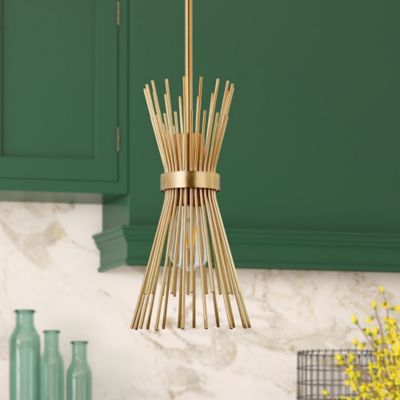
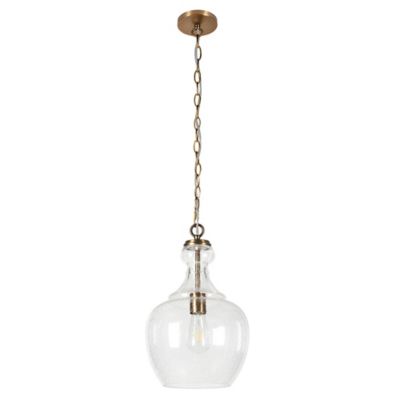
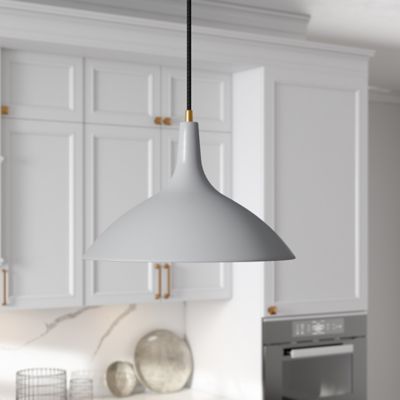
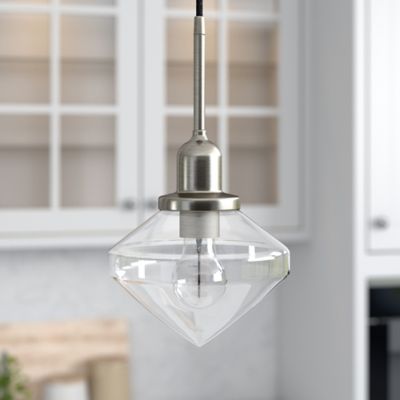
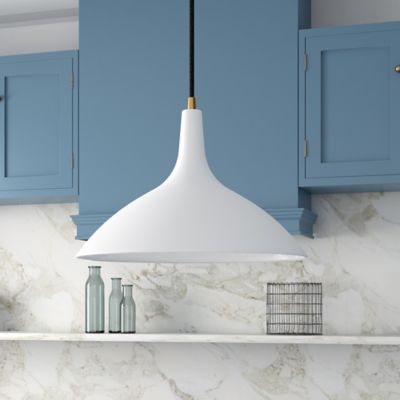
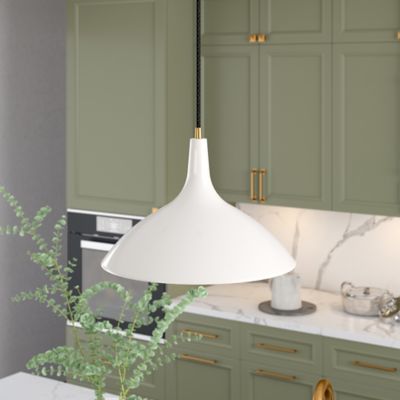
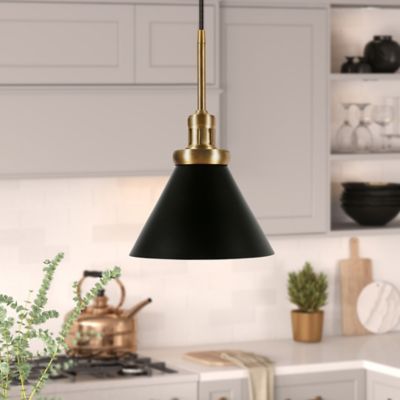
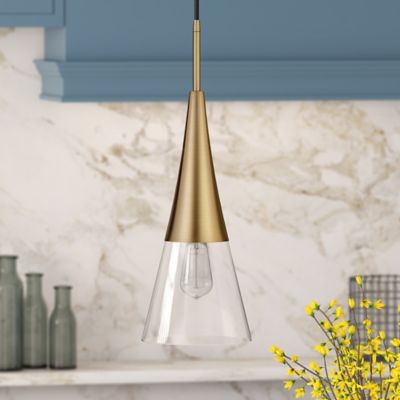
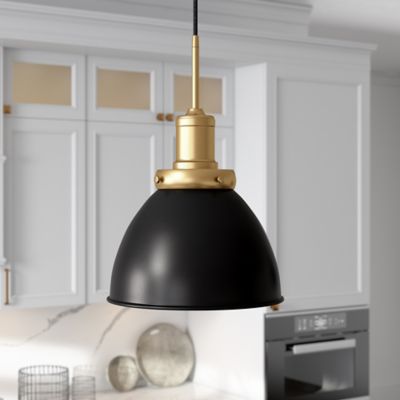
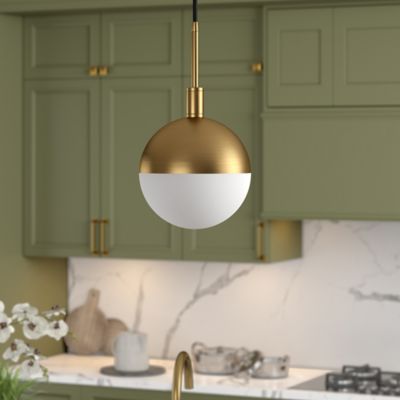
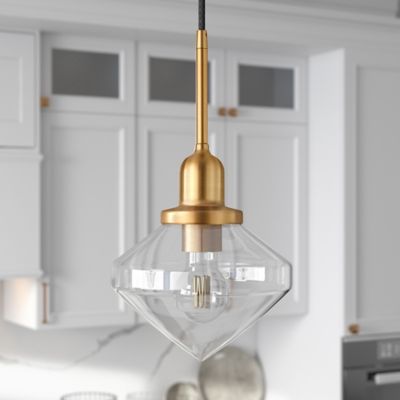
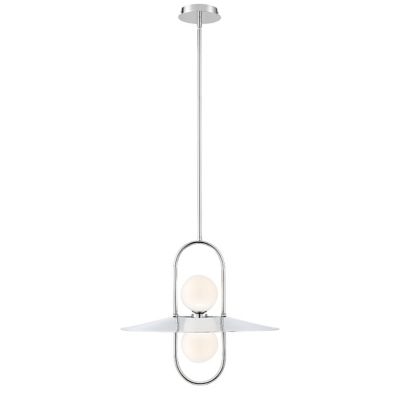
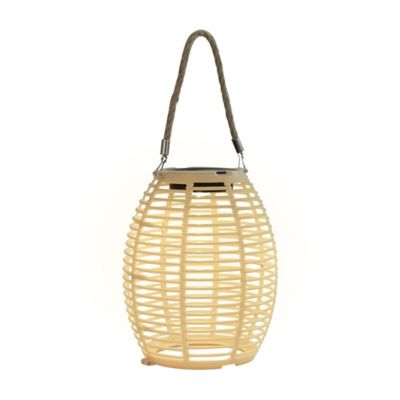
Pendant lights with cord are ceiling-hung light fixtures suspended by a flexible cord rather than a rigid downrod. Depending on the design, they either plug into an electrical outlet or connect directly to a ceiling junction box. The shade hangs below the ceiling, bringing light closer to a table, counter, or seating area. That makes corded pendants a practical fit for farmhouse kitchens, breakfast nooks, laundry rooms, and the corner where household paperwork piles up. A single shade can brighten a small table without taking up tabletop space, while several pendants can spread light along a kitchen island. Plug-in designs offer placement options where a ceiling electrical connection is missing, provided there is a suitable outlet and a safe route for the cord. Hardwired designs keep the electrical connection at the ceiling for a more streamlined appearance. Some fixtures allow the hanging length to be adjusted, but the adjustment range and mounting requirements depend on the fixture. Shade size matters just as much as cord length: a broad shade can hold its own over a substantial farm table, while a smaller one may fit better above a narrow counter. The right proportions leave room for conversation, cabinet doors, and everyday movement without making the light feel lost in the room. A cord that drops straight from the ceiling creates a simple outline; a fixture designed for a swag arrangement can shift the shade away from its electrical connection. Neither arrangement should leave loose cord where someone could catch it while carrying groceries or pulling out a chair. For a different silhouette with a framed or enclosed appearance,
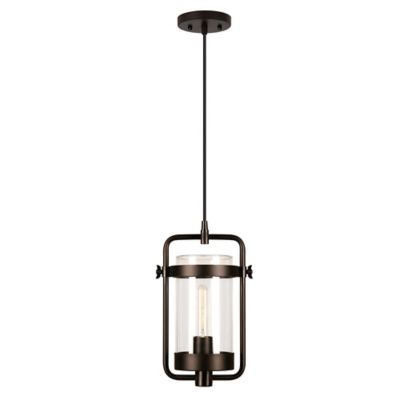
Hanging Lantern Lights offer another look to consider alongside corded pendants. The choice comes down to the space, the light needed below, and how much visual presence the fixture should have.
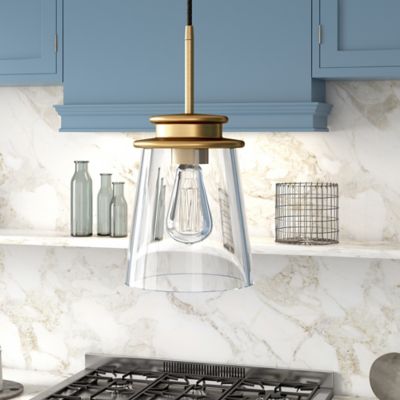
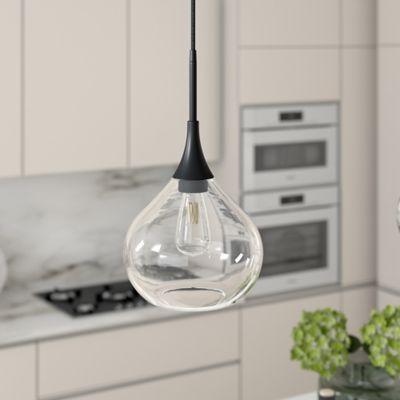
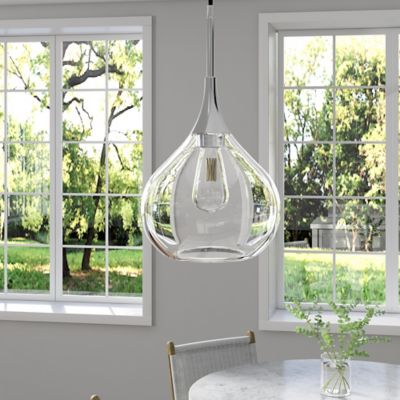
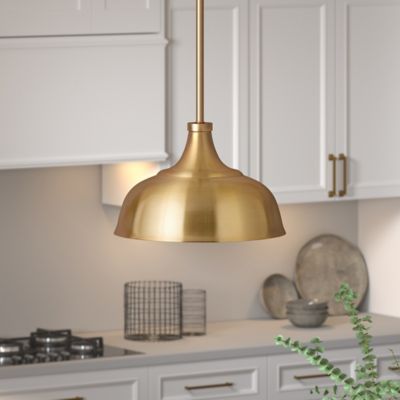
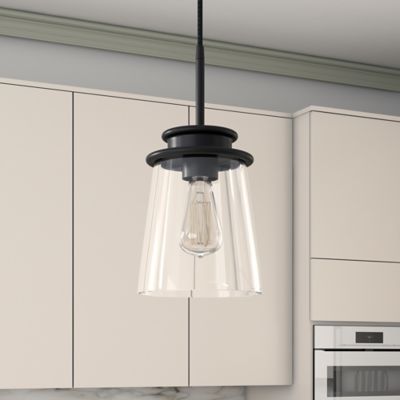
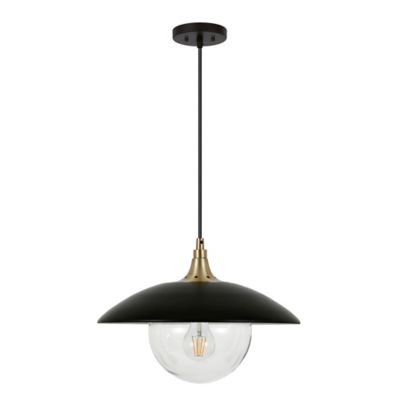
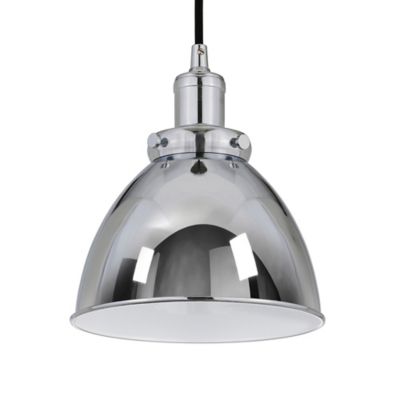
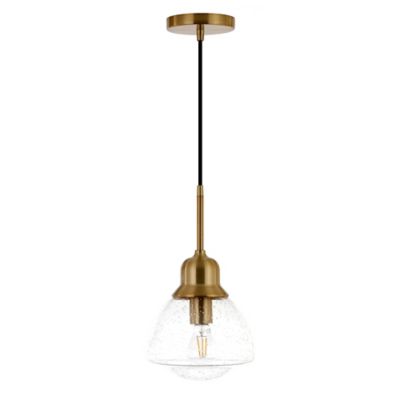
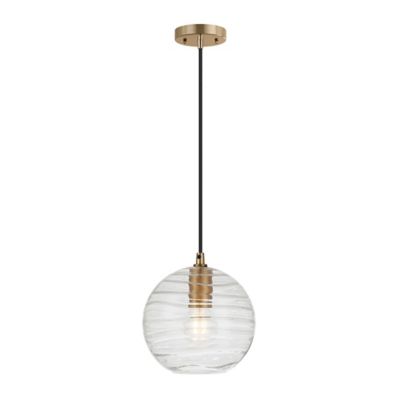
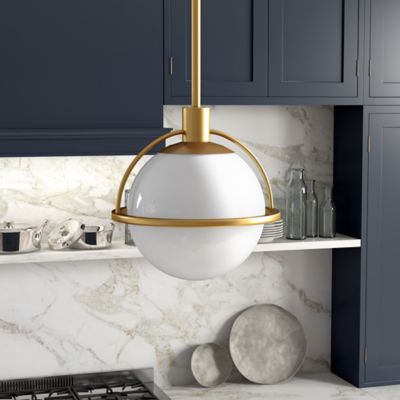
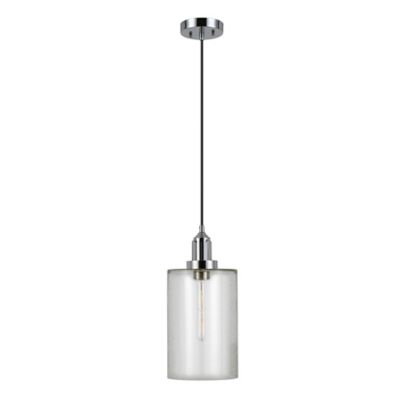
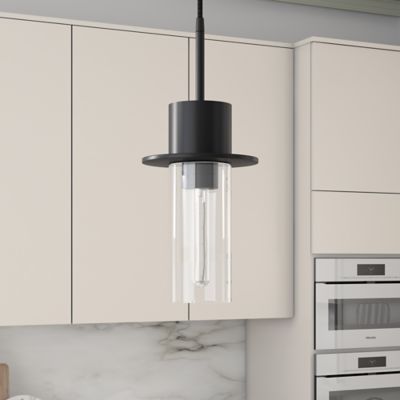
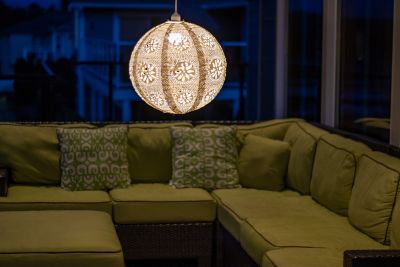
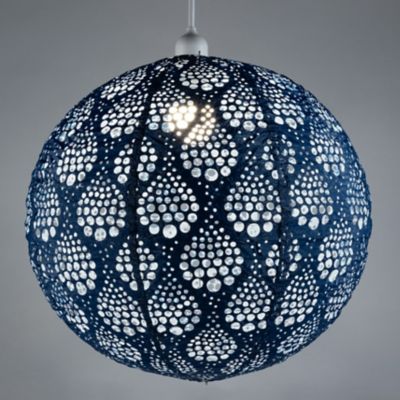
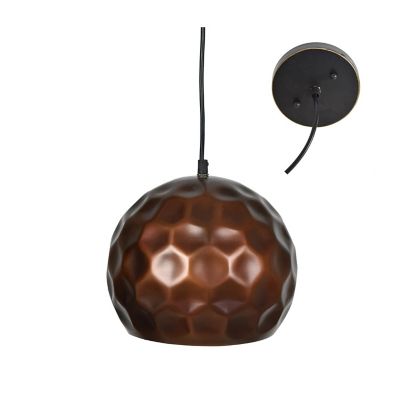
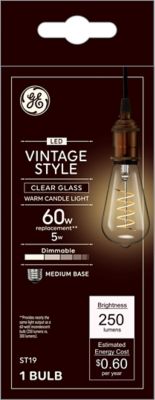
Materials and shade shape give pendant lights with cord much of their character, but they also affect how the light falls and how much upkeep the fixture needs. Metal shades often direct light downward, making them a good match for a countertop where meals get prepared or a table where bills get sorted. An opaque shade can also help keep the bulb out of direct view, though the opening and hanging height still affect glare. Clear glass lets more light travel around the room and keeps the fixture from looking too heavy over a small dining area. It also puts the bulb on display, so bulb shape and brightness become part of the overall appearance. Frosted glass softens the view of the light source, while woven shades can cast patterns across nearby surfaces. Open textures tend to collect dust in their gaps, and clear glass shows fingerprints more readily than an opaque finish. In a kitchen, a smooth, accessible shade is generally easier to wipe down when cooking residue settles on it. Finish choice has a practical side, too: a matte surface, glossy coating, or exposed metal can each call for a different cleaning approach. Bulb compatibility deserves a close look before any fixture goes overhead. Socket type, maximum wattage, bulb dimensions, and whether the light has a replaceable bulb or an integrated LED all affect fit and future maintenance. Lumens describe light output, while color temperature describes whether the light looks warmer or cooler. Warm white light often suits meals and relaxed seating; a more neutral white can make everyday tasks feel clearer. An LED can provide useful brightness with less electricity than a comparable incandescent bulb, but it still needs to meet the fixture’s requirements. Dimming is another separate consideration: the light source, fixture, and dimmer must work together, and a plug-in pendant may have different controls from a hardwired one.
A corded pendant earns its place when it fits the room’s daily routine, not just the empty space above a table. Over a dining surface beneath an eight-foot ceiling, roughly 30 to 36 inches between the tabletop and the bottom of the fixture is a common starting point, with adjustments for the shade, ceiling height, and seated sightlines. Over a walkway, clearance requirements are different, and local electrical and building rules take priority. A low-hanging shade that feels cozy over a table can become an obstacle where people pass through with a laundry basket. Cord length also needs to account for the full route, including any approved swag arrangement and the distance to an outlet for a plug-in design. Shortening, extending, or concealing a cord is not interchangeable across fixtures, so the manufacturer’s installation directions matter. Mounting hardware and ceiling support must suit the fixture’s weight and mounting method; the electrical cord alone should never be assumed to provide support unless the fixture is designed that way. Hardwired connections belong in an appropriate electrical box, with a qualified electrician handling installation when needed. For plug-in pendants, cords should stay clear of hot surfaces, sharp edges, doorways, and places where they could be pinched. Location ratings matter as well. A fixture intended for a dry indoor room is not automatically suited to a damp utility area, a porch, or a building with heavy dust. Any exposed location calls for a fixture and electrical installation rated for those conditions. Routine care is straightforward when the shade and bulb are within safe reach: disconnect power, let the light cool, and clean only as directed for its materials. Frayed cords, loose connections, cracked sockets, or damaged mounting parts call for prompt attention rather than another round of everyday use. With the right fit, a corded pendant can make a kitchen table more inviting, put useful light over a busy counter, or brighten a quiet reading corner without taking away the surface space needed for the work at hand.