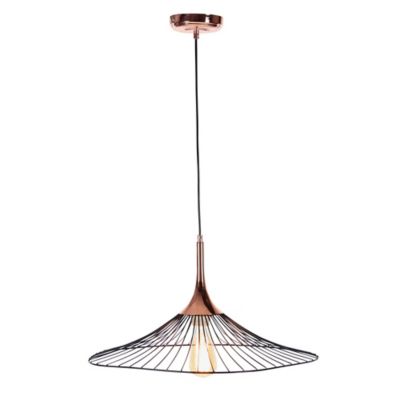
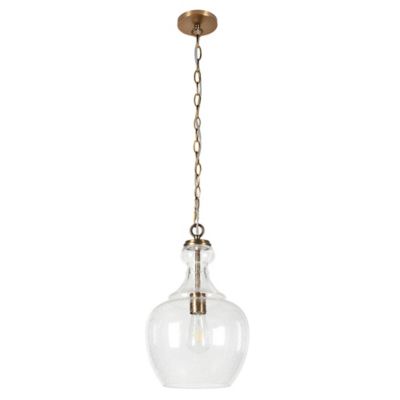
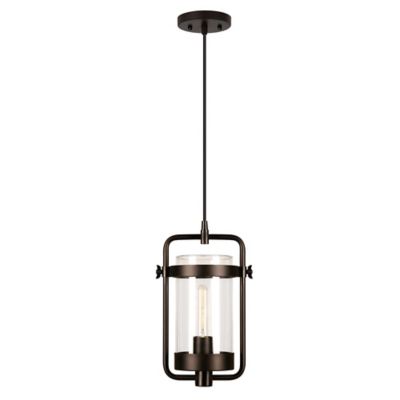
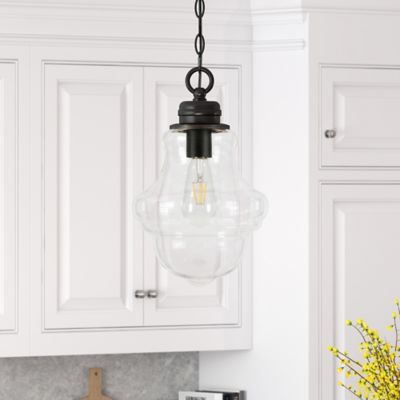
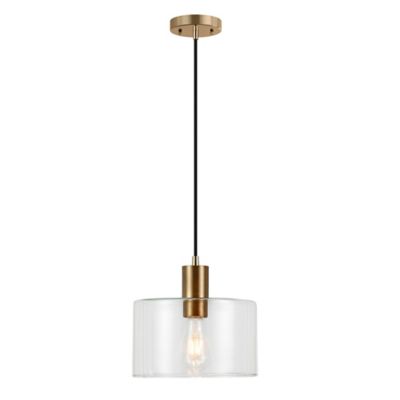
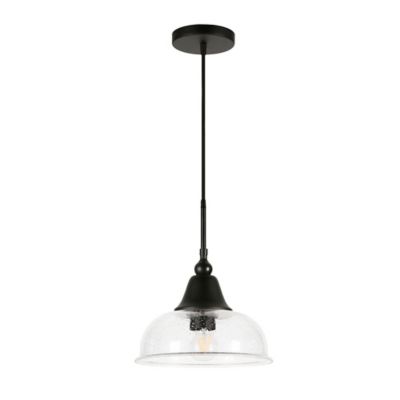
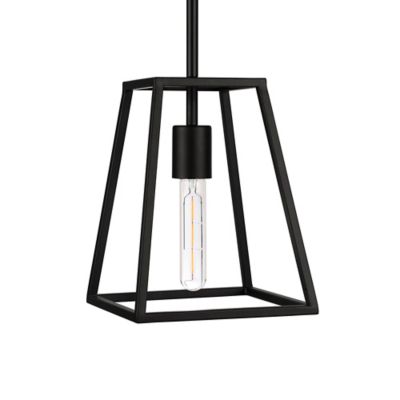
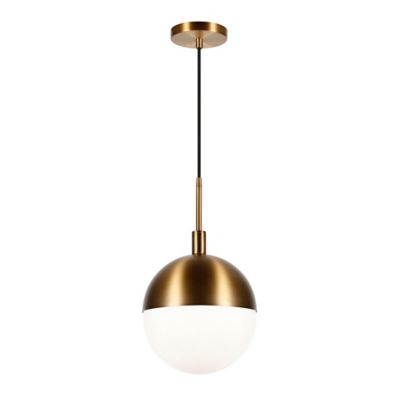
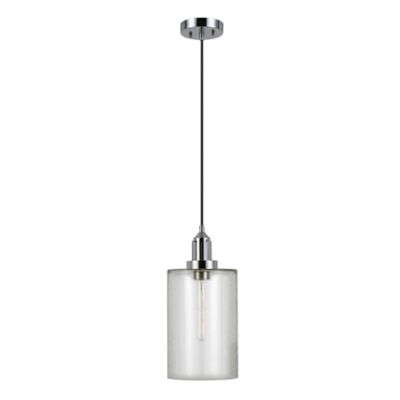
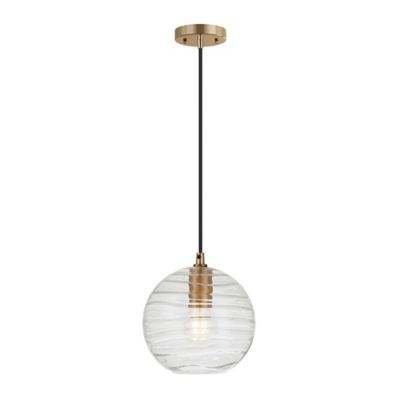
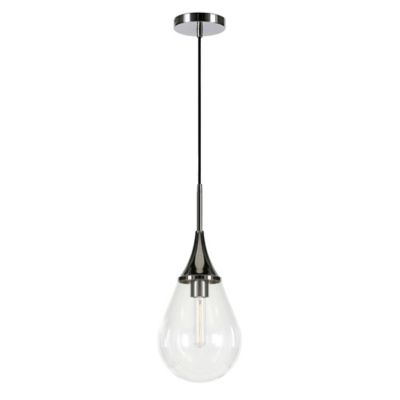
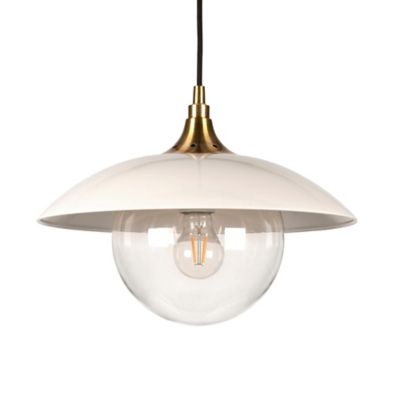
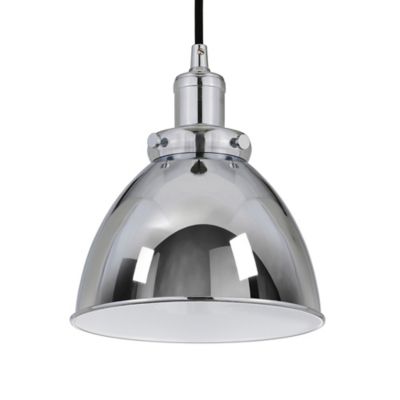
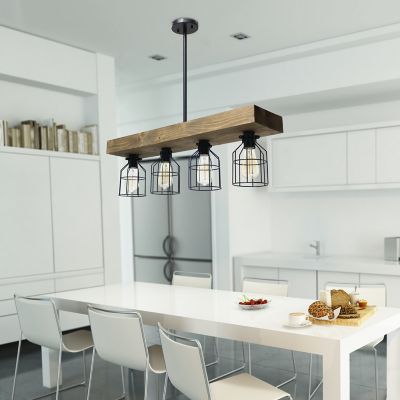
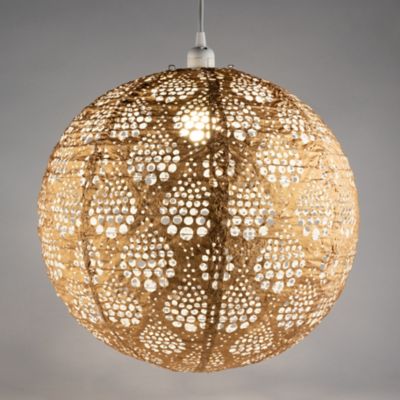
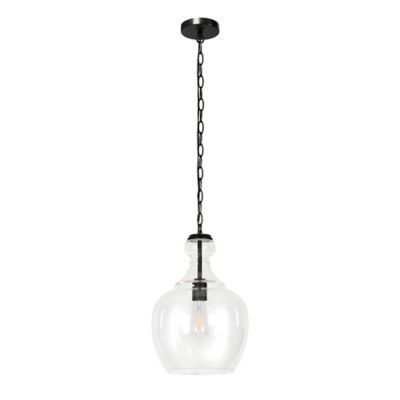
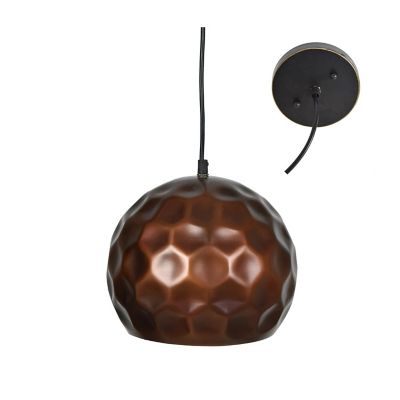
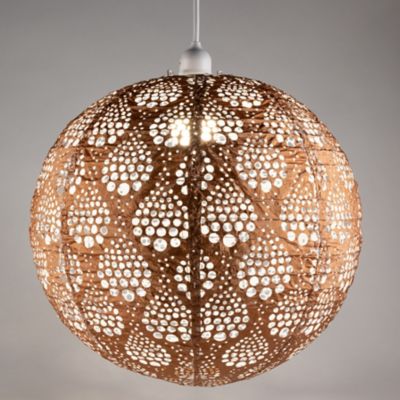
Kitchen pendant lighting brings a useful layer of light and a finished look to one of the hardest-working rooms in the house. Hung over a kitchen island, breakfast bar, sink, or other work surface, pendant lights help brighten the places where chopping vegetables, rolling out biscuits, sorting mail, and sharing a cup of coffee all happen. They also draw the eye toward the center of the room, much like a well-built farmhouse table or a fresh coat of paint on the cabinets. For kitchens with tall ceilings or open floor plans, a row of pendants can help define the cooking and gathering area without closing it off from the rest of the home. Clear glass shades keep the room feeling open and let the light spread freely, while metal shades can direct more focused light onto a counter. A warm finish can add a little character to a kitchen with wood cabinets, and simple black, brushed metal, or mixed-metal designs can work well with modern appliances and hardware. For a cleaner, more streamlined look, explore
Contemporary Kitchen Pendant Lights, which can add a fresh architectural touch without making the space feel overdone. Pendant lighting is often used as task lighting, but it works best as part of a complete kitchen lighting plan that may also include ceiling fixtures, under-cabinet lights, and natural daylight. A pendant positioned above an island can illuminate the counter while leaving nearby work areas softly lit, creating a comfortable balance between visibility and atmosphere. It can be especially handy during the cooler months, when dinner prep begins before the sun has dropped behind the tree line and the kitchen becomes the warmest, busiest room in the house.
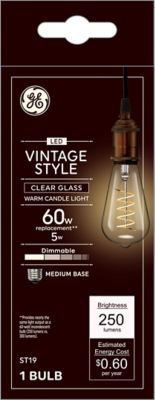
Choosing the right kitchen pendant lights starts with the size and layout of the space. A large island may look best with multiple fixtures spaced evenly across its length, while a smaller counter may need only one well-proportioned pendant. A common planning guideline is about one pendant for every two feet of island length, though the room’s ceiling height, fixture width, and overall style all matter. Leave roughly 30 to 36 inches between the bottom of the pendant and the countertop so the light is useful without blocking sightlines across the island. The fixture should feel like it belongs in the room rather than hanging too low over a cutting board or sitting so high that it loses its purpose. Before choosing a style, measure the island, note the ceiling height, and consider nearby cabinet doors, range hoods, shelves, and walkways. Kitchens are hardworking spaces, so finishes and shades that wipe clean with a soft, damp cloth are practical choices where cooking grease, flour, and everyday dust may collect. Glass, smooth metal, and uncomplicated shapes are generally easier to maintain than heavily textured surfaces. Bulb type also affects the feel of the room. LED bulbs use less energy and are available in a range of color temperatures, while warmer bulbs create a cozy glow that suits evening meals and quiet mornings. Dimmable lighting offers added flexibility, letting the same fixture provide bright task light for food preparation and a softer setting when the island becomes a spot for homework, cards, or conversation. Kitchen pendant lighting can make a thoughtful housewarming gift for someone settling into a new home, updating an older kitchen, or building a gathering place around a newly installed island. It is also a useful choice for a family member who enjoys cooking, baking, or hosting neighbors, since the right fixture adds both everyday function and a noticeable finishing detail. As the weather warms and doors open for family gatherings, pendant lights help keep the kitchen welcoming from breakfast through late-night snacks; during cooler seasons, they cast a friendly pool of light over soup simmering on the stove and plates waiting to be served. Proper installation matters, especially over a sink or island, so follow the fixture instructions and use a qualified electrician when wiring or ceiling support needs to be added.