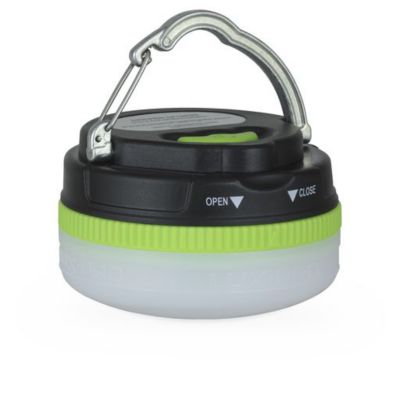
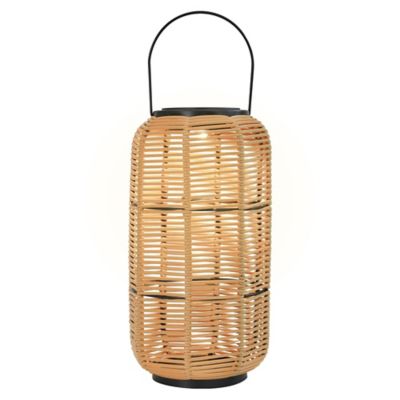
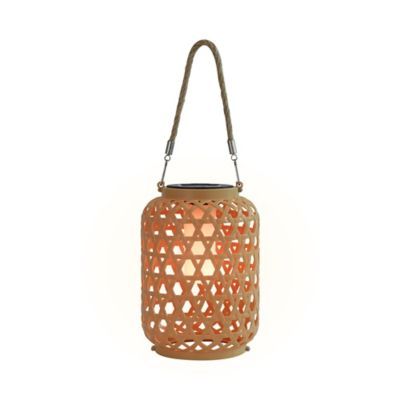
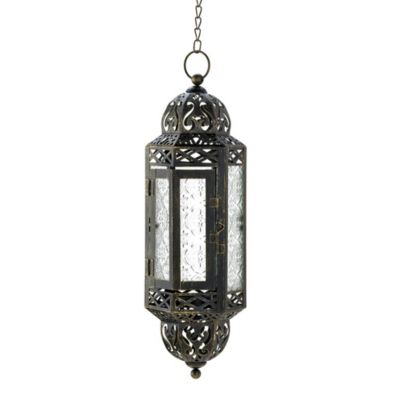
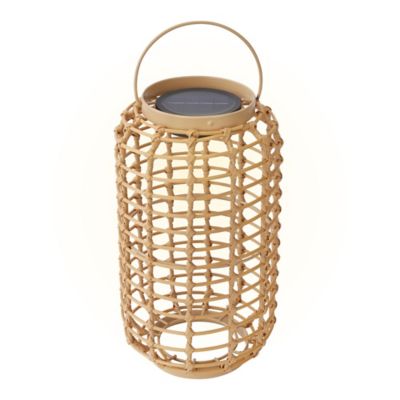
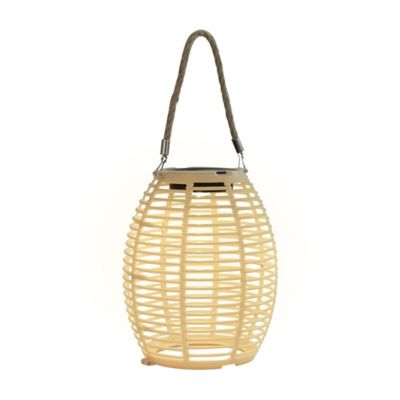
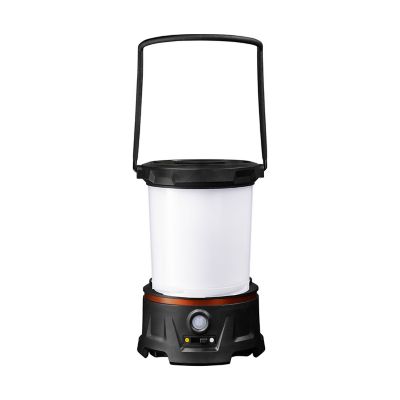
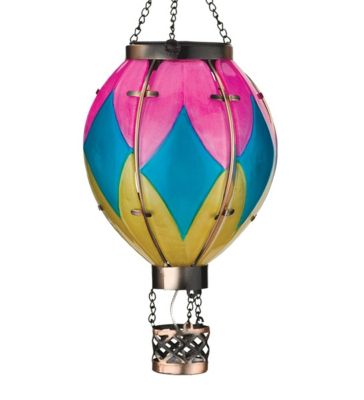
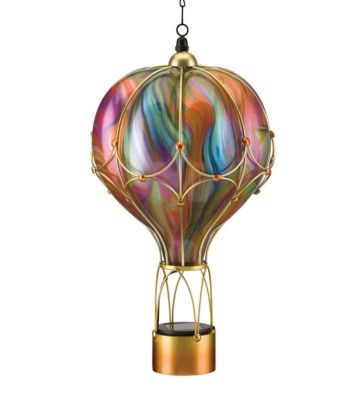
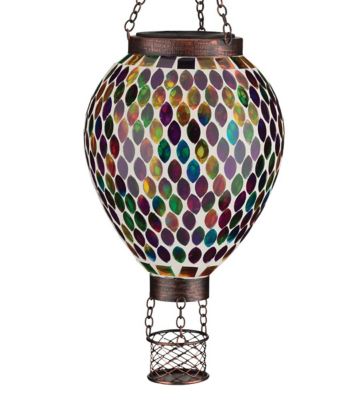
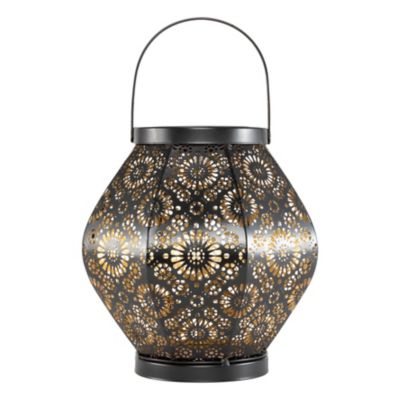
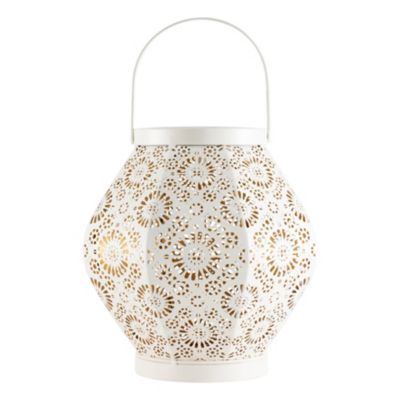
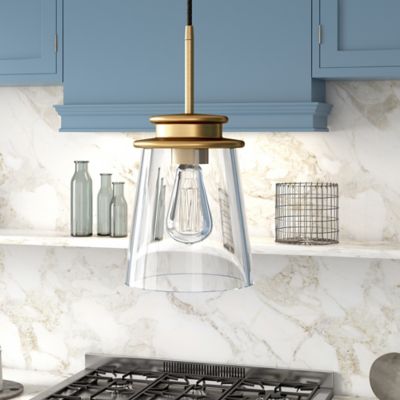
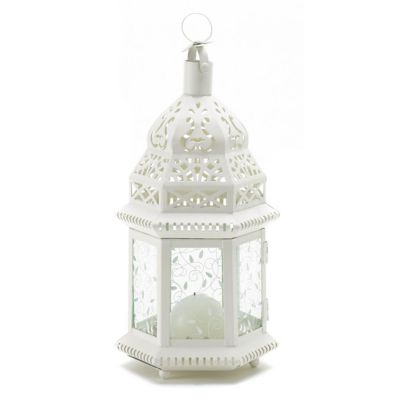
Hanging lantern lights bring a familiar lantern shape to overhead lighting, with options that range from portable, self-contained lights to wired fixtures for a permanent spot. Their frames surround or outline the light source, adding definition above a porch chair, beside an entry, or over a gathering table. That makes them a good fit for homes where lighting needs to feel welcoming without looking fussy. A simple black metal frame can sit comfortably against barn siding or painted porch posts, while warm metal finishes pair nicely with wood ceilings and brick. Straight lines and open frames have a clean, practical look; curved tops and paneled glass give a fixture more of a traditional lantern feel. The panels matter as much as the frame. Clear glass leaves the bulb visible and creates a crisp appearance, while frosted glass spreads light more softly and helps reduce the sight of a bright bulb. Seeded glass adds texture, though its effect on glare depends on the bulb and fixture design. Open-cage lanterns keep the shape light and airy, but the exposed light source deserves attention when the fixture hangs near eye level. Brightness is best compared by lumen output rather than by the size of the lantern or the wattage alone. A small accent lantern may add a pleasant glow beside a bench without providing enough light for steps, a doorway, or reading. Warm-white light, often around 2700 to 3000 Kelvin, suits relaxed seating areas and wood-rich spaces. Light that makes a comfortable corner for visiting may not be enough for finding keys or checking a door latch. Hanging height, light distribution, and nearby fixtures all help determine whether a lantern serves as an accent or contributes to everyday visibility. Matching the light to the activity keeps the setting comfortable and the fixture useful.
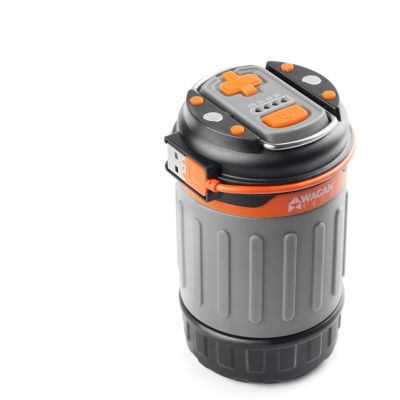
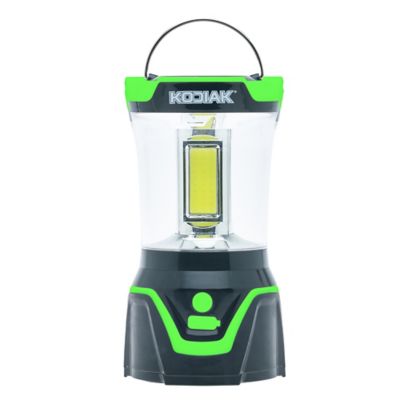
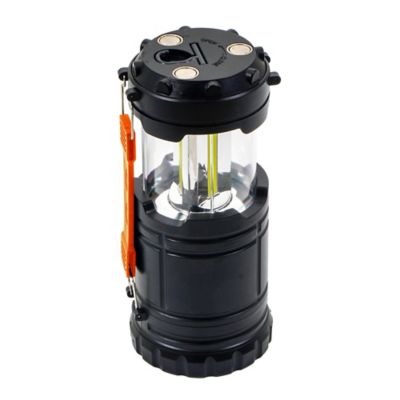
Power source is another important difference among hanging lantern lights. Hardwired lanterns connect to household electrical wiring and suit permanent locations such as an entryway, a covered porch, or a dining area. Plug-in styles need access to a suitable outlet and a cord route that stays clear of walking paths, doors, and moving furniture. Battery-powered lanterns allow more freedom in placement, with battery changes or charging becoming part of regular care. For areas beyond an outlet’s reach,
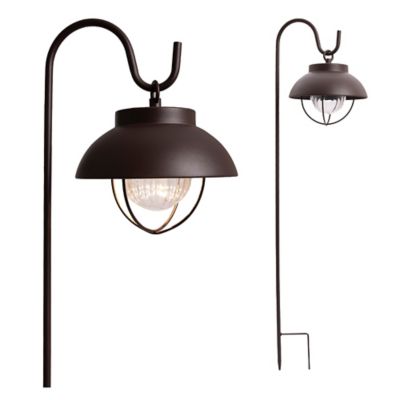
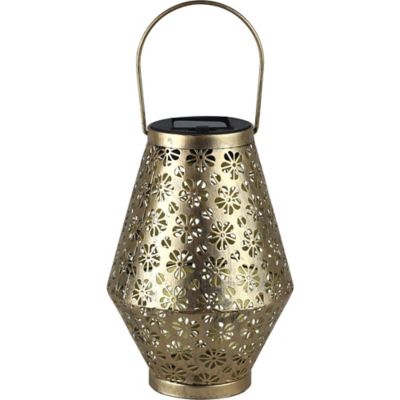
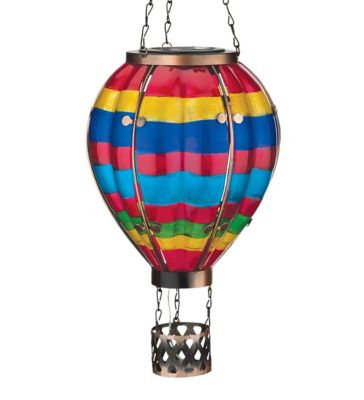
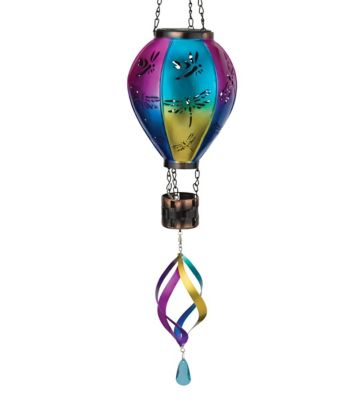
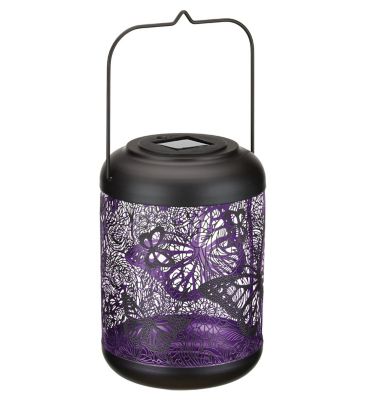
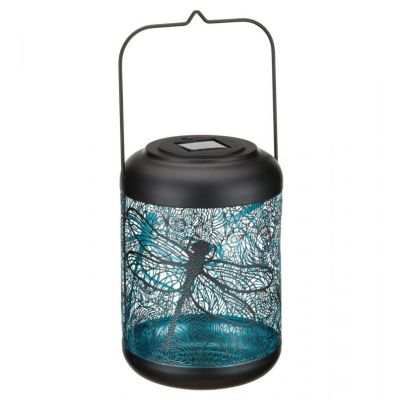
Hanging Solar Lights offer a way to add light without running household wiring to each location. Solar performance depends on sunlight reaching the panel, along with battery capacity, lighting settings, and the design of the lantern. A panel tucked beneath a deep roof or shaded by dense branches may not gather enough energy for the expected evening runtime. Solar accent lighting also serves a different purpose from a wired fixture intended to illuminate an entrance; a gentle glow around a sitting area should not be treated as a substitute for necessary visibility on stairs. Controls can make a difference in everyday convenience, too. Depending on the design, lanterns may have a manual switch, a timer, a dusk sensor, or adjustable brightness. Dimming requires compatibility among the fixture, bulb, and control, rather than simply adding a dimmer to any light. Location ratings deserve the same attention as the power source. Dry-rated fixtures belong in dry indoor spaces. Damp-rated fixtures suit protected locations where moisture may be present but direct water exposure is not expected, while wet-rated fixtures are intended for locations exposed to water as specified by the manufacturer. A roof overhead does not automatically make every outdoor mounting spot suitable for a damp-rated light. Permanent electrical installation calls for the correct electrical box, suitable mounting hardware, and support for the fixture’s weight, with a qualified electrician handling work when needed. Portable hanging lanterns also need a secure hook or support that matches their intended hanging method.
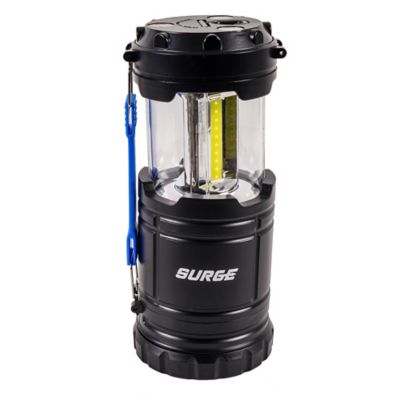
Materials and proportions help determine how well a hanging lantern fits into daily life. Steel frames offer a solid appearance, while aluminum can reduce weight; either material’s resistance to corrosion depends on its construction, finish, and intended setting. Coated metal surfaces benefit from gentle cleaning that leaves the protective layer intact. Glass panels lend substance and clarity, but they add weight and need room for careful handling. Some portable lanterns have plastic lenses that reduce weight, with scratch resistance and care requirements varying by material. For any style, access matters: a lantern that opens easily for a bulb change or battery replacement is more convenient than one that requires awkward reaching or complicated disassembly. Fixtures with integrated LEDs have different maintenance needs from lanterns with replaceable bulbs, so the light source and service instructions are worth considering alongside appearance. Size is just as practical. A broad lantern may look balanced beneath a tall porch ceiling yet crowd a narrow entry, while a smaller frame can disappear over a large table. The hanging length needs to suit the space without interfering with doors, sightlines, or normal movement. Over a table, the fixture should leave comfortable room for conversation and everyday tasks; along a walkway, safe clearance takes priority over a low-hanging look. Chains, cords, and rods provide different adjustment options, and not every design can accommodate a sloped ceiling. Routine care generally starts with switching off power and letting the light cool before wiping accessible surfaces according to the manufacturer’s directions. Gentle cleaning removes dust and insects without harsh abrasives that can scratch panels or damage finishes. Periodic checks of hooks, fasteners, cords, and battery compartments help catch problems before the light goes back into service. Hanging lantern lights can also make a thoughtful housewarming gift for someone settling into a country home or fixing up a favorite porch, especially when the power source, mounting needs, and overall scale match the space they have in mind.