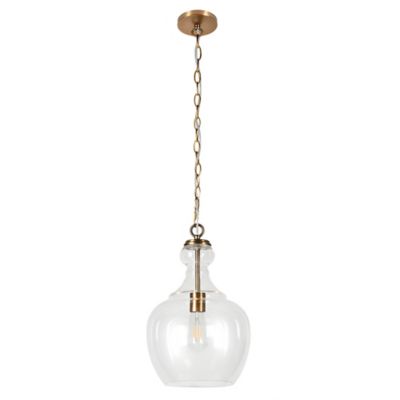
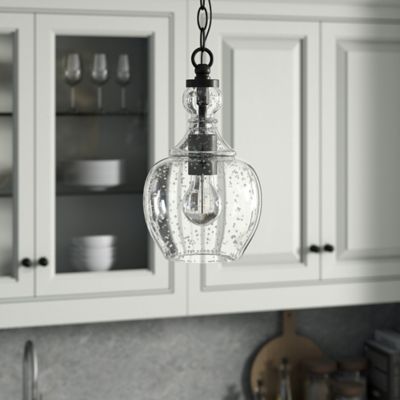
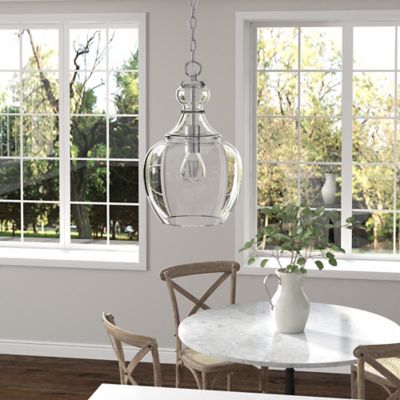
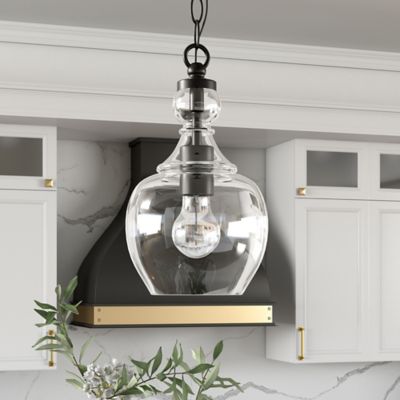
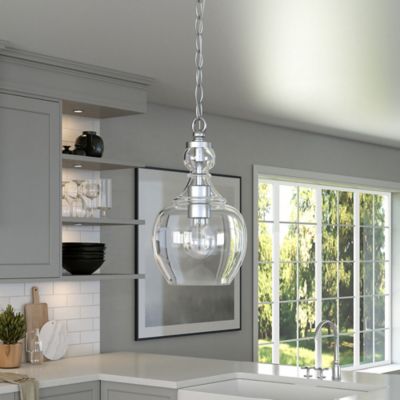
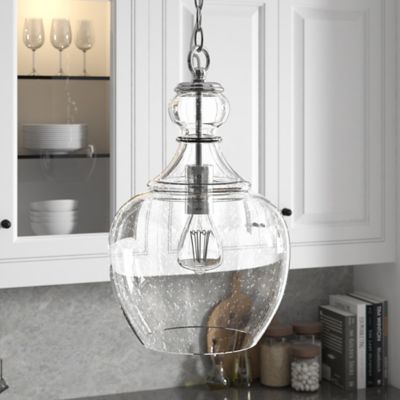
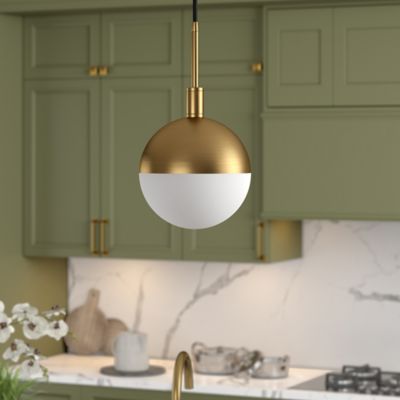
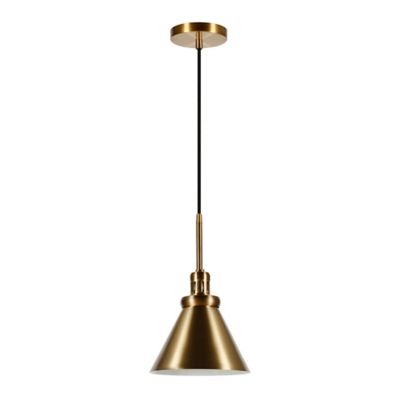
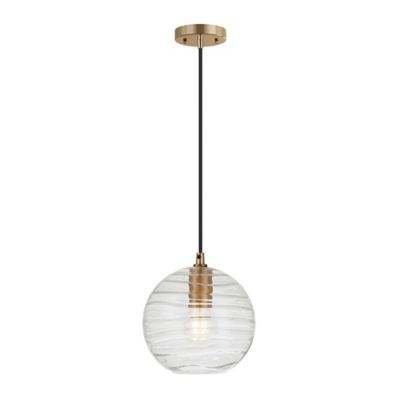
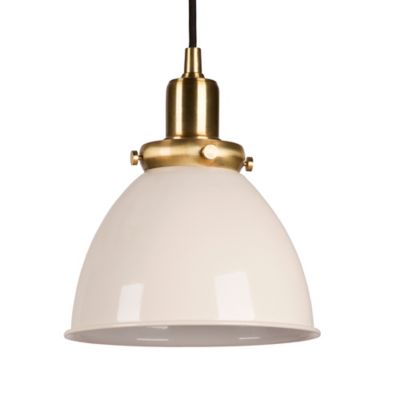
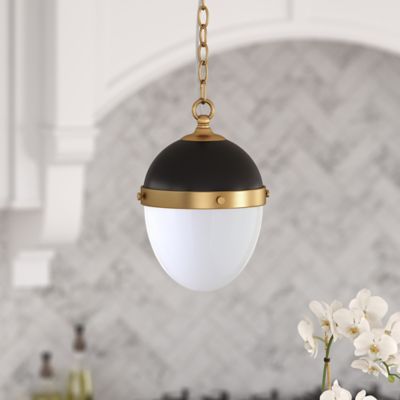
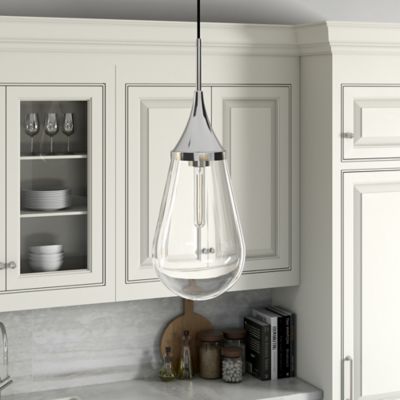
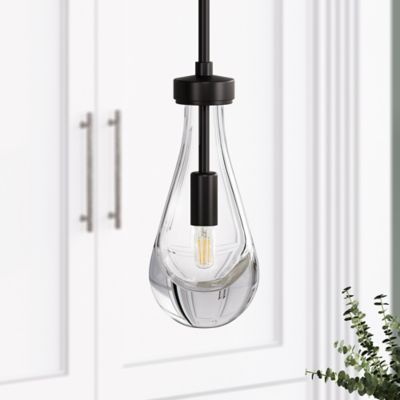
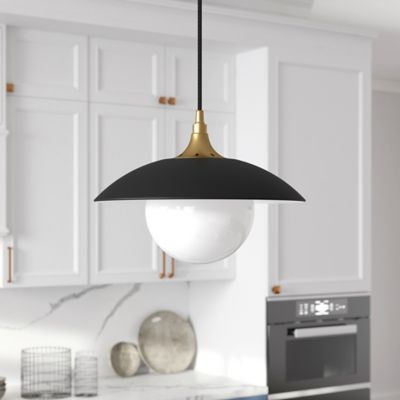
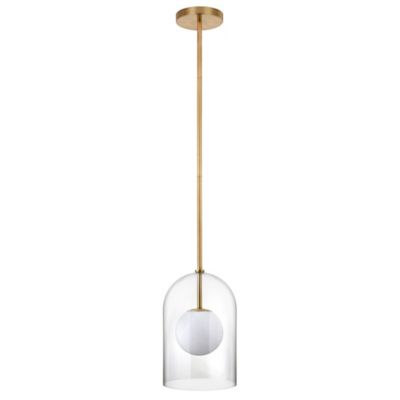
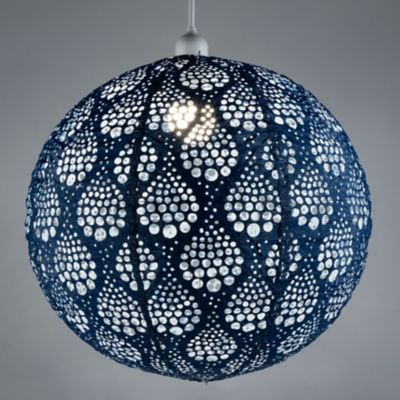
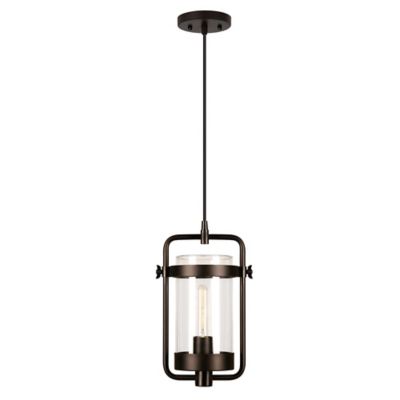
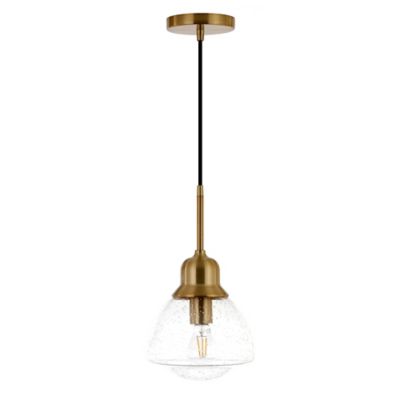
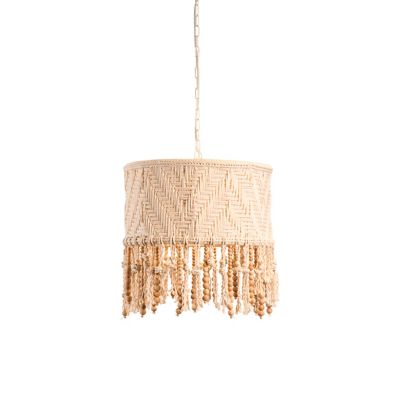
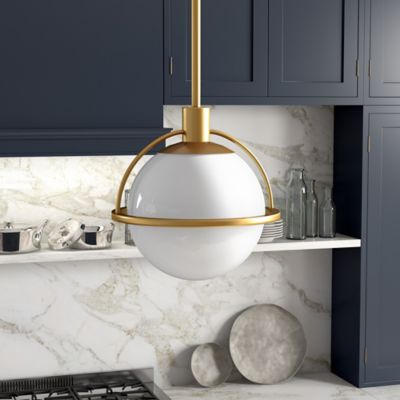
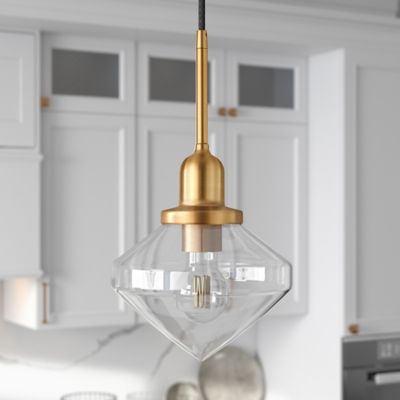
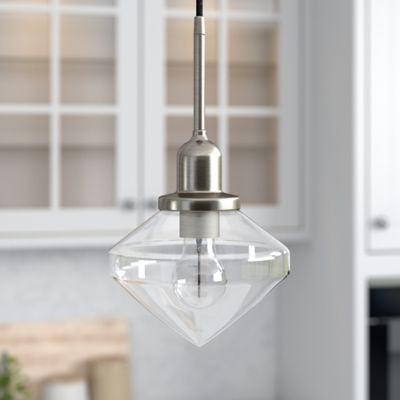
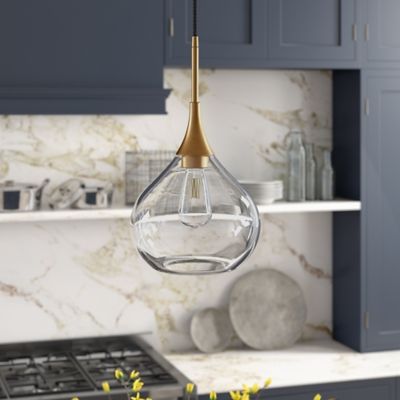
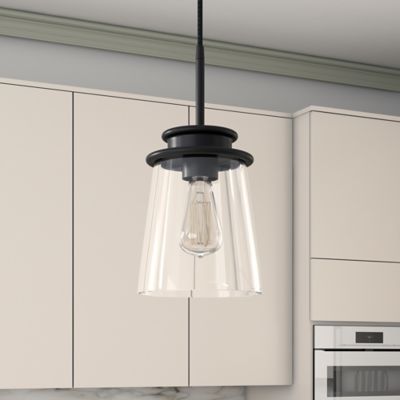
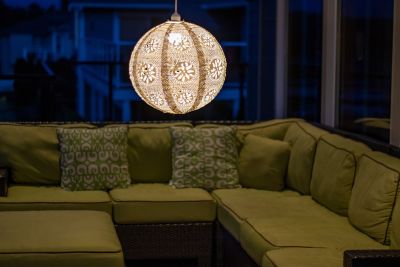
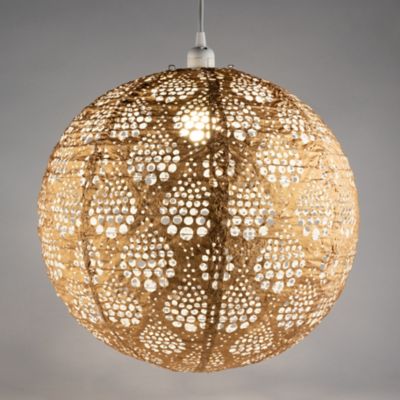
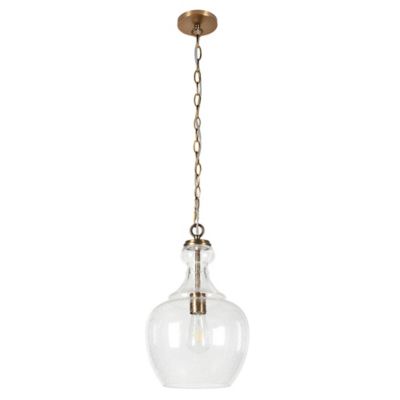
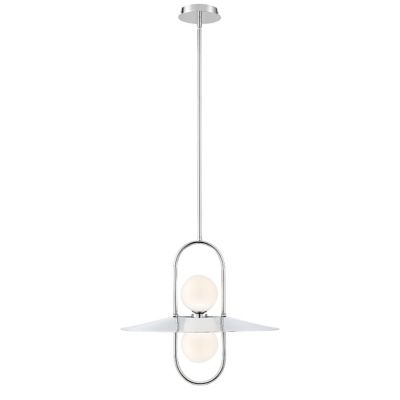
Modern coastal pendant lights bring together the easygoing feel of the shoreline and the tidy lines of contemporary home design. Instead of leaning hard into anchors, seashells, or bright beach colors, these fixtures usually take a quieter approach with natural textures, soft shapes, and finishes that feel at home in a well-used kitchen or country house. Woven rattan, bamboo, seagrass, rope, and other natural fibers can soften the look of a room while gently filtering the light, much like sunlight coming through a porch shade on a bright afternoon. Clear, aqua, blue, seeded, and lightly hammered glass offer a different kind of coastal character, catching the light with a watery shimmer without making the space feel themed. Capiz shell, matte ceramic, brushed metal, and warm brass accents can add a little polish while still keeping the room relaxed. These pendants are especially popular over kitchen islands, peninsulas, breakfast nooks, dining tables, laundry room counters, and entryways where a single overhead fixture can provide both useful illumination and a finished look. In a kitchen with butcher block counters, open shelving, or wood cabinetry, a woven shade adds contrast and texture. Over a white table or painted island, blue-tinted glass can bring in color without overwhelming the room. For a more modern farmhouse setting, look for simple silhouettes paired with natural materials, aged finishes, or a neutral shade. Homeowners who like the coastal look but live far from the water can use these fixtures to bring in a sense of airiness and warmth, especially during the cooler months when windows stay closed and indoor lighting matters more. They can also make a thoughtful housewarming, wedding, or new-home gift for someone settling into a kitchen, dining area, lake house, cabin, or vacation rental. A pendant light is a practical gift with lasting appeal, and choosing a versatile material or neutral finish gives the recipient plenty of room to work it into their own space.
Before choosing a modern coastal pendant light, start with the spot where it will hang and the job you need it to do. A fixture over a kitchen island should provide enough downward light for chopping vegetables, packing lunches, sorting mail, or doing homework, while a pendant over a dining table may be chosen for a softer glow that makes evening meals feel comfortable. For an island, multiple smaller pendants often create an even spread of light, while one larger pendant can make a strong statement over a round table, sink, or compact breakfast area. Measure the length and width of the surface below, then consider the visual weight of the fixture so it does not crowd the room. A common starting point is to leave roughly 30 to 36 inches between the bottom of the pendant and the countertop, though taller family members, raised surfaces, and personal preference may call for a little more clearance. In an entryway or open living space, check the ceiling height and nearby walking paths before installing anything with a long cord or chain. Adjustable hanging hardware is useful in homes with sloped ceilings or rooms that serve more than one purpose. Pay attention to the shade opening, too. A wide open bottom sends more light down onto a work surface, while a fully enclosed or tightly woven shade creates a gentler glow. If the fixture will be used often, check the bulb type, maximum wattage, and whether it works with LED bulbs or a dimmer switch. Warm white bulbs can complement rattan, rope, wood, and brass, while a brighter neutral white may be more useful for food preparation or detailed tasks. When comparing finishes, think about the hardware already in the room. A coastal pendant does not need every element to match, but repeating one finish from cabinet pulls, faucets, dining chairs, or nearby lighting can make the space feel pulled together. For a kitchen with stainless appliances, a simple black or brushed metal detail may bridge the gap between modern and natural materials. For rooms with warm wood, aged brass or woven fibers can keep the overall look from feeling too cold.
Material and maintenance are worth considering before making a final choice. Natural-fiber shades add plenty of character, but they may collect dust in kitchens, mudrooms, and busy entryways, so a soft dry cloth, feather duster, or gentle vacuum attachment can help keep them looking fresh. Avoid soaking woven materials or using harsh cleaners that may stain or weaken the fibers. Glass shades are generally easy to wipe clean and can be a good fit near cooking areas where steam and everyday splatters are part of life. Shell accents, ceramic surfaces, and textured finishes should be handled with care during installation and cleaning, since rough scrubbing can dull delicate details. If a pendant is going in a covered outdoor area, porch, or damp location, confirm that the fixture is rated for that environment rather than assuming an indoor light will work there. Installation should follow the manufacturer’s instructions, and heavier fixtures may need appropriate ceiling support instead of relying on a standard electrical box alone. The style can also be coordinated with nearby lighting; for example, coastal pendants over an island can pair nicely with understated flush mounts or sconces in adjoining areas. If the kitchen has a cleaner, more streamlined look, browsing
Contemporary Kitchen Pendant Lights can help compare silhouettes that share modern proportions while allowing the natural texture of a coastal design to stand out. Whether the goal is to brighten a hardworking kitchen, warm up a dining corner, or add a welcoming touch to a new home, modern coastal pendant lights offer a practical way to layer light and bring a relaxed, lived-in feeling indoors.