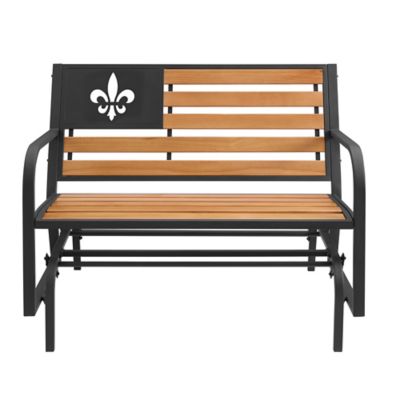
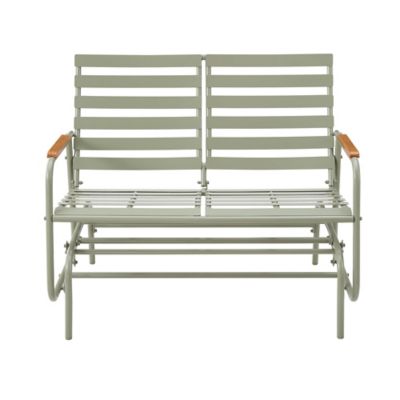
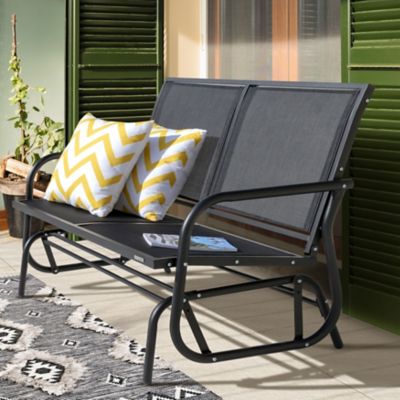
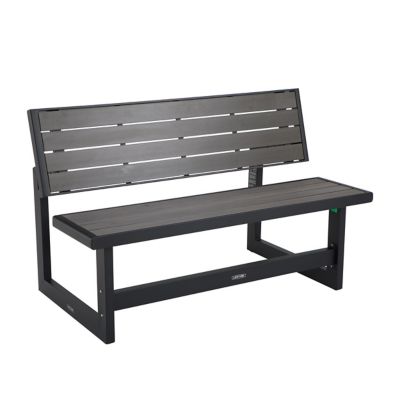
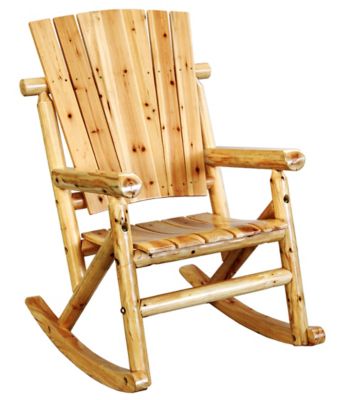
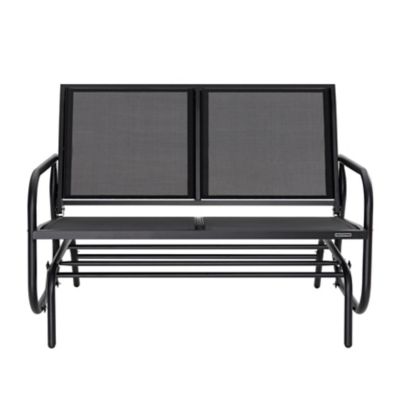
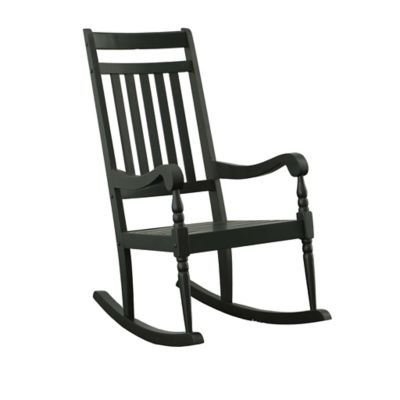
Outdoor benches bring practical seating to 4th of July cookouts, front-porch visits, and everyday breaks between chores. A bench beside the back door gives folks a place to sit while pulling off muddy boots, while one along a garden path makes a welcome stopping spot with a view of the vegetable beds. For a holiday gathering, bench seating can help keep family and friends together without lining the patio with separate chairs. The right fit depends on more than the length of an empty wall. Overall width, seat depth, back height, and arm placement all affect how a bench feels and where it belongs. A compact bench can tuck beside an entry, while a longer design may suit an open porch or a broad stretch of patio. Seating capacity and weight limits come from the manufacturer’s specifications, not just the space that looks open on the seat. Backrests and armrests can make longer visits more comfortable, and some people appreciate arms for support when sitting down or standing up. A backless bench has a simpler profile and can allow seating from either side when its design permits. Near a dining table, seat height and the clearance beneath the tabletop matter just as much as bench length. On a porch, leaving room for the door to swing and for people to pass keeps the entry working the way it should. Curved arms, straight slats, open backs, and broad seats each bring a different look without needing much around them. A bench can feel right at home beside a farmhouse door, along a fence overlooking the pasture, or near a small-town backyard firework-viewing spot, provided the seating stays well clear of fireworks and other hazards. For a 4th of July get-together, that simple place to sit can become the spot where grandparents visit, neighbors catch up, and somebody sets down a plate long enough to enjoy the company.
Materials and construction make a real difference in how an outdoor bench feels, how much care it needs, and how it handles an exposed setting. Wood brings visible grain and a familiar porch feel, but its care depends on the species, finish, and manufacturer’s directions. Some woods naturally change color outdoors, and a protective finish may need attention over time. Slatted seats allow water to pass through rather than collect across one broad surface, though joints and fasteners still deserve a look now and then. Metal benches can have slender frames, shaped backs, or heavier profiles that suit everything from a narrow walkway to a roomy patio. Steel generally needs its protective coating kept intact because exposed areas can rust. Aluminum resists rust, although finishes, connections, and other hardware still need proper care. Metal surfaces can become hot in direct sun, making placement and suitable cushions worth considering for holiday afternoons. Resin and recycled-plastic designs can offer a different balance of weight, texture, and upkeep, with care requirements that vary by material. No outdoor material is completely free of maintenance. Pollen, soil, bird droppings, and food spills are easier to manage with cleaning methods approved for the bench rather than harsh cleaners that might harm its surface. Weight also matters in everyday use: a bench that is easy to move for sweeping may need more thought in a windy, open area, while a heavier bench takes more effort to reposition. Legs should rest evenly on a firm, level surface instead of rocking on uneven pavers or sinking into soft ground. Hardware connections, seat supports, and the condition of the finish all contribute to steady seating over time. Cushions add another layer of comfort, but their dimensions should match the usable seat area without crowding the arms or hanging over the edge. Removable covers, attachment ties, and care labels help clarify what everyday upkeep will involve. Even fabrics intended for outdoor settings benefit from sensible care and dry storage when the manufacturer recommends it.
An outdoor bench works best when it suits the way a household actually spends time outside. For a family that gathers around the grill on the 4th of July, seating belongs close enough for conversation but outside the cooking area and away from hot surfaces, smoke, and busy foot traffic. Beside a garden, a bench can face the beds without narrowing the route for a wheelbarrow. Along a porch wall, it can leave the middle of the floor open for kids, visiting relatives, and the daily trip in and out with feed buckets or groceries. A nearby side table gives drinks and plates a proper landing place; a bench seat should not have to serve as both seating and a crowded serving surface. In a larger gathering area, benches can complement individual chairs without making every seat face the same direction. The
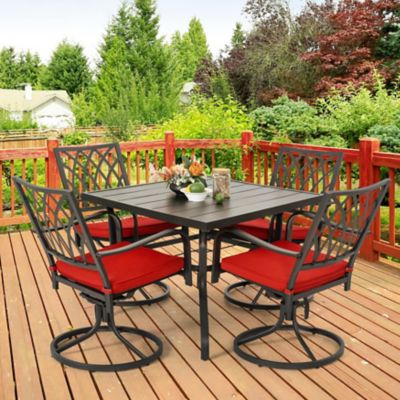
4th of July Sale on Outdoor Furniture Set page is a related place to explore coordinated outdoor furniture for a broader arrangement. Matching every detail is less important than getting the scale, seat heights, and walking space right. A substantial bench can anchor a broad porch, while a lighter-looking frame may feel more at home beside a small entry. For gift giving, outdoor seating can be a thoughtful choice for a housewarming, a gardening enthusiast, or someone who enjoys a quiet cup of coffee outside, especially when the recipient’s space and care preferences are already known. Shelter, placement, and access for cleaning help determine whether that gift fits daily life. A covered porch offers a different setting from an open pad beside the barn, and neither calls for the same assumptions about exposure. With the right proportions, suitable materials, and manageable upkeep, a bench earns its place through ordinary moments as much as holiday gatherings: a rest after tending the garden, a chat before heading home, or a comfortable seat while the backyard fills with family.