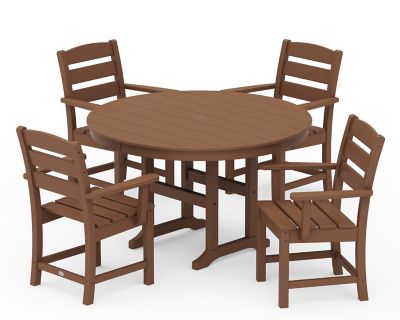
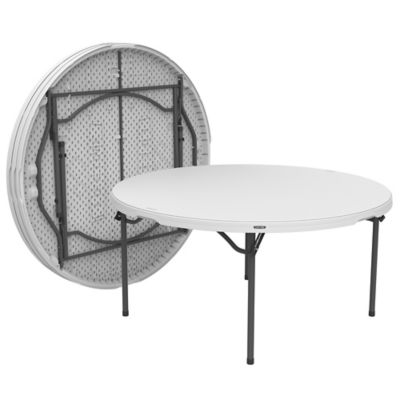
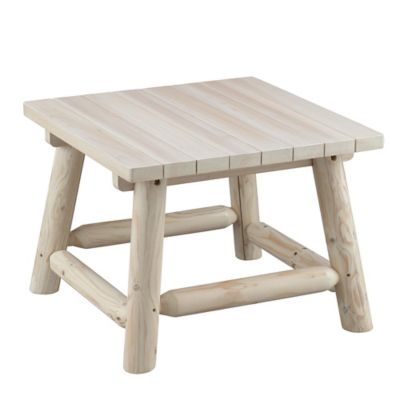
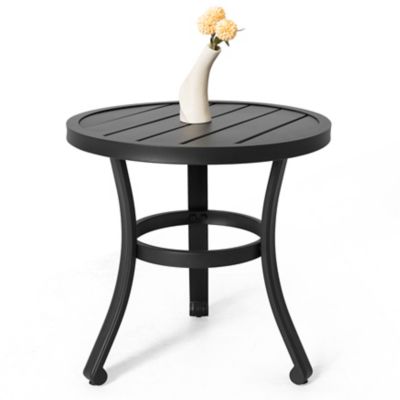
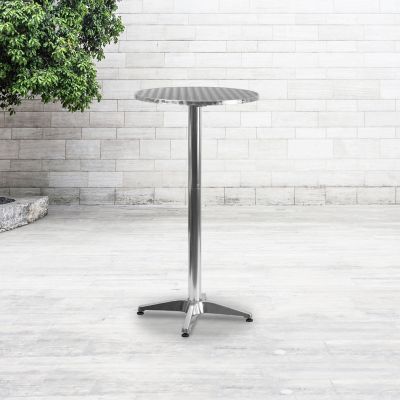
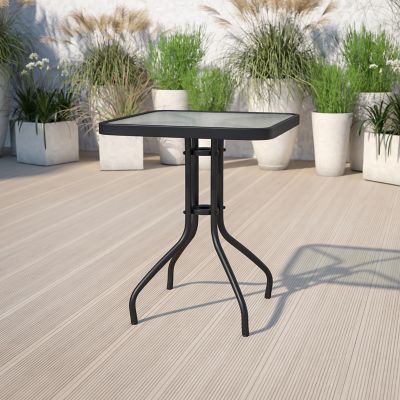
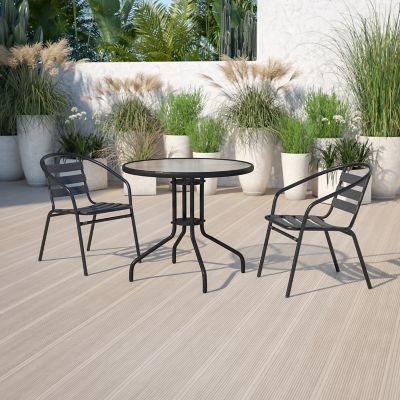
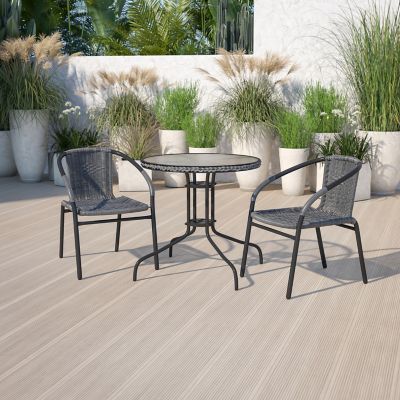
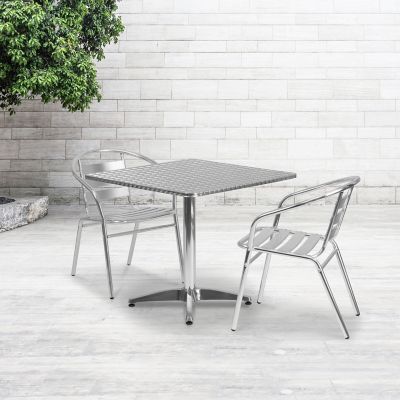
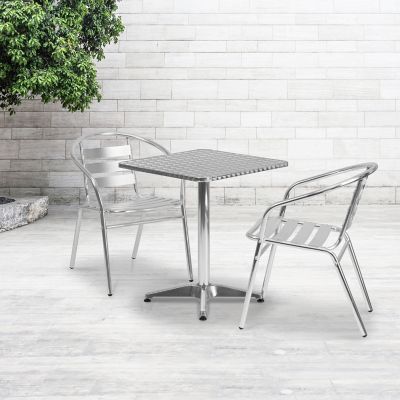
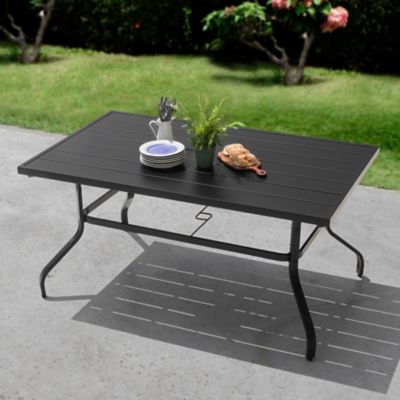
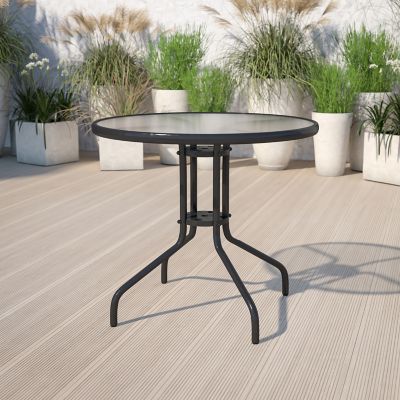
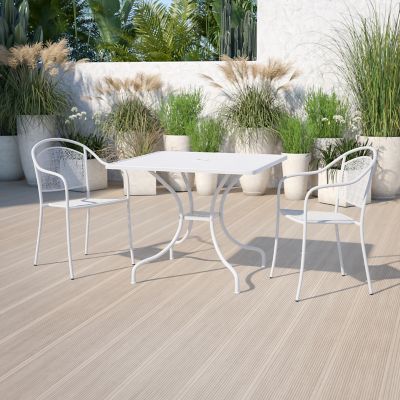
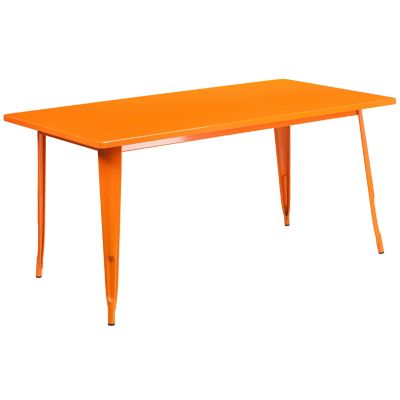
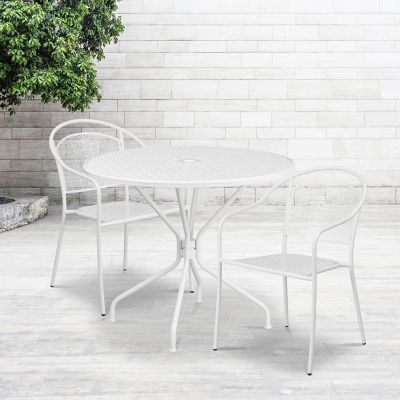
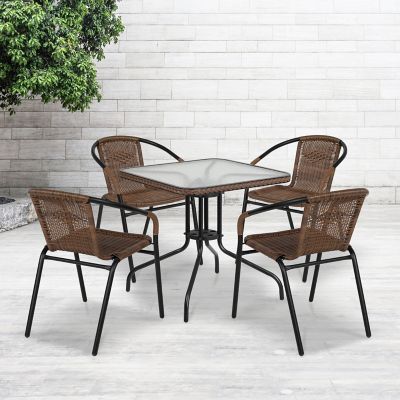
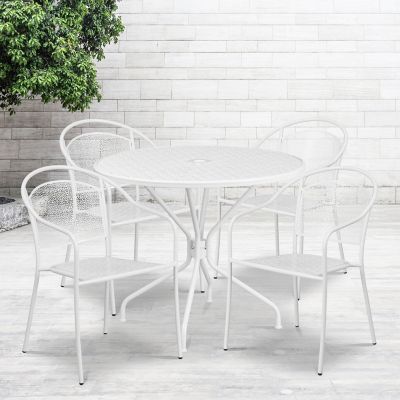
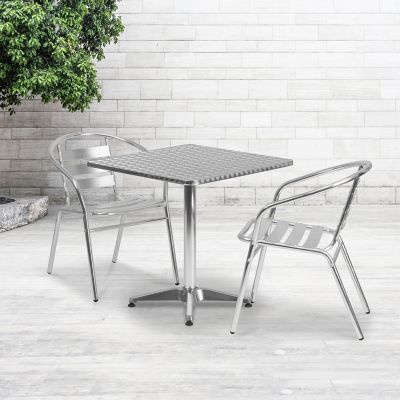
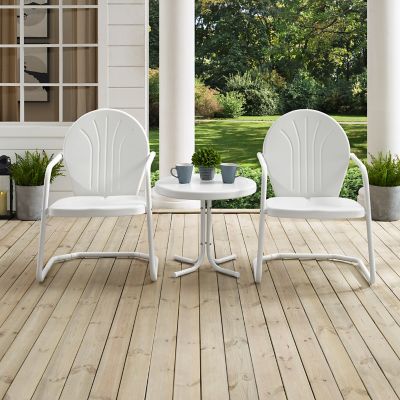
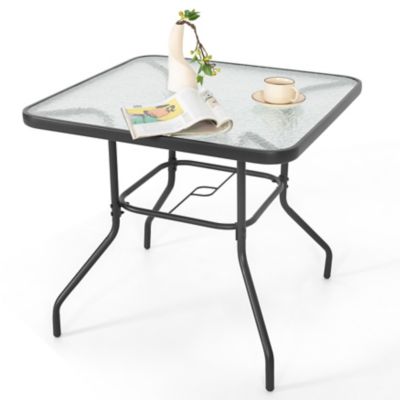
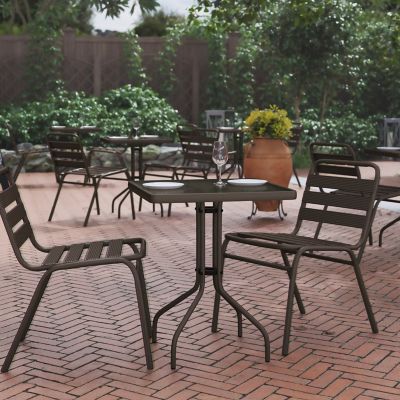
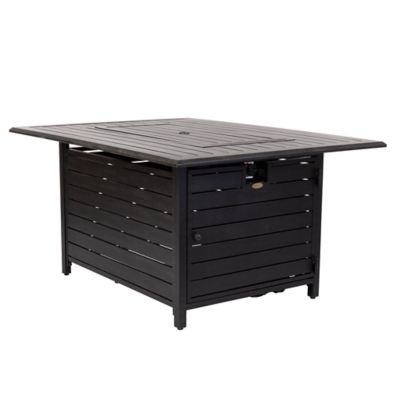
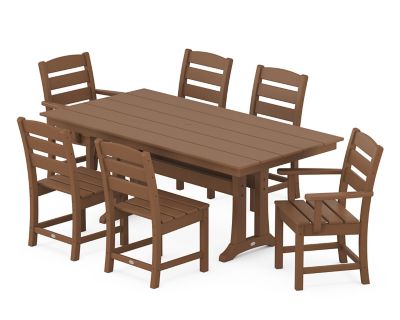
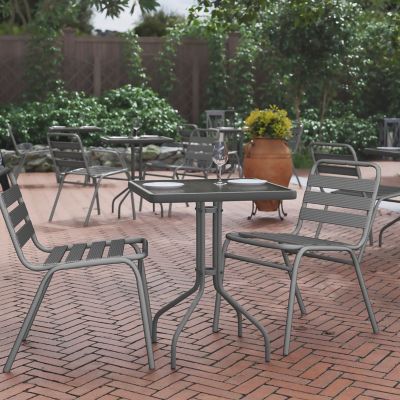
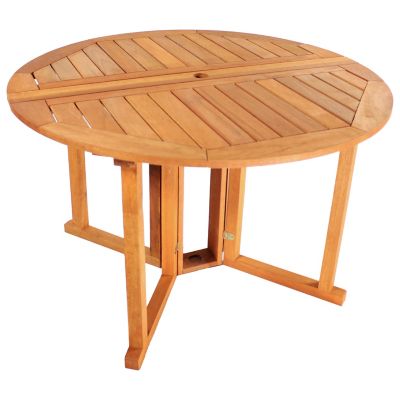
Patio tables give everyday outdoor spaces a place to gather, whether that means supper beside the back door, coffee on the porch, or a card game after the chores are done. The right table fits both the space and the way folks spend time there. A small round table can turn a porch corner into a comfortable spot for two, while a rectangular dining table gives a bigger group room for plates, serving bowls, and elbows. Square tables work well for compact seating arrangements, and oval tops offer extra length without sharp corners along the walkway. Coffee tables and side tables serve a different purpose, keeping drinks, books, and snacks within reach of a bench or lounge chair without taking over the sitting area. Before choosing a size, measure more than the empty patch of floor where the table will stand. Chairs need room to pull back, and people need a clear path between the table, doorway, steps, and grill. About 36 inches between the table edge and a wall or railing is a useful starting point, with more space helpful along a busy walkway. For dining, allowing roughly 24 inches of table edge per person can help keep place settings from feeling crowded, though wide chairs may need more. Households that regularly gather the whole crew can look toward
Large Patio Dining Tables for a roomier setup that suits shared meals and family visits. Table height matters just as much as width: dining, counter-height, and bar-height tables each call for seating that matches. Check the distance from the seat to the underside of the tabletop, including any apron beneath it, so knees and chair arms fit comfortably. A table that looks right by itself still needs to work with the chairs, the floor plan, and the people who will sit around it day after day.
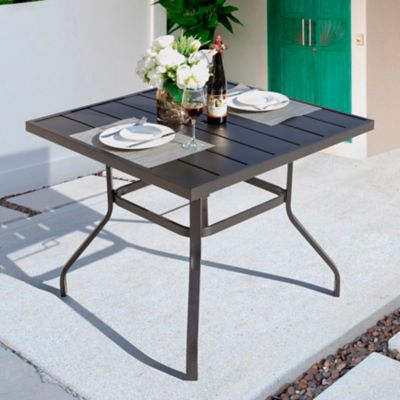
Materials shape a patio table’s appearance, weight, upkeep, and ability to stand up to regular outdoor life. Wood brings visible grain and a familiar feel that sits comfortably alongside porch rockers, brick steps, or a gravel courtyard. Different wood species have different care needs, so the finish and care directions deserve a close look. Some wood surfaces call for periodic oiling or sealing, while others are intended to develop a softer, aged appearance. Aluminum is generally lighter than steel, which can make rearranging a seating area easier, and it does not develop iron rust. Steel often adds heft, but protective coatings need attention if scratches expose the metal underneath. Cast metal designs can bring more detail to the base or tabletop, while simpler frames keep the overall look understated. Resin and plastic tables are often straightforward to wipe down, though their weight capacity and surface care requirements still vary. Glass tops offer a smooth surface for dining and cleanup; tempered glass is worth looking for, and edges should be protected from hard knocks. Stone and concrete tops can feel substantial and steady, but their weight makes placement more of a commitment, especially on an elevated deck. Porous surfaces may also need sealing to help limit staining. Beyond the material itself, look at how the table is put together. Braced legs, snug fasteners, and a base that sits level all contribute to a steadier place for a full pitcher or a board game. Slatted tops allow moisture to pass through, although the gaps can be less convenient for writing or setting down narrow glass bases. Solid tops give small objects a more continuous surface. For most finishes, a soft cloth, mild soap, and a thorough rinse are sensible basics when the care directions allow them. Promptly wiping up food spills, protecting the top from hot cookware, and checking hardware from time to time help keep the table ready for its next gathering.
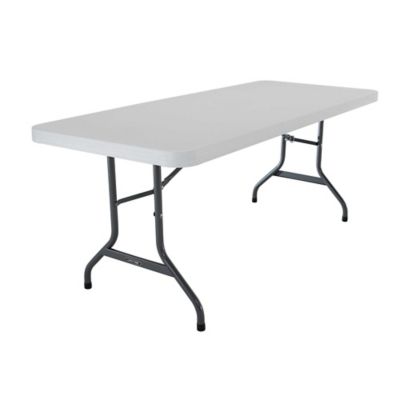
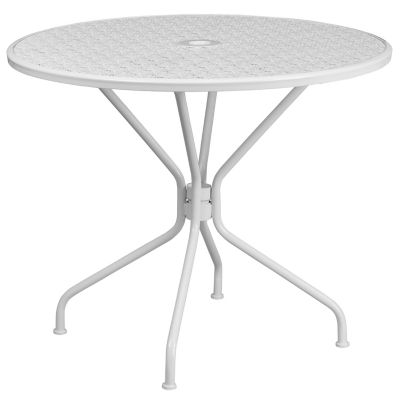
The details that make a patio table pleasant to live with often become clear during an ordinary meal. A broad base can feel steady but may compete with feet, while a pedestal can free up space around the edge if its footprint leaves enough legroom. Corner legs may limit where chairs fit, particularly when squeezing in an extra seat. An umbrella opening can support a shaded dining arrangement, but the hole diameter must match the umbrella pole, and the umbrella still needs a suitable base. Check beneath the table for braces that could interfere with that base rather than judging the opening alone. Adjustable feet can help a table sit evenly on a slightly irregular surface, although a firm, level location is still the best starting point. On a narrow porch, a folding table can make it easier to clear floor space when the gathering is over; check that its locking mechanism is fully engaged before setting out food. An extending tabletop suits households whose head count changes, provided there is enough surrounding room when it opens. Families with small children may appreciate rounded edges and an easy-to-clean surface, while anyone entertaining several generations will want to pay attention to chair access and comfortable seated reach. For a quieter corner, a side table should sit close enough to the chair that setting down a mug does not require leaning forward or twisting around. Patio tables can also make practical housewarming or wedding gifts when the recipient’s measurements and preferred seating style are known. Whether the setting is a broad farmhouse porch, a modest backyard patio, or a small deck off the kitchen, a well-matched table gives the space a clear purpose. It holds the breakfast plates, makes room for a neighbor’s visit, and provides a comfortable place to pause between one task and the next without making everyday care feel like another chore.