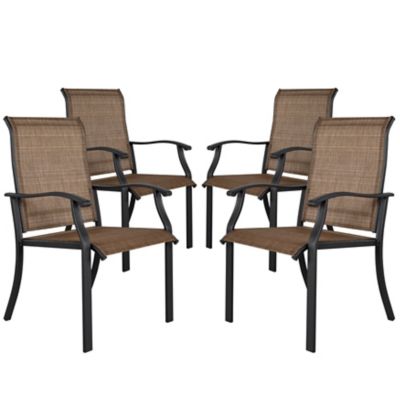
4th Of July Sale On Patio Dining Furniture
Get your backyard ready for summer gatherings with the 4th of July sale on patio dining furniture. Whether you're planning a family BBQ or just want to kick back and relax outdoors, now's the perfect time to refresh your space and save big. From cozy seating to spacious tables, you’ll find everything you need to make your celebrations comfortable and inviting. Don’t miss out on these limited-time deals to make your outdoor dining area the star of the season!
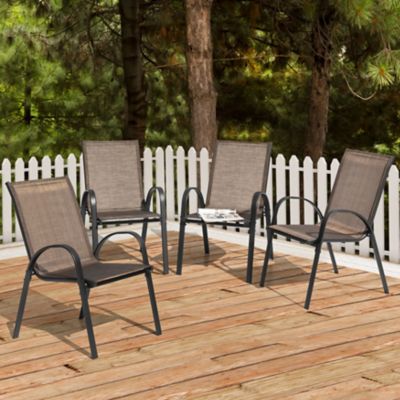
$91
.99
Sale Was $119.99 Save $28.00 (23%)
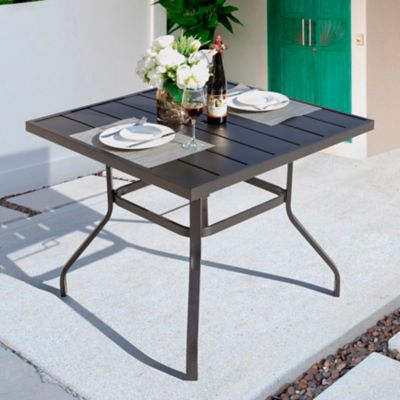
$86
.99
Sale Was $149.99 Save $63.00 (42%)
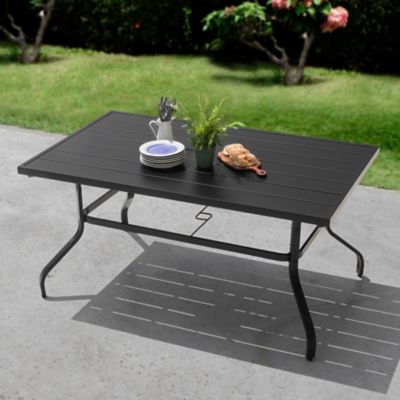
$155
.99
Sale Was $249.99 Save $94.00 (38%)
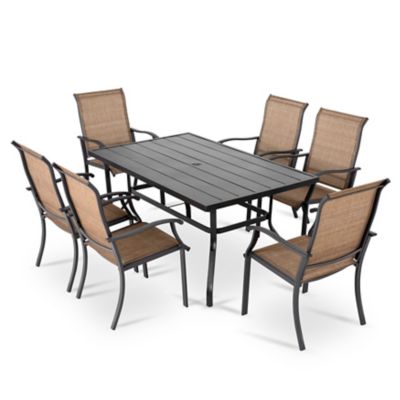
$385
.99
Sale Was $559.99 Save $174.00 (31%)
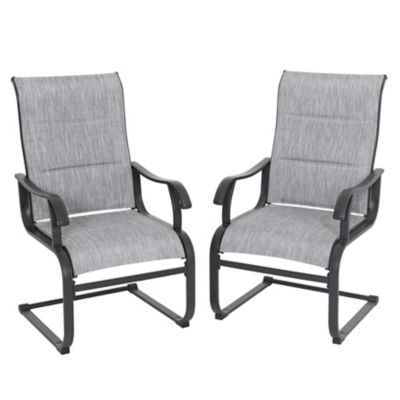
$133
.99
Sale Was $149.99 Save $16.00 (11%)
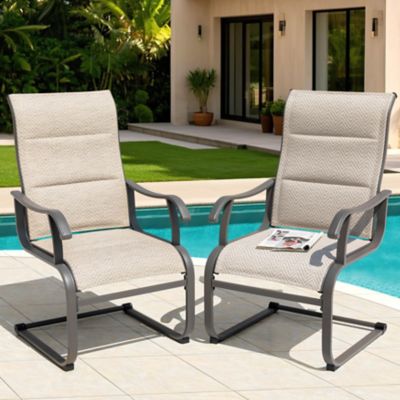
$113
.99
Sale Was $139.99 Save $26.00 (19%)
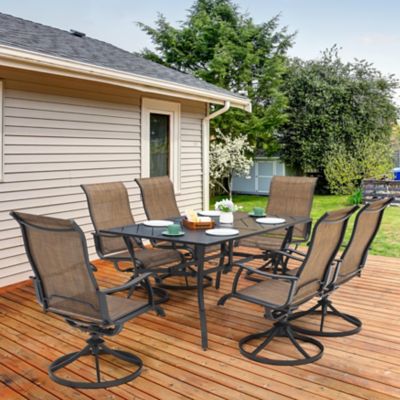
$584
.99
Sale Was $699.99 Save $115.00 (16%)
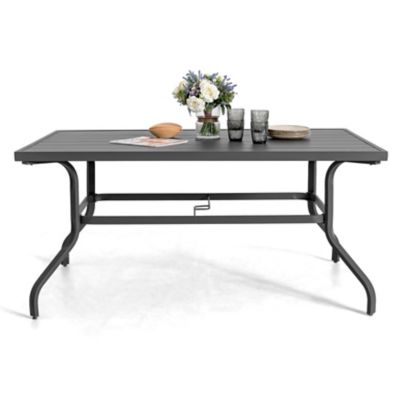
$134
.99
Sale Was $199.99 Save $65.00 (33%)
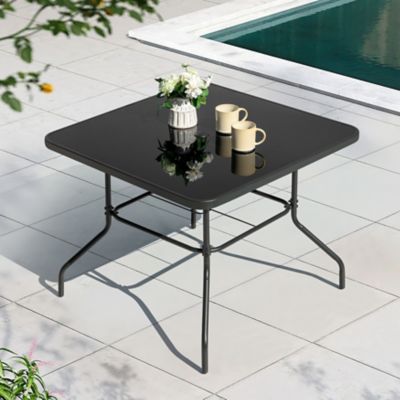
$46
.99
Sale Was $61.99 Save $15.00 (24%)
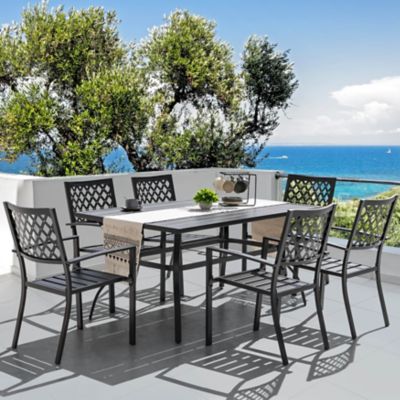
$441
.99
Sale Was $699.99 Save $258.00 (37%)
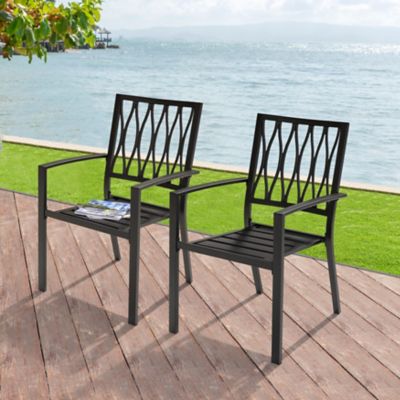
$94
.99
Sale Was $109.99 Save $15.00 (14%)
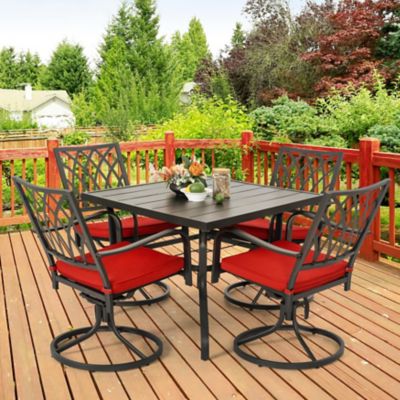
$394
.99
Sale Was $549.99 Save $155.00 (28%)
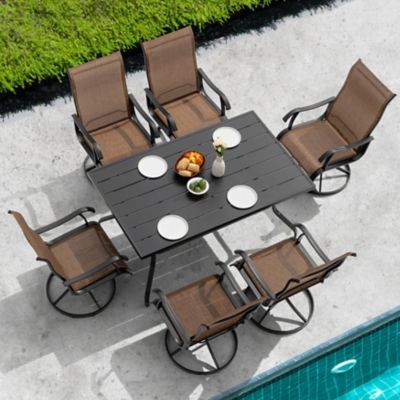
$556
.99
Sale Was $689.99 Save $133.00 (19%)
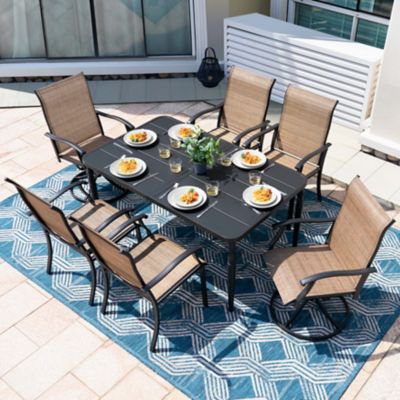
$390
.99
Sale Was $503.99 Save $113.00 (22%)
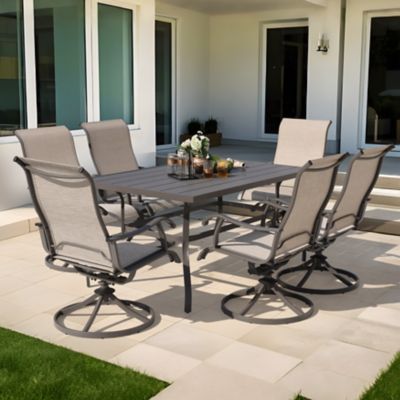
$562
.99
Sale Was $629.99 Save $67.00 (11%)
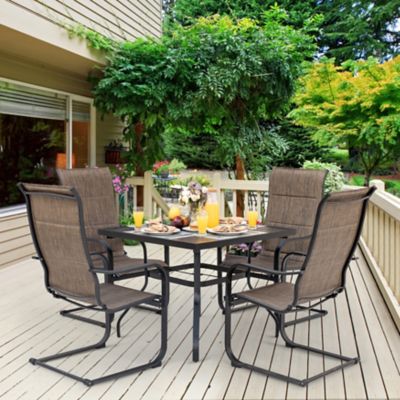
$284
.99
Sale Was $389.99 Save $105.00 (27%)
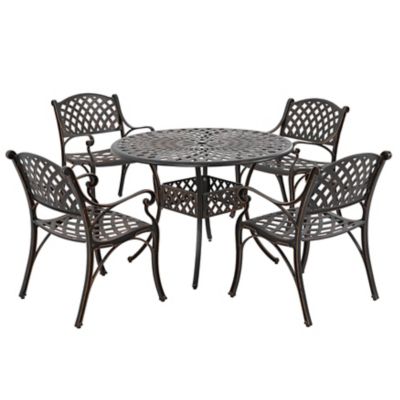
$550
.99
Sale Was $719.99 Save $169.00 (23%)
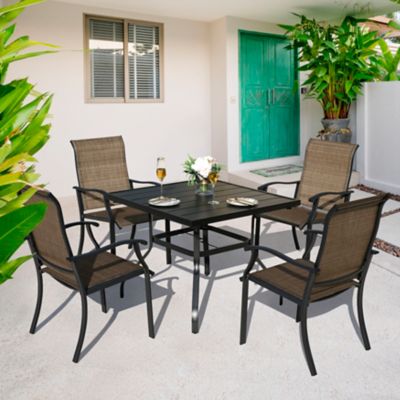
$242
.99
Sale Was $369.99 Save $127.00 (34%)
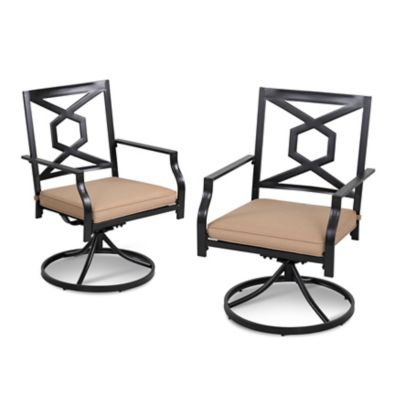
$166
.99
Sale Was $249.99 Save $83.00 (33%)
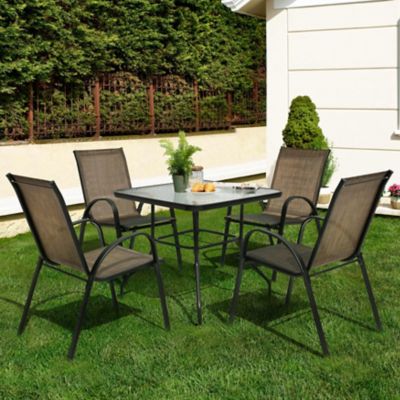
$129
.99
Sale Was $159.99 Save $30.00 (19%)
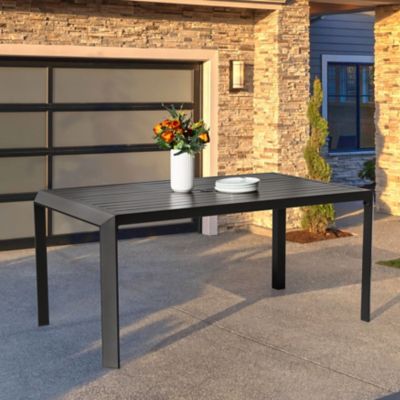
$225
.99
Sale Was $278.99 Save $53.00 (19%)
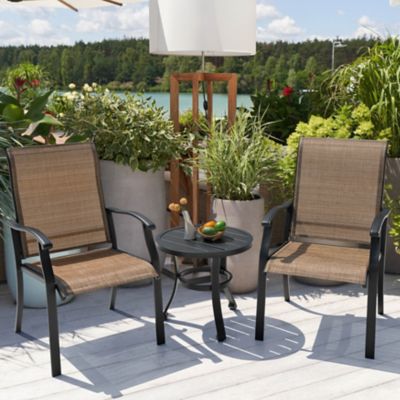
$131
.99
Sale Was $239.99 Save $108.00 (45%)
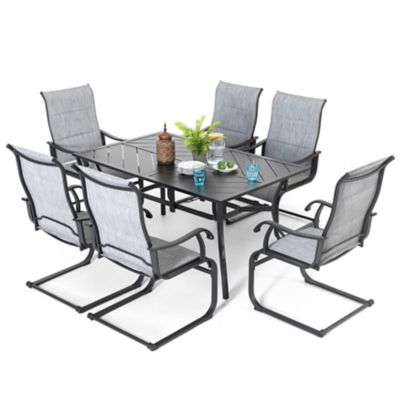
$496
.99
Sale Was $559.99 Save $63.00 (11%)
$546
.99
Sale Was $699.99 Save $153.00 (22%)
Best Of FAQ
What materials are commonly found in patio dining furniture?
Patio dining furniture is often crafted from materials like metal, wood, wicker, and certain plastics. These options are selected for their ability to handle outdoor conditions while providing comfort and style.
How do I care for my patio dining furniture to keep it looking new?
To keep your patio dining furniture looking its best, regularly clean it with mild soap and water, cover or store it during harsh weather, and periodically check for any needed maintenance such as tightening bolts or treating wood surfaces.
Can patio dining furniture be left outside year-round?
Many patio dining sets are designed to handle outdoor exposure, but it's recommended to use covers or store them indoors during extreme weather to extend their lifespan and maintain their appearance.
What features should I look for in patio dining furniture for entertaining guests?
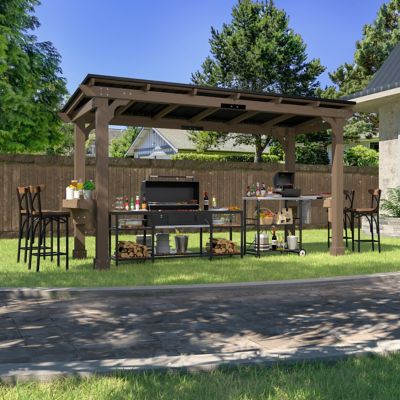
When choosing patio dining furniture for entertaining, consider features like comfortable seating, ample table space, easy-to-clean surfaces, and options for shade such as umbrellas or pergolas.
Are there specific styles of patio dining furniture that work well for Fourth of July gatherings?
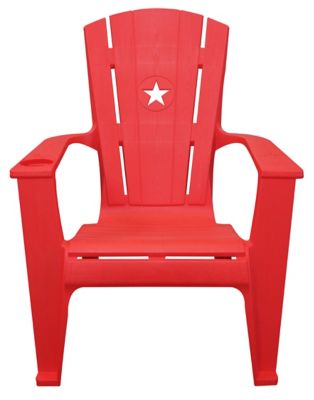
For Fourth of July gatherings, look for patio dining sets that offer plenty of seating and a festive atmosphere. Styles with bright colors or classic Americana designs can help create a celebratory outdoor space perfect for holiday entertaining.
Best Sellers
-
"Love the table it’s a great addition"
-
"The build quality wasn't the best. I ended up having to glue a bunch of it after it fell apart"
-
"Great Chairs we love them"
-
"Great quality for the money. Solid and sturdy"
-
"The chairs are great. We purchased them to match the 2 pc. swivel dining chairs"