Fourth Of July Sale On Patio Folding Furniture
Patio Folding Furniture Fourth of July Sale is here, and it's the perfect time to get your outdoor space ready for summer gatherings. Whether you're planning a backyard barbecue or just want a comfy spot to relax after chores, you’ll find plenty of easy-to-move options at prices worth celebrating. Gather your friends and family, fire up the grill, and make the most of your porch or patio with deals that'll help you kick back in style.
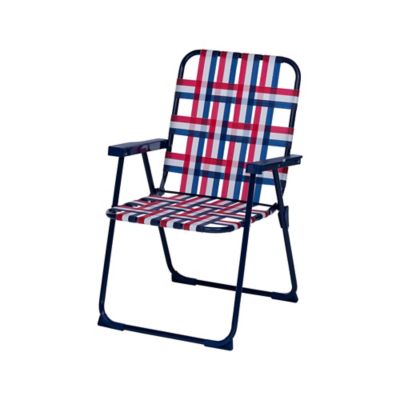
$14
.99
Sale Was $24.99 Save $10.00 (40%)
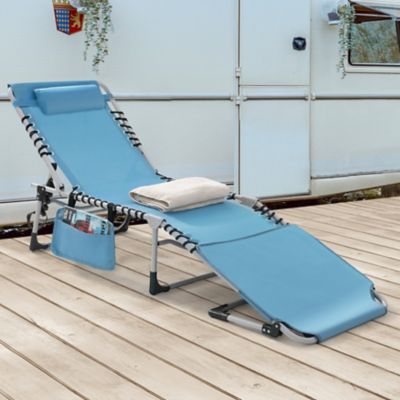
$57
.99
Sale Was $99.99 Save $42.00 (42%)
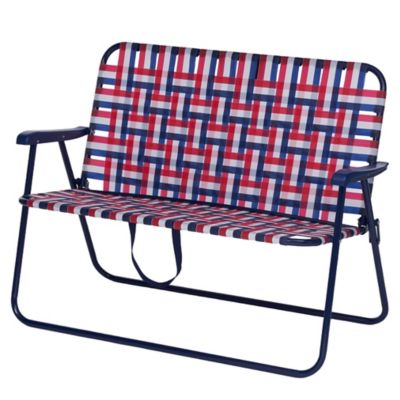
$19
.99
Sale Was $49.99 Save $30.00 (60%)
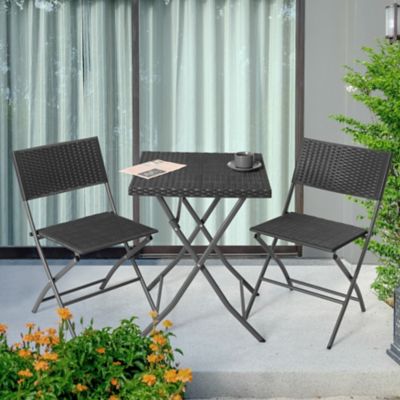
$91
.99
Sale Was $109.99 Save $18.00 (16%)

$58
.99
Sale Was $79.99 Save $21.00 (26%)

$48
.99
Sale Was $69.99 Save $21.00 (30%)
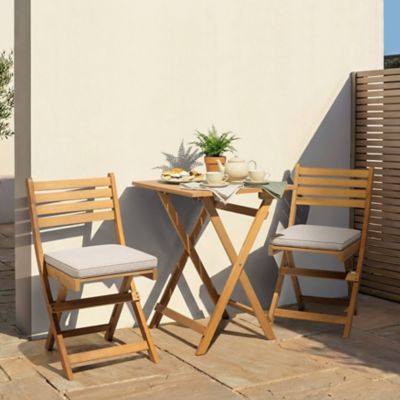
$111
.99
Sale Was $138.99 Save $27.00 (19%)
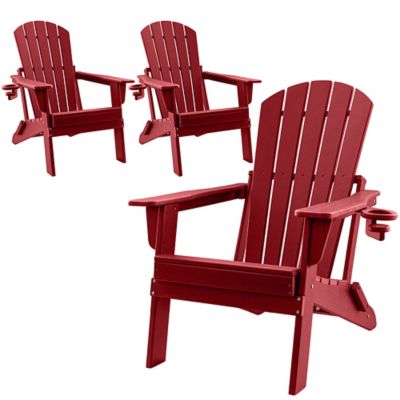
$296
.99
Sale Was $328.99 Save $32.00 (10%)
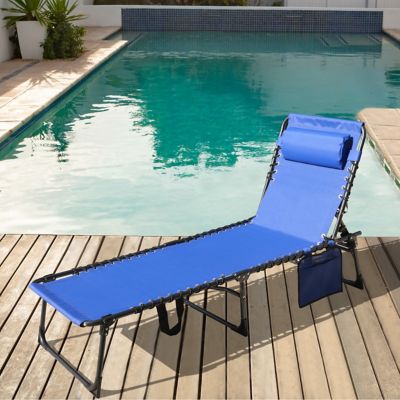
$51
.99
Sale Was $69.99 Save $18.00 (26%)

$125
.99
Sale Was $139.99 Save $14.00 (10%)
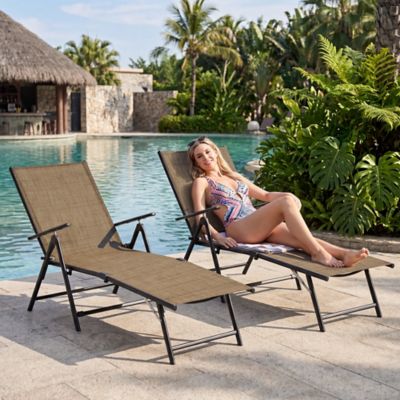
$70
.99
Sale Was $83.99 Save $13.00 (15%)
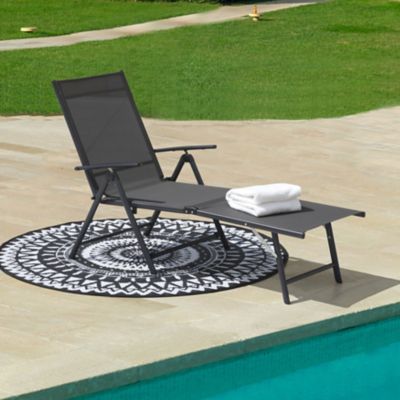
$57
.99
Sale Was $89.99 Save $32.00 (36%)
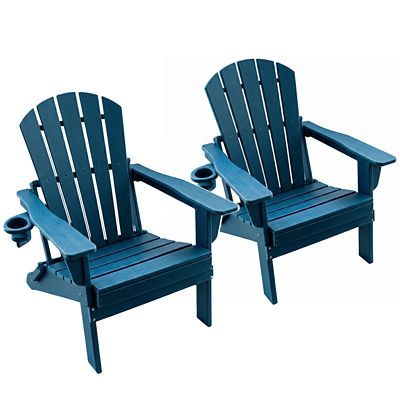
$240
.99
Sale Was $266.99 Save $26.00 (10%)
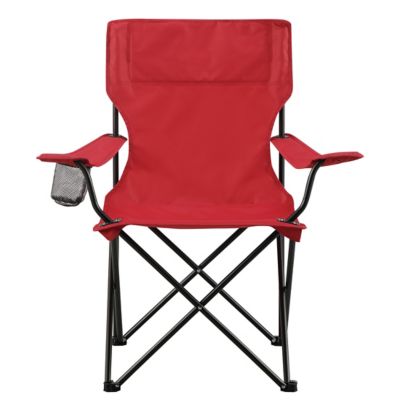
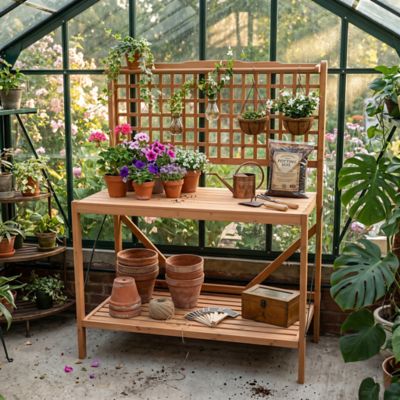
$206
.99
Sale Was $229.99 Save $23.00 (10%)

$215
.99
Sale Was $238.99 Save $23.00 (10%)
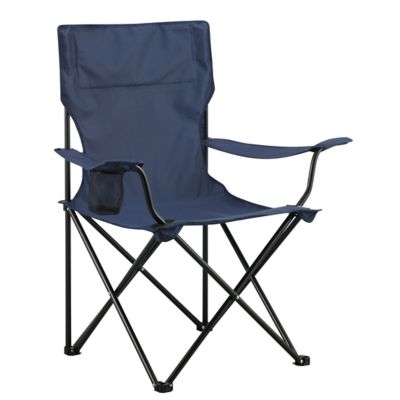
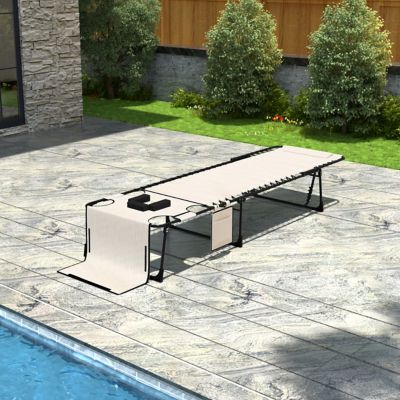
$53
.99
Sale Was $59.99 Save $6.00 (10%)
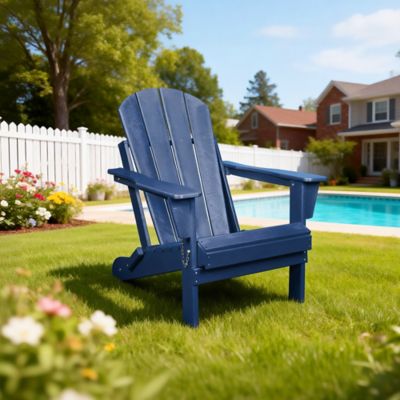
$115
.99
Sale Was $179.99 Save $64.00 (36%)

$386
.99
Sale Was $429.99 Save $43.00 (10%)
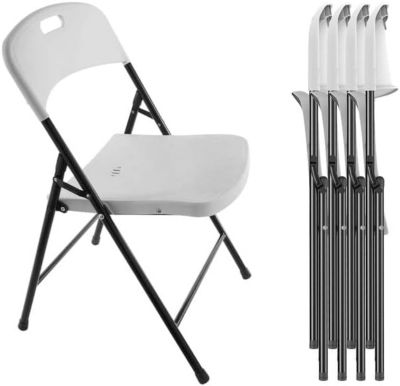
$99
.99
Sale Was $129.99 Save $30.00 (23%)

$106
.99
Sale Was $118.99 Save $12.00 (10%)
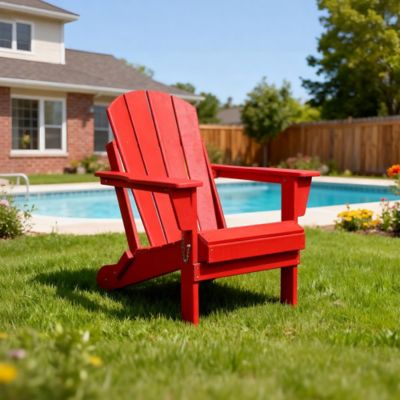
$115
.99
Sale Was $179.99 Save $64.00 (36%)
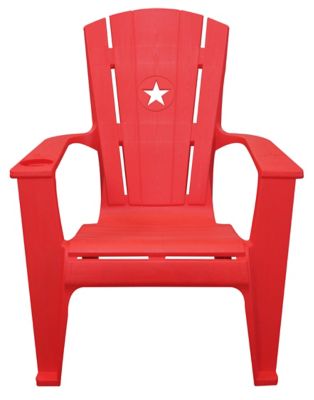
$12
.49
Sale Was $24.99 Save $12.50 (50%)
Best Of FAQ
What are the benefits of choosing folding patio furniture for outdoor gatherings?
Folding patio furniture is lightweight, portable, and easy to store, making it ideal for outdoor gatherings like Fourth of July celebrations. Its flexibility allows you to quickly set up extra seating or tables as needed and conveniently tuck them away when not in use.
How do I care for and maintain my folding patio furniture?
To keep your folding patio furniture in great condition, regularly wipe down surfaces with mild soap and water, dry thoroughly to prevent rust or mildew, and store indoors or under a cover when not in use. Periodically check hinges and joints for smooth operation.
Can folding patio furniture work well on different surfaces like grass or concrete?
Yes, folding patio furniture is designed for versatility and can be placed on various surfaces such as grass, concrete, decks, or patios. Just ensure the ground is level to provide stability for chairs and tables.
What materials are commonly found in folding patio furniture?
Folding patio furniture often features metal, plastic, wood, or weather-resistant fabrics. Each material offers benefits such as durability, lightweight design, or classic style to suit your outdoor space.
Are there matching accessories available for folding patio furniture sets?
Many folding patio furniture collections offer coordinating accessories such as cushions, umbrellas, or side tables. These accessories can enhance comfort and style while helping you create a cohesive look for your Fourth of July celebration.
Best Sellers
-
"The chairs are super comfy and I love the gentle rocking motion. The fabric is super cute too"
-
"Love these they fit perfit on our back porch"
-
"I got the best price on the Internet here, and very good customer service, quick delivery, and great"
-
"The chairs are super comfy and I love the gentle rocking motion. The fabric is super cute too"
-
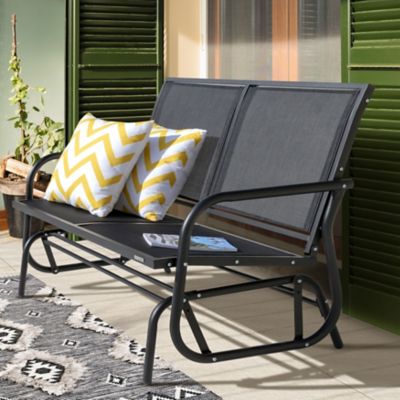
"I love this glider! Well made,great value,very comfortable"