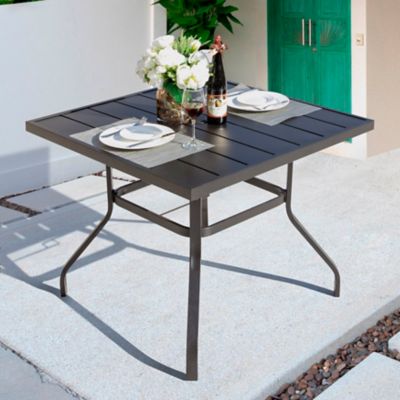
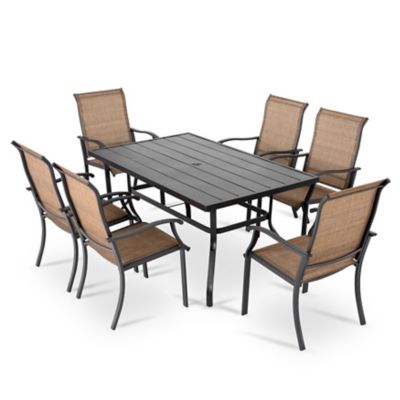
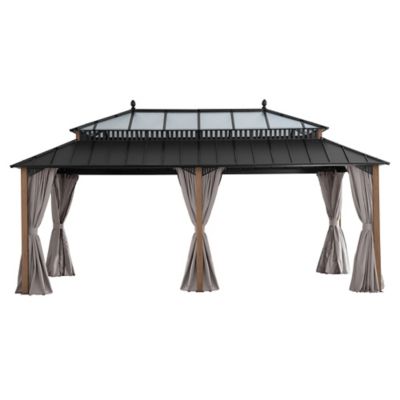
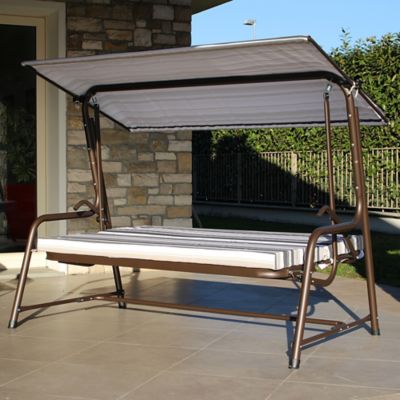
4th Of July Sale On Patio Deck Furniture With Fire Feature
Get your backyard ready for summer gatherings with our 4th of July sale on patio deck furniture with fire feature. Whether you're planning a big barbecue or just want to kick back under the stars, now's the time to spruce up your outdoor space. Enjoy savings on cozy seating and fire features that help keep the good times going long after the fireworks fade. Make this Independence Day extra special by creating a spot where friends and family love to gather.
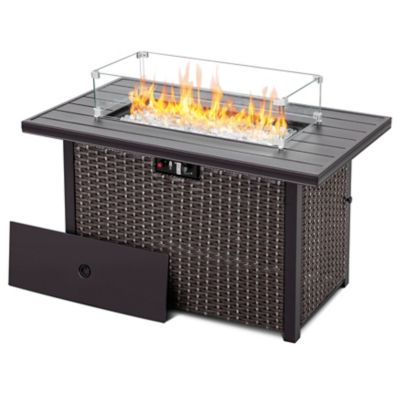
$354
.99
Sale Was $449.99 Save $95.00 (21%)
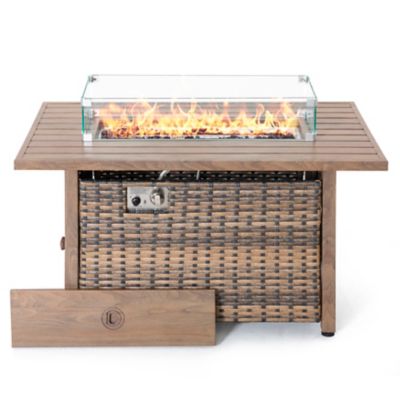
$259
.99
Sale Was $359.99 Save $100.00 (28%)
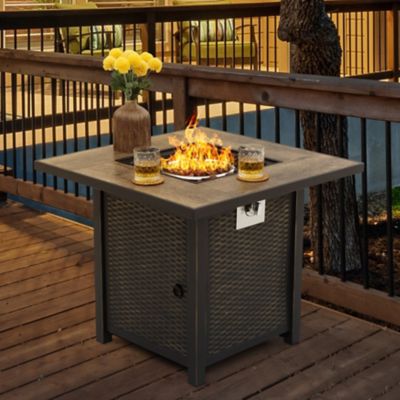
$189
.99
Sale Was $259.99 Save $70.00 (27%)
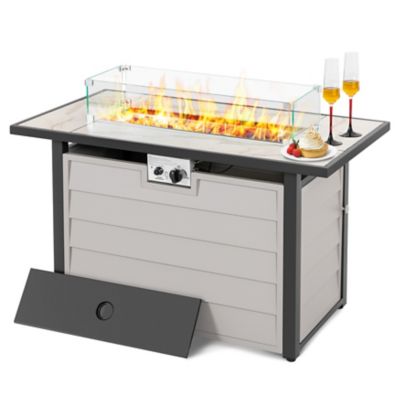
$259
.99
Sale Was $329.99 Save $70.00 (21%)
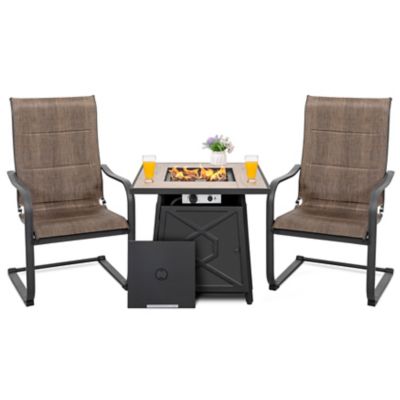
$289
.99
Sale Was $389.99 Save $100.00 (26%)
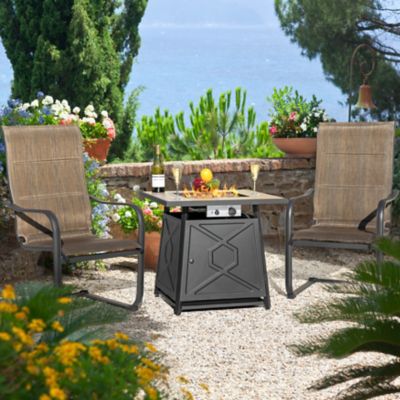
$295
.99
Sale Was $399.99 Save $104.00 (26%)
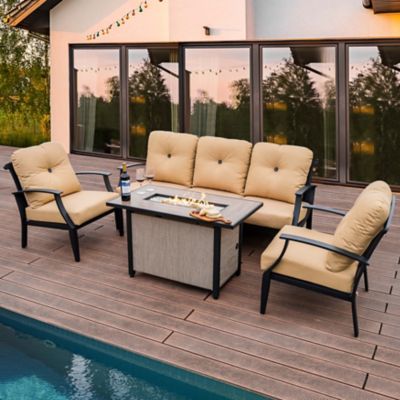
$902
.99
Sale Was $1,299.99 Save $397.00 (31%)
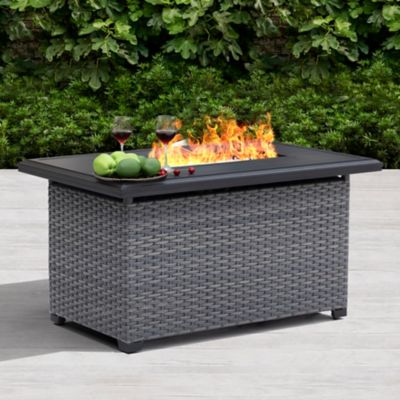
$509
.99
Sale Was $739.99 Save $230.00 (31%)
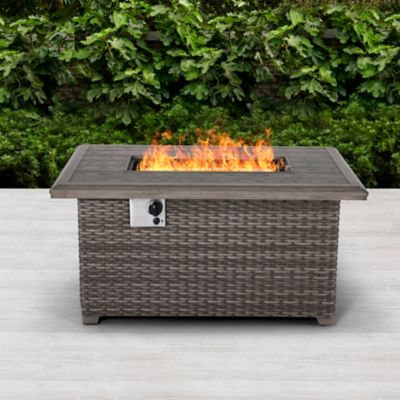
$538
.99
Sale Was $669.99 Save $131.00 (20%)
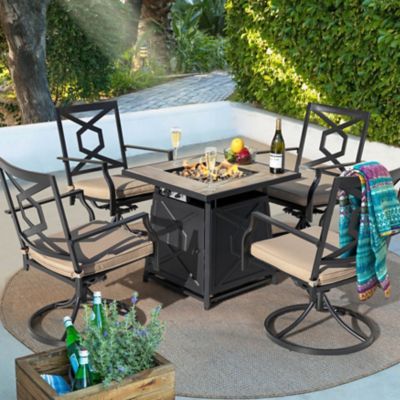
$534
.99
Sale Was $716.99 Save $182.00 (25%)
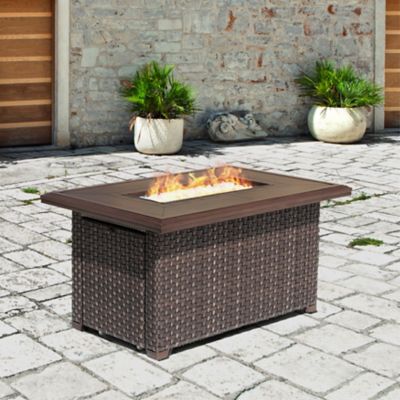
$596
.99
Sale Was $849.99 Save $253.00 (30%)
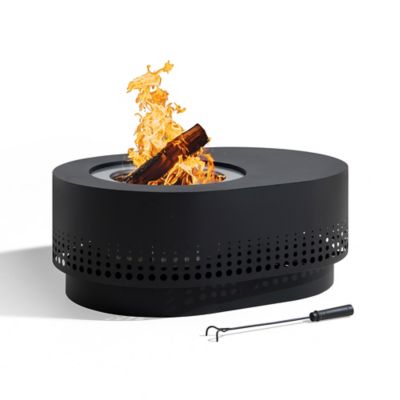
$194
.99
Sale Was $239.99 Save $45.00 (19%)
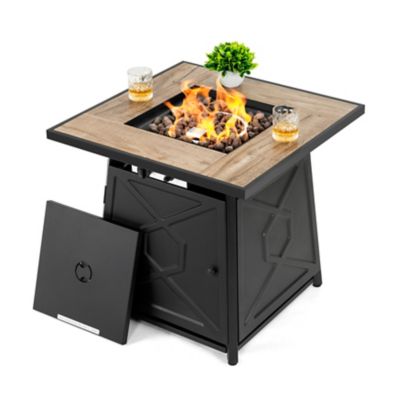
$174
.99
Sale Was $249.99 Save $75.00 (30%)
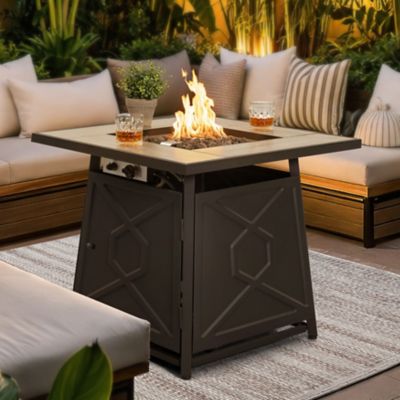
$169
.99
Sale Was $239.99 Save $70.00 (29%)
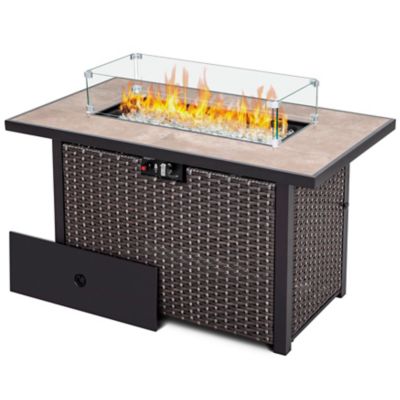
$339
.99
Sale Was $399.99 Save $60.00 (15%)
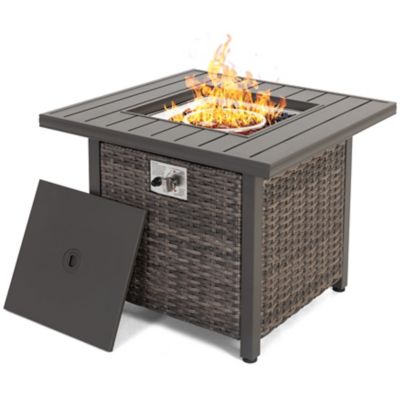
$196
.99
Sale Was $299.99 Save $103.00 (34%)
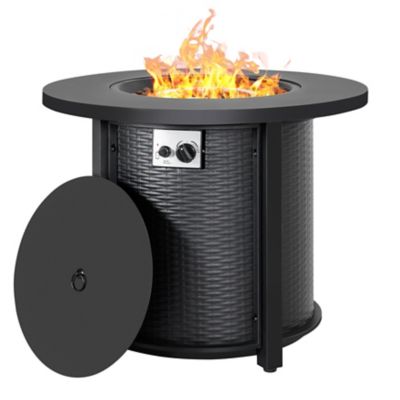
$219
.99
Sale Was $259.99 Save $40.00 (15%)
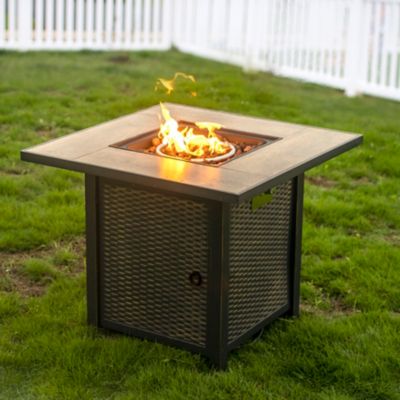
$185
.99
Sale Was $229.99 Save $44.00 (19%)

$234
.99
Sale Was $319.99 Save $85.00 (27%)

$250
.99
Sale Was $279.99 Save $29.00 (10%)
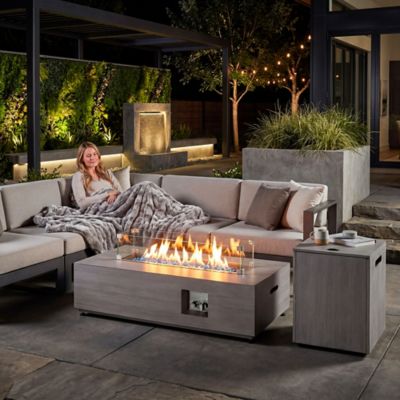
$253
.99
Sale Was $392.99 Save $139.00 (35%)
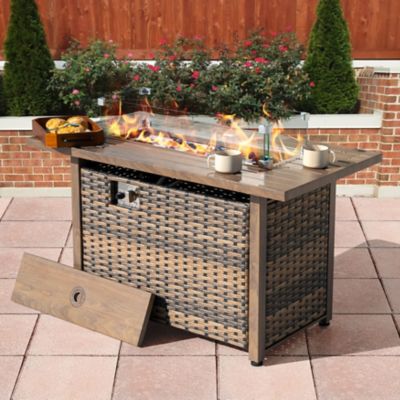
$253
.99
Sale Was $309.99 Save $56.00 (18%)
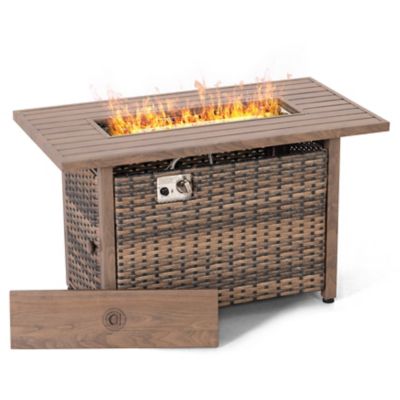
$230
.99
Sale Was $289.99 Save $59.00 (20%)
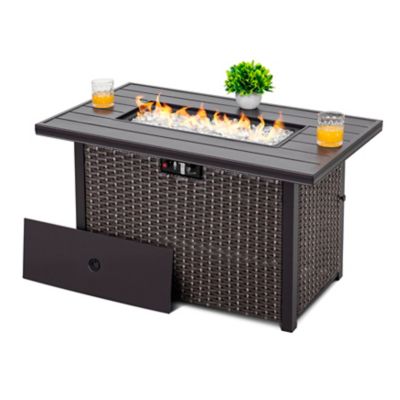
$344
.99
Sale Was $449.99 Save $105.00 (23%)
Best Of FAQ
What are the benefits of choosing patio deck furniture with a fire feature for summer gatherings?
Patio deck furniture with a fire feature creates a cozy and inviting atmosphere, making it perfect for entertaining guests during summer events like Fourth of July celebrations. The fire feature provides warmth on cooler evenings and serves as a stylish focal point for your outdoor space.
How do I maintain my patio furniture with a fire feature to keep it looking its best?
To maintain your patio furniture with a fire feature, regularly clean the surfaces with mild soap and water, cover the set when not in use, and ensure the fire feature is free from debris. Following manufacturer care instructions will help extend the life and appearance of your furniture.
Can patio furniture with a fire feature be enjoyed year-round?
Yes, many patio furniture sets with fire features are designed for enjoyment throughout all seasons. The fire element allows you to make the most of your outdoor space even during cooler months, making these sets versatile additions to your backyard or deck.
What materials are commonly found in patio deck furniture with fire features?
Patio deck furniture with fire features often features powder-coated steel, aluminum, all-weather wicker, and tempered glass. These materials are selected for their ability to handle outdoor conditions while providing style and comfort.
How can I create a festive Fourth of July atmosphere using patio furniture with a fire feature?
To create a festive Fourth of July atmosphere, arrange your patio furniture around the fire feature for easy conversation, add patriotic-themed cushions or tableware, string up lights or banners, and use the fire feature as a centerpiece for roasting marshmallows or enjoying evening fireworks.
Best Sellers
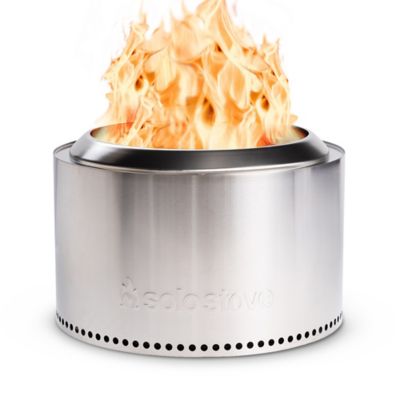
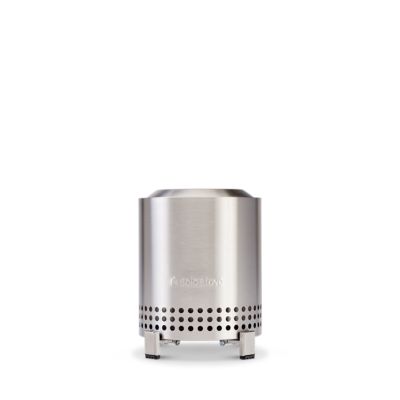
-
"Love these tables .Made well and perfect size"
-
"Had an issue with table not being delivered, but customer service was great and I received next day"
-
"Love how customizable it is"
-
"Had an issue with table not being delivered, but customer service was great and I received next day"
-
"We love it. Comfortable. The directions were less then desirable"