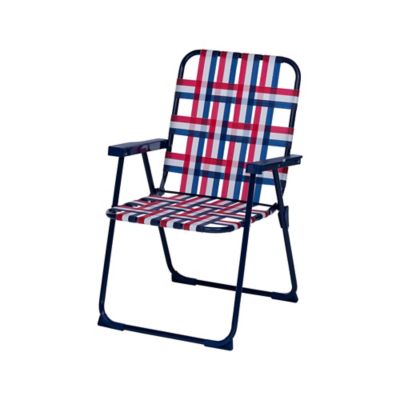
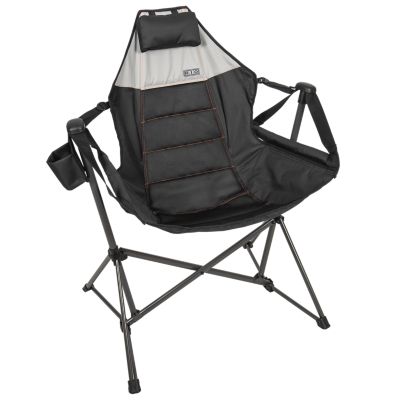
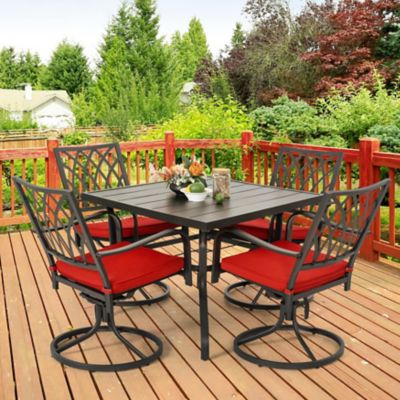
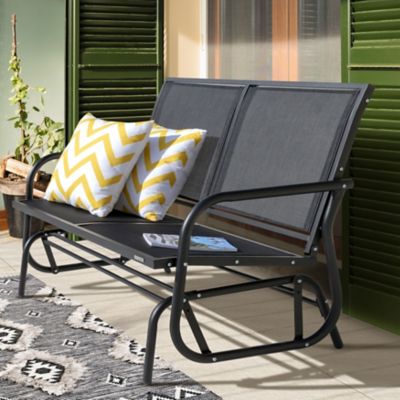
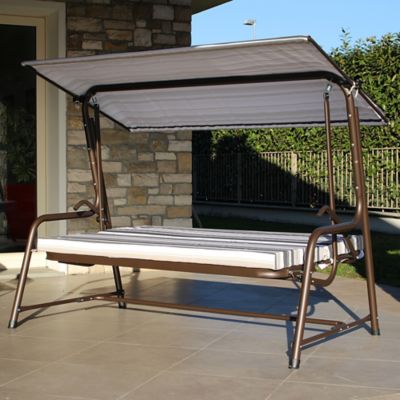
4th Of July Sale On Patio Conversation Chairs With Cushions
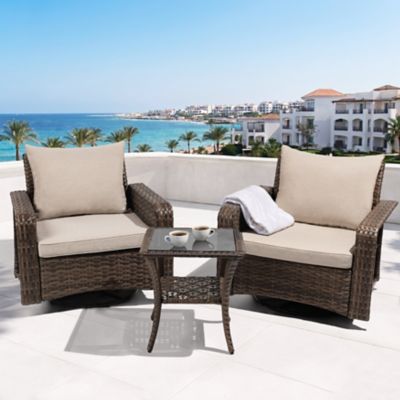
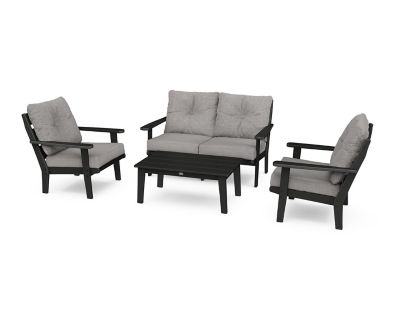
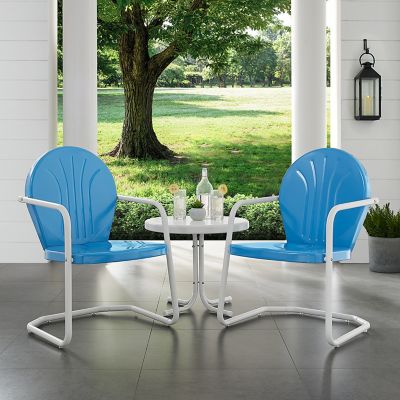
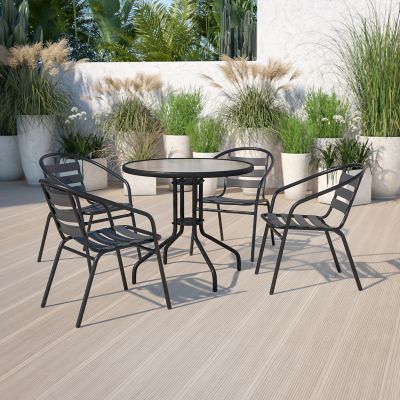
Get ready to kick back and celebrate with the 4th of July sale on patio conversation chairs with cushions. It’s the perfect time to spruce up your outdoor space and enjoy those summer evenings with family and friends. Whether you’re hosting a backyard barbecue or just relaxing after a long day, these comfy chairs make it easy to settle in and soak up the holiday vibes. Take advantage of special savings and give your porch, deck, or patio a fresh new look just in time for Independence Day.
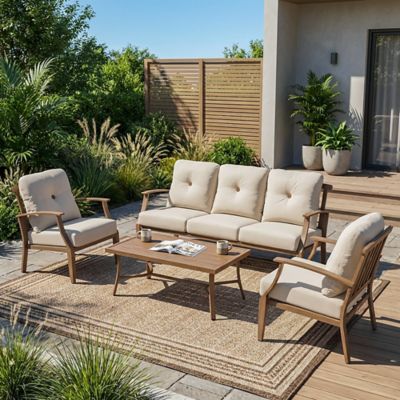
$1,463
.99
Sale Was $1,699.99 Save $236.00 (14%)
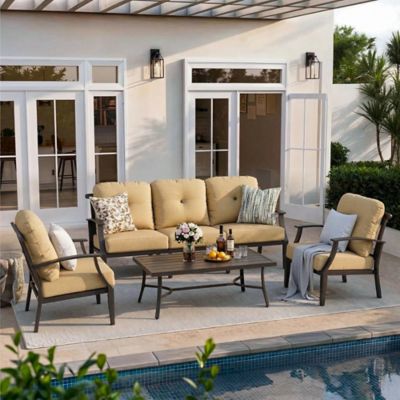
$1,457
.99
Sale Was $1,699.99 Save $242.00 (14%)
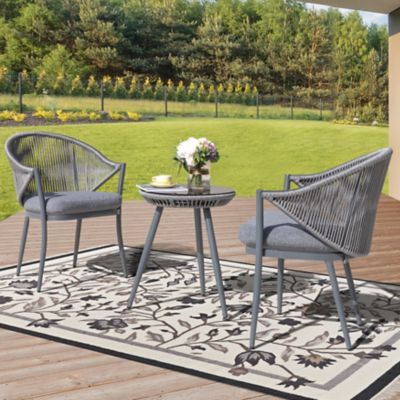
$183
.99
Sale Was $399.99 Save $216.00 (54%)
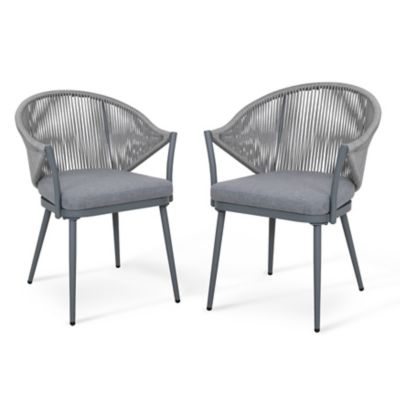
$100
.99
Sale Was $189.99 Save $89.00 (47%)
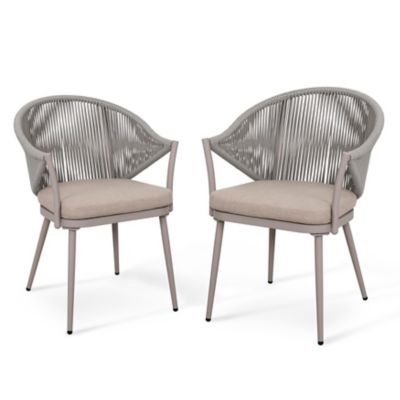
$156
.99
Sale Was $279.99 Save $123.00 (44%)

$138
.99
Sale Was $239.99 Save $101.00 (42%)
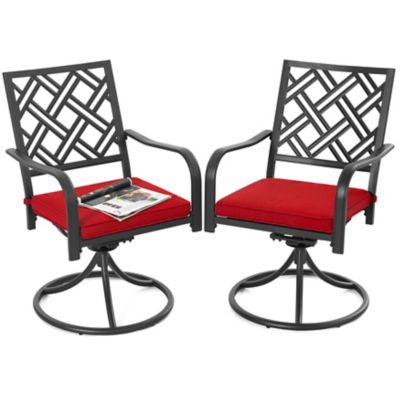
$154
.99
Sale Was $209.99 Save $55.00 (26%)
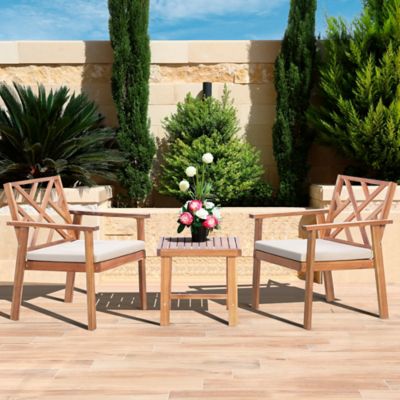
$367
.99
Sale Was $433.99 Save $66.00 (15%)
Best Of FAQ
What materials are commonly found in patio conversation chairs with cushions?
Patio conversation chairs with cushions are often crafted from materials such as wicker, metal, aluminum, or weather-resistant wood. The cushions typically feature outdoor fabrics like polyester or acrylic that resist fading and moisture.
How do I care for and maintain patio conversation chair cushions?
To keep your patio chair cushions looking their best, regularly brush off dirt and debris, spot clean with mild soap and water, and allow them to air dry completely. Storing cushions indoors or in a waterproof container when not in use can help extend their lifespan.
Are patio conversation chairs with cushions suitable for year-round outdoor use?
Many patio conversation chairs are designed to withstand various weather conditions, but it’s recommended to cover or store both the chairs and cushions during extreme weather or winter months to preserve their appearance.
Can I mix and match different styles of patio conversation chairs with my existing outdoor furniture?
Yes, mixing and matching different styles of patio conversation chairs can create a personalized look for your outdoor space. Consider coordinating colors, materials, or cushion patterns to achieve a cohesive design.
What features should I look for when choosing patio conversation chairs with cushions for entertaining guests?
Look for features such as comfortable cushioning, sturdy frames, easy-to-clean fabrics, and ergonomic designs. Chairs that are lightweight or stackable can also make rearranging your seating area easier when hosting gatherings.
Best Sellers
-
"I love the chair. I am not good at copy and paste, It came up poor and that's not what I wanted"
-
"Great and easy to put together, got them on a good sale, very comfy as someone who likes to rock in a"
-
"It looks great and was easy to assemble. Feels sturdy, made of quality materials"
-
"I love this glider! Well made,great value,very comfortable"
-
"We love it. Comfortable. The directions were less then desirable"