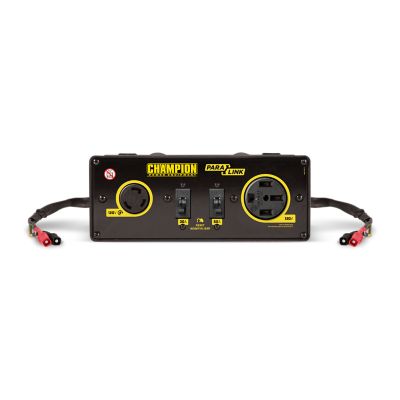
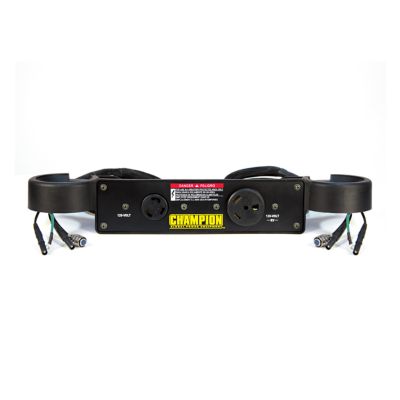
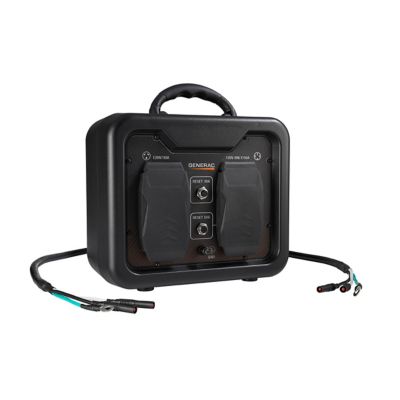
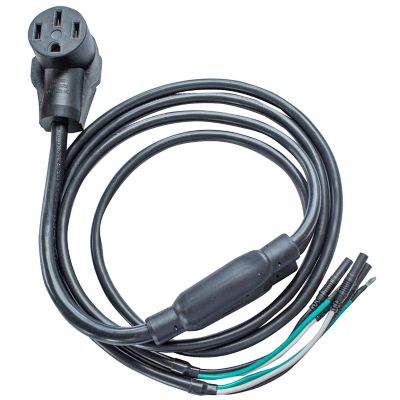
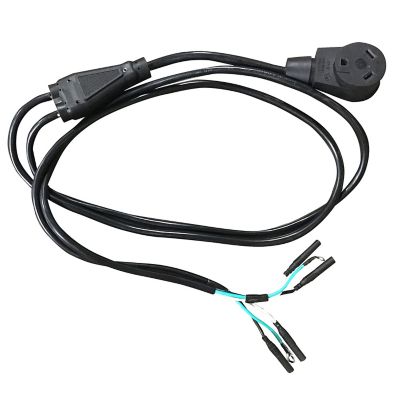
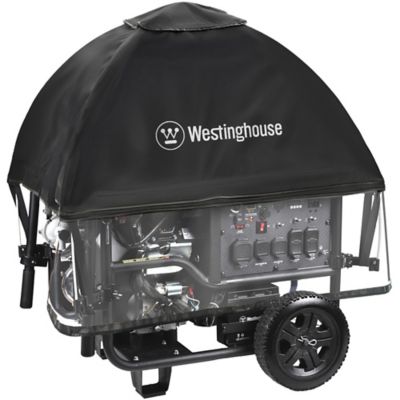
Parallel kits for generators connect two compatible, parallel-ready inverter generators so they can share an electrical load and supply more power than either unit can provide alone. That added capacity can make a difference at a campsite, beside a work trailer, or out near a barn where an outlet is a long way off. Instead of replacing a smaller generator with one larger machine, a compatible two-generator setup gives you the option of running one unit for lighter demand and pairing both when the job calls for more. The kit provides the designated electrical connections between the generators and, depending on its design, a separate outlet panel for plugging in equipment. Some systems also include communication connections that help the generators coordinate their output. Two matched generators may deliver close to twice the running wattage of one, but the usable total depends on the generator manufacturer’s specifications, the kit’s rating, and the limits of each outlet. A parallel kit does not increase the individual rating of either generator or make an overloaded circuit safe. Its purpose is to combine supported output through an approved connection, giving compatible equipment more capacity to work with. That makes these accessories a practical consideration for RV owners running several onboard loads, property owners powering equipment away from a building, and folks who move between light-duty tasks and bigger electrical demands. For someone comparing
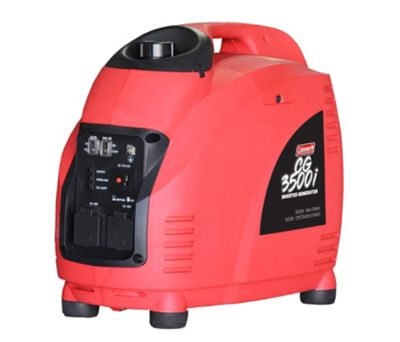
Compact Generators, parallel capability is worth considering alongside weight, running watts, and outlet configuration. Two smaller machines can be carried separately, although the complete setup still means transporting, fueling, and maintaining two engines. The flexibility is useful when a quiet evening at camp calls for little more than lights and a battery charger, while a heavier load calls for both generators. Whether that arrangement fits depends on the equipment being powered and the exact generator pairing, not simply the wattage printed on the front of each machine.
Compatibility is the first thing that separates a workable generator parallel kit from a cord that merely looks like it fits. The generators must be designed for parallel operation, and the kit must be approved for their particular models or model families. Some systems require matching generators; others permit specified combinations with different wattage ratings. A shared plug shape, similar engine size, or matching advertised output does not establish compatibility. The manufacturer’s compatibility list and operating manual provide the details that matter, including connection requirements, supported pairings, and any limits on combined power. Electrical fit also includes voltage, amperage, and receptacle type. Depending on the design, a kit may provide a 30-amp RV receptacle, a 50-amp RV-style receptacle, or another outlet arrangement intended for the supported generators. Those outlet labels do not guarantee that the connected machines can supply the full amperage associated with the plug. A 50-amp receptacle, for example, can be part of a setup whose generator output is well below the capacity of a campground’s 50-amp electrical service. Likewise, combining two 120-volt generators does not automatically create 240-volt power. Equipment requiring 240 volts needs a system specifically rated to deliver it. Running watts describe the power available for ongoing operation, while starting watts account for the brief extra demand that some motors draw when they start. An RV air conditioner, refrigerator compressor, or power tool may need that additional headroom even when its normal running demand seems modest. Several loads operating together can also push a setup past its limits, particularly when motors start at the same time. For a work trailer, that might mean considering a battery charger and task lights along with the saw doing the cutting. At camp, it may mean accounting for the coffee maker while the air conditioner is running. A kit with more substantial outlets can provide a convenient connection point, but the generators, kit, cords, and connected equipment all have ratings that must work together. The lowest applicable limit still governs the connection.
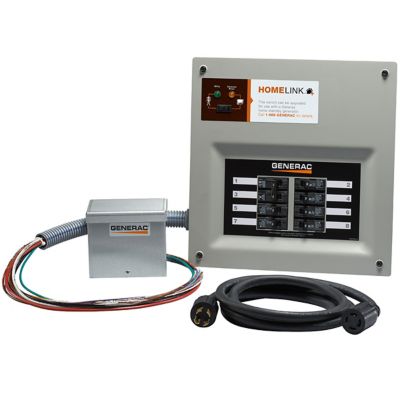
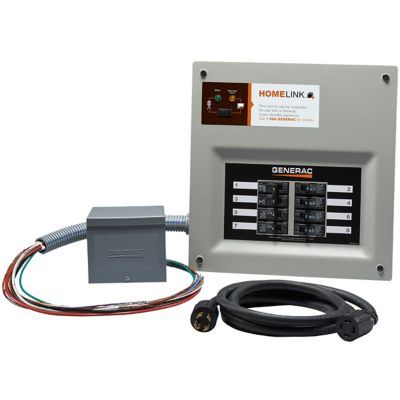
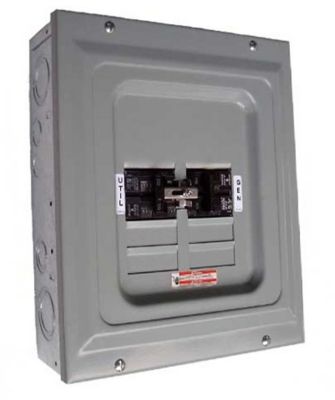
Construction and layout matter when a parallel kit is part of equipment that gets loaded, unloaded, and carried around regularly. Cable insulation, connector housings, strain relief at cable entry points, and any protective outlet enclosure all deserve a close look. Cable length affects where the generators can sit, while connector placement determines whether the leads reach without stretching, sharp bends, or pressure against a handle. Some kits attach to a generator’s frame or handle; others have a separate housing that needs a suitable resting place. A secure mounting arrangement helps keep the connection panel from swinging during operation, and accessible outlets make it easier to connect the proper power cord without crowding the generator controls. These details are especially noticeable beside an RV or work trailer, where there may already be hoses, cords, and other gear competing for space. Care is mostly about protecting the electrical connections and following the manufacturer’s maintenance directions. Before operation, cables and plugs should be checked for cuts, cracked housings, bent contacts, loose connections, or signs of overheating. Damaged electrical parts need attention before the equipment goes back to work. For storage, neatly coiled leads and protected connectors help prevent crushing, abrasion, and dirt buildup; cords should not serve as carrying handles for the kit. Connection and disconnection procedures vary, so the specified sequence matters, including whether both generators must be stopped before attaching the cables. Each engine also needs its own safe operating space. Portable generators belong outdoors, at least 20 feet from homes and occupied buildings, with exhaust directed away from doors, windows, and vents, while also meeting any greater clearance required by the manufacturer. A garage, barn, shed, or enclosed trailer is not a safe operating location. Supplying building circuits requires properly installed transfer equipment, never a connection through a household receptacle. With the right pairing and electrical ratings, a parallel kit can give a portable power setup room to handle larger loads while preserving the option of taking just one generator along for smaller jobs.