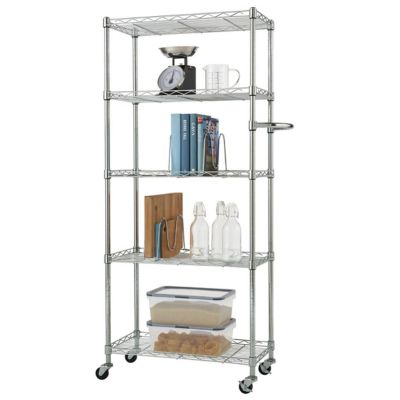
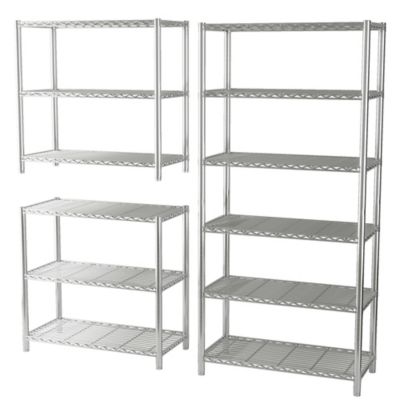
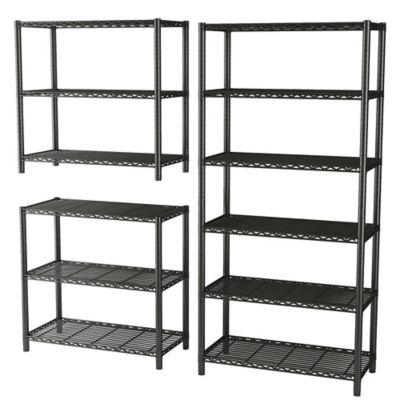
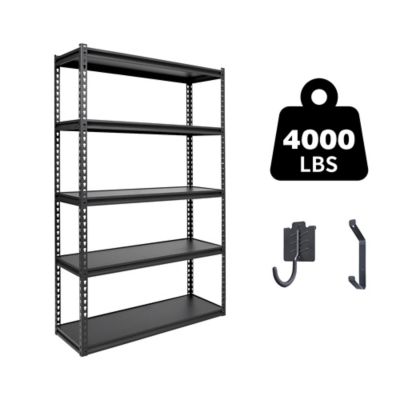
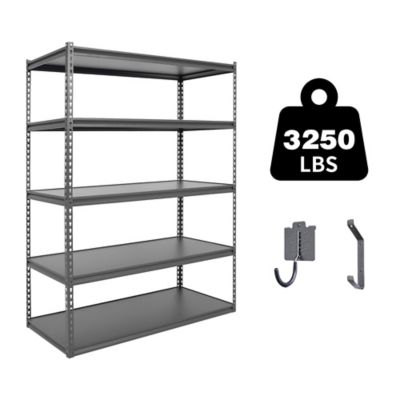
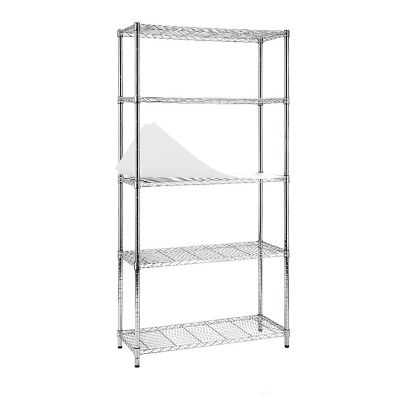
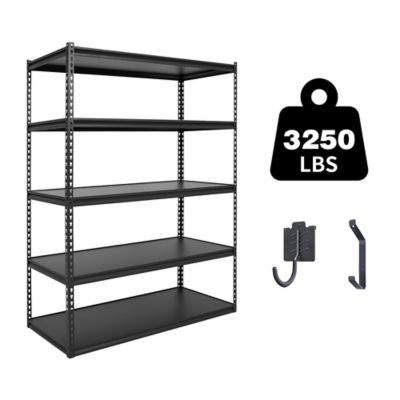
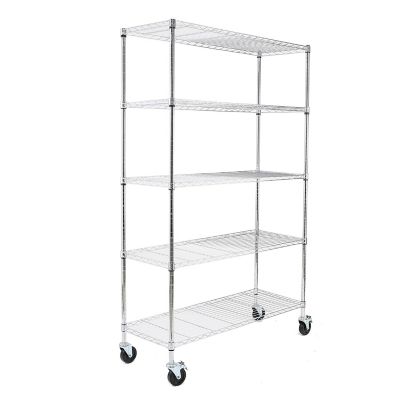
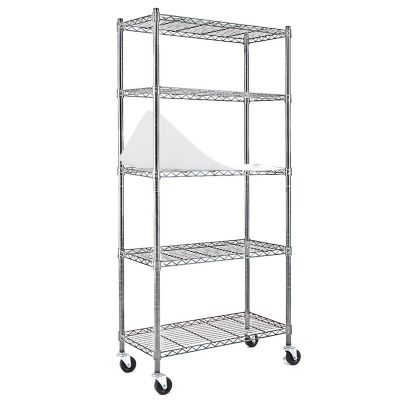
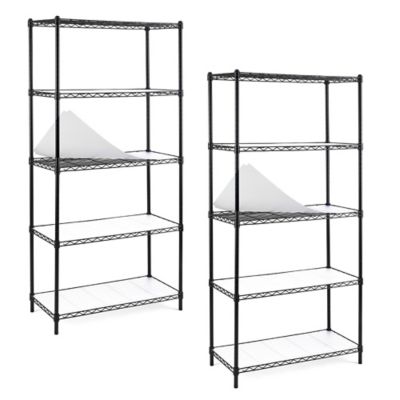
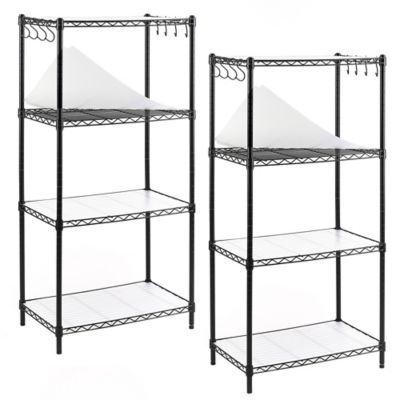
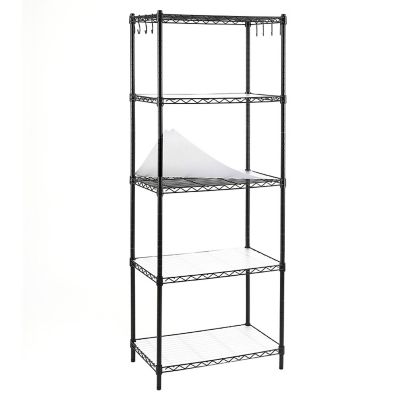
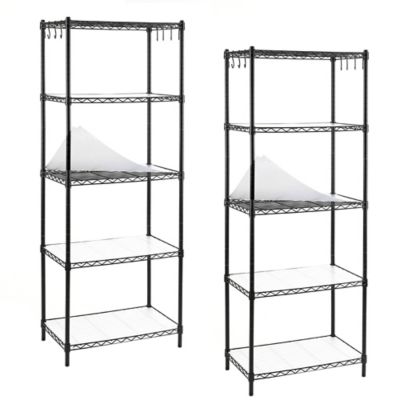
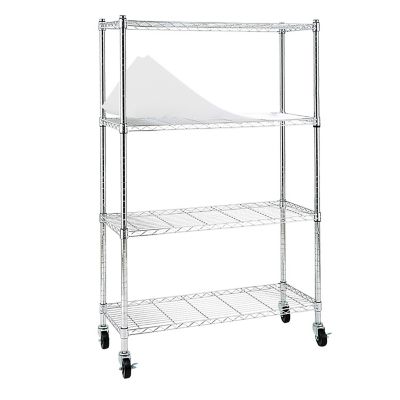
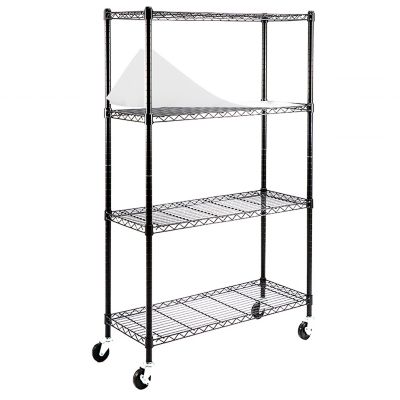
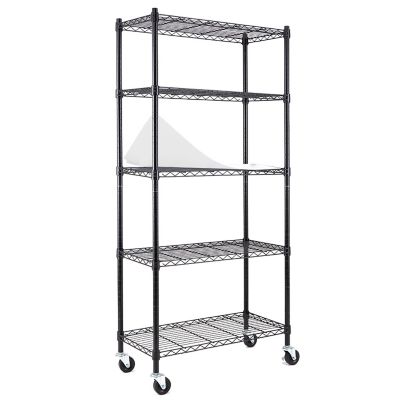
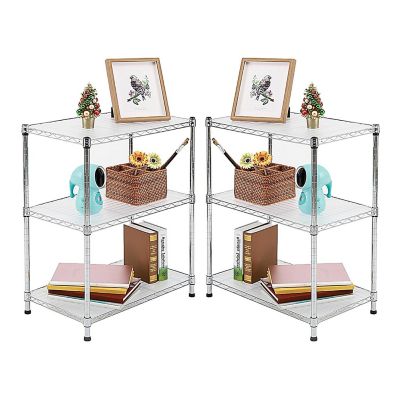
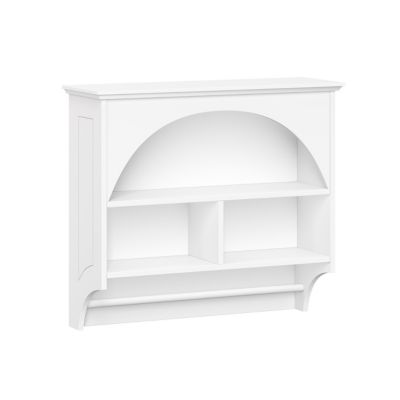
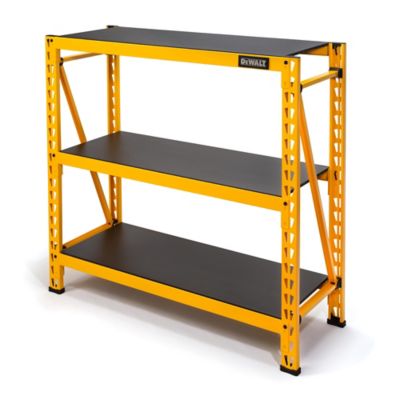
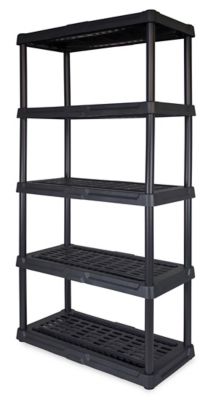
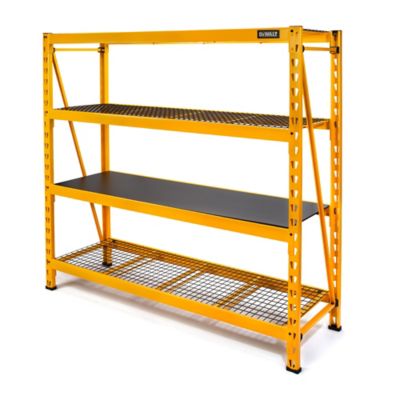
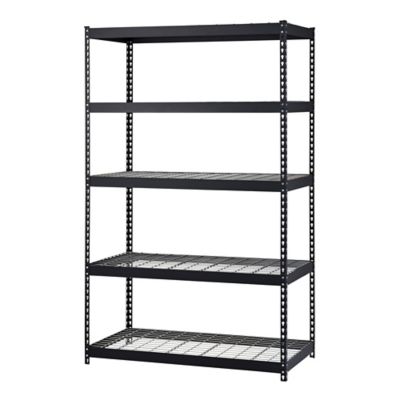
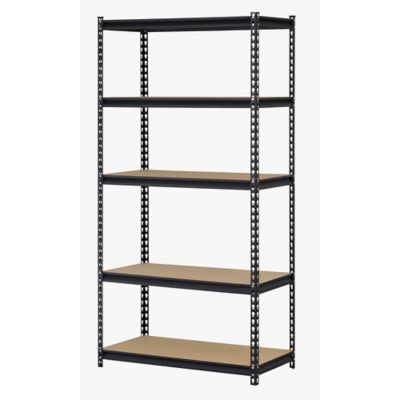
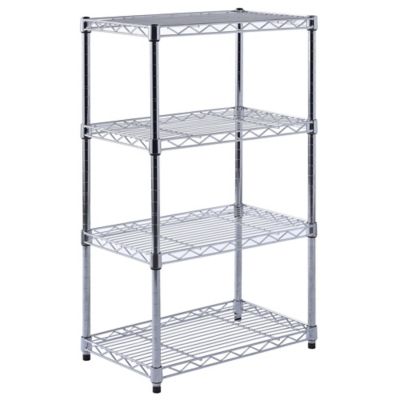
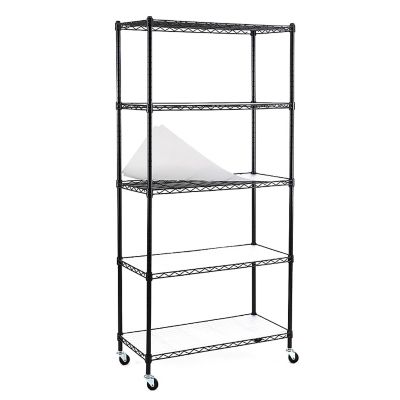
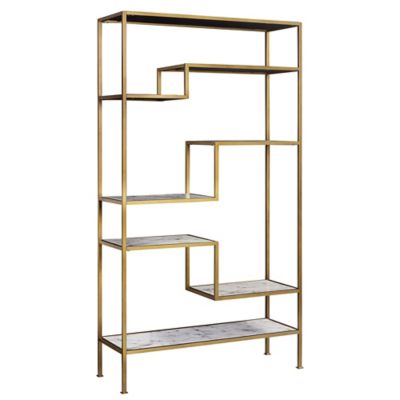
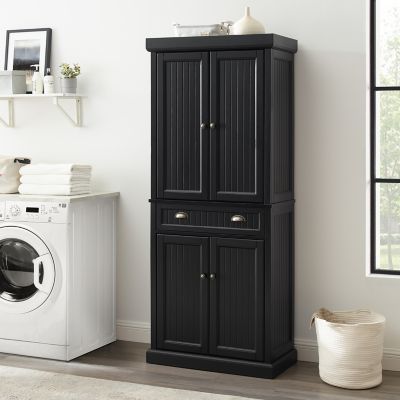
Good pantry shelves give the groceries a place to land and leave enough room to see what’s already there. A narrow set of shelves can turn the end of a kitchen wall into dry storage, while several rows in a walk-in pantry can hold everything from jars of home-canned tomatoes to the roasting pan that won’t fit in the kitchen cabinets. Freestanding pantry shelving works well where there’s open floor space, whether that’s inside a reach-in closet or along a wall in the kitchen. Wall-mounted shelves leave the floor open, and track systems with adjustable brackets let you change the height between rows without moving the tracks. Fixed shelves make sense when that spacing is unlikely to change. Smaller shelf risers add a second level inside a cabinet, giving short cans and jars a spot where they won’t get lost behind taller boxes. The shelf surface matters just as much as the layout. Solid shelves keep narrow jars and small cartons sitting flat. Sealed wood and smooth laminate surfaces are easy to wipe after a bag of flour leaves a trail, though seams and edges shouldn’t be left damp. Coated steel wire lets light reach the lower rows and leaves room for air to circulate around boxes and baskets. Closely spaced wires give small containers more support than a wide grid, and a flat liner can steady jars with narrow bases. If you’d rather see through the shelves than have solid surfaces from top to bottom,
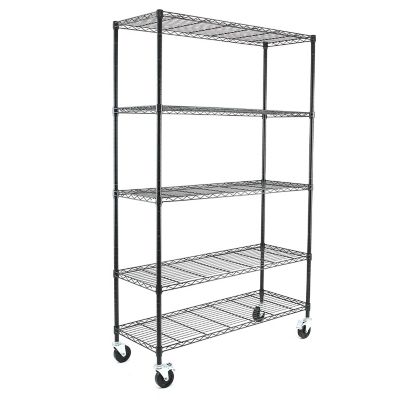
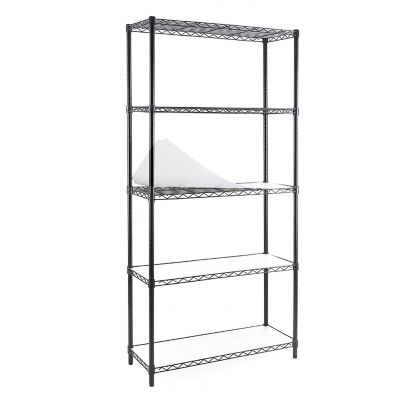
Kitchen Pantry Wire Shelves fit that open style. There’s no need for every row to do the same job, either. A solid shelf can give baking supplies a flat spot to sit, while an open wire shelf above it can hold lightweight baskets that are easy to pull down.
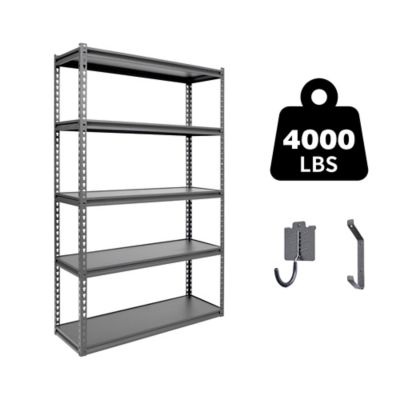
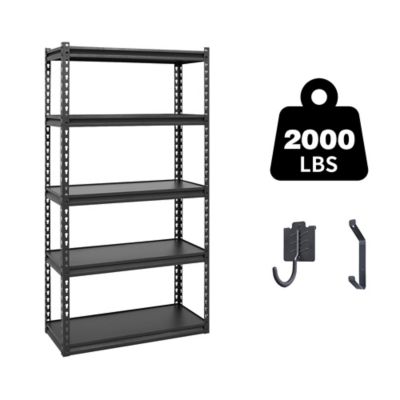
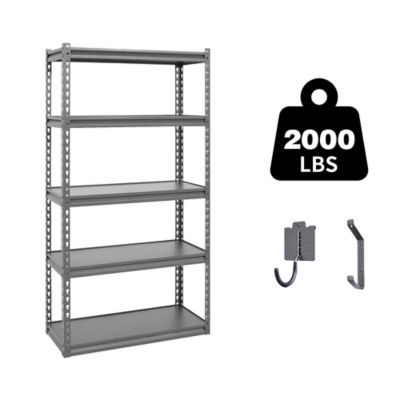
How well pantry shelving fits depends on both the size of the room and what needs to sit on each row. Shelves around 12 to 16 inches deep suit many everyday dry goods, with enough room for cereal boxes, jars and bags of rice without leaving a long stretch in the back that’s hard to reach. Depths around 16 to 20 inches can give mixing bowls, lidded bins and countertop appliances more room, provided there’s still space to step back and lift them out. A shallower shelf can be handier for spices and small jars, especially on a side wall where a deeper shelf would stick out into the doorway. In a reach-in pantry, door trim and hinges can make the opening narrower than the space inside. A basket might fit on the shelf with room to spare but still catch on the door frame as it comes out. In a walk-in pantry, stacked boxes and cabinet handles can take up some of the aisle, so it helps to consider how much room there is to turn around with a full basket in hand. Shelf spacing comes down to more than the height of the tallest container. A flour bin with a lid that lifts straight up needs room above it, while a basket with handles needs enough clearance to get fingers around them. For heavy storage, look at the weight rating for each shelf as well as the rating for the whole unit. Canned goods and glass jars add weight faster than boxes of pasta do, so spreading them across a shelf is better than crowding them at one end. Wall-mounted shelving needs hardware and support suited to the wall and the load. For freestanding units, a level spot and any anti-tip hardware called for in the assembly instructions matter, especially when the shelves will hold heavy kitchen gear.
The best arrangement usually follows the way a household cooks. On a busy morning, breakfast staples within easy reach save a search through three rows of groceries. A shelf for baking that holds flour, sugar and measuring cups together makes just as much sense for someone who bakes a loaf every few days as for someone who only pulls out the mixing bowls now and then. Putting shorter cans in front of taller packages makes it easier to spot what’s there without shuffling the whole row. Heavy cookware and full jars are generally easier to handle from a lower shelf, while lighter pieces that don’t come out often can sit higher. Adjustable shelving is handy when the pantry has to make room for a taller storage bin or when the shelf that once held lunch supplies needs to hold small appliances instead. Pantry shelving can also be a practical housewarming gift for someone settling into a place with limited cabinet space, especially if you know the measurements and whether wall mounting is an option. For everyday care, a smooth shelf can usually be swept free of crumbs and wiped with a soft cloth, following the care directions for the finish. On wire shelving, crumbs can fall onto the row below, so sweeping or wiping from the top down makes cleanup simpler. A removable liner can catch drips from bottles and lift out when it’s time to wipe underneath. Cleaning up spills promptly and drying shelves after wiping helps protect finishes, especially along seams and edges. If a freestanding unit starts to rock or a mounted shelf shifts under a load, take the weight off before checking the feet, brackets or fasteners. A pantry doesn’t have to be big or perfectly lined up to work well. It just needs room to set things down, pull them out without a fuss and find the last can of beans without unloading the whole shelf.