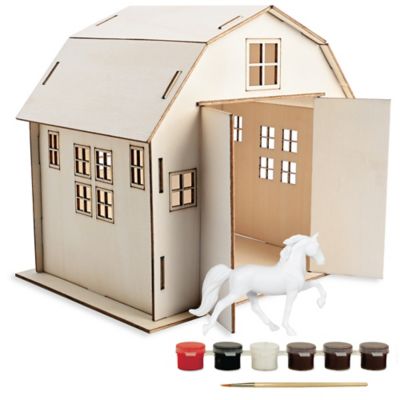
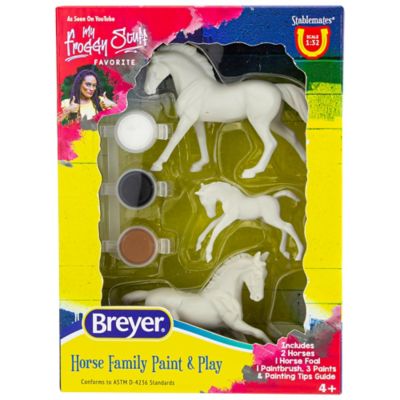
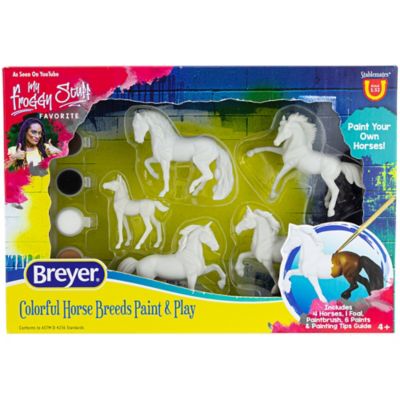
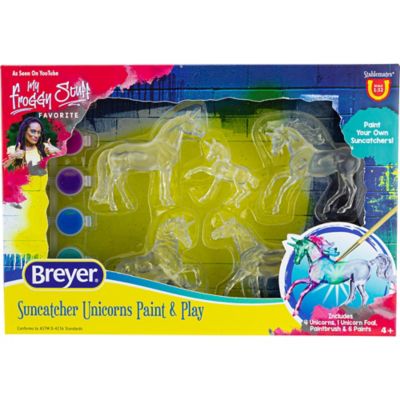
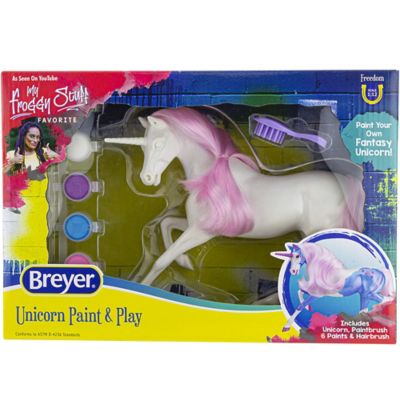
Paint-your-own horse craft kits bring a little of the barnyard to the craft table, with a horse-shaped figure that becomes a hands-on painting project. The appeal is simple: a familiar animal, a few colors and room to make the finished horse feel personal. A child who watches ponies at the fair might favor a golden coat and pale mane, while a rider may want to echo the markings of a favorite pasture companion. Brown coats, white socks, dark tails and spotted patterns give the project a connection to real horses, though bright colors and make-believe markings have their place, too. These are craft products rather than riding gear or animal-care supplies, and their main purpose is painting, creative expression and keeping the finished figure as a memento. Depending on the kit, the contents may include a molded horse, paint colors, brushes and other painting supplies, so the package description matters when comparing the amount of work involved. A single larger figure can offer broad areas for color, while several smaller figures can give siblings or friends separate horses to paint. Model shape makes a difference as well. An open stance may leave more room around the legs for a brush, while a flowing mane or finely shaped face adds detail that calls for a steadier hand. Size deserves a look beyond the package photo: a small figure fits neatly on a bedroom shelf, but narrow legs and tiny facial features may feel fiddly to a beginning painter. Larger surfaces can be easier for younger hands to work across, although the kit’s stated age range remains the better measure of suitability. For horse-loving children, teens and adults, the subject is part of the fun. Painting can be a chance to notice how a blaze runs down a horse’s face or how coat color meets the mane, without needing a drawing background. The result might resemble a horse from the home pasture or simply reflect the painter’s favorite colors, and either approach belongs at the same kitchen table.
Materials help determine how a horse figure feels in the hand, how its surface takes paint and how gently it needs to be handled afterward. Molded plastic, plaster and ceramic bodies each call for different expectations, so the stated material is worth checking rather than judging by appearance alone. Plastic can be lighter, while plaster and ceramic figures may have more weight and can chip or break if they fall. A smooth surface shows brush strokes differently from one with molded hair or muscle detail, and deeply shaped areas around the mane, belly and hooves can take more patience to cover. Paint formulated for the figure’s material is a better match than a random leftover paint from another project. Kits with included colors keep the starting setup straightforward, but the number of shades and the type of paint still affect what the painter can do. A broad brush suits the body, while a smaller tip gives more control around eyes, socks and facial markings. Brush handles should feel manageable for the person painting, especially when small hands are involved. Water-based paint is common in craft projects, but cleanup directions, drying times and surface compatibility vary. A washable label does not promise that every shirt, tabletop or fabric chair will come clean, so a covered work surface and play clothes make sense for a paint session. Age recommendations also deserve attention, along with any warnings about small parts or adult supervision. Paint marked nontoxic still belongs on the project, not near food or in a child’s mouth. Finished figures generally need enough drying time before handling, and any sealer should be appropriate for both the paint and the model material. A display piece has different demands from a toy carried around the yard, and painted craft figures should not be assumed to suit rough play. Once finished, a stable shelf away from busy elbows helps protect slender legs and painted surfaces. The maker’s care directions should guide dusting, wiping and whether moisture can touch the surface.
The right paint-your-own horse craft kit fits the painter’s interests as much as their experience. Someone who enjoys careful detail may appreciate a model with a defined mane, tail and facial features, while a first-time painter may be happier with a simpler shape and fewer colors to manage. A clear list of included supplies helps make a gift feel ready for its intended recipient, especially when brushes or other essentials need to be gathered separately. These kits can suit birthdays, horse-club gatherings, family craft afternoons or a quiet project shared by a grandparent and grandchild. For a young rider, painting a horse with familiar markings can turn an ordinary craft session into a keepsake connected to time at the barn. For an adult who enjoys horses but has little room for a larger hobby setup, a compact painting project can be a satisfying way to spend an afternoon. Group settings bring different considerations: separate figures give each painter room to make their own choices, and enough brush space helps keep elbows from bumping across the table. Projects with several paint layers or fine details may stretch across more than one sitting, so the expected effort matters more than how quickly the box can be opened. For other painting subjects and project styles,
Paint Kits is a handy next stop. Horse-themed kits have a particular pull for people who know the sight of a muddy hoof, a windswept forelock or a patient pony waiting at the gate. Those familiar details give painters something to connect with, even when the finished colors wander far from real life. A completed horse on a shelf can carry the memory of a shared afternoon, a favorite animal or the satisfaction of finishing a project from start to finish.