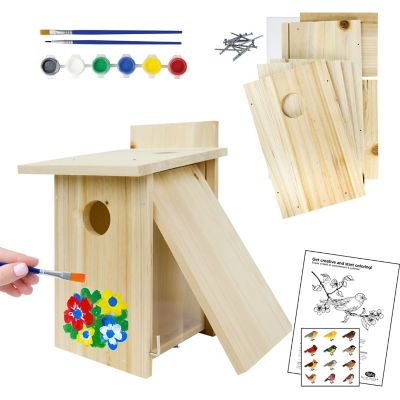
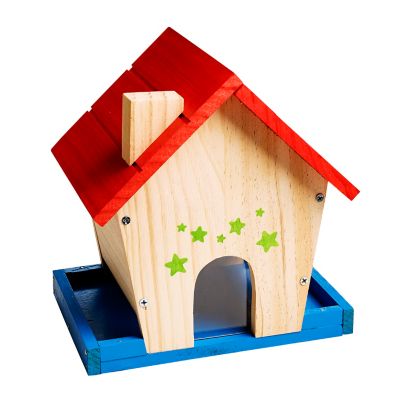
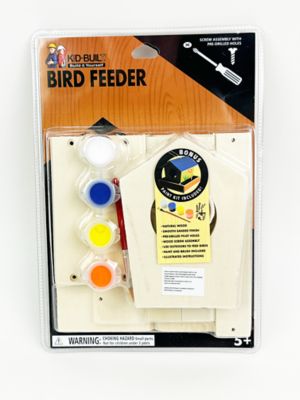
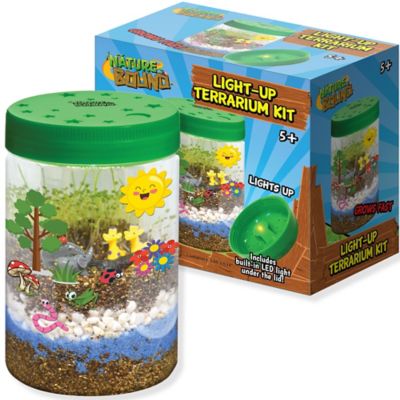
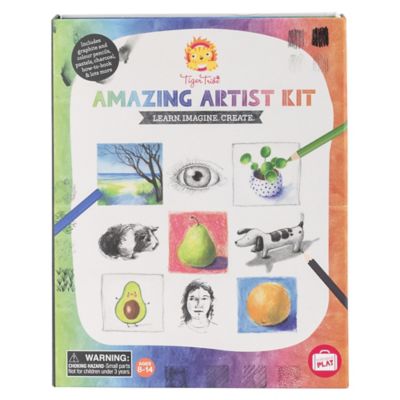
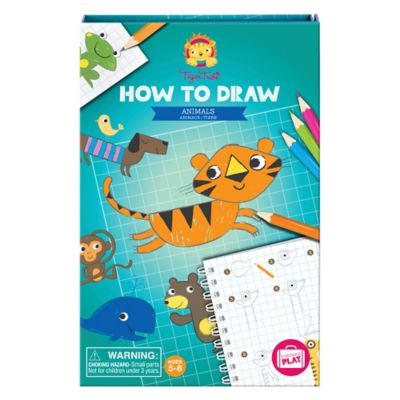
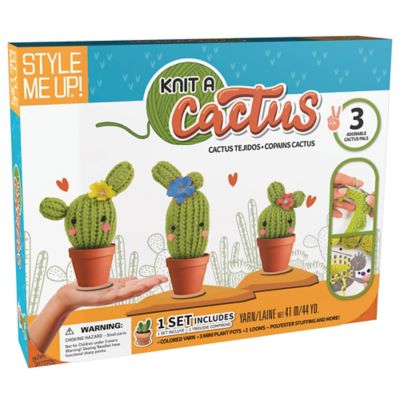
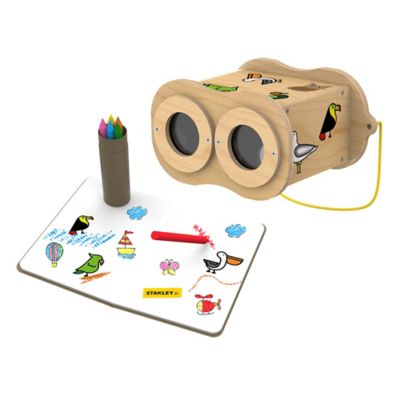
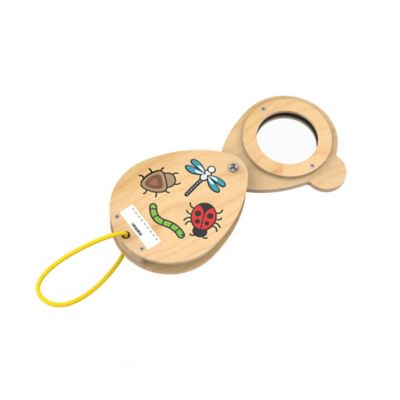
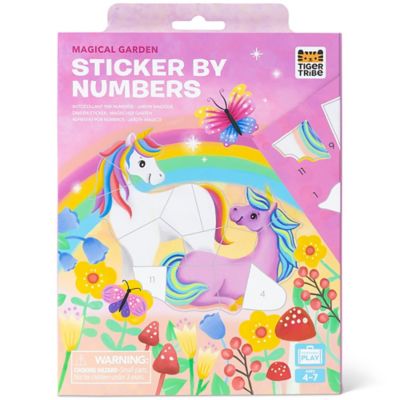
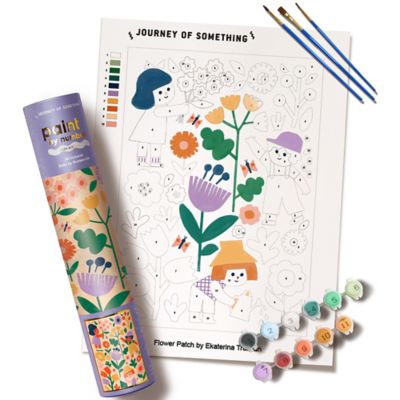
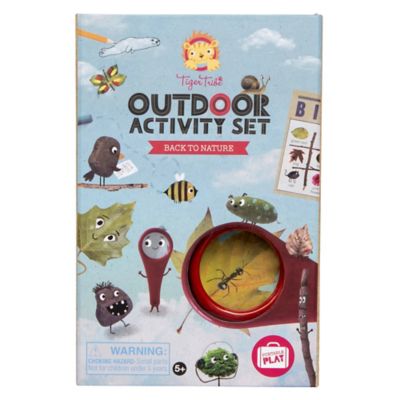
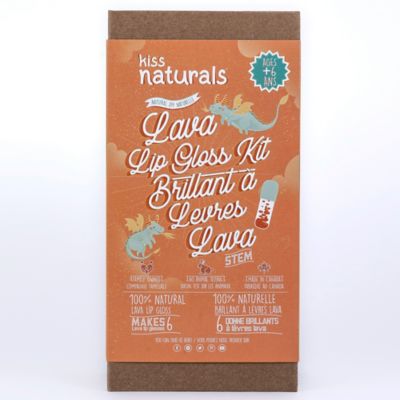
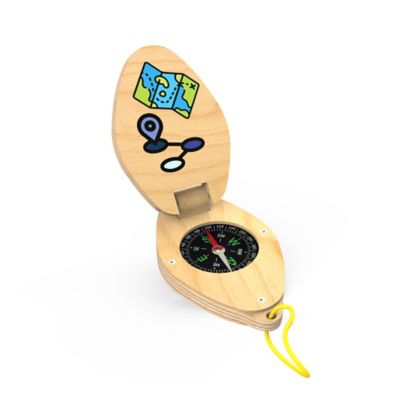
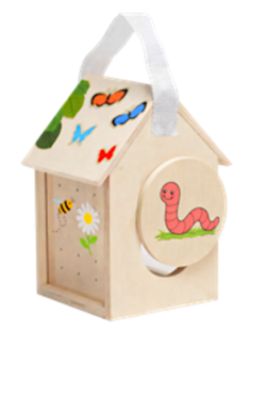
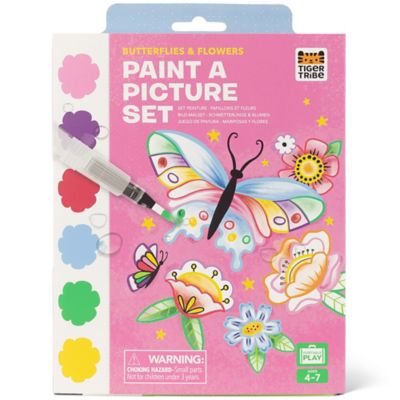
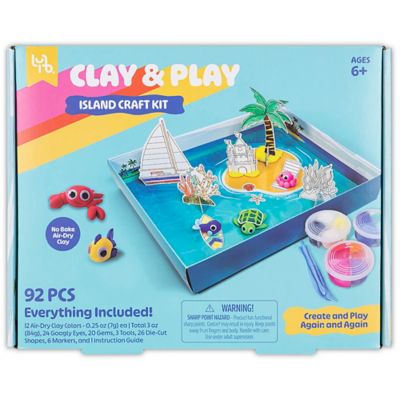
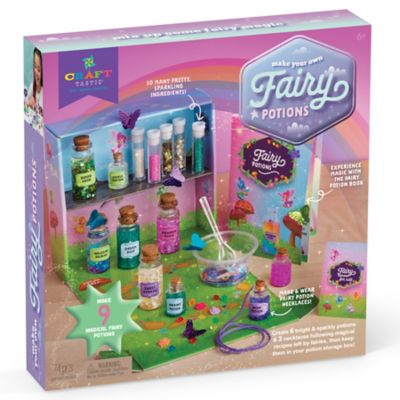
Nature craft kits for kids bring a little of the backyard, garden, or woodland path to the craft table. A leaf’s branching veins, the pattern on a butterfly’s wings, and the bumpy surface of tree bark all give young makers something worth noticing. Kits built around those details turn an interest in the outdoors into something children can shape, paint, assemble, or study up close. Some center on familiar plants and animals, while others leave more room for children to choose their own colors and arrangements. The right match depends as much on how a child likes to work as on the subject pictured on the box. A youngster who enjoys fitting pieces together may prefer clearly defined parts and an obvious finished shape. Another child may settle in longer with open-ended materials and plenty of room to experiment. Nature-themed projects can fit a kitchen-table afternoon, a homeschool lesson, a youth group gathering, or a quiet stretch after chores. They also offer a natural connection between looking closely outside and making something indoors. A child might notice that two leaves from the same tree have different outlines, then bring that observation into a paper design. Another might spend more time mixing the right shade of brown than completing the picture, and that exploration can be part of the fun. When comparing nature craft kits for kids, consider whether the appeal comes from the activity itself, the finished piece, or both. Clear illustrations, manageable steps, and materials that suit a child’s hands can make the experience more inviting. A project does not need a complicated design to hold someone’s attention; a few well-chosen textures and a subject the child recognizes can be plenty. For families with several ages around the table, a shared nature theme gives everyone common ground without requiring every child to make the same thing or work at the same pace.
Materials make a real difference in how a nature craft kit feels to work with and how the finished project holds up. Paper and cardstock suit folding, layering, and drawing, while wood adds a firmer surface for painting and assembling. Felt, yarn, and other soft components offer different textures, and modeling materials let children explore rounded forms instead of working only on a flat surface. Contents vary by kit, so the package description matters, especially when a project calls for supplies beyond what is included. Check whether paint, adhesive, brushes, or other tools come with the kit rather than assuming every box contains everything needed. Age recommendations deserve the same attention. Small parts, cords, pointed tools, and certain adhesives may call for closer adult supervision, even when the overall theme looks simple. For little hands, larger pieces and easy-to-grip tools can be a better fit than tiny parts that demand careful placement. Children with more practice may enjoy finer details, longer assembly, or several techniques in one project. It also helps to think about the workspace before choosing a kit. A table with room to spread out, a protective covering, and a spot where pieces can dry undisturbed can keep the activity from taking over the whole kitchen. Follow the material and care directions, including any guidance on drying time, washing tools, or protecting nearby surfaces. Washable supplies may make cleanup easier, but labels still matter for clothing, furniture, and skin contact. Finished paper pieces generally need a dry indoor spot, while painted or assembled work should stay indoors unless its materials and instructions allow outdoor placement. If a kit invites children to add gathered materials, check its directions first and stick to permitted collection areas. Leave growing plants, nests, and animal homes alone, and have an adult check anything brought to the table. Keeping spare pieces in a labeled container also makes it easier to return to an unfinished project without hunting through a drawer for the missing parts.
As gifts, nature craft kits for kids offer something to do as well as something to keep. They can be a thoughtful match for a child who stops to examine beetles along the fence line, fills sketchbooks with flowers, or always wants to know which bird is calling from the trees. The strongest match usually starts with that existing interest rather than a project an adult wishes the child would enjoy. Consider attention span, reading comfort, and how much help will be on hand. A shorter activity with a satisfying stopping point can suit a beginner, while a project spread across several sessions may appeal to an older child who likes watching a piece take shape. For siblings or group activities, check the number of projects and the quantities of shared materials; a kit meant for one maker may not provide enough for everyone at the table. Families who enjoy making things together can also explore
Gifts For Crafty Moms for a separate gift that recognizes Mom’s own creative interests. A shared craft session gives adults and children time together without needing every result to look alike. One child may follow the pictured example, another may choose unexpected colors, and both can take pride in their work. Along the way, measuring pieces, sorting shapes, matching patterns, and waiting for glue to set give children practical things to practice. The nature connection adds another layer: a closer look at a seed, wing, or leaf can lead to more careful observation the next time they head outside. A finished project might earn a place on a bedroom shelf or become a gift for a grandparent, but its value is not limited to display. The materials, the making, and the small discoveries along the way all help turn a box of craft supplies into a hands-on activity with room for a child’s own choices.