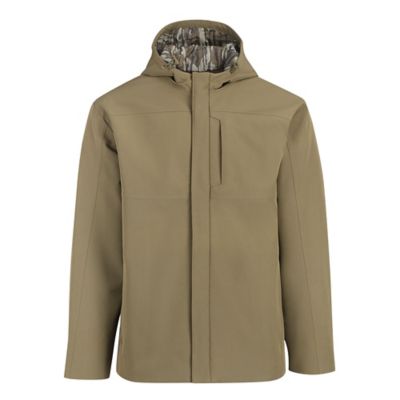
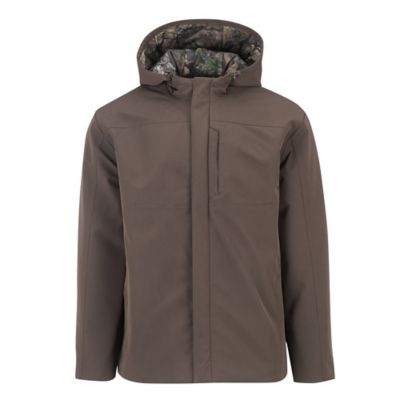
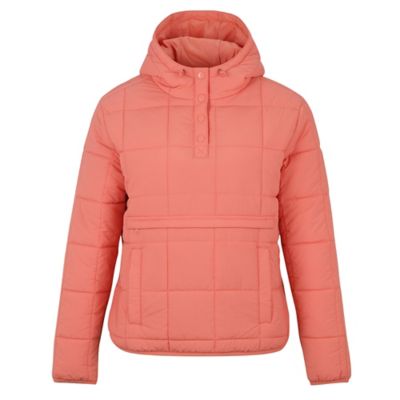
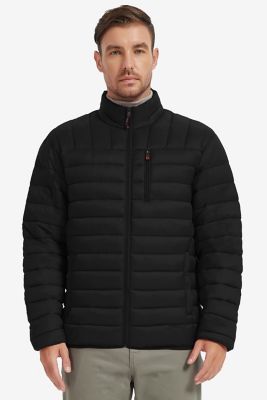
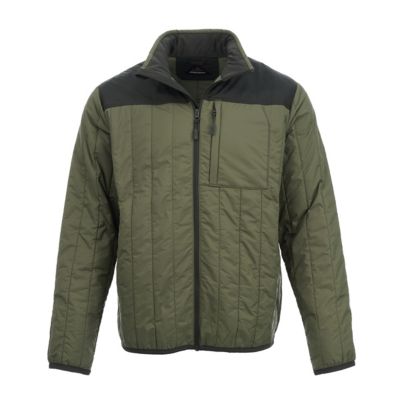
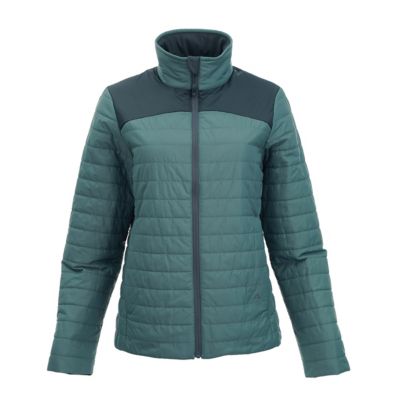
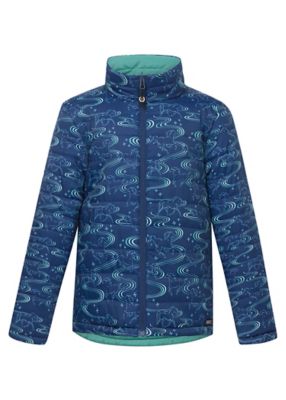
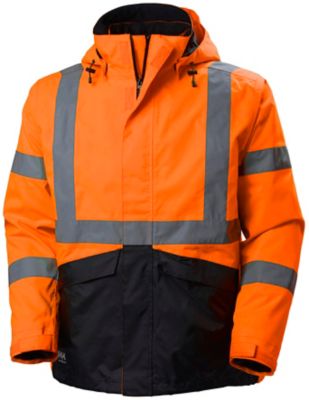
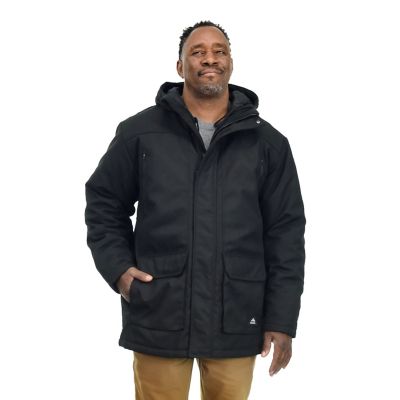
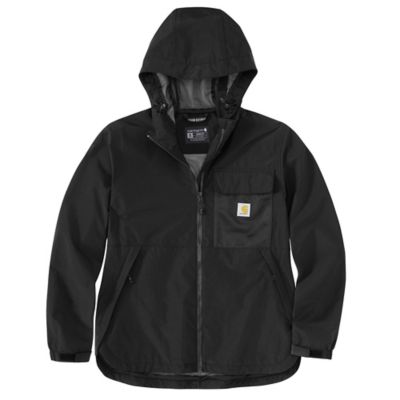
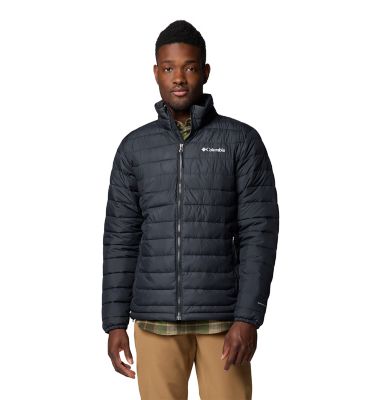
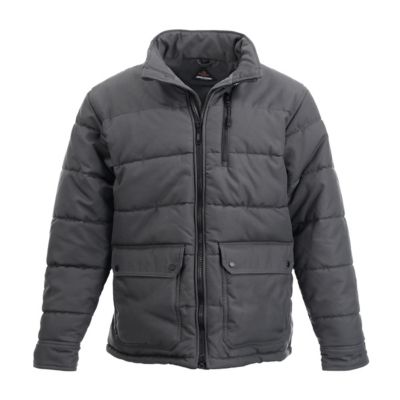
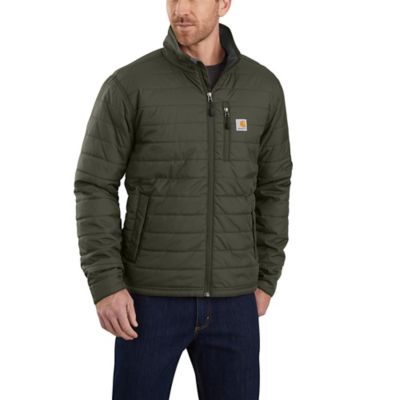
A packable winter jacket is an insulated outer layer that folds or compresses into a small bundle, often fitting inside its own pocket or a separate stuff sack. It brings warmth without taking up the space of a heavy winter coat, making it a practical choice for travel, everyday errands, walks down a country lane, and keeping an extra layer in a daypack. The insulation makes a big difference in how the jacket feels, performs, and packs. Down traps warm air in clusters of fine feathers and offers plenty of warmth for its weight, along with excellent compressibility. Synthetic insulation relies on manufactured fibers to hold warm air; it generally maintains more insulating ability when damp and often dries faster than untreated down. Down fill power describes loft, or how much space a given weight of down occupies, rather than the jacket’s overall warmth. Fill weight, construction, coverage, and the layers underneath matter, too. A higher fill-power number alone does not mean one jacket will keep someone warmer than another. Lightweight quilted styles can work well over a flannel shirt for a quick trip into town, while more heavily insulated designs may suit longer stretches outside. No single packable jacket fits every winter setting, especially when wind, dampness, and activity levels change throughout the day. Walking a hilly pasture builds heat differently than standing beside a fence watching livestock, so intended use matters as much as how small the jacket packs. Compressibility also varies with jacket size, insulation amount, and shell fabric. A jacket that slips neatly into a carry-on or lunch-sized corner of a work bag can be handy without needing to squeeze into the smallest possible pouch. For folks moving between a warm truck cab and cold outdoor stops, that easy storage keeps an extra layer close without crowding the seat.
Fit determines whether a packable winter jacket feels comfortable through a full day of reaching, bending, driving, and walking. Enough room through the shoulders and upper back lets the arms move freely, while space through the chest accommodates a base layer or fleece without flattening the insulation. An overly tight fit can compress loft and limit movement; too much open space at the hem or cuffs can let warm air escape. Sleeve length deserves attention with arms extended toward a steering wheel or raised to latch a gate. A hem that stays below the waistband during those movements helps maintain coverage, and a longer back can be welcome when sitting or leaning forward. Adjustable hems, elastic cuffs, and well-shaped collars help manage drafts without adding much packing space. An insulated hood adds coverage around the head and neck, while a hoodless jacket can sit more comfortably beneath a separate shell or pair with a winter hat. Pocket placement matters in everyday use, too. Zippered hand pockets help keep gloves and small belongings contained, and an interior pocket offers another place for essentials. Lightweight nylon and polyester shells are common because they balance low weight, packability, and resistance to everyday wear. Fabric weight, weave, stitching, and reinforcements all affect how a jacket stands up to regular activity. Thin shells deserve some care around barbed wire, rough lumber, sharp tools, and brush; a highly compressible insulated jacket is not a substitute for a heavier work coat when abrasion is part of the job. Smooth linings make layering easier, and a zipper backing can help keep cold metal away from the chin. For active outings, a front zipper also provides a simple way to release excess heat before sweat builds up inside. These details can matter more over a long day than how neatly the jacket folds on the first try.
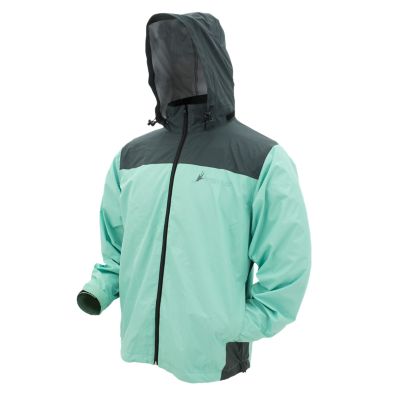
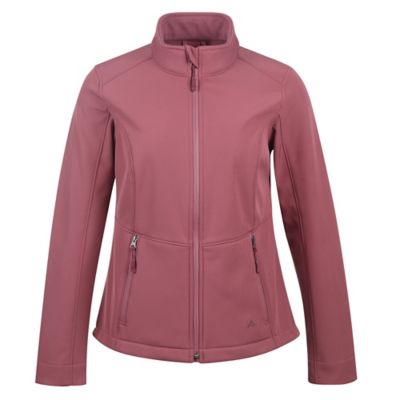
Weather protection and care round out what makes a packable winter jacket useful beyond a single outing. A water-resistant shell can shed brief flurries or light drizzle, but water resistance does not necessarily mean waterproof protection. Wind resistance also varies by fabric and construction, and cold air can find its way through openings even when the insulation itself feels substantial. Extended rain, wet snow, or exposed windy conditions may call for a separate protective shell with enough room underneath for insulation. For women putting together a compact layering setup,
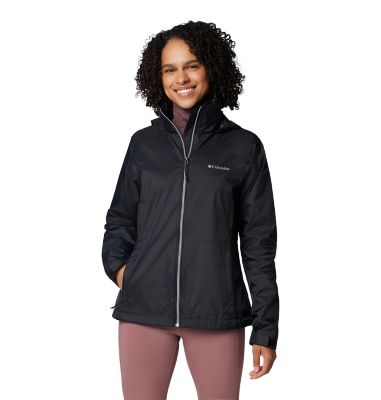
Packable Rain Jackets For Women offer a related outer-layer option; the shell’s weather protection and fit still need to match the outing. Keeping insulation dry helps preserve comfort, especially with down, which can lose loft when thoroughly wet. After a damp walk or a day of travel, giving the jacket room to air out is better than leaving it tightly bundled. The sewn-in care label is the best reference for washing and drying because shell treatments, insulation, and trim can require different handling. Where machine washing is permitted, the right detergent and cycle help clean the jacket without unnecessary stress on the fabric. Down needs thorough drying to prevent damp clumps, and any tumble-drying method should follow the garment’s directions. Between trips, loose storage on a hanger or in a roomy space helps insulation recover its loft; a stuff sack is better suited to transport than long-term storage. A dry jacket should be packed without forcing the zipper or straining the seams. For a gift recipient who travels, walks the dog, attends outdoor games, or likes having a spare layer along, packability offers a practical benefit without adding much weight to the load. Matching the fit, insulation, and coverage to that person’s routine makes the jacket easier to reach for, whether the day involves a long drive, a trail stop, or one last trip out to shut the barn.