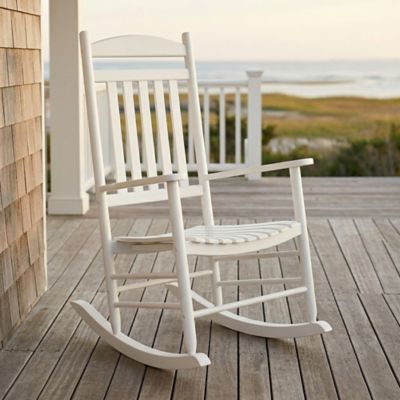
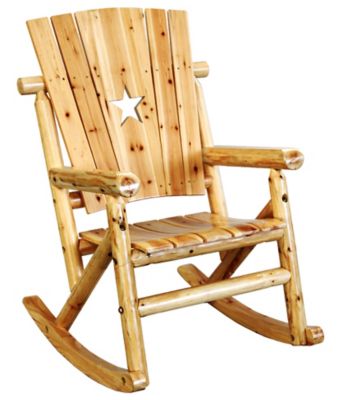
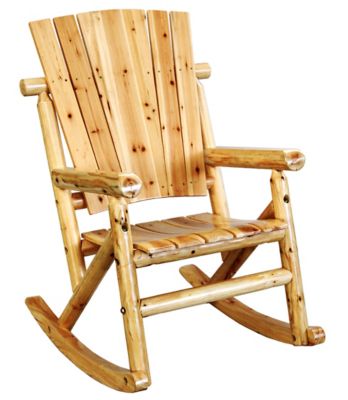
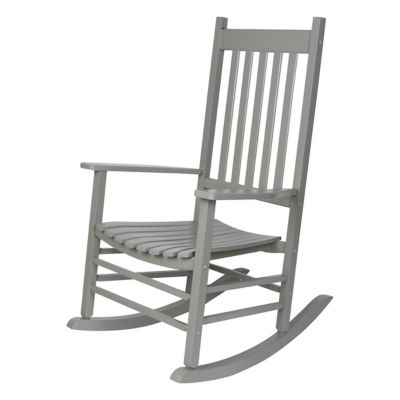
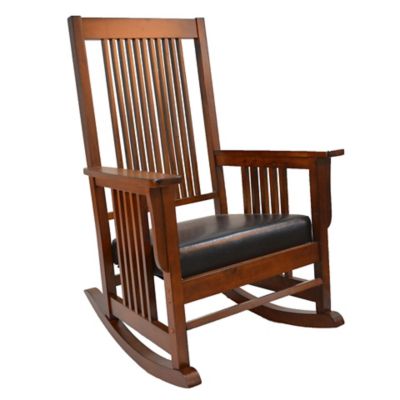
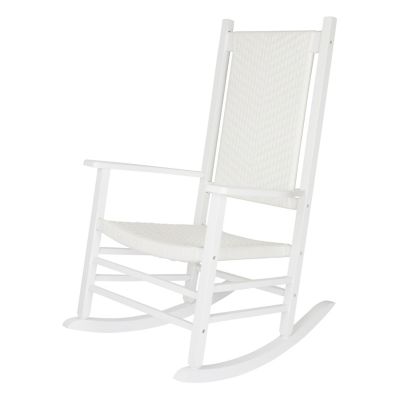
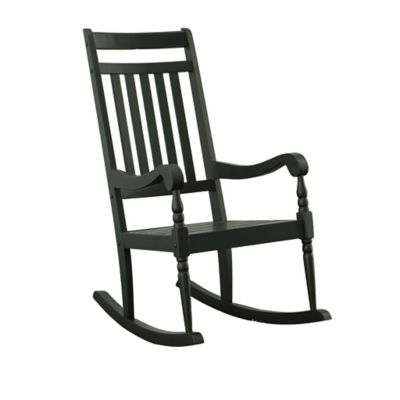
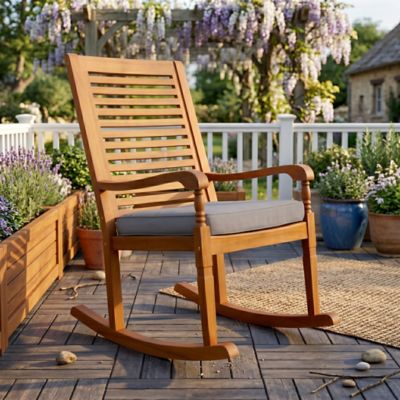
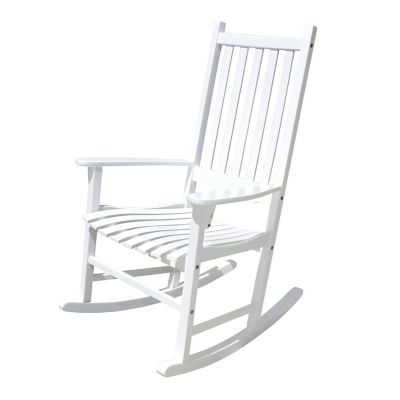
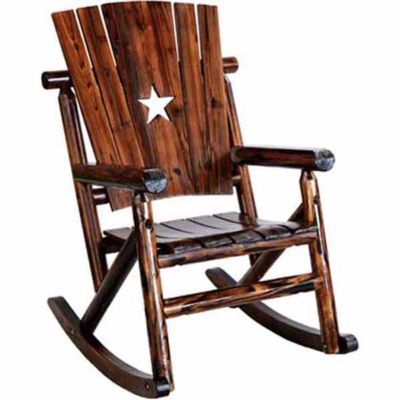
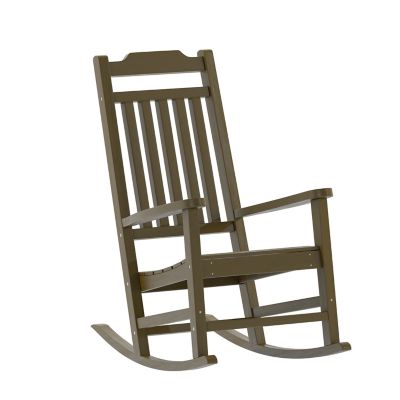
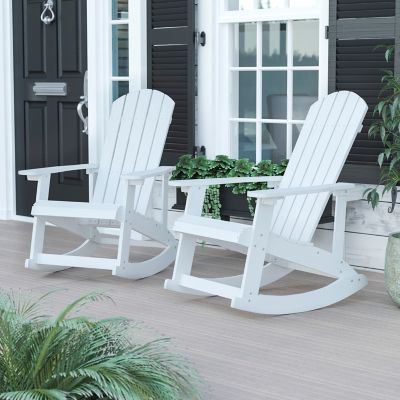
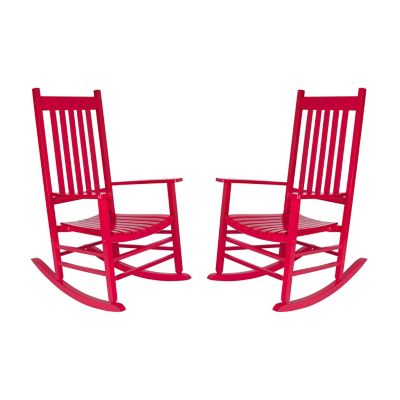
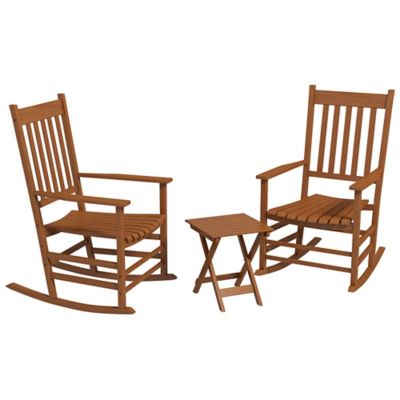
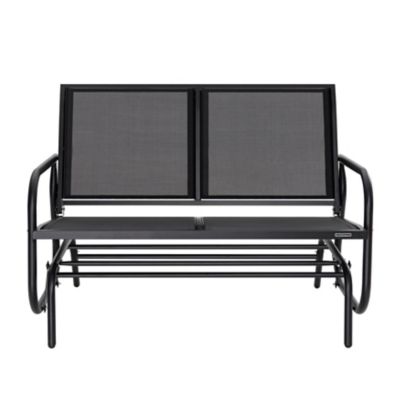
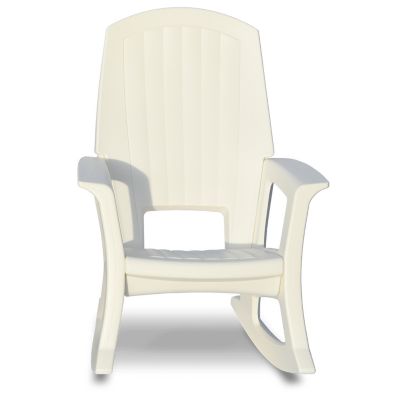
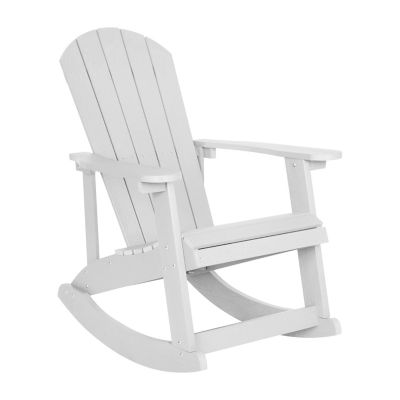
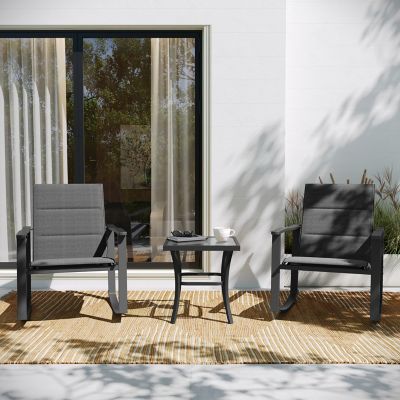
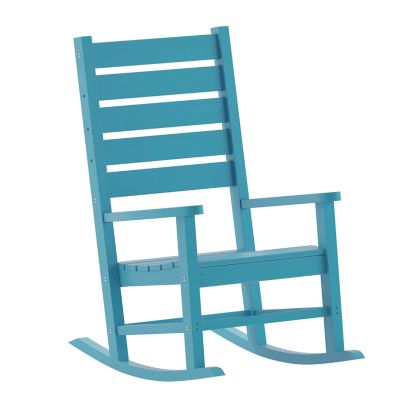
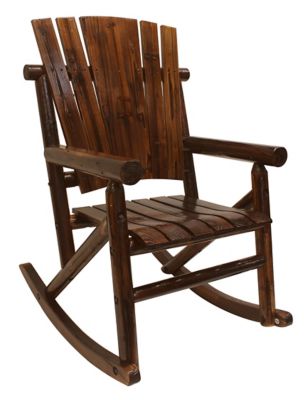
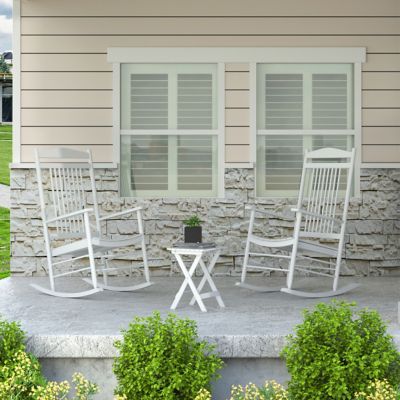
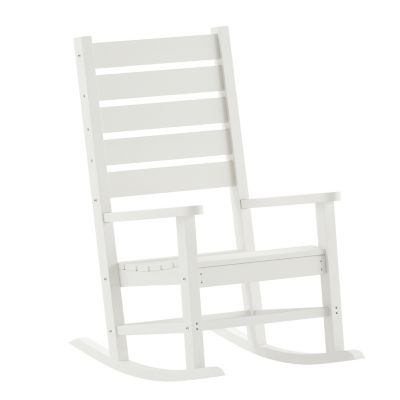
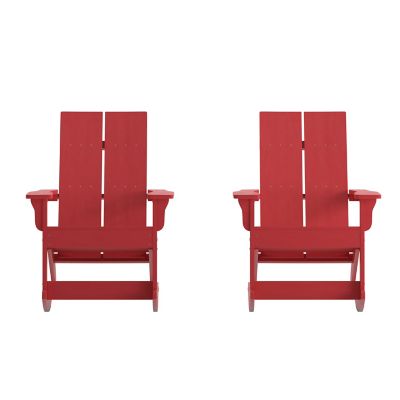
Front porch rocking chairs make room for the little breaks that fit between a full day’s work and whatever comes next. A place to set down a feed cap, rest tired legs and watch the driveway can be as much a part of home as the porch steps themselves. The steady motion of a rocker suits a quiet cup of coffee, a visit with a neighbor or a few minutes spent keeping an eye on kids in the yard. These chairs have a familiar shape, but their proportions and construction give each style a different feel. Tall backs offer support farther up the shoulders, while shorter backs keep the view across the porch more open. Slatted seats have a straightforward look and allow small bits of dirt to fall through; contoured seats follow the shape of the body and may feel more comfortable without a cushion. Broad armrests give forearms somewhere to settle, though their height matters just as much as their width. An arm that feels natural for one person may sit too high for another. The same goes for seat height: feet should rest comfortably on the floor so the sitter can start and stop the rocking motion without stretching. A deeper seat can suit a taller adult, while a shallower seat may offer a better fit for someone with shorter legs. Seat width and the manufacturer’s weight rating help narrow the choices beyond looks alone. For a porch where family and friends gather, a pair of chairs with generous elbow room can create an easy conversation spot without making the entrance feel crowded. A single rocker beside a small table works just as well for someone who prefers a little peace after chores. Turned posts, straight arms, curved backs and simple slats all bring a different character to the entry, making it possible to match the house without turning the whole porch into a matching set.
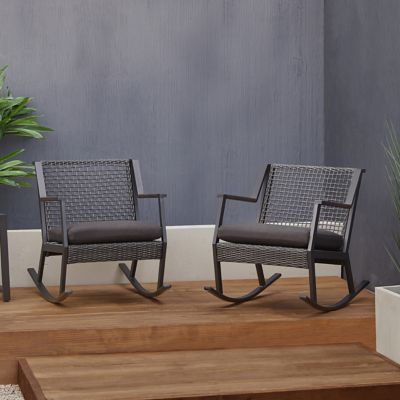
Materials play a big part in how front porch rocking chairs feel, how much they weigh and what upkeep they need. Wood brings visible grain and a solid, familiar feel, with painted, stained and natural-looking finishes offering different ways to complement porch rails and siding. Wood species and protective finishes affect care needs, so the material description matters more than color alone. Some wood chairs call for periodic refinishing, and joints deserve a check as part of regular upkeep. Poly lumber offers another approach, often with color throughout the material and no wood grain to sand or stain. Its weight can give a chair a substantial feel, though moving it for floor cleaning may take more effort. Metal frames can provide slim profiles and firm support, with aluminum generally easier to move than many steel designs. Protective coatings help separate the metal from moisture, and scratches or chipped areas may need attention according to the maker’s directions. Woven seats and backs bring texture and a different kind of support; natural fibers and synthetic weaves have different placement and care requirements, so not every woven rocker belongs outside. For households that want seating suited to more than one part of the home,
Indoor Outdoor Rocking Chairs offer a related category to consider, with the intended placement of each chair still worth checking. Across materials, strong joints, well-fitted hardware and smoothly finished contact points matter for everyday service. Cushions can soften a firm seat, but their thickness changes the sitting height and how the arms line up with the body. Ties or other attachments help keep a cushion in place through repeated rocking. Removable covers may simplify cleaning when their care labels allow washing. A chair that sees boots, work clothes and regular family traffic benefits from surfaces that are easy to wipe down and a finish cared for as directed, rather than one chosen only for its appearance.
Porch space determines how comfortably a rocking chair fits into daily life. Unlike a stationary chair, a rocker needs clear floor space behind and ahead of its runners throughout the full arc of motion. The listed depth is only part of the footprint, especially near siding, railings or a table. A chair can look neatly tucked into a corner while still bumping the wall when someone leans back. Door swings and walking paths matter, too, particularly at an entrance where people carry groceries, feed bags or a sleeping child. Leaving a clear route from the steps to the door keeps the seating area from becoming an obstacle. A level, firm surface supports smooth movement; uneven boards, raised edges and thick rugs can interrupt the runners or make the chair feel unsettled. Runner shape also changes the experience, with some designs giving a shorter, more restrained motion and others allowing a broader sweep. Assembly deserves a little attention before the first sit, including checking that the runners face the proper direction and that fasteners are tightened according to the instructions. Later checks can catch loose hardware before a small wobble becomes a bigger repair. Routine care often starts with brushing away grit and wiping surfaces with a material-appropriate cleaner, followed by drying as directed. Covers should fit the chair and follow the manufacturer’s recommendations for ventilation and storage. These practical details matter whether the rocker is a personal retreat, extra seating for family visits or a housewarming gift for someone settling into a place with a porch of their own. For a gift, the recipient’s height, available floor space and willingness to handle upkeep are more helpful considerations than appearance alone. The best fit for the household is a chair that feels comfortable, leaves room to get around and makes sitting down for a spell an easy part of the day.