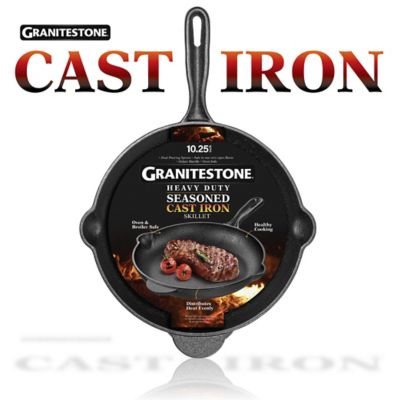
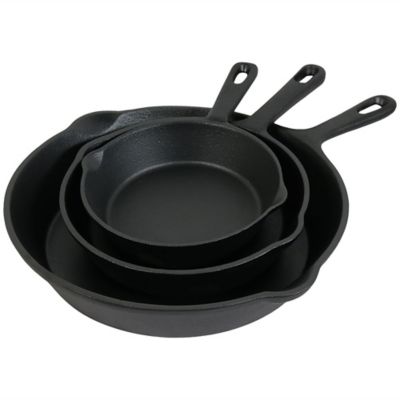
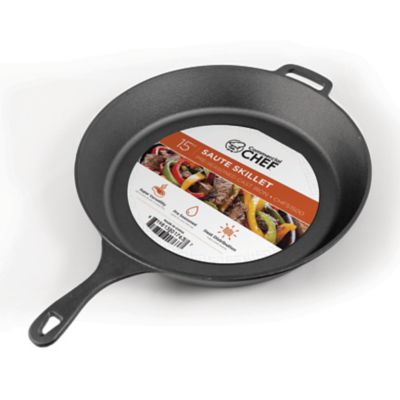
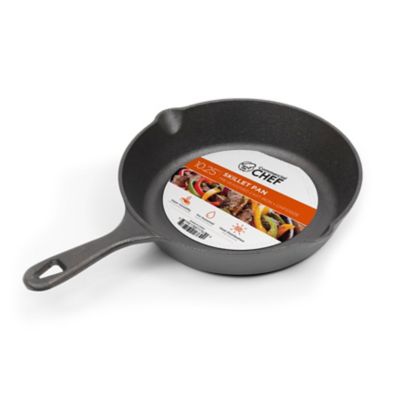
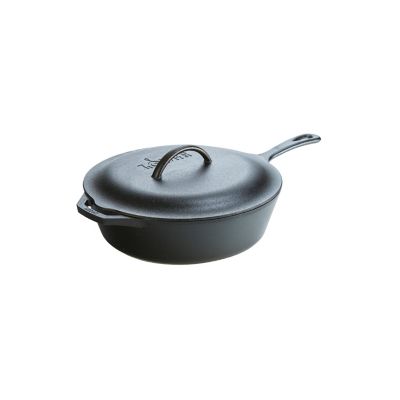
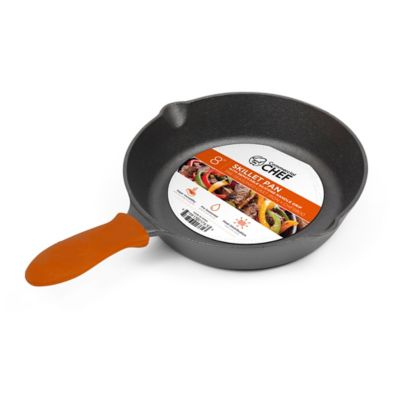
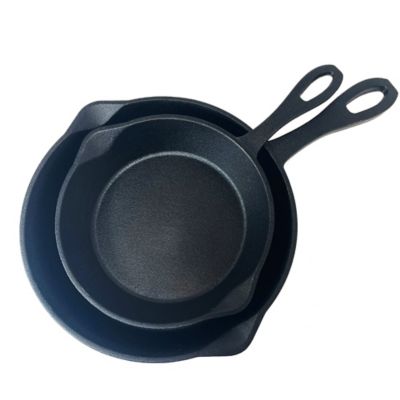
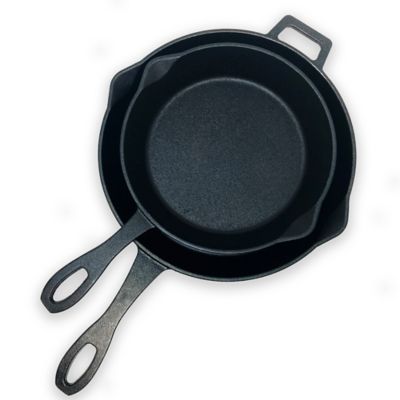
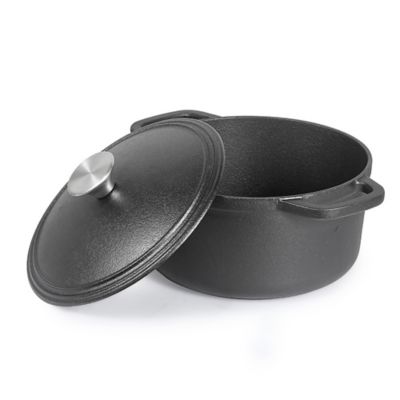
Oven-safe cast iron skillets bring stovetop searing and oven baking together in one pan, whether supper means pork chops with browned edges, a skillet full of cornbread, or chicken finished alongside roasted vegetables. Most solid cast iron skillets can go in the oven because the cooking surface and handle are made from heat-tolerant metal. The important limit is the manufacturer’s oven rating for the entire pan, including any coating, attached handle, lid, or knob. A metal skillet does not automatically make a silicone grip, wooden handle, glass lid, or other accessory suitable for the same temperature. Broiler compatibility is a separate consideration, too, since direct heat from above can exceed the limits of some finishes and components. Bare cast iron usually has a dark, seasoned cooking surface, while enameled cast iron has a glass-like coating over the iron. Both types can suit oven cooking when their stated ratings match the recipe, but their care needs differ. Seasoning consists of thin layers of oil bonded to the iron through heat; it helps protect the surface and supports easier food release as it develops with regular cooking. Enamel provides a coated cooking surface that does not need seasoning, though exposed rims or other unfinished areas may have separate care requirements. Cast iron takes time to heat through, then holds that heat well when food goes into the pan. That heat retention helps with a browned crust on skillet bread and a steady sizzle beneath a thick steak. Gradual preheating gives the cooking surface time to heat more evenly, rather than leaving the area directly over a burner much hotter than the edges. For a kitchen where meals often start on the range and finish in the oven, an all-metal skillet with a clearly stated oven rating offers a straightforward way to handle both jobs without transferring dinner to another dish.
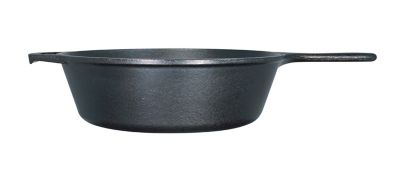
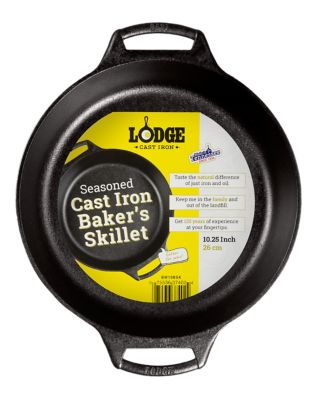
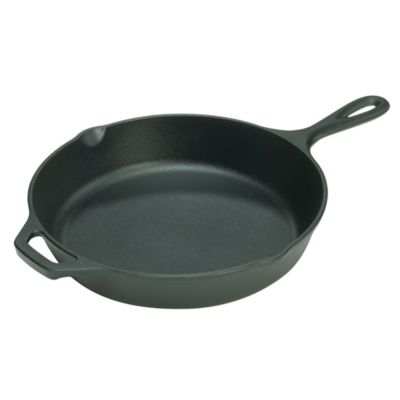
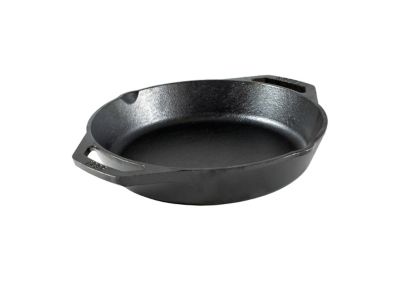
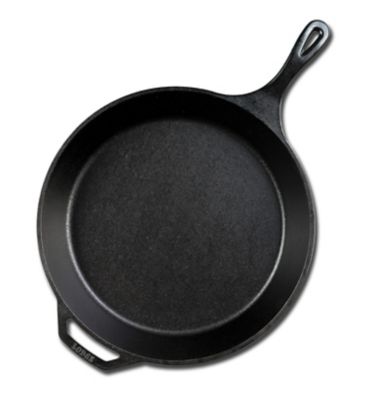
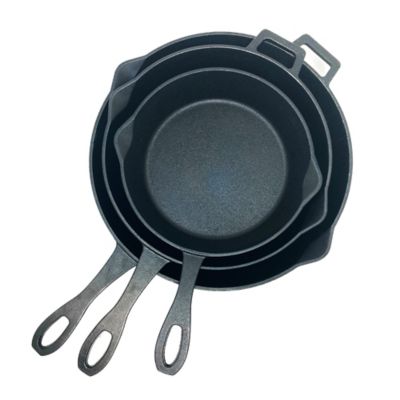
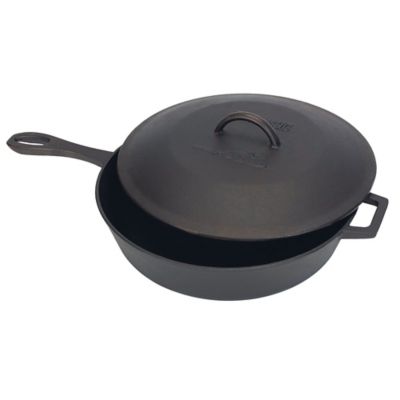
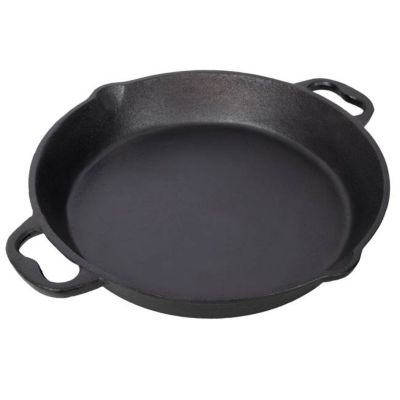
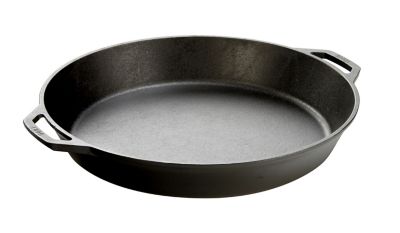
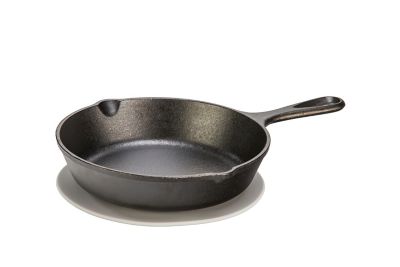
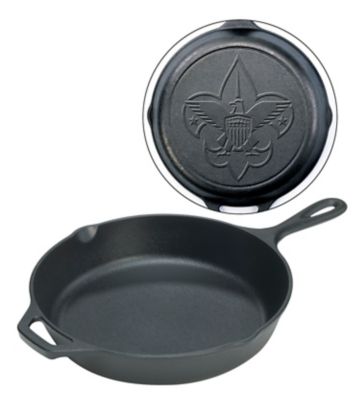
The right size depends on what goes into the skillet and how much room the kitchen offers. A smaller pan can suit a couple of eggs, a single serving of baked macaroni, or a small fruit cobbler, while a wider skillet gives burgers, chops, and vegetables more space to brown. Crowding the cooking surface traps moisture around food, so a pan that fits four pieces of chicken snugly may not leave enough room for a strong sear. Listed skillet measurements often refer to the diameter across the top, not the flat cooking area, making the bottom dimensions worth comparing when meal size matters. Sidewall height changes how a skillet handles different recipes as well. Lower, sloped sides make it easier to slide a spatula beneath eggs or turn a pancake, while deeper sides help contain a thick casserole, gravy, or a batch of sautéed greens. A skillet’s weight matters both empty and full, especially when lifting it from a low oven rack. A helper handle on the opposite side provides another gripping point, and generous handle openings leave more room for oven mitts. The full length, including both handles, needs enough clearance inside the oven for the door to close without crowding the pan. Pour spouts can help direct drippings into a container, though the skillet still needs a steady, controlled grip. For stovetop cooking, a flat base and compatibility with the range are important; cast iron is generally compatible with induction, but the burner size and appliance instructions still matter. On smooth glass surfaces, lifting rather than dragging a heavy skillet helps prevent scratches. A lid can hold moisture around braised meat or baked beans, but its oven rating may differ from the pan’s. These details make the difference between a skillet that simply fits on a shelf and one that feels manageable when dinner is ready to come out.
With sensible care, cast iron can stay in regular kitchen service for many years. Bare iron needs protection from lingering moisture, so washing and thorough drying go hand in hand. A little mild dish soap is generally fine for a seasoned skillet; long soaking and dishwasher cleaning can strip seasoning and encourage rust. Once the pan is clean and dry, a very thin film of cooking oil helps protect exposed iron without leaving a sticky coating. Food release also depends on preheating, cooking fat, and timing, not seasoning alone. A piece of meat often loosens more readily once its browned crust has formed, rather than when it first touches the pan. Long simmers with acidic ingredients such as tomato sauce or vinegar can weaken seasoning on bare iron and sometimes affect flavor, making an enamel-coated surface worth considering for those meals. Enameled skillets call for care around the finish, including suitable utensils and protection from hard knocks. Both bare and enameled cast iron benefit from gradual temperature changes; a hot skillet should cool before washing rather than go straight beneath cold running water. Every part of an oven-heated pan, including the handle, can stay hot well after cooking, so dry oven mitts and a heat-safe resting spot belong close at hand. For cooks who also make meals outdoors,
Cast Iron Skillets for Grilling offers a related place to explore pans for that setting, with each pan’s grill and direct-heat limits checked separately from its oven rating. Oven-safe cast iron skillets can also make practical gifts for someone setting up a kitchen, a home baker who likes crisp-edged cornbread, or a family cook who favors one-pan suppers. Matching the pan’s weight, cooking surface, and care needs to the person matters more than choosing the biggest skillet. A comfortable fit makes it easier to reach for the pan for everyday meals, from breakfast potatoes to a bubbling baked dessert.