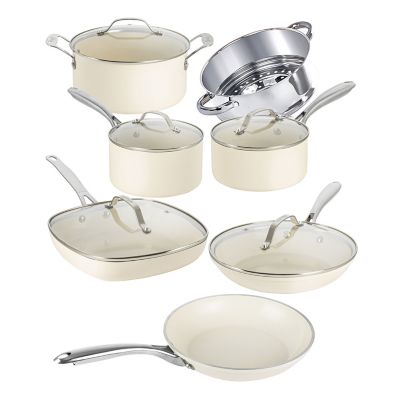
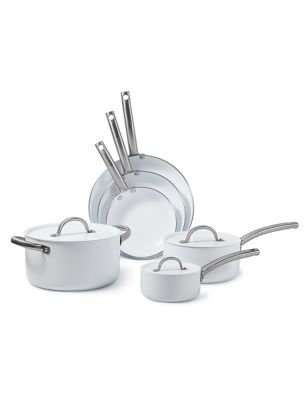
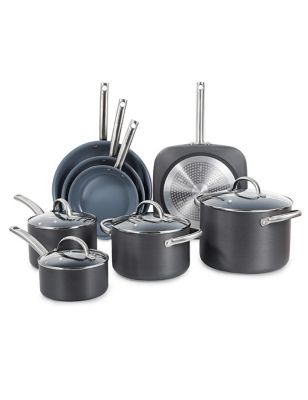
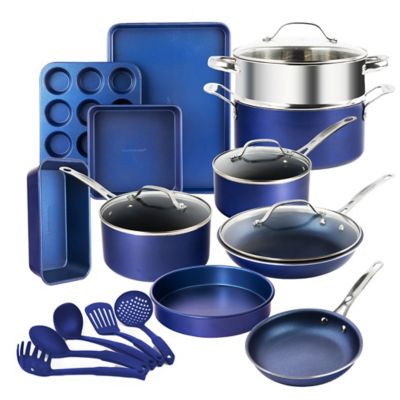
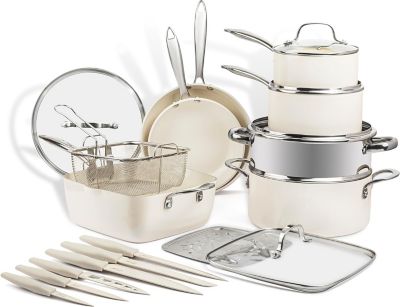
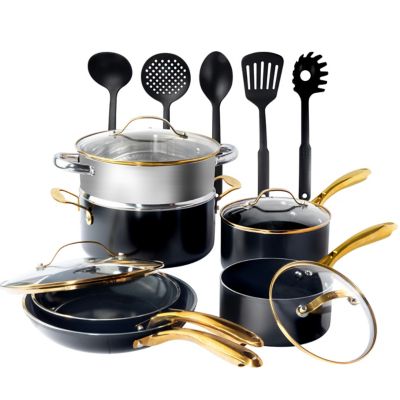
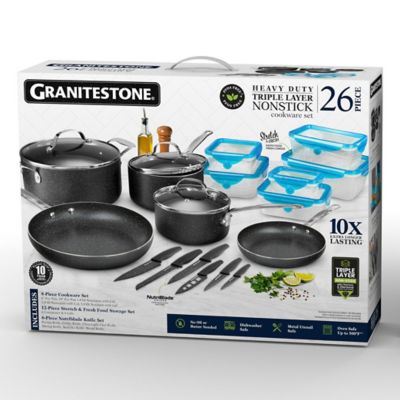
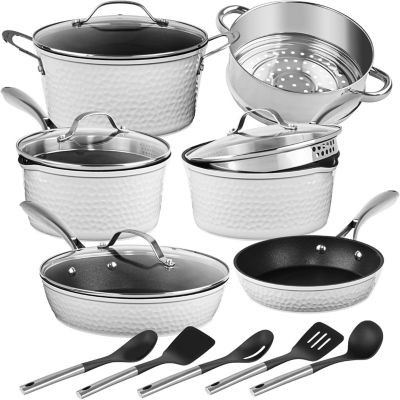
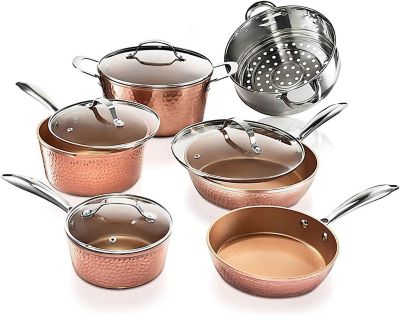
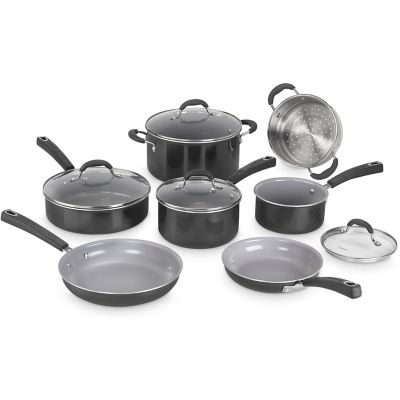
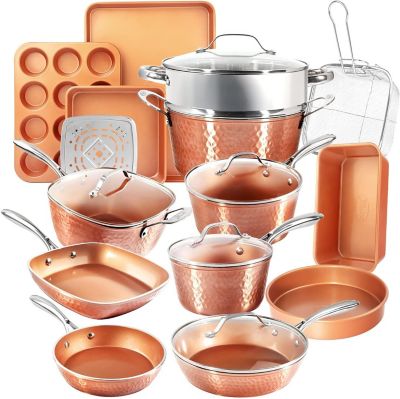
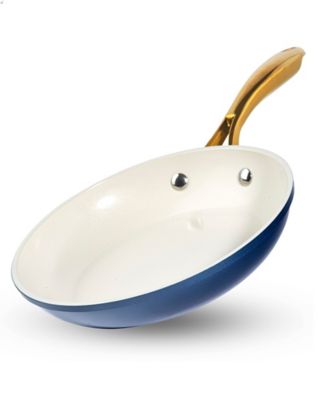
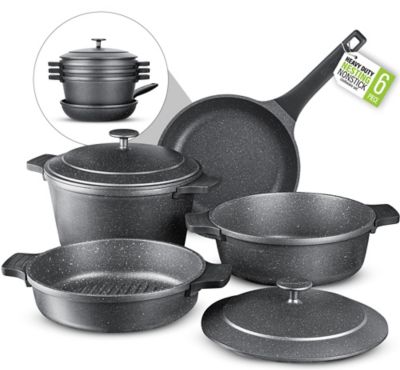
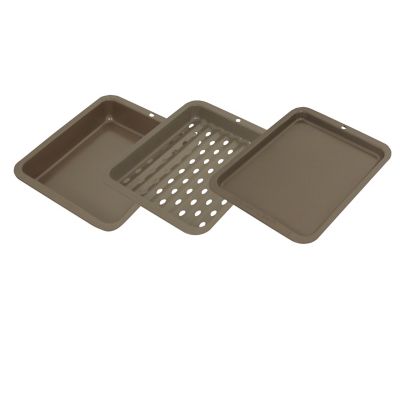
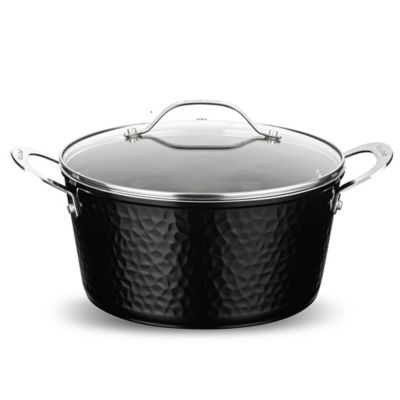
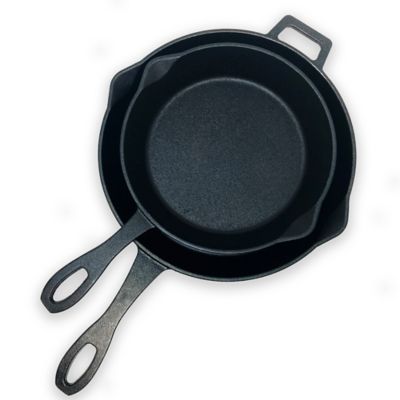
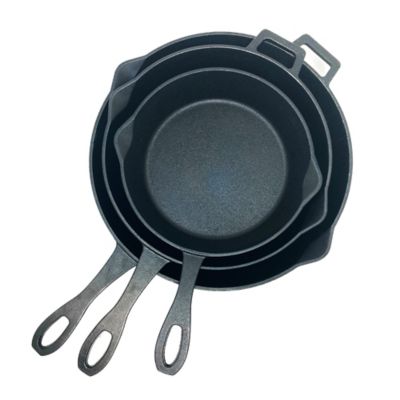
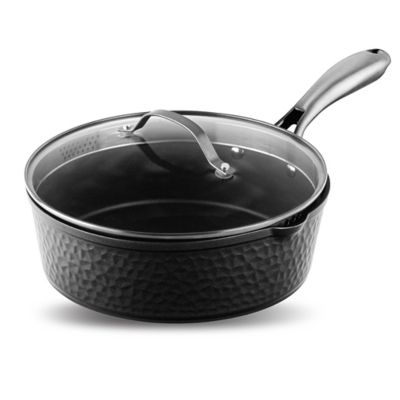
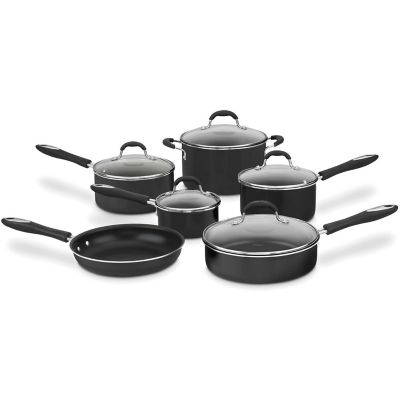
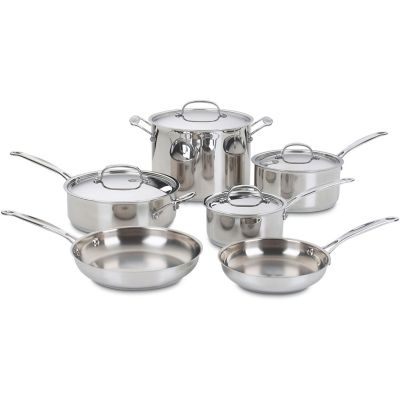
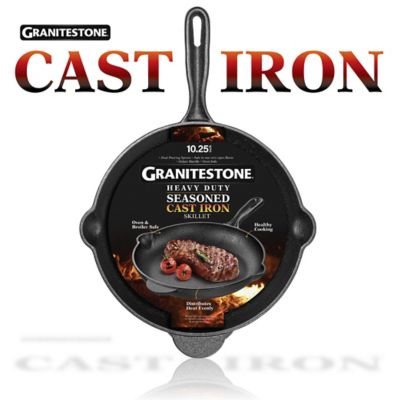
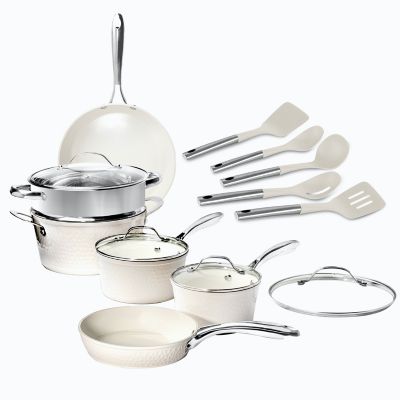
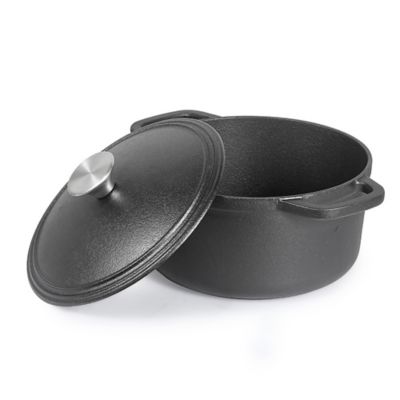
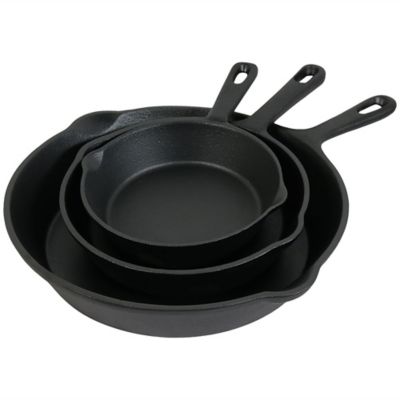
Oven-safe cookware sets include pots and pans designed to handle oven heat, allowing a meal to move from the stovetop into the oven when each piece is approved for both. That flexibility comes in handy for browning pork chops before finishing them through, getting a crisp edge on skillet cornbread or letting a pot of beans cook slowly while the rest of supper comes together. A skillet can handle the sear, then stay with the food for the oven portion of the recipe, leaving fewer pans in the sink afterward. Oven safety depends on the whole piece, though, not just the cooking surface. The body, handles, coating and lid all need to meet the temperature requirements of the recipe. Different pieces within the same set may have different limits, and a glass lid may carry a lower heat rating than the pot beneath it. Manufacturer instructions should spell out the maximum oven temperature and any restrictions on lids, removable grips or other parts. Broiler safety is a separate consideration because direct heat from a broiler puts different demands on cookware than ordinary baking or roasting. An oven-safe label alone does not establish that a pan can go beneath the broiler. Handles also get hot in the oven, including metal handles that may stay cooler during stovetop cooking. Dry oven mitts and a heat-safe landing spot help make the move from oven rack to counter more manageable, especially with a heavy pot full of stew. A clear understanding of these limits matters more than a broad claim about oven performance. The right set supports the meals already coming out of the kitchen, whether that means a quick skillet supper after chores or a longer braise for a table full of family. For recipes that begin with browning and end with covered cooking, a pot with a well-fitting, oven-rated lid keeps the transition straightforward without transferring hot food to another dish.
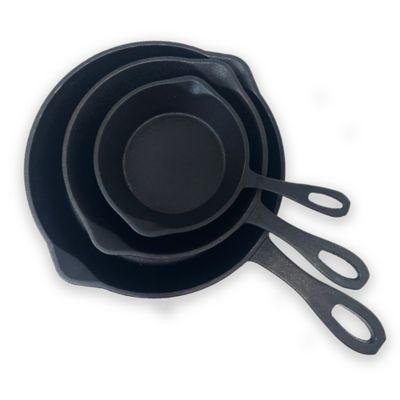
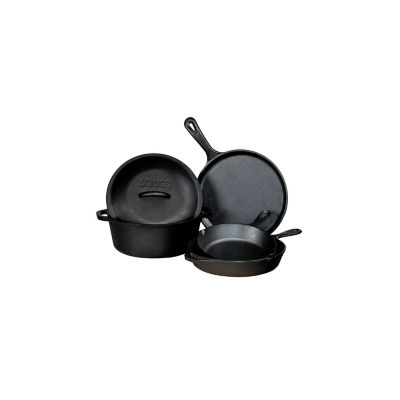
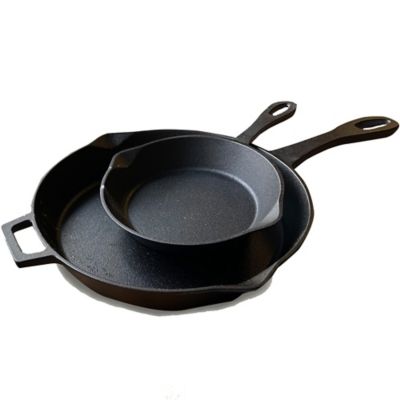
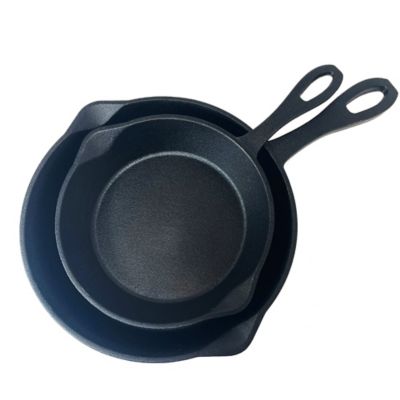
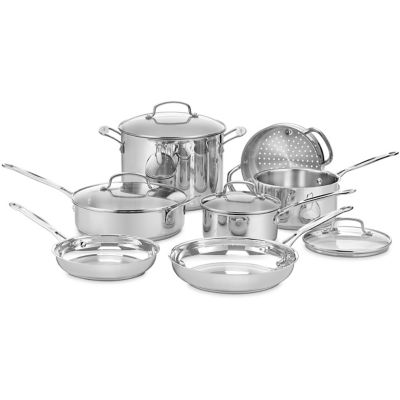
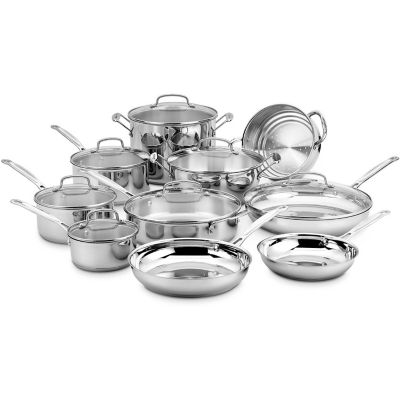
Materials shape how oven-safe cookware heats, handles food and fits into everyday cleanup. Stainless steel works well for browning meat, building pan sauces and cooking tomato-based dishes without the seasoning upkeep that bare cast iron needs. Many stainless steel pans have aluminum or copper within their construction to help distribute heat, though performance depends on how the pan is built. Bare cast iron holds heat well, making it a good match for a hard sear, crusty cornbread and dishes that benefit from steady cooking. Its weight becomes more noticeable when a skillet is full, so a helper handle can make carrying and tipping easier. Enameled cast iron pairs a cast-iron body with a coated surface that does not require seasoning on the enamel, while calling for care against chips and sudden temperature changes. Aluminum cookware is generally lighter to lift and responds readily to heat adjustments; hard-anodized versions have a treated surface and may also have a nonstick interior. Nonstick cookware can simplify cooking eggs and other foods that tend to cling, but its oven limits depend on the coating and every other component. The care instructions matter just as much as the material name. Metal utensils can scratch some cooking surfaces, while abrasive pads may damage coatings or finishes. A pan should cool before washing rather than going straight from a hot oven into a sink of cold water. Bare cast iron generally needs prompt drying and a light application of oil as directed, while other materials may call for different cleaning methods. Dishwasher suitability varies, and dishwasher-safe does not always mean that machine washing is the gentlest choice for the finish. Stovetop compatibility deserves its own check, too. Induction cooking requires a compatible magnetic base, and smooth glass cooktops benefit from cookware with a clean, flat bottom that sits steadily. Oven approval does not automatically establish that every piece suits every burner. Matching the construction to the cooking surface helps a set earn its place through regular meals rather than occasional use.
The most practical oven-safe cookware set has a mix of sizes that matches the household, along with shapes that fit the oven and the way meals come together. A smaller saucepan makes sense for gravy, rice or warming a modest portion, while a larger covered pot has room for soup, pasta or a slow-cooked roast. A broad skillet gives meat and vegetables more contact with the cooking surface, helping them brown instead of crowding together and steaming. Deep sides can help contain sauces, while lower sides leave more room for turning food with a spatula. Set counts need a closer look because lids and accessories may count toward the total; the number of cooking vessels gives a clearer picture of how many dishes can cook at once. Shared lids can save cabinet space, but matching lids to the pots that regularly need them matters more than having extra pieces. Oven fit includes handles and lids, not just the diameter printed for the cooking surface. A long skillet handle or tall lid knob can make a piece harder to position on a crowded rack. Weight, balance and grip matter when lifting a full pot, particularly for cooks who prefer lighter cookware or need two secure handholds. Storage is another everyday consideration: nested pans take less room, while pan protectors can help keep stacked surfaces from rubbing. For a first kitchen, a housewarming or a gift for someone who enjoys feeding a crowd, a well-matched set can cover a useful range of cooking without filling cabinets with repeat sizes. For a turkey dinner with gravy and plenty of sides,
Cookware For Thanksgiving Feasts connects that same planning to a bigger gathering. Whether supper serves two people or a whole crew, oven-safe cookware earns its keep through suitable materials, sensible sizes, clear heat ratings and care that fits the household routine.