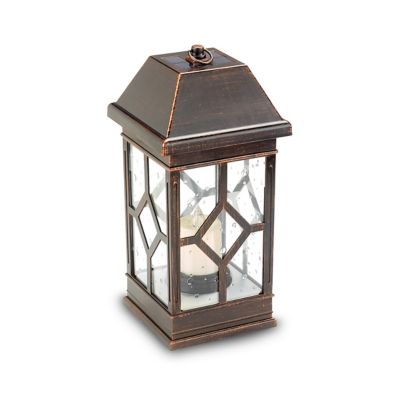
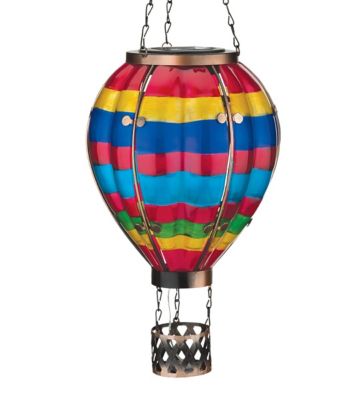
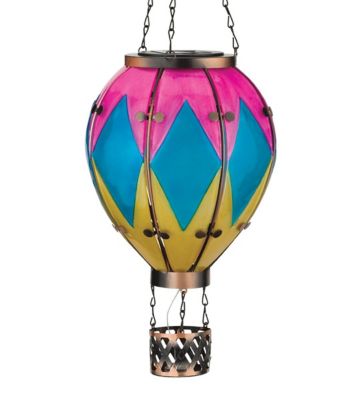
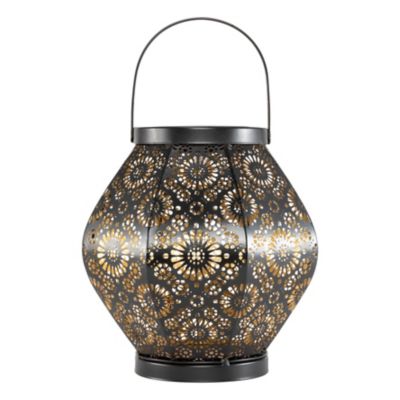
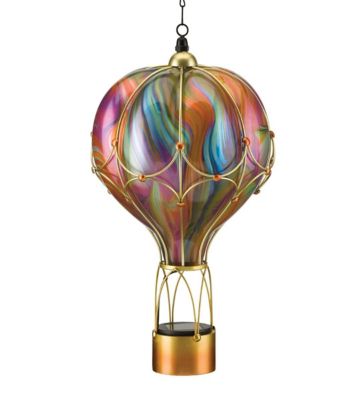
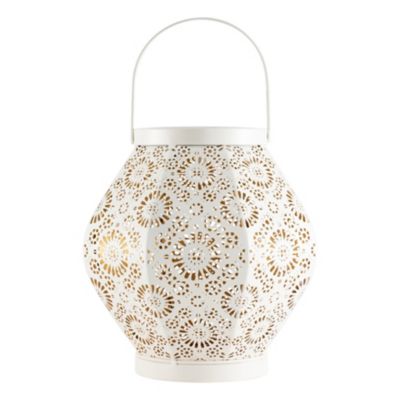
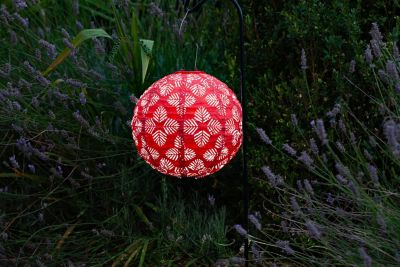
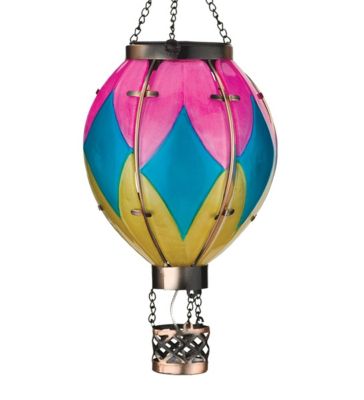
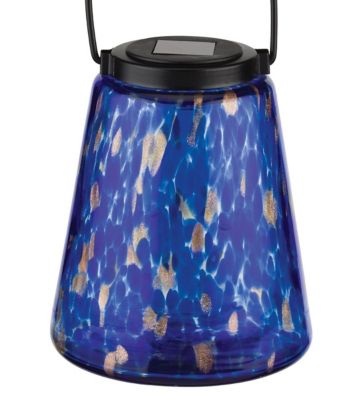
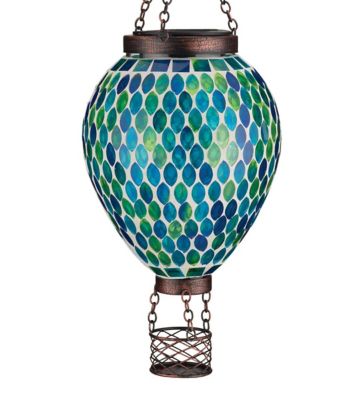
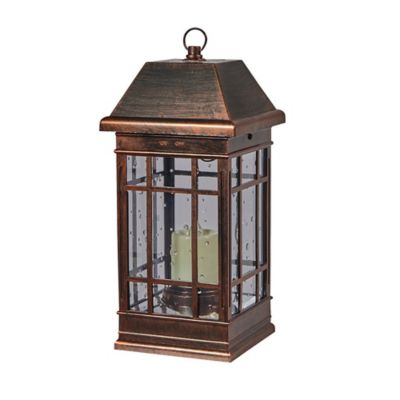
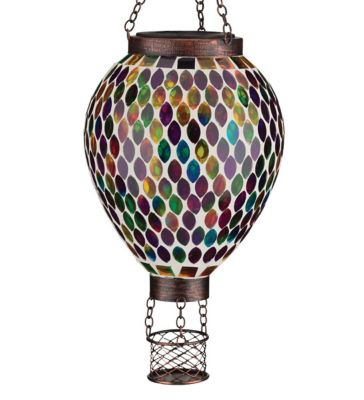
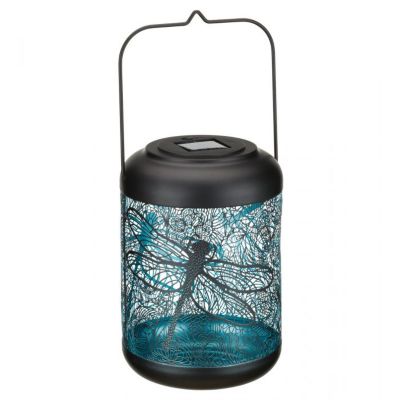
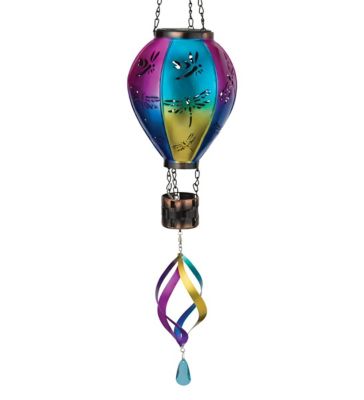
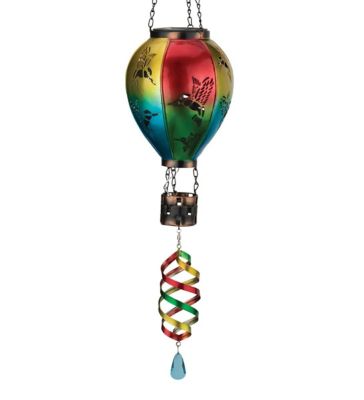
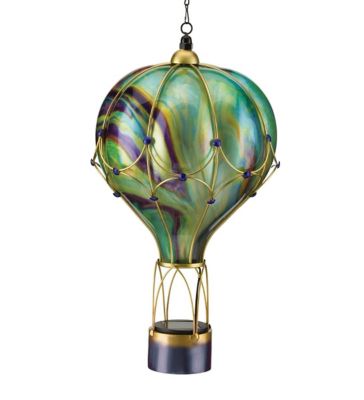
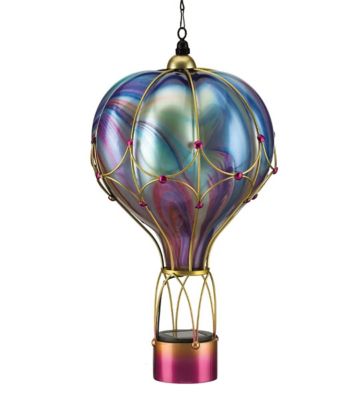
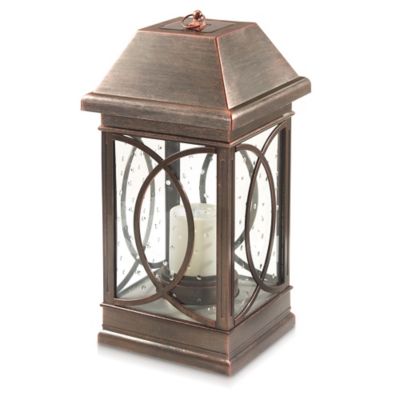
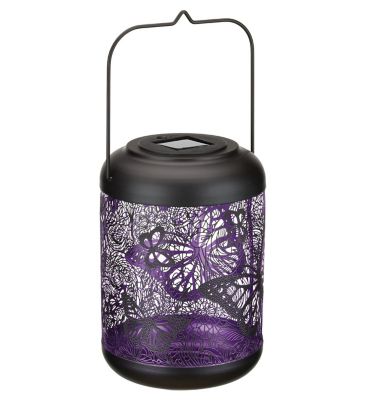
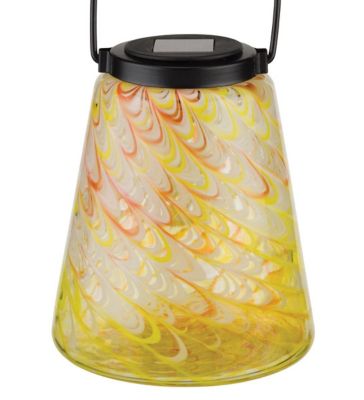
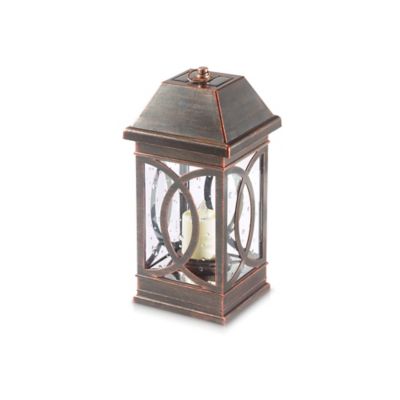
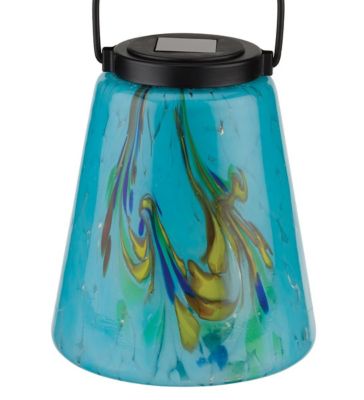
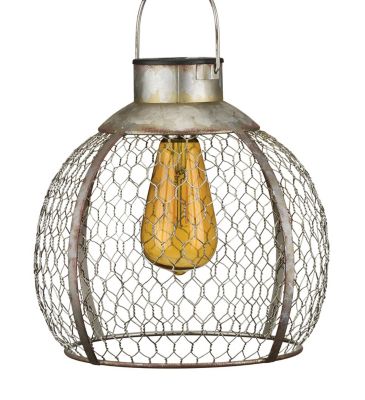
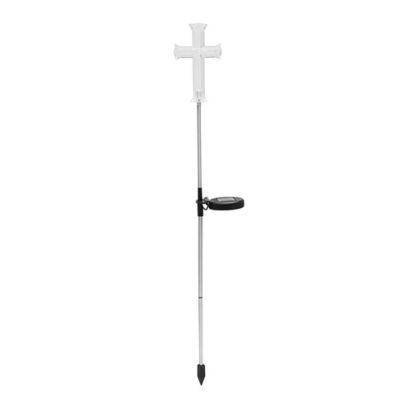
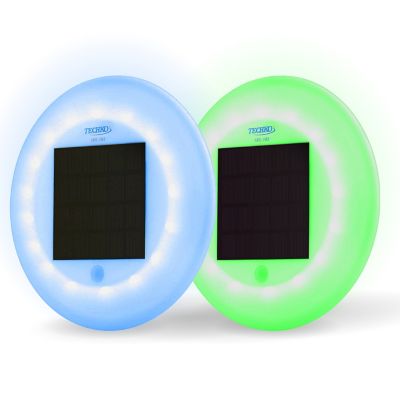
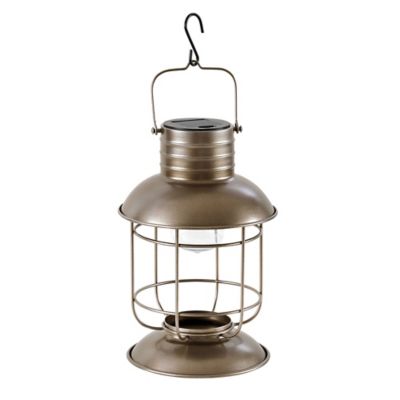
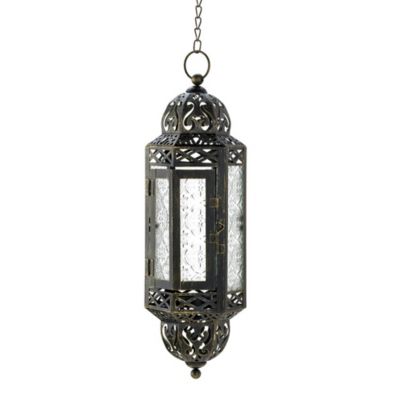
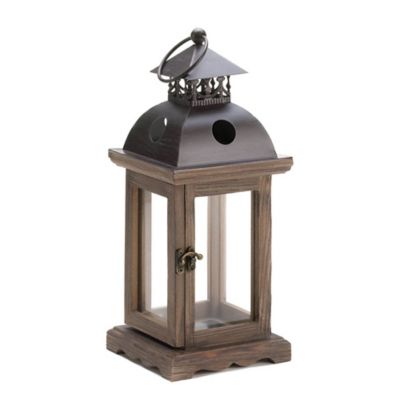
Solar-powered lanterns bring a soft glow to the places where folks settle in, share a meal or pause at the end of a long day. Along a porch rail, beside a patio chair or on an outdoor dining table, they add light without a cord running back to the house. Their appeal comes from both the light they cast and the shape of the lantern itself. Open frames can leave the light source in view, while patterned metal sides scatter shapes across nearby surfaces. Clear panes create a more direct glow; textured or frosted panels soften the light for a quieter look. Some designs have the familiar outline of an old-fashioned carrying lantern, while others feature straight sides and simple frames that fit comfortably beside wood, brick or stone. A candle-style light can add a gentle flickering effect without an open flame, though the effect and brightness depend on the lantern. These lights are generally meant to set a mood or mark a gathering space rather than light up a work area. A pair beside a bench can make that little corner feel more inviting, but it should not take the place of lighting needed to see steps, operate equipment or follow a walkway safely. Scale makes a difference, too. A small lantern can sit neatly beside a pair of coffee mugs, while a taller frame has more presence next to a wide doorway or a substantial porch post. For spaces that call for more height and visual weight,
Large Outdoor Solar Lanterns offer a related style to consider. Matching lanterns give an entryway a balanced look, while different heights can help a tabletop arrangement feel less stiff. Leaving some open space around each lantern lets the frame, finish and light pattern stand out without crowding the spot where people sit or pass through. The best fit feels at home with the furniture and leaves plenty of room for everyday living.
The solar panel is just as important as the lantern’s appearance, especially when deciding where it will spend the day. Solar-powered lanterns collect energy from sunlight and store it in a rechargeable battery that supplies the light after dark. Many have a light sensor that handles the switch from charging to illumination, although controls and operating modes vary. A deep porch may be a fine place to enjoy the glow but a poor place for a panel to gather sunlight. The same goes for a lantern tucked beneath a thick planting or set behind a broad post. For a portable design, a sunny charging spot and a separate evening display spot may work well, provided moving it fits easily into the household routine. For a hanging lantern that will stay in place, panel exposure deserves attention before choosing the hook location. Charging time and nighttime operation depend on the design, battery condition, selected setting and amount of sunlight reaching the panel; a full night of light should not be assumed. Size and placement also affect how the lantern functions around people. On a supper table, a low, steady base leaves more room for serving dishes and keeps the frame from blocking conversation across the table. Near a porch swing, a hanging lantern needs enough clearance to stay out of the swing’s path. Handles, loops and mounting points should be intended for hanging before a lantern is suspended, and the supporting hook should suit its weight and the mounting surface. Where children, pets or foot traffic are part of the picture, a level surface and an out-of-the-way position help prevent bumps and tip-overs. The light’s color and pattern matter here as well. A gentle amber tone can complement natural wood and woven seating, while a clearer white glow gives the surrounding area a different feel. Cutout sides may look especially appealing against a plain wall or tabletop, where the shadows have room to show. Nearby electric lights can affect some dusk sensors, so operating instructions are worth checking when choosing a spot.
Materials and construction help determine how a solar lantern fits its surroundings and how much attention it needs over time. Metal frames can provide a substantial feel, with finishes ranging from dark, understated surfaces to lighter painted looks. Glass panels have a pleasing clarity and weight, but they call for careful handling around concrete, stone and busy gathering areas. Plastic panels and housings can make a lantern easier to carry, though their care requirements and resistance to scratching vary. Woven-look bodies and open slats add texture beside simple furniture, while enclosed panels create a more defined lantern shape. For any outdoor setting, the stated use rating matters more than appearance alone; not every lantern is intended for the same degree of exposure to moisture. Follow the maker’s placement and care directions, including any limits on exposure and cleaning. A soft cloth can help keep the solar panel clear of dust and pollen so sunlight reaches its surface. Gentle cleaning around seams, panes and patterned openings keeps the frame looking tidy without damaging its finish. Avoid immersing electrical parts, and keep battery compartments properly closed. If the battery is replaceable, follow the specified battery type and replacement directions rather than substituting a different kind. Easy access to the compartment and straightforward controls are useful details for anyone who wants simple upkeep. Solar lanterns can also make thoughtful gifts for someone who enjoys porch sitting, tending a backyard garden or hosting a relaxed meal outside. A manageable size, a stable base and a style that suits the recipient’s space usually matter more than an elaborate shape. For a housewarming gift, consider whether the home has a sunny entry, a small patio or a broad porch with room for a pair. Whether the lantern becomes a centerpiece for evening conversation or a quiet accent beside a favorite chair, its role is simple: bring a little light and character to a place people already enjoy.