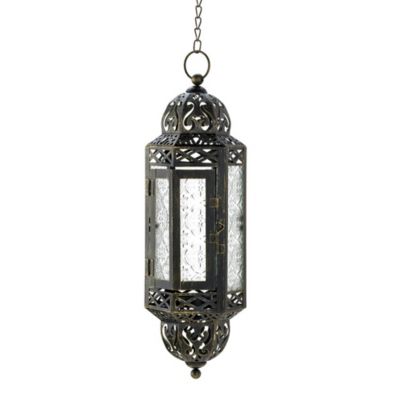
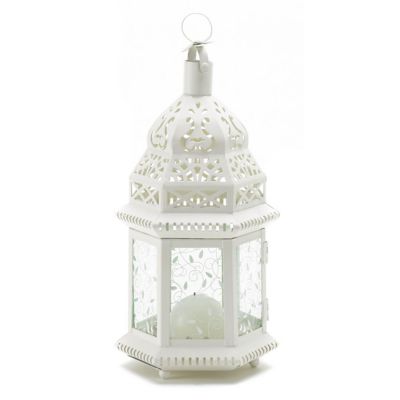
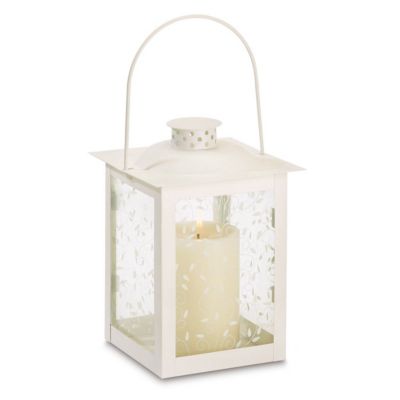
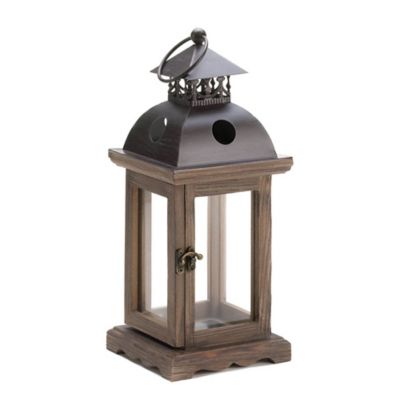
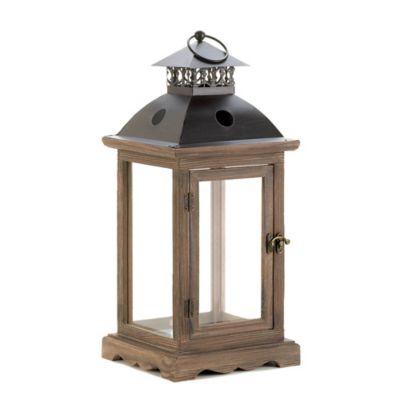
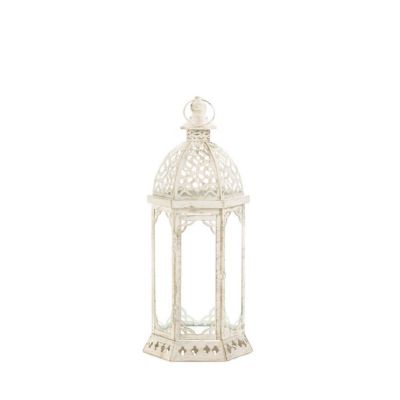
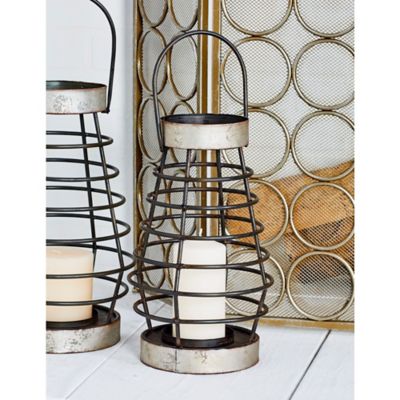
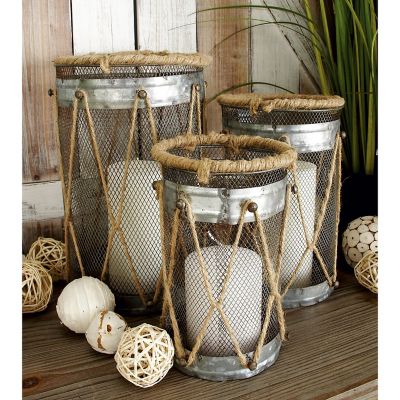
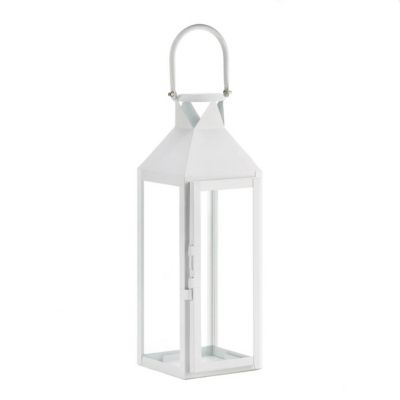
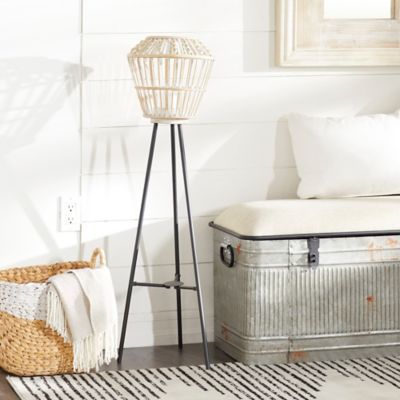
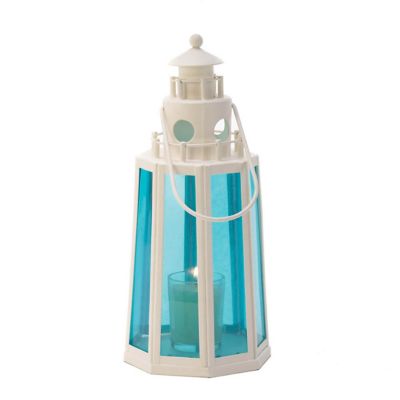
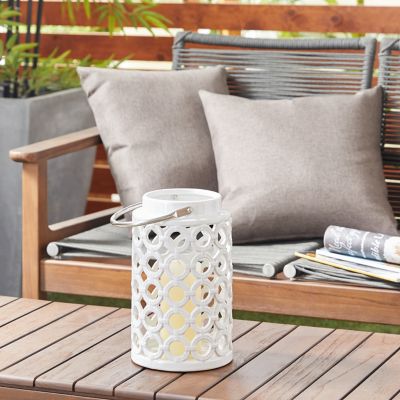
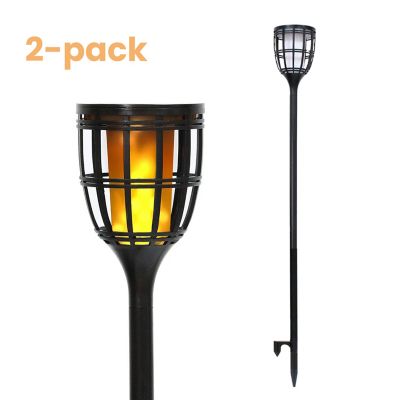
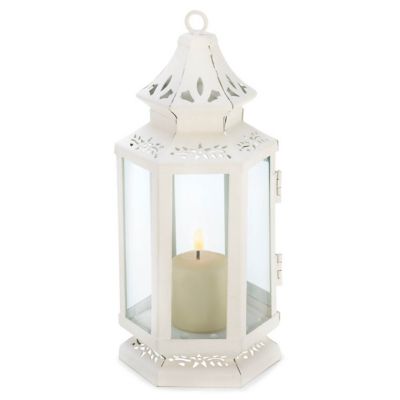
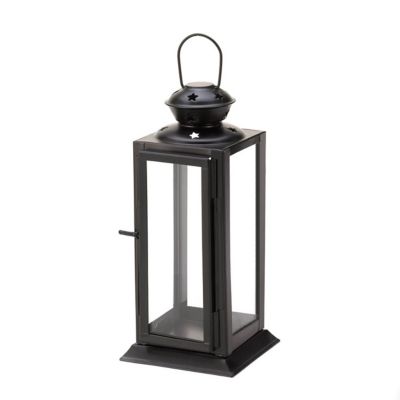
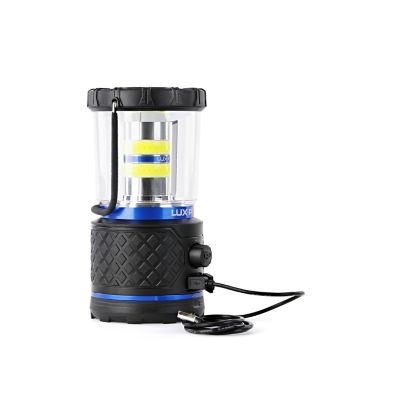
Outdoor candle lanterns bring a soft, welcoming glow to porches, patios, decks, and garden seating areas, with a frame that keeps the candle contained and glass panels that help shield a real flame from passing breezes. They suit the quieter parts of outdoor living: supper at the picnic table, a visit with neighbors on the porch, or a few minutes in a rocking chair after chores. Unlike overhead lighting, candlelight stays close to the table or seating area, adding atmosphere without lighting up the whole yard. Lanterns work best as accent lighting rather than the main light for steps, gates, or walkways where clear visibility matters. Their shape makes as much difference as their glow. Tall, narrow frames fit neatly beside a broad porch column, while shorter, wider lanterns feel at home on an outdoor dining table without blocking the view across it. Clear glass lets the candle stand out; textured glass softens the view of the flame and adds interest even before the candle is lit. Black metal frames pair easily with galvanized planters and simple porch furniture, while lighter finishes offer contrast against dark siding or stained wood. Materials also affect how a lantern fits its surroundings and how much attention it needs. Powder-coated steel and iron bring a substantial look, though chipped coatings can leave the metal beneath exposed to corrosion. Aluminum is generally lighter and resists rust, but its finish and hardware still need care. Wood frames and woven rattan add texture beside rocking chairs or wicker seating, though natural materials often belong in sheltered locations and may require flameless candles. An outdoor designation matters more than appearance alone: a lantern that looks right on the porch is not necessarily built for open-air exposure. Product care directions help distinguish lanterns intended for covered spaces from those suited to more exposed spots.
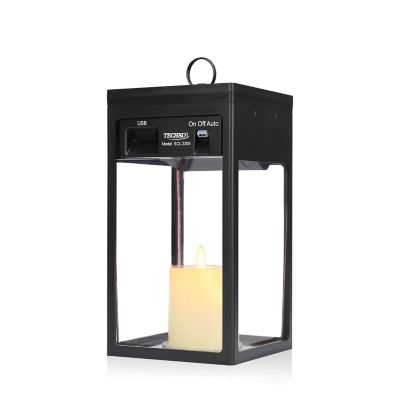
Candle fit is one of the most practical differences among outdoor candle lanterns. The outside measurements tell only part of the story; the interior platform, door opening, and clearance above the candle determine what fits safely inside. A broad pillar candle needs a level base with enough room around it, while a tall candle needs the overhead clearance specified by the lantern maker. A close fit can place heat too near the glass, frame, or top, so the recommended candle size and type should take priority over looks. Designs made for tea lights or votives have different proportions from pillar candle lanterns, and their holders should match the intended candle. A door that opens wide makes placing a candle and reaching the interior easier, while a latch that closes firmly helps keep the door from swinging open. For real flames, ventilation is essential; glass panels provide some shelter but do not make a lantern windproof or remove the need for supervision. Battery-operated LED candles offer a flickering effect without an open flame and can be a practical choice around active gathering areas, provided both the candle and lantern suit the location. An ordinary indoor battery candle should not be treated as an outdoor light simply because it sits behind glass. Timers can simplify evening lighting, and access to the battery compartment matters when the candle fits inside a narrow frame. For another outdoor lighting option,
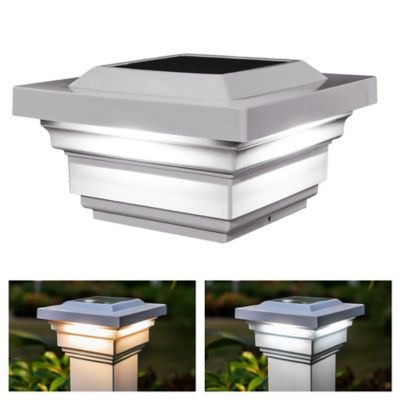
solar-powered lanterns collect sunlight to run an electric light after dark. Their performance depends on sunlight reaching the panel, so a deeply shaded porch may not provide enough charging time. Traditional candle lanterns, battery candle lanterns, and solar lanterns all lend themselves to relaxed outdoor spaces, but each has a different routine: lighting and tending a wick, replacing batteries, or keeping a solar panel clear and well positioned.
Placement and care help outdoor candle lanterns stay useful and looking good over time. On a dinner table, a lantern needs enough space for serving dishes, elbows, and chairs moving in and out. On a porch, it belongs away from the swing of a screen door and the path between the steps and the house. A stable, level, noncombustible surface is important for a lantern holding a burning candle, along with the clearances specified by its maker. Curtains, cushions, dry leaves, hanging plants, and overhead structures all deserve attention when deciding where an open flame can safely sit. Keep burning candles away from children and animals, never leave them unattended, and let the lantern cool before moving it. A carrying handle does not automatically mean a lantern is suitable for hanging while lit; that use needs approval in the product directions and properly rated mounting hardware. Flameless lighting is often the simpler fit near a busy doorway or where a curious pet might brush past a table, though cords, batteries, and small parts still need sensible placement. Cleaning is usually straightforward when it follows the material’s care instructions. Once the candle is out and everything has cooled, glass panels can be wiped free of soot and fingerprints with a soft cloth and a suitable cleaner. Avoid abrasive pads that can scratch glass or strip a frame’s finish. Remove wax only by the recommended method rather than prying against a glass pane or scraping coated metal. Dry moisture from frames and hinges, check latches for smooth movement, and bring lanterns into a sheltered storage space when their care directions call for it. These practical details also make a lantern a thoughtful housewarming or host gift for someone who enjoys porch sitting or outdoor meals. A manageable size, an easy-access door, and a clearly specified candle type make it easier to enjoy. Whether the setting is a farmhouse porch, a small deck, or a table beside the garden, a well-chosen lantern adds a gentle pool of light without taking over the space.