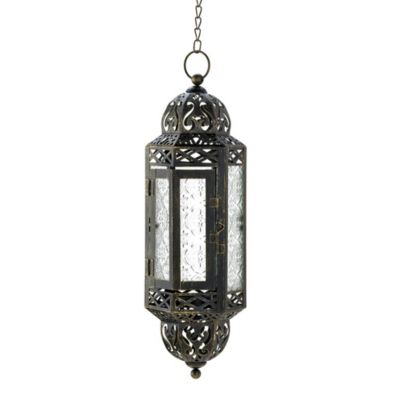
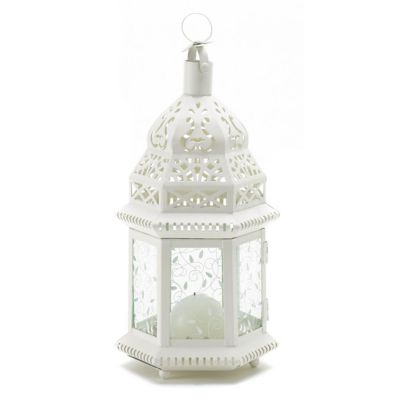
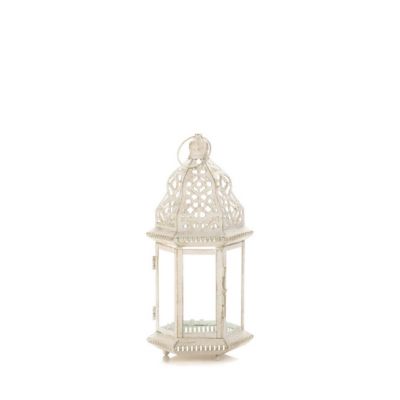
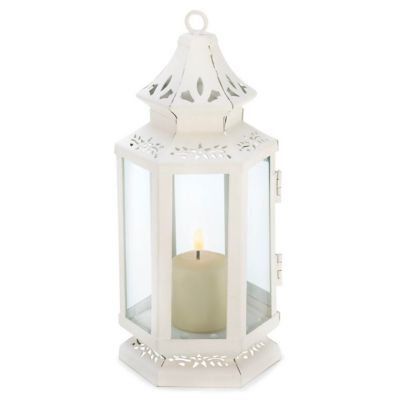
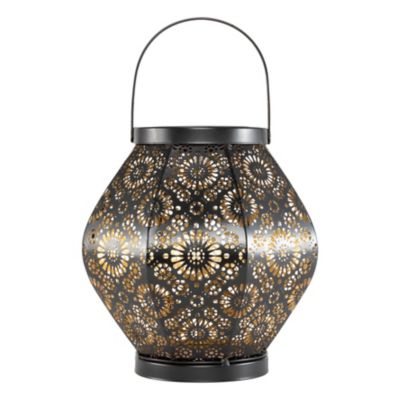
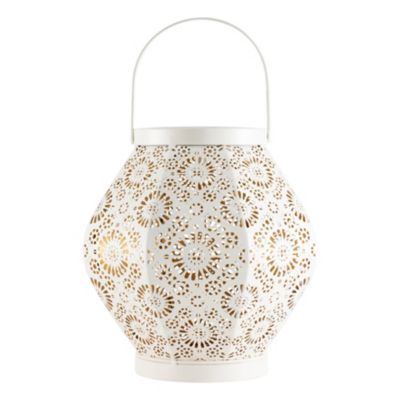
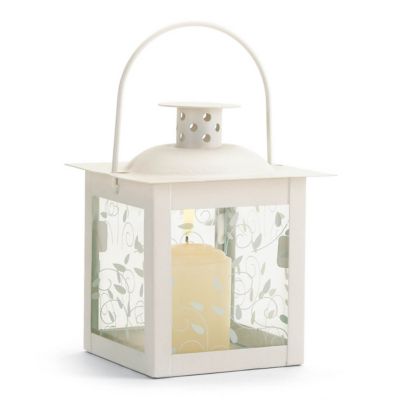
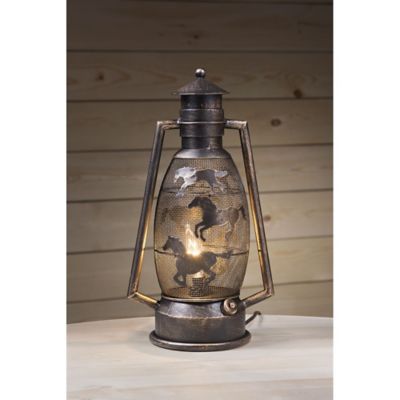
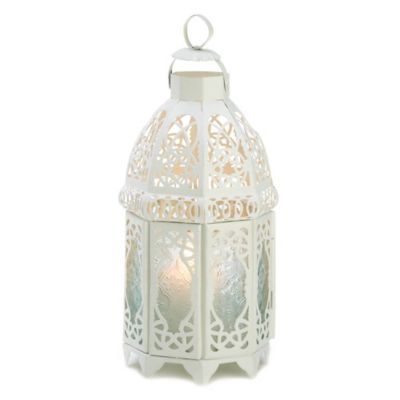
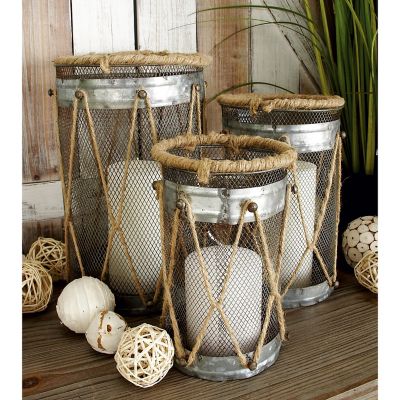
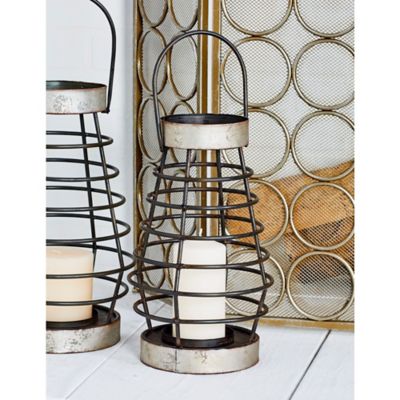
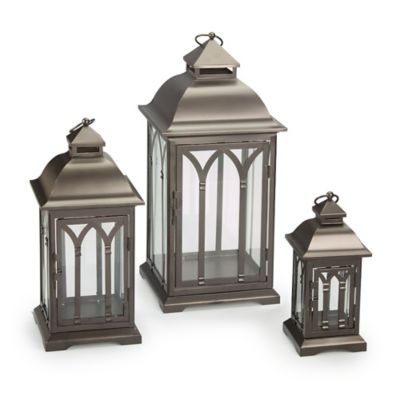
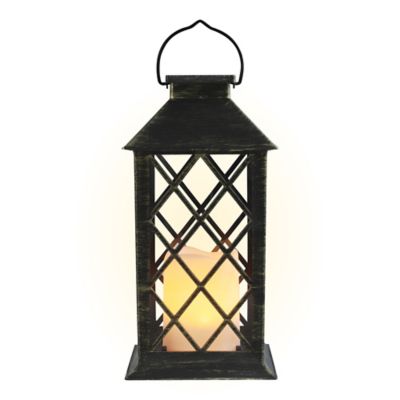
Metal lanterns bring a soft glow and a finished look to indoor and outdoor spaces, with designs that hold candles, flameless candles, or built-in lights inside a metal frame. Glass panels can show off the light while helping define the lantern’s shape, and open sides or patterned cutouts let light spill across a tabletop or nearby wall. The right choice depends on where the lantern will sit, how much space it can take up, and what kind of light it is designed to hold. A tall lantern beside a hearth creates a different effect than a small one on a kitchen table, even when both share the same finish. Steel, iron, and aluminum are common frame materials, each with a different feel. Iron often gives a lantern a substantial presence, while aluminum tends to be lighter and easier to move between suitable locations. Steel offers plenty of design possibilities, from slim frames with clean corners to rounded tops and broad bases. Material alone does not determine suitability for outdoor placement; the finish, construction, and manufacturer’s intended setting matter, too. Painted and powder-coated surfaces add color and help protect the underlying metal, though scratches and worn edges can leave that metal exposed to moisture. Black finishes sit comfortably alongside wood furniture and stone, while bronze, copper-toned, and lighter finishes offer other ways to tie a space together. Clear glass puts the candle or light source in view, while textured glass can soften its appearance. Hinged doors make the inside easier to reach, and a secure latch helps keep the door from swinging open when the lantern is moved. Small details such as smooth edges, firmly attached panels, and a level base make a difference in everyday handling. These are accents meant to feel at home in real living spaces, whether that means an entry bench, a dining room sideboard, or a covered porch furnished for sitting a spell.
The light source deserves just as much attention as the frame. Some metal lanterns are intended for real candles, some are suited only to flameless lighting, and others have an integrated electric light. A candle-shaped opening or glass enclosure does not, by itself, mean a lantern is safe for an open flame. Manufacturer directions should identify the permitted candle type, maximum size, and any clearance requirements. For candle-compatible designs, enough room around and above the flame is essential, and the lantern belongs on a stable, heat-resistant surface away from curtains, dry greenery, and other materials that can catch fire. A lit candle needs an adult nearby, and the lantern should stay out of reach of children and pets. Battery-operated candles offer a flickering effect without an open flame, making them a practical match for many busy households, provided the candle and lantern are both suitable for their location. Timers can simplify the evening routine, while access to the battery compartment matters when it is time for a change. Fit is more than the outside height listed for the lantern. The interior floor, door opening, and space beneath the top all affect which candle will sit properly inside. A wide pillar needs a broad, level resting place, while tealights need a design specifically suited to their size. Handles also deserve a closer look: a carrying handle is not automatically a hanging point, so suspension should be limited to designs expressly made for it. For outdoor placement, look for a lantern and light source labeled for that setting rather than assuming a metal frame is enough. Routine care is usually straightforward, with a soft cloth for dust, a gentle cleaning approach for glass, and attention to any finish-specific directions. Harsh scrubbers can scratch coatings or glass, and electrical components need protection during cleaning. Removing candle residue only after everything has cooled helps protect both hands and surfaces.
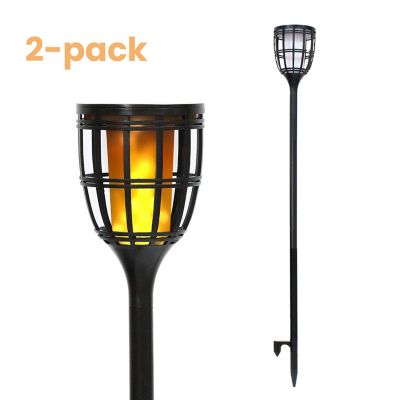
Scale and placement help metal lanterns look settled rather than squeezed into a spot. On a dining table, a lower profile leaves room for conversation across the center, while a larger lantern can anchor a broad console without getting lost against the wall behind it. A pair near an entry can give the space some balance, but a single lantern beside a crock or framed photograph can feel just as complete. On a narrow shelf, the depth of the base matters as much as the height, especially where a door needs room to swing open. Felt pads or another surface-safe barrier may help protect finished furniture, provided they do not interfere with stability or the lantern’s safety requirements. In a mudroom or near a doorway, placement should leave plenty of room for boots, bags, and everyday foot traffic. Outdoor lanterns can add a gentle glow around a seating area, though accent lighting should not take the place of lighting needed for steps, walkways, or other places where clear visibility matters. For spaces where a nearby outlet is not practical,
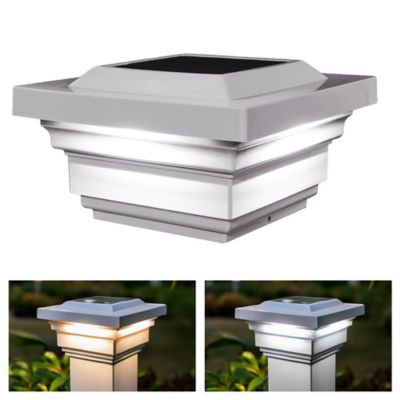
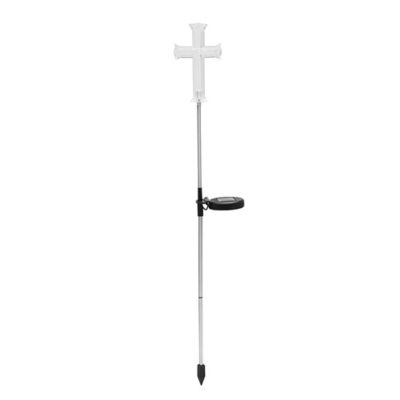
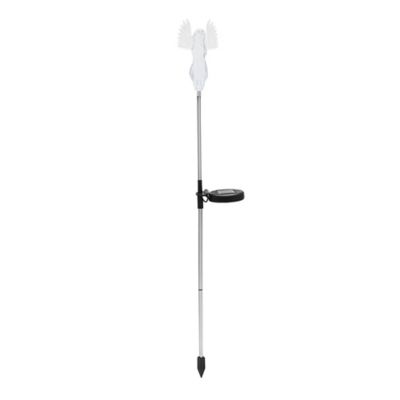
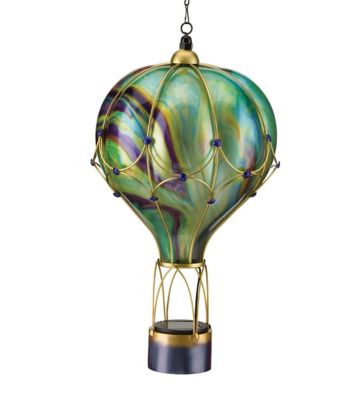
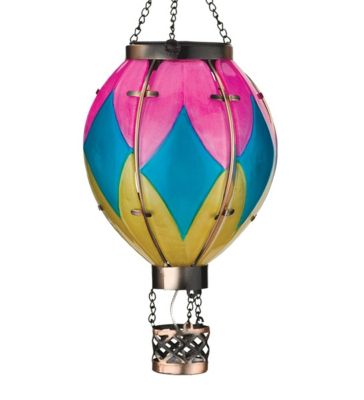
solar-powered lanterns offer another lighting option, with performance tied to panel placement, available sunlight, and the design’s charging requirements. Matching every piece is not necessary; repeating one finish or shape can bring a few lanterns together without making the room feel overly arranged. A simple square frame works alongside straight-lined furniture, while an arched top adds a softer outline against boards, brick, or stone. Metal lanterns can also make thoughtful housewarming, wedding, or host gifts, particularly when the size and lighting style suit the recipient’s home. A compact flameless setup may fit a small apartment, while a larger outdoor-rated lantern may suit someone with a roomy porch. Across these settings, useful proportions, accessible lighting, and manageable care are what turn an attractive lantern into a piece that fits comfortably into everyday life.