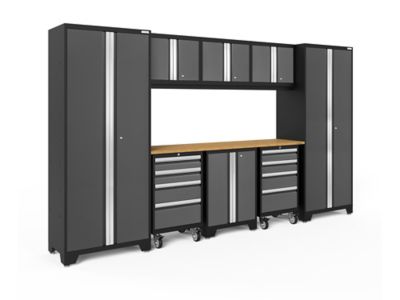
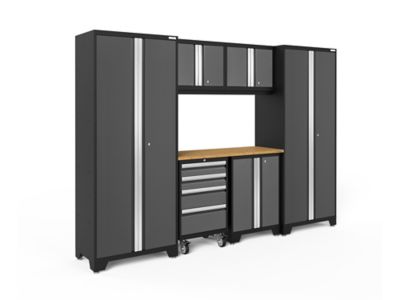
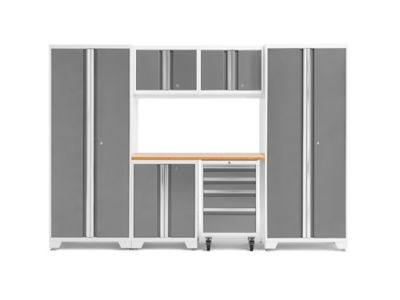
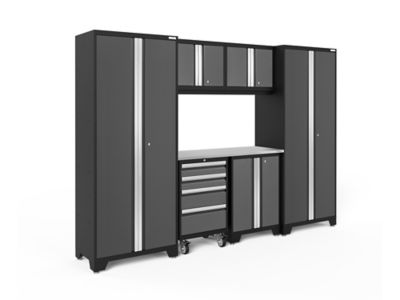
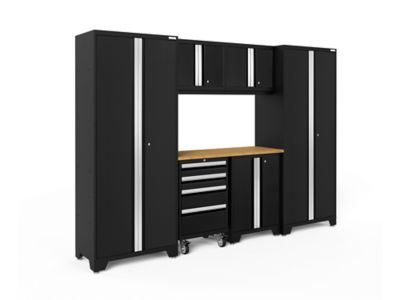
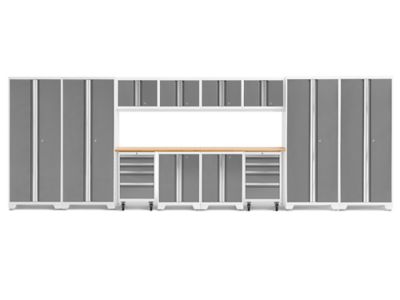
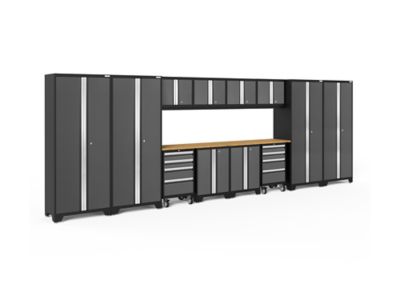
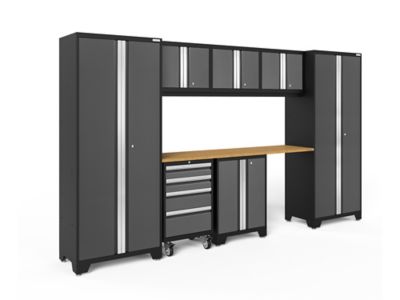
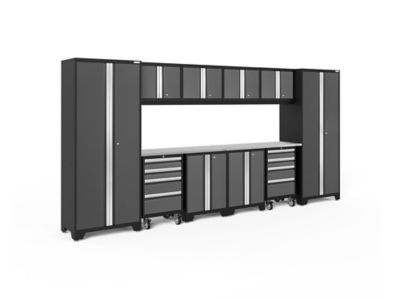
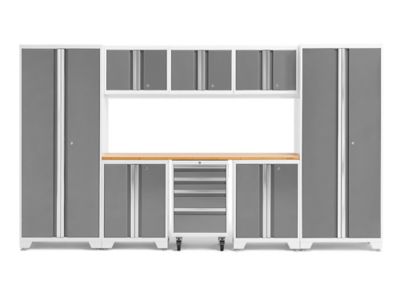
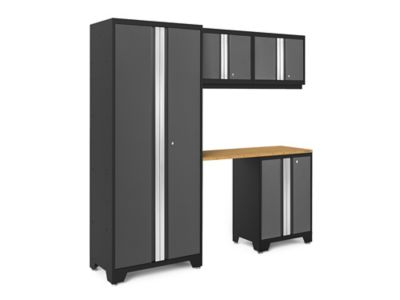
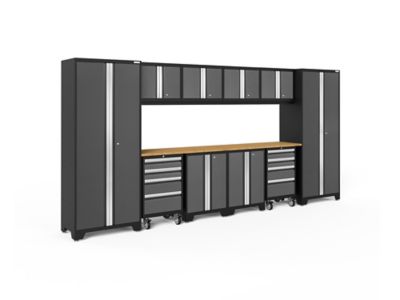
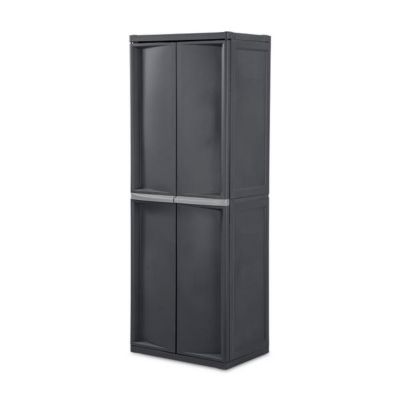
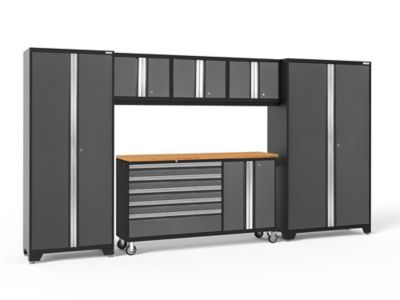
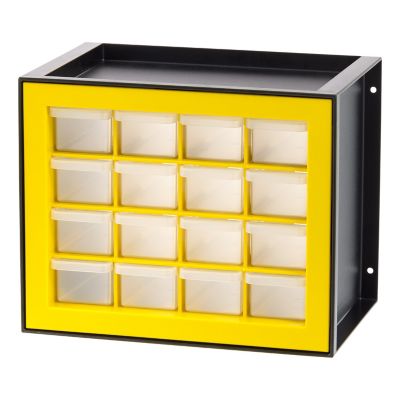
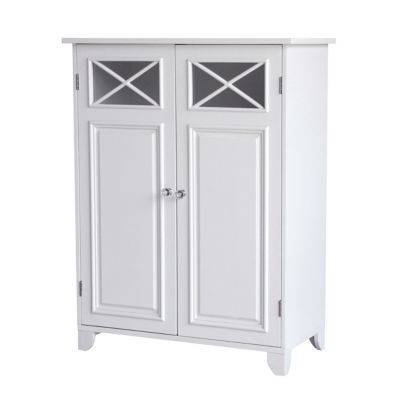
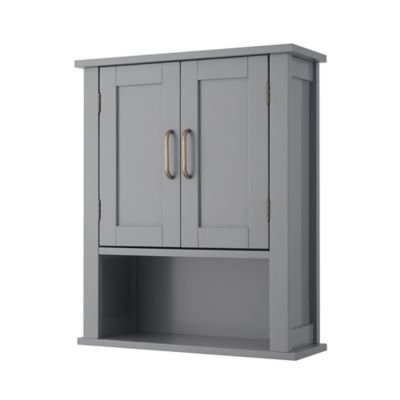
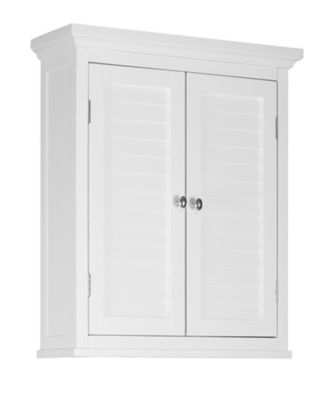
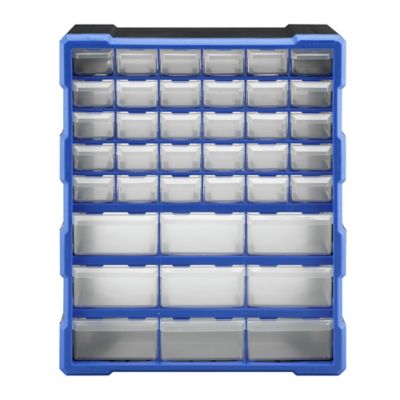
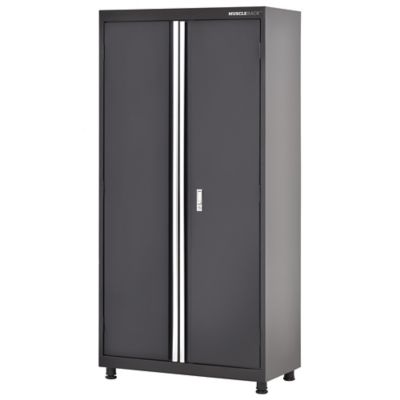
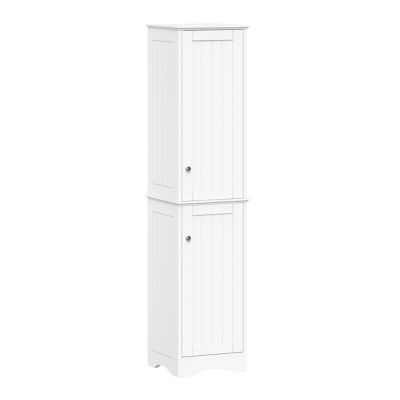
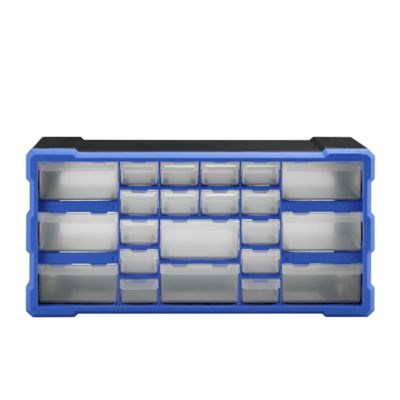
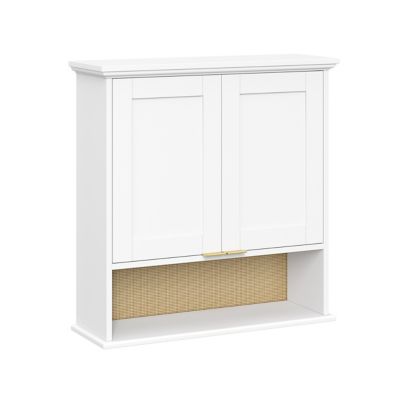
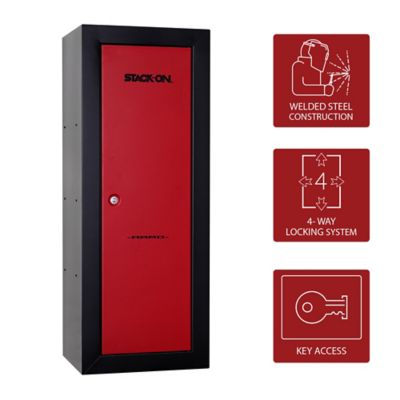
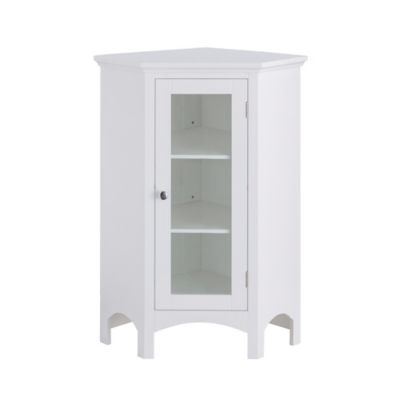
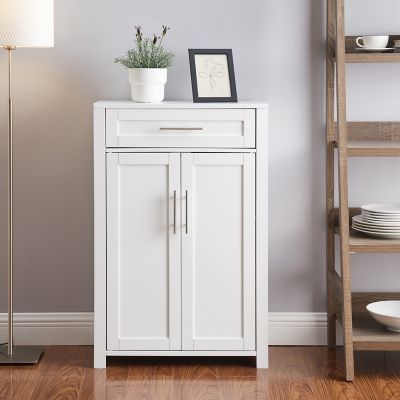
Organization cabinets bring enclosed storage to garages, workshops, mudrooms, utility rooms, and other spaces where tools and supplies need a place of their own. Unlike open shelving, a cabinet keeps its contents behind doors, helping a busy room look less crowded while limiting exposure to settling dust. Inside, shelves, drawers, and divided compartments make room for everything from small hardware to taller cleaning supplies. The right arrangement depends on what belongs in the cabinet and how often someone reaches for it. A workshop benefits from shallow storage that keeps small parts visible, while a utility room may need taller compartments for bottles, folded towels, and household supplies. On a working property, cabinets can give gloves, equipment manuals, and maintenance supplies a home near the job without leaving them scattered across a bench. Keeping related supplies together cuts down on trips across the shop and makes it easier to put things back when the work is done. Adjustable shelves offer flexibility as storage needs change, while fixed shelves provide a straightforward layout for supplies that stay much the same. Drawers bring smaller contents forward instead of leaving them hidden at the back of a deep shelf. Cabinets with a combination of open and enclosed sections can keep everyday essentials close at hand while tucking less tidy supplies out of sight. For shared spaces, separate compartments help different members of the household keep track of their belongings. A cabinet near the entry can hold chore gloves and small outdoor accessories, while one in a home office can gather paperwork and equipment behind closed doors. Storage works best when it follows the habits of the people using it: frequently needed supplies within comfortable reach, heavier loads down low, and clear space around the cabinet for opening doors and carrying things in or out.
Cabinet materials and construction play a big part in how well storage fits its surroundings. Steel organization cabinets make sense in many garages and work areas, where firm shelves and surfaces that wipe clean are useful. A painted or powder-coated finish helps protect the metal, though scratches and exposed edges still need attention according to the manufacturer’s care directions. Solid wood brings natural grain and a familiar look to living spaces, offices, and entryways. Engineered wood offers another option for indoor storage, often with a finished surface that cleans up with a soft cloth. Water should not sit on wood-based panels, especially along seams and unfinished edges, where swelling can develop. Shelf thickness, cabinet joints, door hardware, and the strength of the back panel all contribute to a cabinet’s stability. Weight ratings matter, too: the cabinet’s total capacity and each shelf’s rating are separate limits, and neither should be exceeded. A row of heavy tools places different demands on a shelf than a stack of towels. Dimensions deserve just as much attention as materials. Exterior width, height, and depth determine where a cabinet fits, but interior measurements determine what it holds. Door openings, hinges, and center dividers can reduce usable space, so a large cabinet does not always accommodate every wide container. Hinged doors need clearance in front, and nearby trim, outlets, or other furniture can affect how far they open. Wall-mounted cabinets free up floor space but require fastening to suitable structural support with hardware appropriate for the wall and expected load. Freestanding cabinets need a level base and any anti-tip anchoring specified by the manufacturer. Adjustable feet can help with slight floor unevenness when included in the design. In a narrow room or busy shop aisle, cabinet depth matters as much as storage capacity; leaving enough room to pass comfortably keeps useful storage from becoming an obstacle.
Interior features help organization cabinets make better use of the space behind their doors. Removable bins gather loose supplies, dividers keep shallow drawers from turning into a jumble, and pullout trays bring the back of a cabinet into view. These features work best when their dimensions match the cabinet interior and their weight limits suit the contents. Clear containers make small supplies easier to identify, while simple labels help keep shared storage consistent. Leaving a little room between groups makes containers easier to lift without knocking neighboring supplies over. Tall compartments can accommodate awkward shapes, and closely spaced shelves prevent small containers from getting lost beneath a large pocket of empty space. Locking doors can help control access in shared areas, but a household storage cabinet is not automatically suitable for chemicals, flammable liquids, firearms, or other materials with specialized storage requirements. Those contents call for storage designed for the purpose and handled according to applicable safety directions. For everyday cabinet care, a soft cloth, prompt spill cleanup, and the cleaning method recommended for the finish help keep surfaces in good shape. Hinges, handles, shelf supports, and drawer slides also benefit from occasional inspection so loose hardware does not turn into a bigger problem. Appearance matters most where storage shares space with daily life. Simple door fronts can blend into a utility room, while wood tones and framed doors may feel more at home near a kitchen or dining area. For spaces that mix straightforward lines with traditional details,
Transitional Cabinets offer another style direction to consider. Matching every cabinet is not essential, but coordinating finishes and keeping proportions in balance can make a room feel more settled. Whether the goal is a clearer workbench, a tidier entry, or household supplies that are easier to find, well-planned cabinet storage gives everyday belongings a sensible place to land.