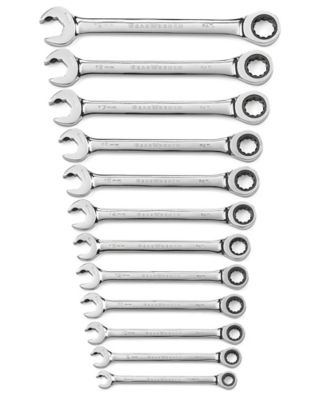
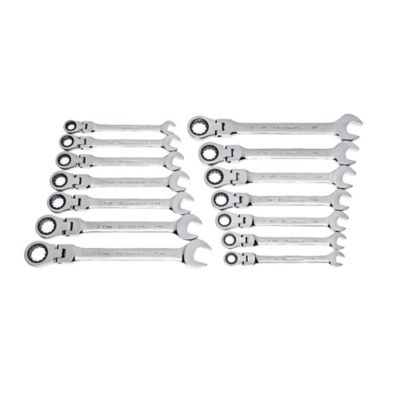
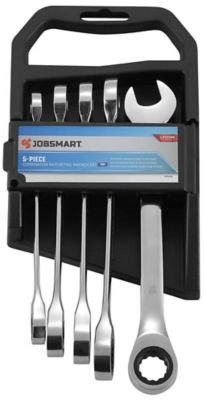
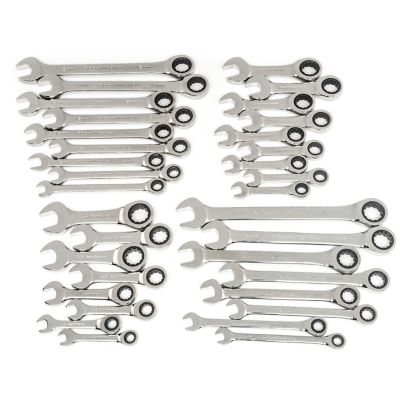
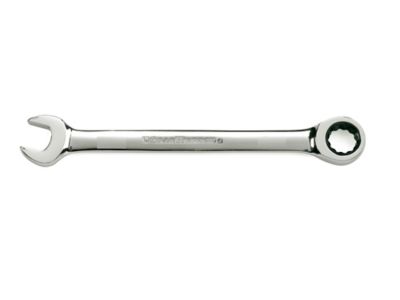
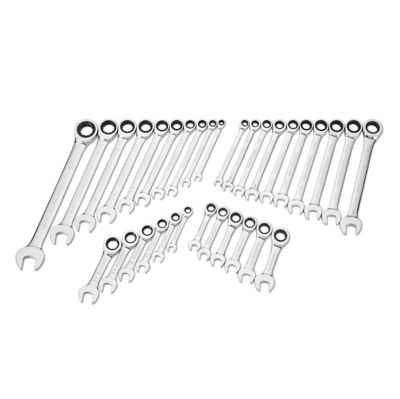
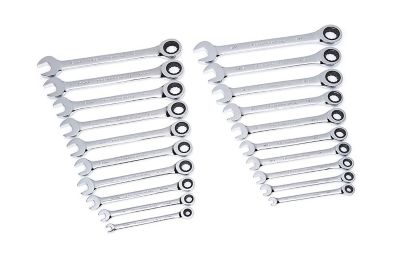
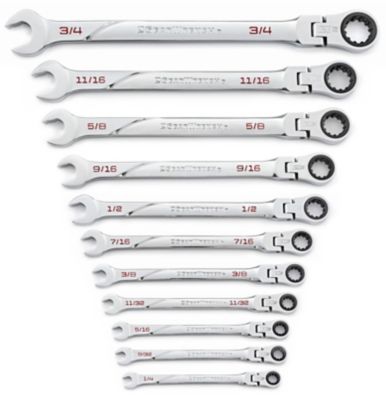
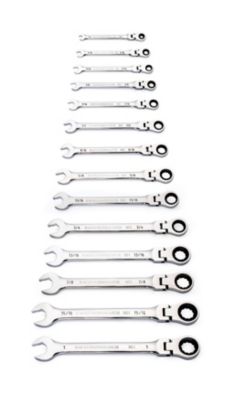
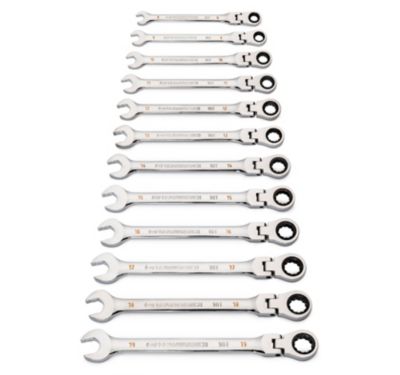
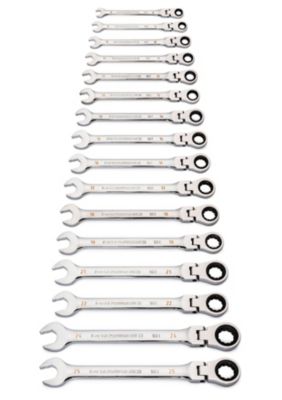
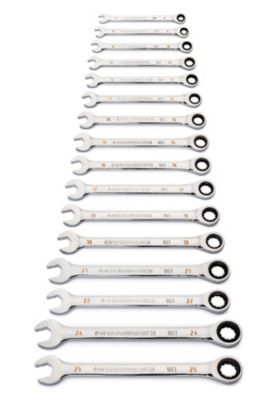
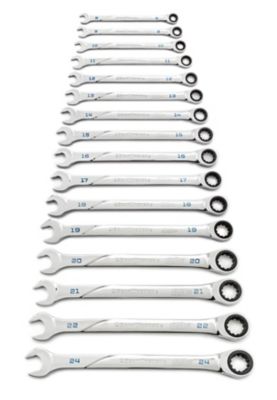
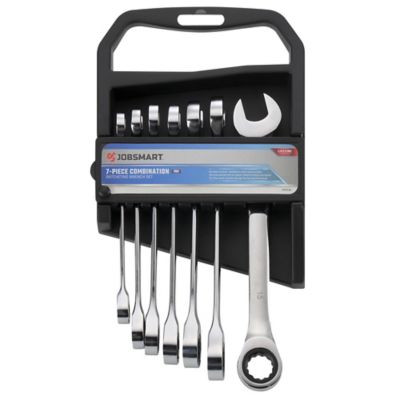
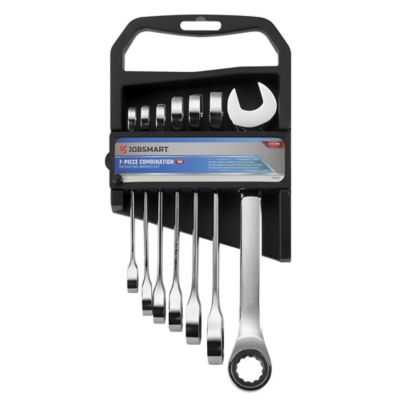
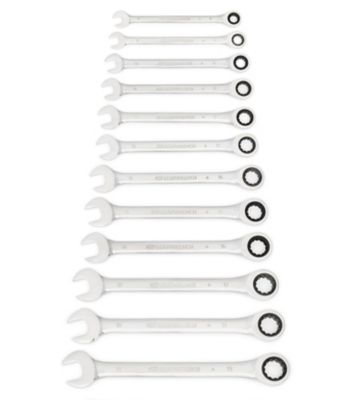
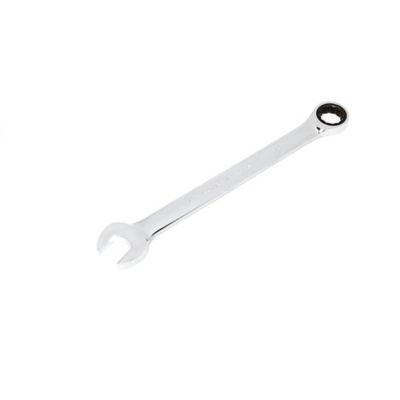
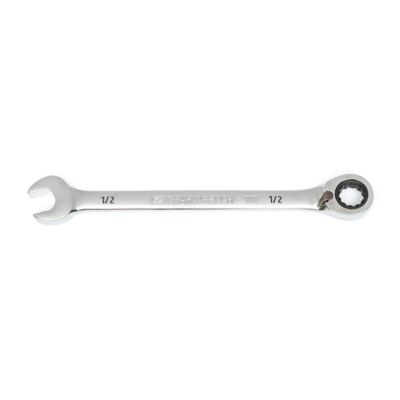
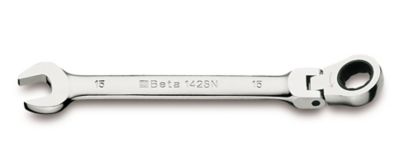
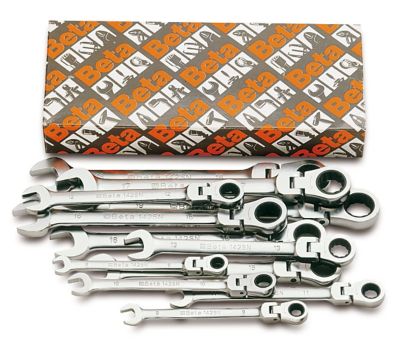
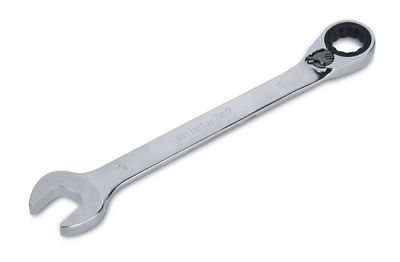
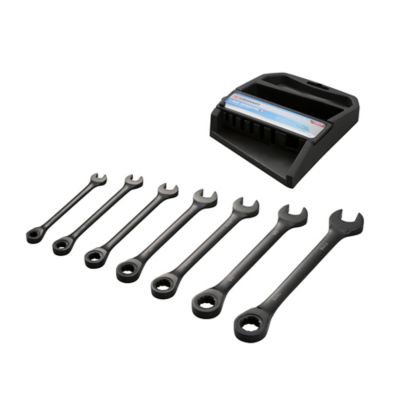
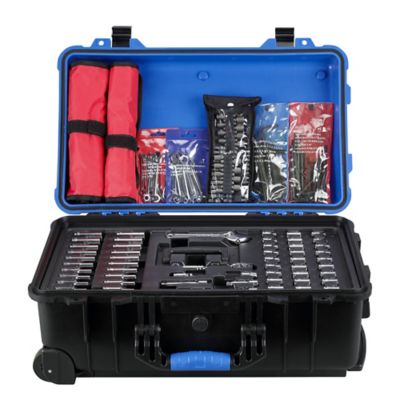
Open end ratcheting wrenches bring together the easy access of an open-end wrench and the quick motion of a ratchet. The open jaw slips around a nut or bolt from the side, which comes in handy when a fastener sits against a panel, pipe, bracket, frame rail, or other obstruction that keeps a standard box-end wrench from sliding over it. Once the wrench is seated, the ratcheting action lets you turn the fastener without lifting the tool after every short stroke. That can save a good deal of time when you are working in a cramped engine compartment, beneath a truck, around farm equipment, or along a piece of shop machinery. Instead of swinging through a wide arc, you can make small back-and-forth movements and keep your hand close to the work. Many people reach for these wrenches while servicing tractors, mowers, trailers, gates, pumps, utility vehicles, and household equipment. They can also be handy for assembling shelving, tightening hardware on a workbench, or handling routine repairs around a barn. A set may make a thoughtful gift for a beginning mechanic, a farmer who keeps equipment moving, a homeowner building a basic tool collection, or anyone who enjoys spending a Saturday morning in the garage with a cup of coffee nearby and a project laid out on the bench.
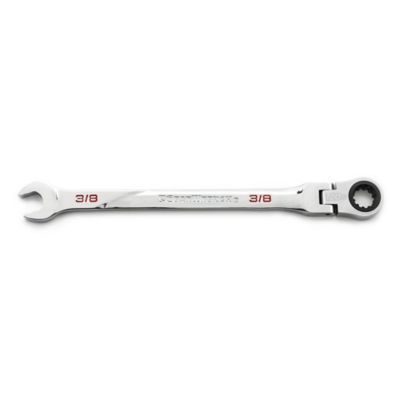
When shopping for open end ratcheting wrenches, start by considering the fastener sizes you deal with most often. SAE sizes are common on many older machines, trucks, and implements, while metric sizes appear on a wide range of newer vehicles, equipment, and hardware. A combination set with both systems can cover more jobs, though a focused set may make sense if your work calls for one sizing standard. Sets provide a matched range in a case or holder, making it easier to find the next size when a repair calls for several wrenches. Individual pieces can fill a gap in an existing collection or replace a size that has gone missing beneath a workbench. Pay close attention to the ratcheting mechanism and tooth count. A higher tooth count generally allows a smaller swing arc, which matters when there is barely room to move your hand between a fastener and a surrounding surface. A 72-tooth or 90-tooth mechanism, for example, may give you more frequent engagement than a lower tooth-count design. The result is less repositioning in tight spaces and a smoother rhythm during long jobs. Some styles include a reversing lever so you can switch between tightening and loosening without turning the wrench around. Others have an offset head that lifts your knuckles away from the work surface, while a flex head can help you reach fasteners set at an awkward angle. Check how the open jaw is shaped and how securely it sits on the fastener. A snug fit helps reduce slipping and protects the corners of the nut, especially when a stubborn fastener takes steady pressure. Alloy steel construction is common, and finishes such as chrome or black oxide can help the tool stand up to shop grime and moisture while making it easier to wipe away oil and dirt. A broad handle with a comfortable grip can make a noticeable difference when a repair runs longer than expected, particularly in cool weather when gloves are part of the job.
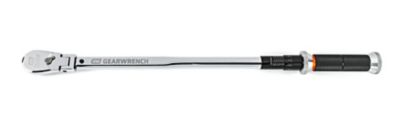
Think about the setting where the wrench will earn its keep. In a crowded engine bay, a compact head and narrow swing arc can help you work around hoses, wiring, and brackets. Under a pickup or trailer, an offset head may keep your fingers clear of nearby metal while giving you a better line to the fastener. Around the farm, a set stored in a service truck or toolbox can be ready for loose guards, linkage hardware, belt covers, and adjustments that cannot wait until equipment returns to the shop. Before turning, brush away packed soil, rust flakes, or grease that could keep the wrench from sitting fully on the fastener. Match the wrench to the fastener size rather than forcing a close fit, and keep the tool straight so the open jaw carries the load evenly. For a stubborn nut, penetrating oil and patience are often better choices than leaning on the wrench at an angle. Open end ratcheting wrenches are made for turning fasteners, not for striking or extending the handle with a pipe. If a job calls for controlled torque on a critical connection, pair your hand tools with
Torque Ratchets and follow the equipment maker’s specifications. After a day in the field or shop, wipe away grit and oil before putting the wrenches back in their holder; a clean, organized set is easier to reach for when a machine is down and daylight is fading. During the cooler months, that quick access can mean less time standing in the wind beside a trailer or tractor and more time getting the job finished.