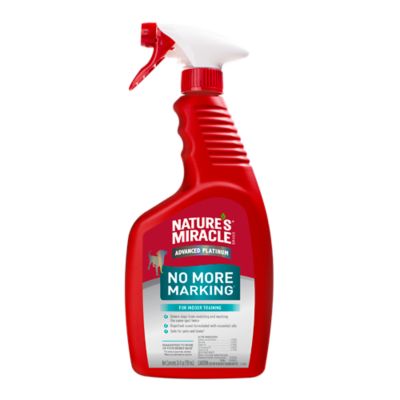
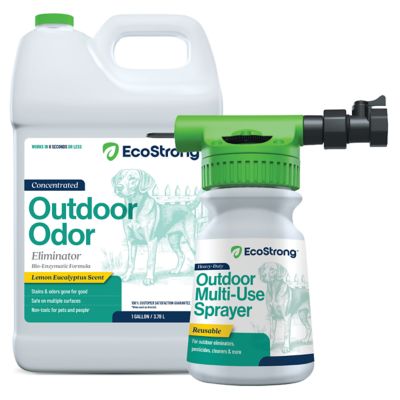
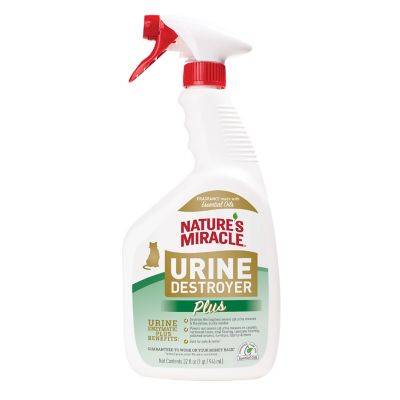
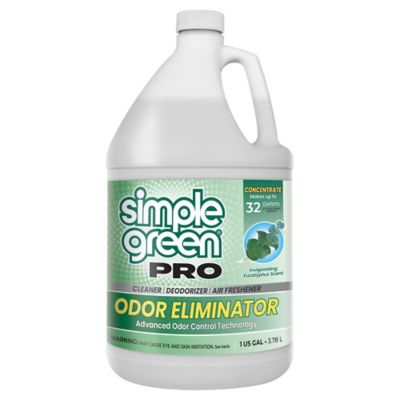
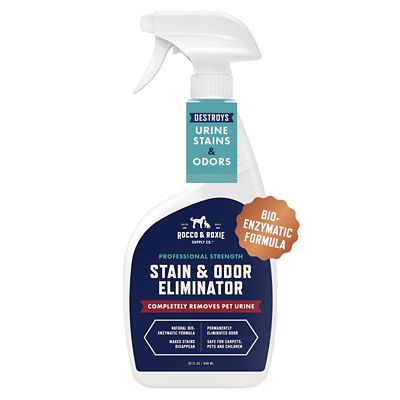
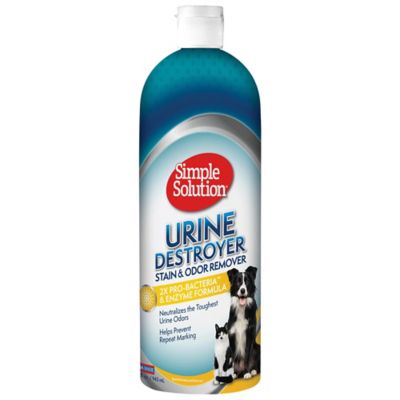
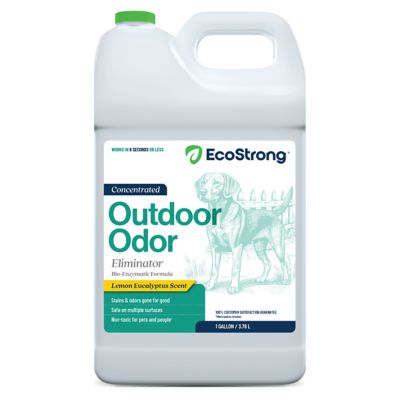
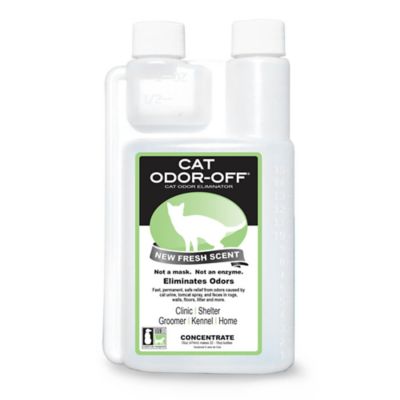
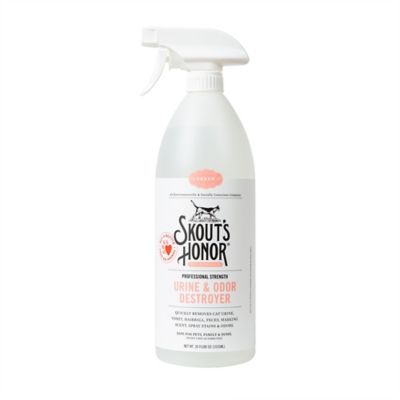
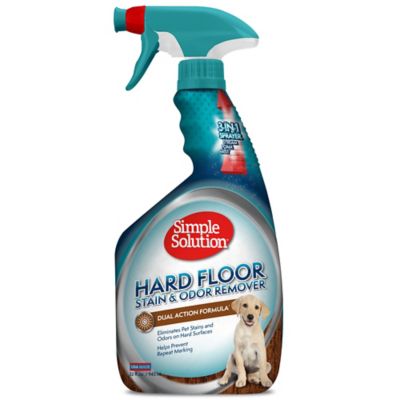
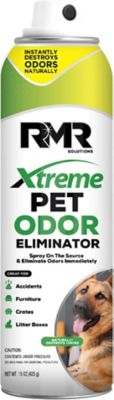
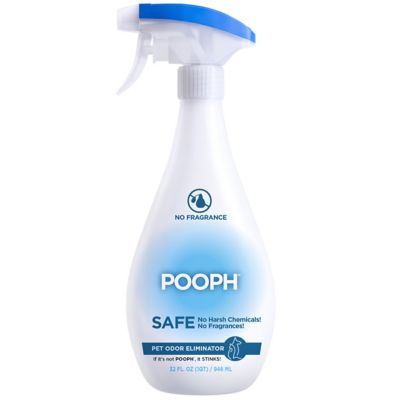
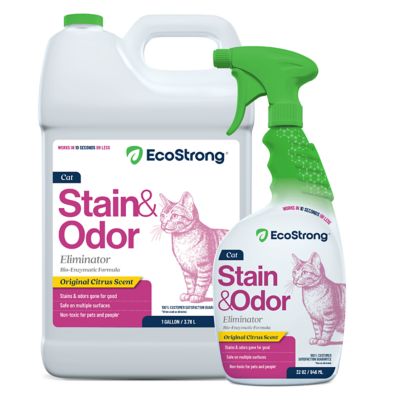
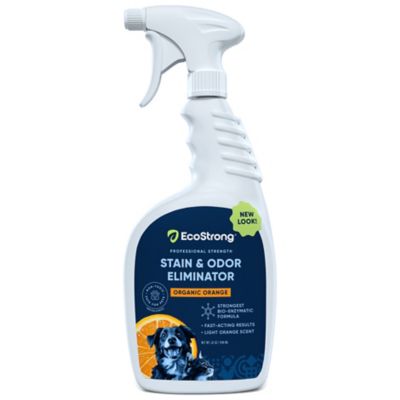
Cat urine odor removers help tackle the sharp smell and stubborn residue left behind when a cat has an accident outside the litter box. Unlike a simple air freshener that covers an odor for a little while, a good cleaner is made to reach the source of the smell. Many of the most effective options use bio-enzymatic cleaners for pet urine stains, with enzymes that break down the organic compounds in urine, including the uric acid crystals that can cling to carpet fibers, upholstery, bedding, and other porous surfaces. Those crystals may become noticeable again when humidity rises, the room warms up, or the area is disturbed, even after the original spot looks dry. That is why choosing a product labeled for cat urine and using enough of it to reach below the surface can make a real difference. For a closer look at this type of formula, browse
Enzyme Cleaners for Pet Urine Stains. These cleaners can be useful for households with kittens learning litter box habits, older cats, cats adjusting to a move, or multiple cats sharing indoor space. They also come in handy for foster homes, animal rescues, barns with indoor-outdoor cats, and anyone caring for a pet recovering from illness or mobility trouble. During the cooler months, windows and doors may stay closed more often, making lingering odors easier to notice in rooms, mudrooms, laundry areas, and spare bedrooms. Keeping an odor remover on hand can help you respond to a fresh accident before it settles into flooring or fabric.
When cleaning a fresh wet spot, start by pressing clean paper towels or an absorbent cloth firmly onto the area to soak up as much liquid as possible. Blot rather than scrub, since rubbing can spread urine farther through carpet or push it deeper into upholstery. Apply the cleaner generously to the visible spot and to a small perimeter around it, since urine can travel beyond the area that looks damp. For carpet, rugs, cushions, and other absorbent materials, the cleaner generally needs to reach as deeply as the urine did. Follow the label directions for the proper amount and dwell time; many enzymatic formulas need to remain wet for about 10 to 15 minutes or longer so the active ingredients have time to work. Afterward, blot away extra moisture with a clean towel and allow the area to air-dry completely. A fan can improve airflow, but avoid using high heat to speed up the process. If the odor remains after drying, a second application may be needed, especially on an older stain or a thick carpet pad. Always test a small hidden section first to check for colorfastness, and follow the surface-care instructions for rugs, furniture, clothing, flooring, and other materials. Hard, sealed surfaces can often be wiped clean after treatment, while unfinished wood, grout, subflooring, and other porous materials may hold odor below the surface and require more careful, repeated cleaning. Washable blankets, pet beds, and clothing should be treated according to the cleaner label and garment-care instructions before laundering.
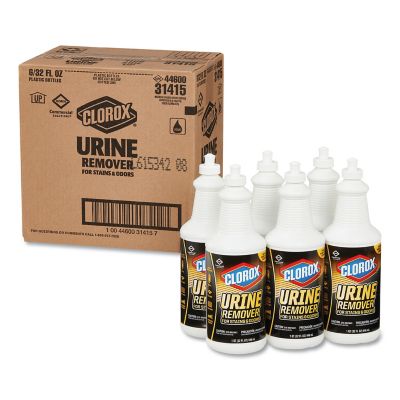
Avoid reaching for household cleaners that contain ammonia when dealing with cat urine. Ammonia can smell similar to urine and may encourage a cat to return to the same area. Never mix bleach with urine or with other cleaning products, since dangerous fumes can result. Steam cleaners and very hot water are also poor choices for this job because heat may set urine proteins and make the odor harder to remove from fabric and carpet fibers. Keep cats and other pets away from the treated area until it is fully dry, and store cleaning products out of reach of children and animals. The right cat urine odor remover depends on the mess, the surface, and the size of the area: a ready-to-use spray is handy for quick cleanup around litter boxes or on hard floors, while a larger bottle may be more practical for repeated accidents, several rooms, or a home with multiple pets. Look for clear directions, a formula intended for cat urine, a nozzle that can cover the area evenly, and packaging that is easy to store near laundry supplies or pet-care items. These cleaners also make a thoughtful, practical gift for someone bringing home a new cat, helping a senior pet, fostering animals, or setting up a dedicated pet room. Used promptly and according to the label, they can help freshen the home, protect favorite rugs and furniture, and make cleanup feel like a manageable part of caring for a cat.