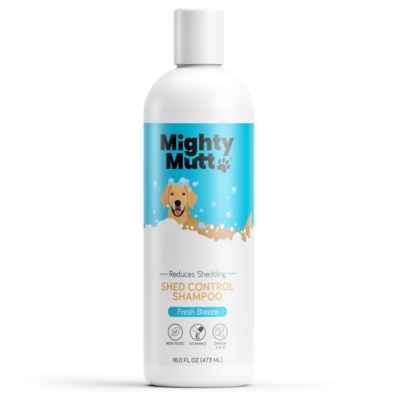
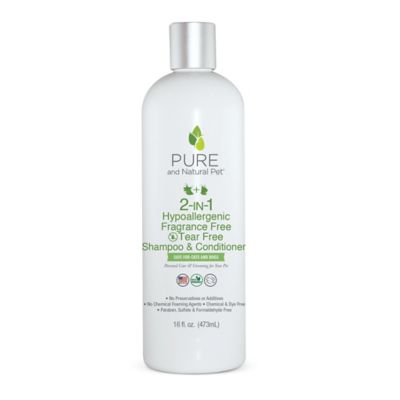
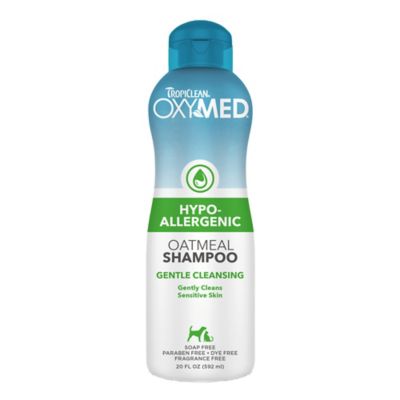
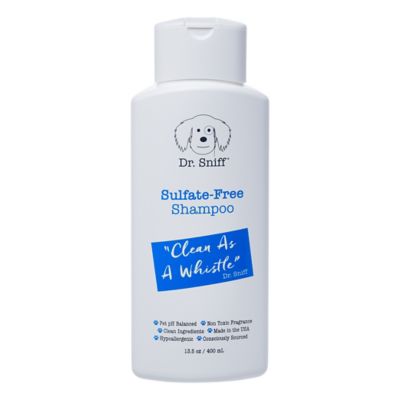
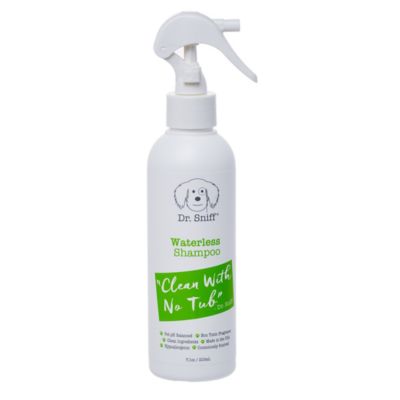
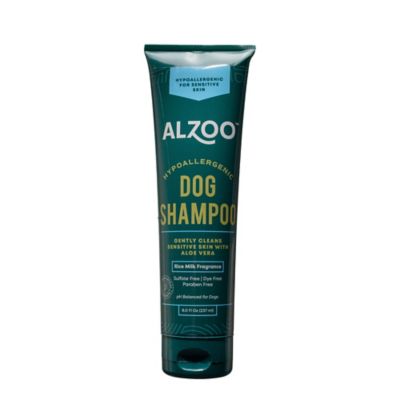
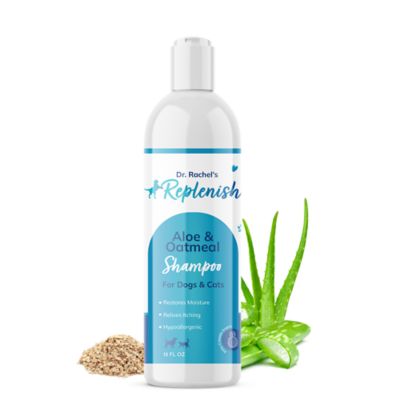
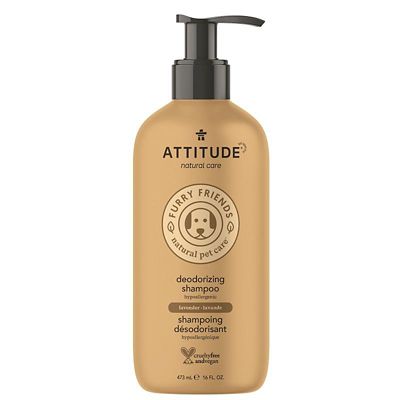
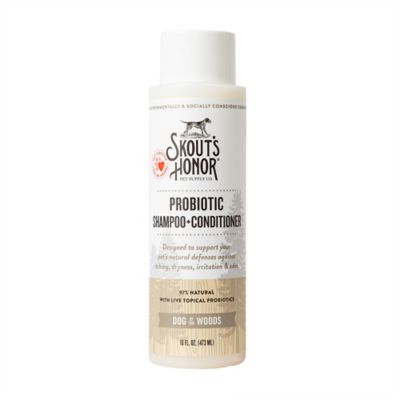
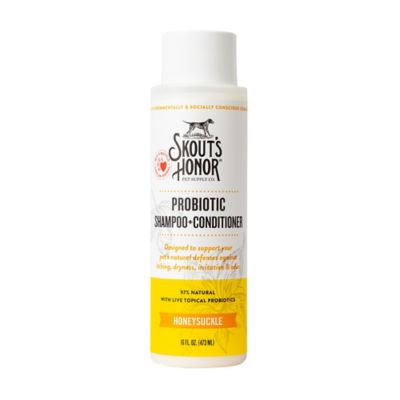
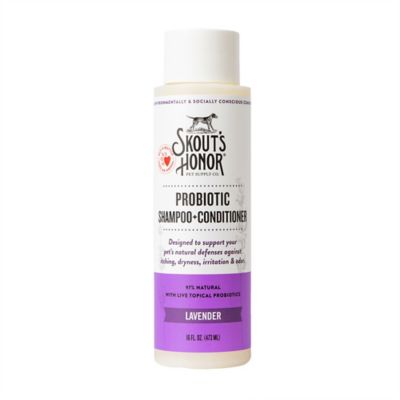
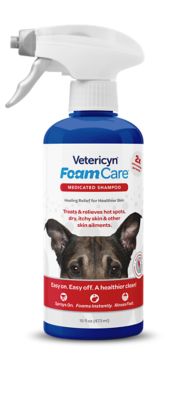
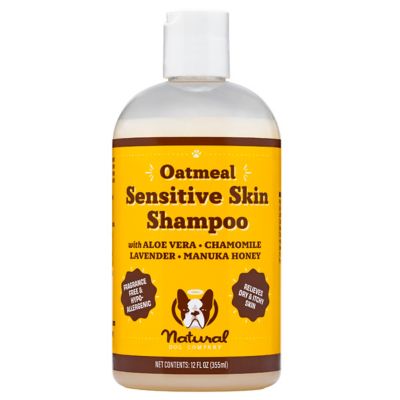
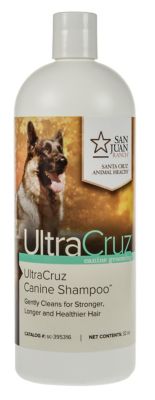
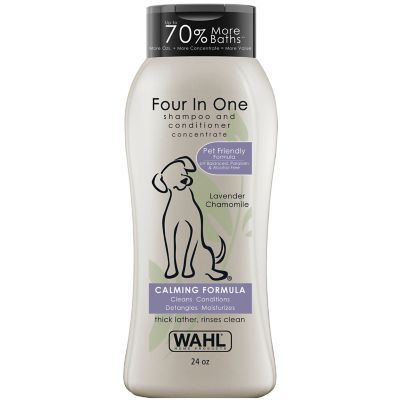
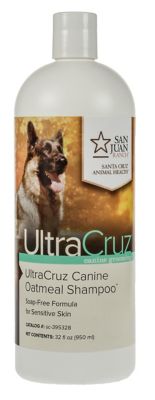
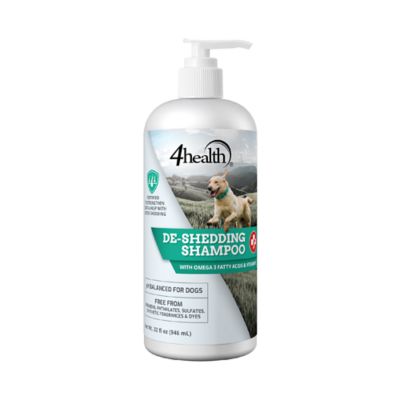
Hypoallergenic dog shampoo is a canine cleanser formulated to limit exposure to ingredients that may irritate sensitive skin. These formulas often pair mild cleansing agents with a simpler ingredient list and may leave out added fragrance, artificial dyes, or certain detergents. Many are pH-balanced for a dog’s skin rather than human skin, making them a more suitable choice than reaching for a person’s shampoo. The word hypoallergenic does not mean allergy-proof, and it does not guarantee that every dog will tolerate a formula. A dog’s response depends on the full ingredient list, existing skin problems, and individual sensitivities. For a dog that gets itchy after bath time or has a history of reactions to scented grooming products, that distinction matters more than a pleasant smell or a thick head of suds. Fragrance-free formulas can be worth considering when scent is a known concern; an unscented label alone may not mean there are no fragrance ingredients. Some shampoos leave out sulfates, but sulfate-free labeling by itself does not establish how gentle the entire formula will be. Ingredients such as glycerin help attract moisture, while colloidal oatmeal may help soothe skin and aloe can provide conditioning benefits. Those ingredients are not a promise of relief, and plant-derived ingredients can still cause a reaction in a sensitive dog. A readable ingredient list makes it easier to compare formulas against ingredients a veterinarian has advised avoiding. The goal is a clean coat and comfortable skin, not a strong scent that hangs around the house. Whether a dog spends the day checking fence lines or snoozing beside the couch, a sensitive-skin shampoo should fit that dog’s needs. Dryness, flaking, and scratching can have several causes, so hypoallergenic shampoo belongs in a grooming routine, not in place of a diagnosis.
Coat type helps determine which shampoo features make sense at bath time. A short-haired dog may need little more than a mild cleanser that spreads easily and rinses away without leaving a film. A thick-coated dog needs a formula that can reach the skin and rinse thoroughly from the undercoat, where leftover cleanser can be easy to miss. Long or curly coats may benefit from conditioning ingredients that help with manageability, although shampoo alone will not remove tight mats or replace brushing. For a dog that comes home with dust along the back and dirt around the paws, good cleansing does not have to mean a heavy perfume or a mountain of lather. Foam is not a dependable measure of cleaning performance, and extra shampoo can mean extra rinsing. Product texture and directions matter, too. A ready-to-apply liquid and a concentrated formula require different handling, so compare dilution instructions before deciding what fits the household’s bathing setup. A bottle that is easy to grip and a cap that closes securely are practical details when one hand is steadying a restless dog. Age suitability deserves the same attention as coat needs, especially for puppies, since a sensitive-skin label does not automatically mean a shampoo is appropriate for every age. Check whether the label permits application around the face, and do not assume a hypoallergenic formula is tearless. Separate shampoo-and-conditioner formulas and combination formulas may also have different directions or contact times. For dogs receiving topical flea and tick treatment, check both labels and ask a veterinarian about bathing intervals so grooming does not interfere with protection. Households comparing sensitive-skin cleansers with other grooming categories can explore
Best Dog Shampoo for broader context while keeping each dog’s skin history, coat, and label requirements at the center of the choice.
A gentle formula works best alongside thoughtful bath habits. The dog that rolls beside the barn may need a full wash, while a little dirt on the feet may call for a simple rinse or wipe rather than another head-to-tail bath. Bathing frequency depends on activity, coat, skin condition, and veterinary advice; a hypoallergenic label is not a reason to bathe more often. Frequent washing or incomplete rinsing can leave sensitive skin feeling worse even when the shampoo seems mild. Before a bath, brushing out loose hair and manageable tangles helps water and cleanser move through the coat. During washing, keep shampoo away from the eyes, mouth, and ear canals, and follow the label for dilution and contact time rather than assuming a stronger mixture or longer soak will help. Rinsing deserves particular attention beneath the legs, across the belly, and through a dense neck ruff. Gentle towel drying avoids the hard rubbing that can bother already irritated skin. Store shampoo with the cap closed, follow storage directions, and keep bottles where pets and children cannot reach them. If dilution is required, follow the manufacturer’s directions for mixing and storage instead of saving a leftover mixture without guidance. These everyday details matter for households bathing their own dogs and for anyone helping care for a family member’s pet. Keep track of a formula that agrees with the dog, especially when several people share grooming duties. Stop applying a shampoo if redness, discomfort, or scratching develops, and contact a veterinarian for advice. Persistent itching, open sores, strong skin odor, or repeated ear trouble need attention beyond a different cleanser. Hypoallergenic dog shampoo offers a way to clean a sensitive dog’s coat while avoiding certain potential irritants, but lasting comfort depends on matching the formula to the dog and addressing any underlying skin condition.