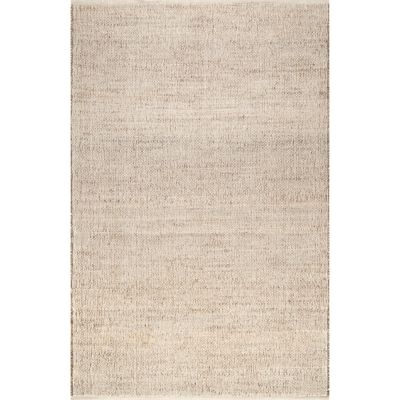
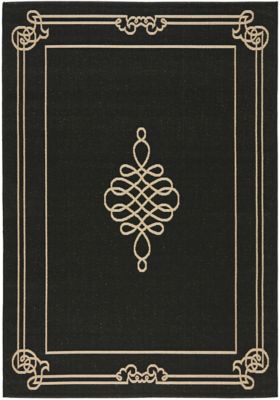
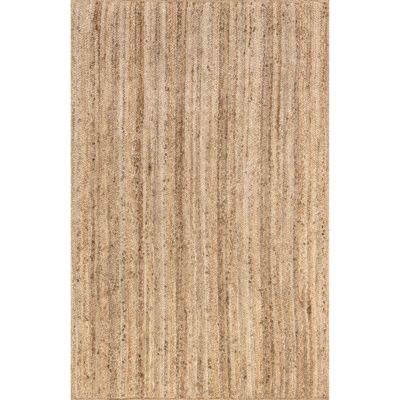
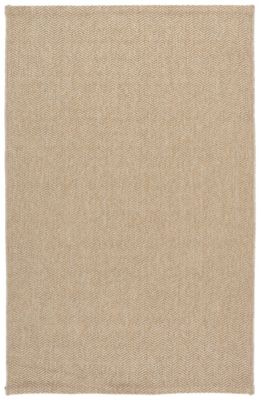
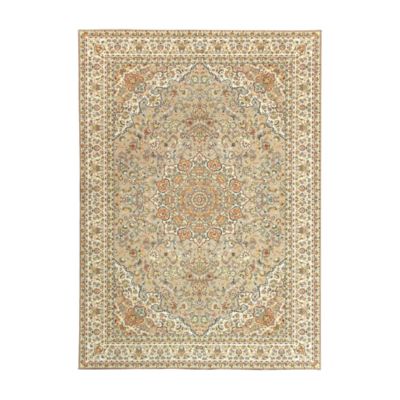
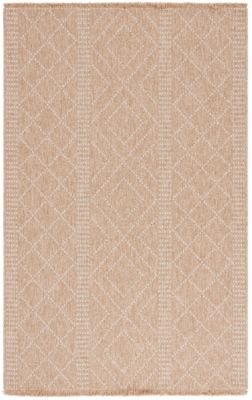
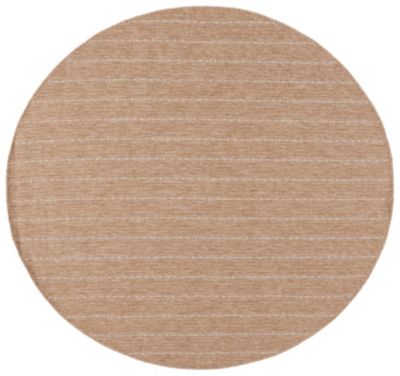
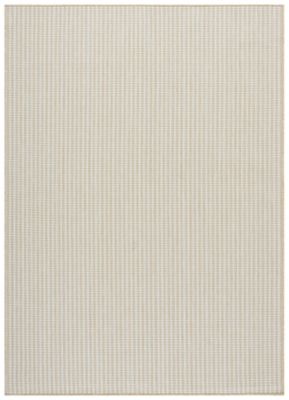
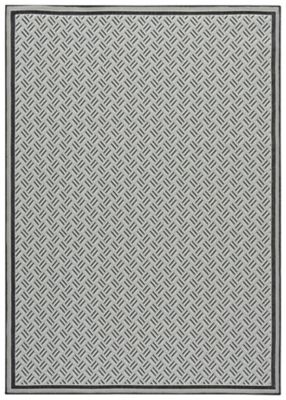
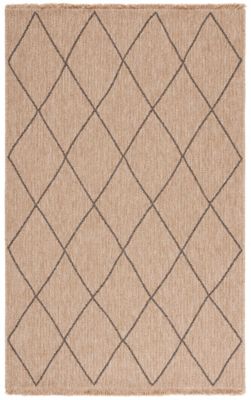
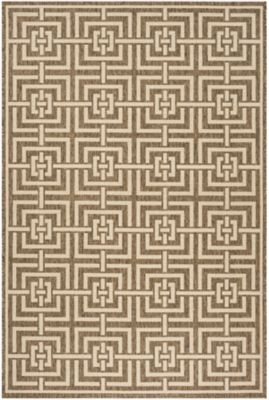
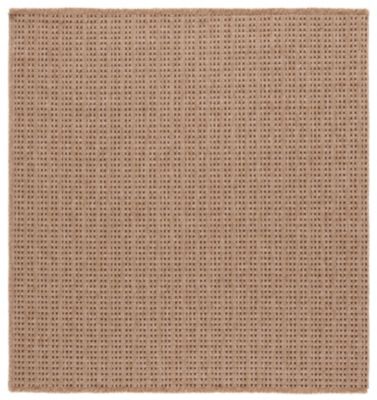
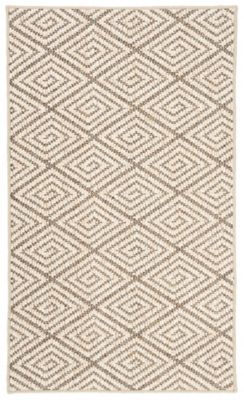
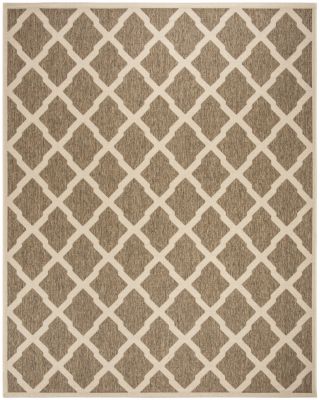
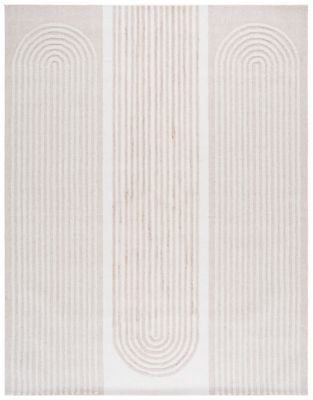
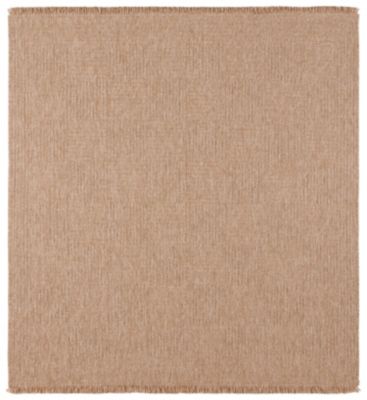
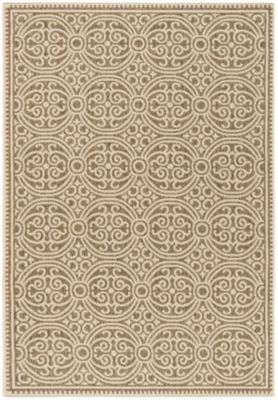
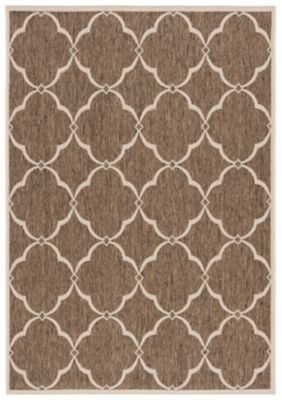
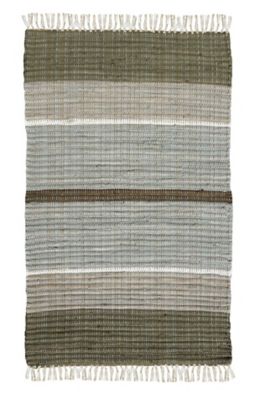
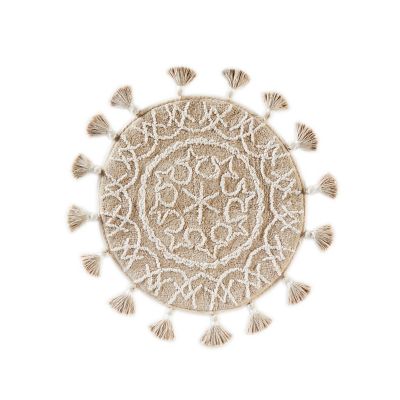
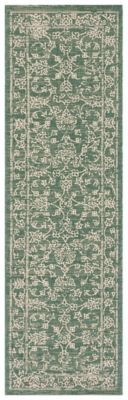
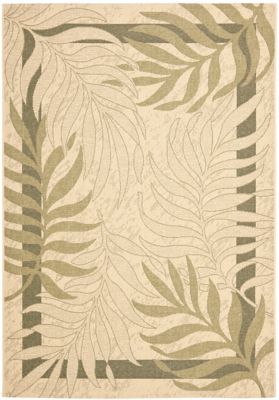
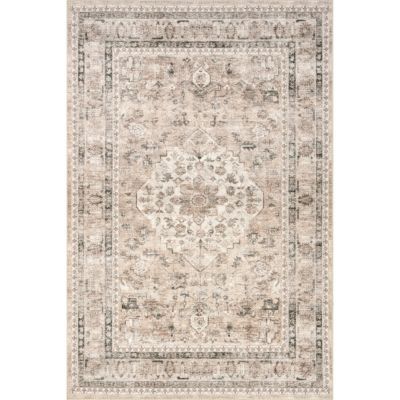
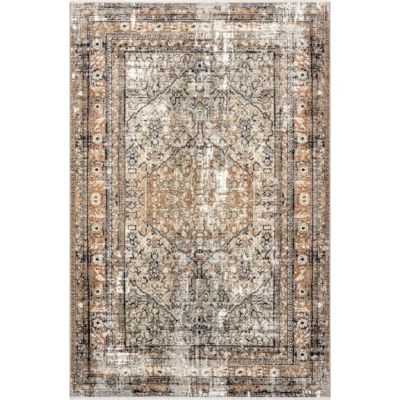
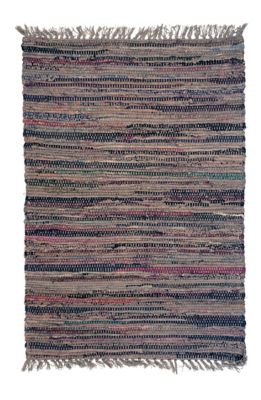
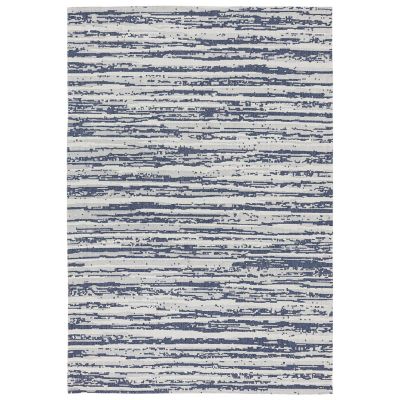
Neutral color area rugs give living rooms, bedrooms, dining spaces, and home offices a calm, versatile foundation that works with a wide range of furniture and wall colors. Shades such as ivory, cream, beige, taupe, gray, and greige can soften a room without drawing attention away from a wood table, a favorite armchair, or the view through a big picture window. Neutral doesn’t have to mean plain, either. A woven stripe, faded-looking pattern, raised texture, or mix of light and dark fibers adds interest while keeping the overall look easygoing. In a farmhouse living room with oak floors and a brown leather couch, a cream-and-taupe rug can bring the seating area together without making everything match. In a bedroom with painted furniture, a soft gray rug can give the space a quieter feel. The undertone makes a difference: beige and oatmeal often lean warm, while some grays have cooler blue or green notes. Looking at a rug’s colors alongside the floor, upholstery, and nearby walls helps keep those undertones from working against each other. Lighter shades can make a space feel more open, while deeper taupe and mixed neutrals give busy rooms a little more visual forgiveness between cleanings. Small patterns and heathered fibers also tend to make stray crumbs and pet hair less noticeable than a solid, even-colored surface, though regular cleaning still matters. These rugs leave plenty of room for colorful quilts, patterned curtains, and furniture collected over the years. For a similar easygoing base with a touch more color,
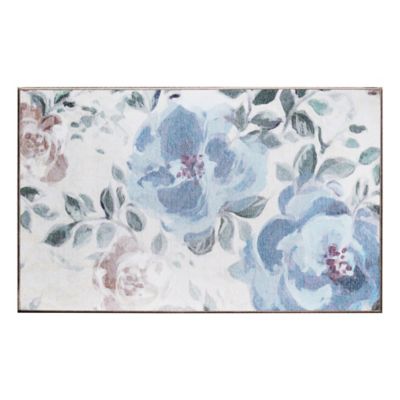
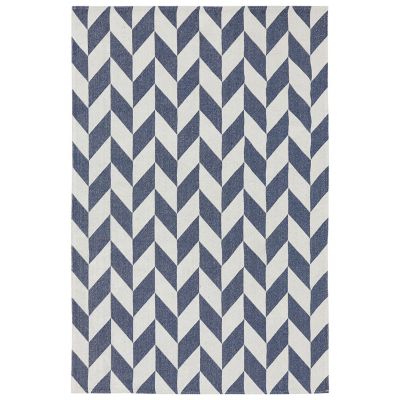
Blue And Cream Area Rugs pair soft neutrals with blue tones that sit comfortably beside denim upholstery, natural wood, and white walls. Whether the room leans farmhouse, traditional, or simple and clean-lined, a neutral rug helps the furnishings feel connected without requiring every piece to come from the same set.
Material and construction affect how a neutral area rug feels underfoot, how it handles foot traffic, and how much attention it needs. Wool has natural springiness and a substantial feel, making it a good match for gathering spaces where comfort matters. Some wool rugs shed loose fibers, especially early on, and benefit from vacuuming according to the care instructions. Polypropylene is common in easy-care rugs because the fiber resists moisture absorption and many everyday stains, although spills still need prompt attention. Polyester can offer a soft touch and clear color definition, with performance depending on the rug’s construction and backing. Cotton often has a lighter, more relaxed feel; some cotton rugs allow machine washing, but that depends on the care label and the capacity of the washer. Jute and sisal bring earthy color and visible fiber texture to a room, though they generally feel firmer underfoot and need protection from excess moisture. Their sandy, straw, and tan shades fit naturally beside pine furniture, woven baskets, and stone hearths. Pile height matters just as much as fiber. A low-pile or flatwoven rug keeps a dining chair from sinking deeply into the surface and is usually easier to vacuum than a thick, shaggy rug. A taller pile adds cushioning beside a bed or beneath a spot where children sit and play, but it can hold more crumbs and hair. For homes with pets, tight construction may be a better fit than loose loops that can catch claws. Fringe deserves a little thought, too, especially around chewing puppies or robot vacuums. In a room that earns its keep every day, a textured beige or gray rug with a modest pattern can balance comfort with practical upkeep. The best fit comes from matching the surface to the household rather than choosing by color alone.
Size, placement, and care help neutral color area rugs look settled in rather than like an afterthought. In a living room, a rug large enough to sit beneath at least the front legs of the main seating pieces creates a connected conversation area. A smaller rug floating between a couch and chairs can make the same room feel chopped up. For dining spaces, allowing roughly 24 inches of rug beyond each side of the tabletop often gives chairs room to move, though larger chairs may need more space. A low, even surface makes pulling those chairs in and out easier. In bedrooms, a rug extending beyond the sides and foot of the bed gives bare feet a softer landing and keeps the pattern visible instead of hiding nearly all of it beneath the mattress. Door clearance, floor vents, and nearby walkways also affect the right fit, particularly in smaller rooms or open layouts where several activities share one space. A rug pad matched to the rug and approved for the flooring can help limit shifting, add cushioning, and reduce rubbing against the floor. Rubber, latex, and other backing materials are not suitable for every floor finish, so both the rug and flooring care instructions matter. Regular vacuuming lifts loose dirt before it works down into the fibers; the proper attachment and brush setting depend on the rug’s construction. Rotating a rug periodically helps spread foot traffic across the surface, especially along the path between the couch and the kitchen. Spills call for blotting with a clean cloth rather than scrubbing, followed by the cleaning method listed on the label. Any cleaner should first be tested in an out-of-the-way spot, and a wet rug needs to dry fully before returning to the floor. With the right proportions, a comfortable texture, and a care routine that fits the household, a neutral rug can anchor a room through furniture rearrangements and everyday family life. It’s a practical foundation for a space where people can sit down, stretch out, and feel at home.