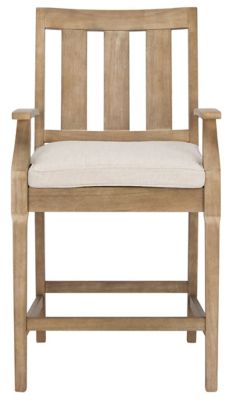
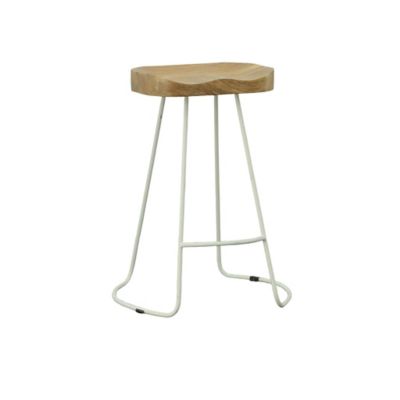
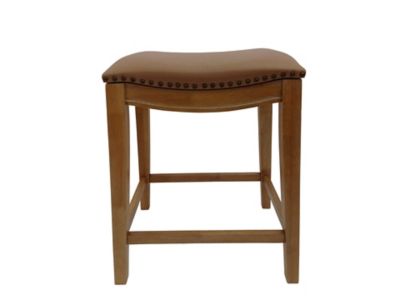
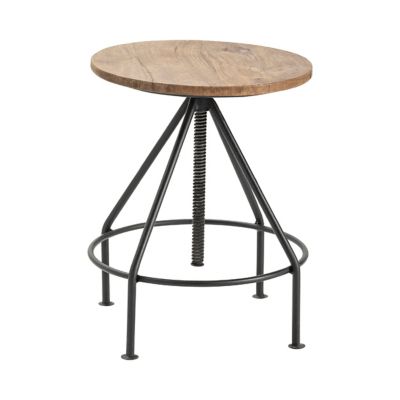
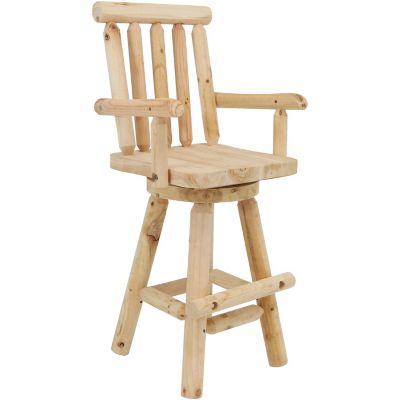
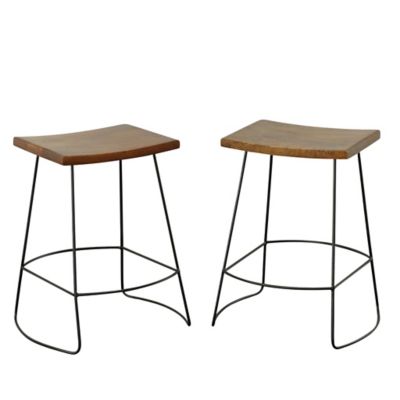
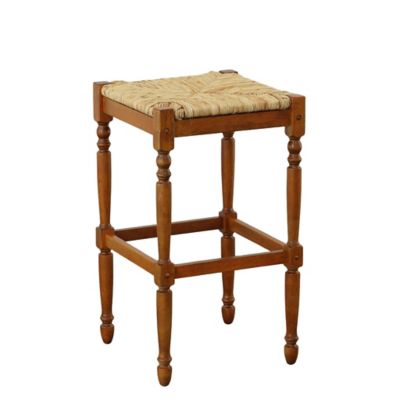
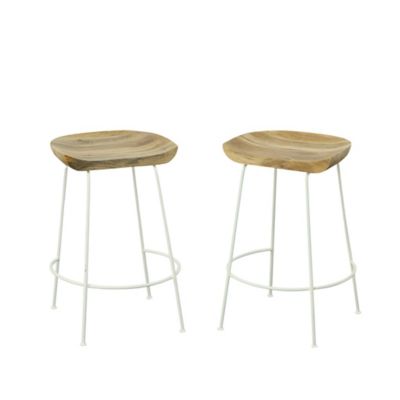
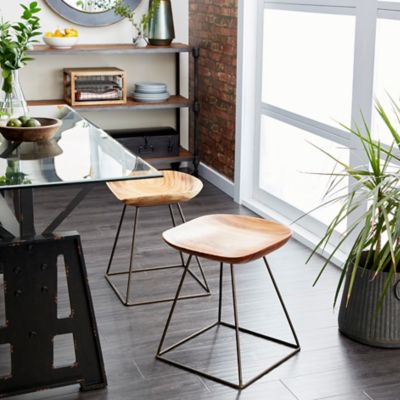
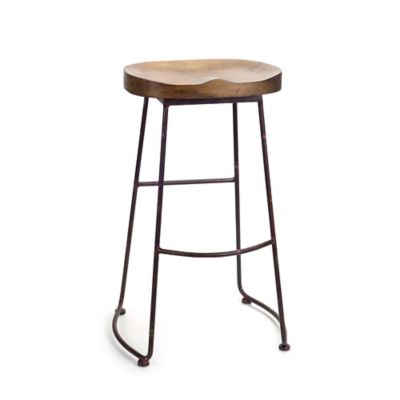
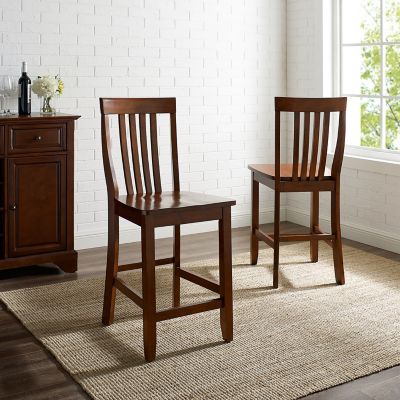
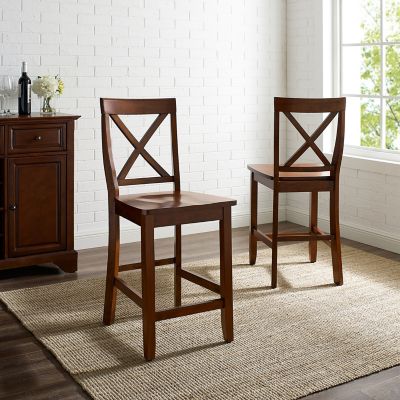
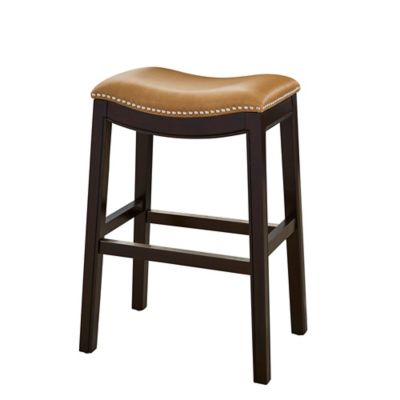
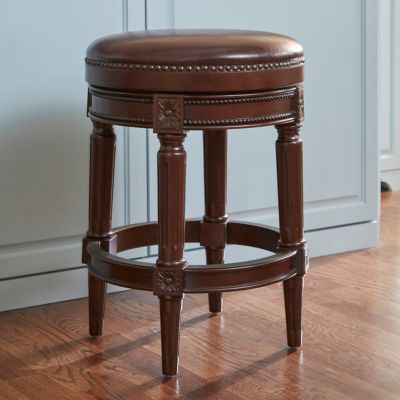
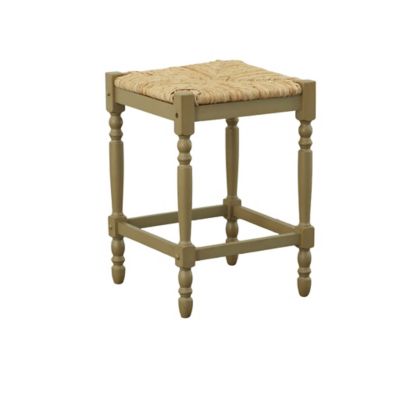
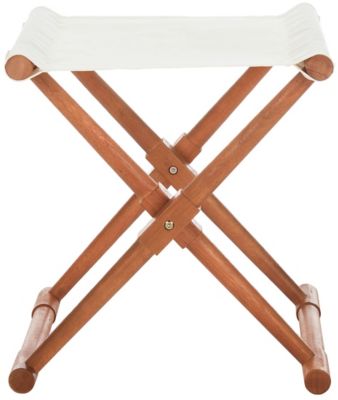
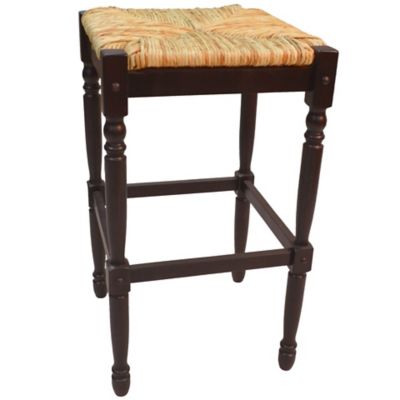
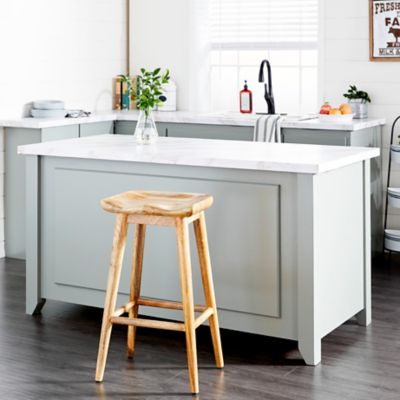
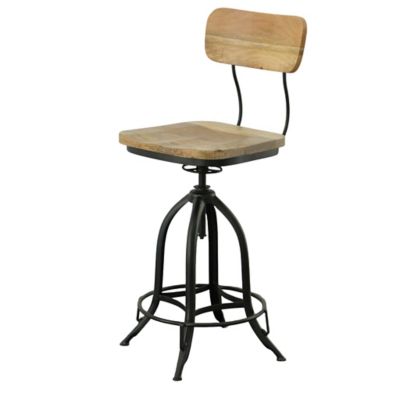
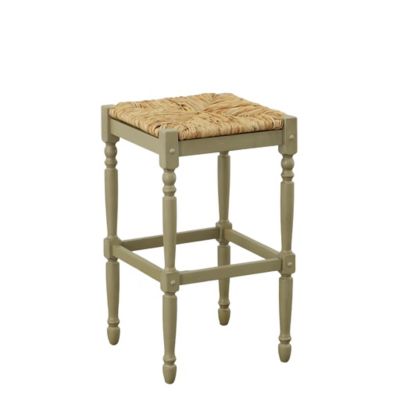
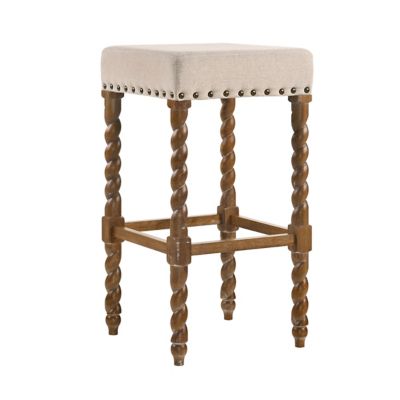
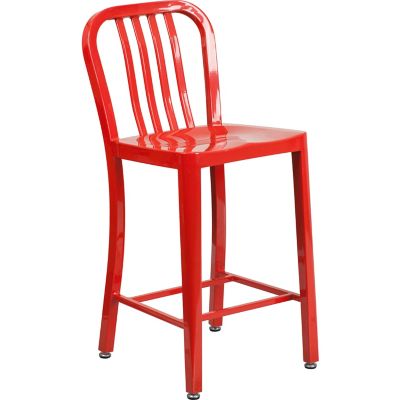
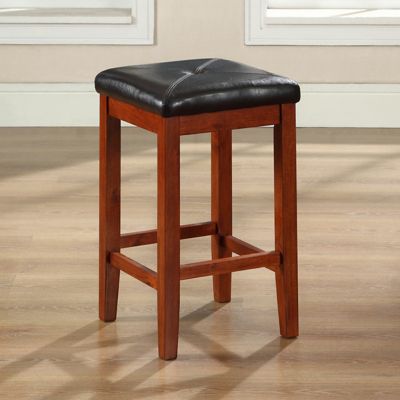
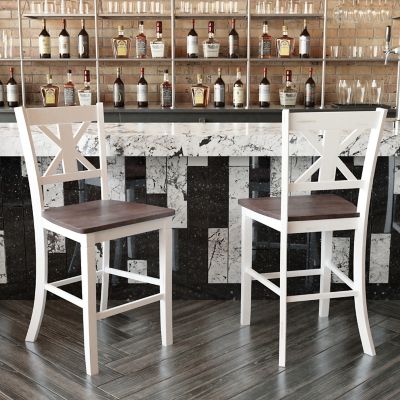
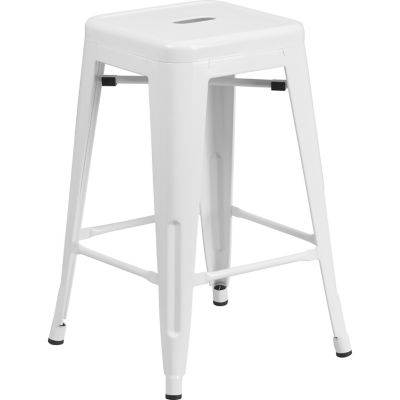
Natural wood counter stools are raised seats that show off wood grain and natural-looking finishes, making them an easy fit around kitchen islands, breakfast counters, and open gathering spaces. They bring the character of wood into a room without needing bold colors or elaborate details. Along a farmhouse island, a row of simple wood stools leaves room for the cabinetry, countertops, and everyday life around them to stand out. In a smaller kitchen, lighter wood tones can keep a seating area from looking too heavy. The term “natural wood” describes an appearance, though, not necessarily a particular species or construction. A stool might have solid wood components, wood veneer over an engineered core, or a combination of materials, so construction details matter as much as color. Oak often shows a pronounced grain, while maple usually has a finer, more even appearance. Acacia can have noticeable shifts between lighter and darker shades, and pine tends to show knots and develop dents more readily than many hardwoods. Those differences affect both the look of a stool and how its surfaces respond to everyday knocks. A clear finish can highlight grain while helping protect the surface, but a natural-looking finish does not mean the wood is bare or untreated. For a coordinated room, look for undertones that sit comfortably beside nearby cabinets, flooring, and tables rather than expecting every piece of wood to match exactly. Honey-colored seats can soften painted cabinetry, while pale wood can balance a darker island base. Grain patterns and small color differences also keep a row of stools from looking completely identical. Straight legs and simple stretchers give a clean, practical appearance; turned legs, spindle backs, and gently shaped seats bring a more traditional farmhouse feel. For a stronger contrast with a light countertop or wood floor,
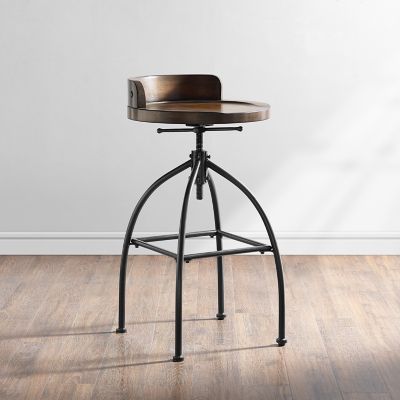
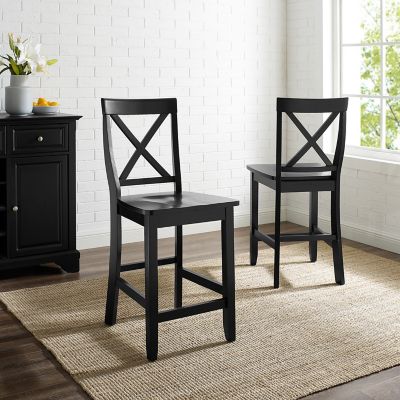
Black Wooden Counter Stools offer another direction while keeping the familiar character of wood seating.
Getting the proportions right makes natural wood counter stools comfortable to pull up to and easier to live around. A standard kitchen counter is usually about 36 inches high, and counter stool seats commonly stand about 24 to 26 inches from the floor. Bar-height seating is taller and generally belongs with a higher surface, so those labels should not be treated as interchangeable. Measure the actual counter before settling on a seat height, especially when a thick top, support apron, or low drawer reduces knee space. Aim for roughly 10 to 12 inches between the seat and the underside of the counter, checking that a seated person has room to move without bumping their legs. Width matters, too. Allow about 24 to 30 inches of counter length per person as a starting point, then account for wider seats, arms, and the space needed to turn or climb down. A long island does not necessarily have seating room along its full length; legs, cabinets, and end supports can limit where stools fit. Backless stools can slide farther beneath an overhang and keep sightlines open, which helps in a kitchen where the island also serves as a work surface. Stools with backs give diners something to lean against during a longer meal, a round of cards, or a neighbor’s visit over coffee. Arms can add support, but they need clearance beneath the counter and more room between seats. A shaped wood seat may feel different from a flat one, and a footrest gives feet somewhere to settle instead of dangling. Swivel seats can make turning toward the room easier, provided there is enough space to rotate without striking nearby cabinetry. For a busy household, consider the whole route around the seating area: a stool pulled out for breakfast should not block the refrigerator door, the sink, or the path carrying supper to the table. Check the stated weight capacity and intended age range rather than assuming every stool suits every member of the household.
Good construction and straightforward care help wood counter stools hold up through meals, homework, and daily traffic. Look at how the legs, seat, and stretchers connect, since those joints handle repeated shifts in weight as people sit down and get up. A stool should rest evenly on a level floor without rocking, and its footrest should be part of a sound frame rather than an invitation to stand or climb. Follow the assembly directions, tighten hardware as directed, and check connections periodically, especially after moving the seating. Overtightening can damage wood or strip fasteners, so more force is not always better. For cleaning, a soft cloth and prompt attention to spills go a long way. Wipe away crumbs before they get ground into the seat, blot up liquid, and dry the surface instead of leaving water around joints or beneath a cushion. Cleaning products should match the finish; harsh cleaners, abrasive pads, and unapproved oils can leave marks or change the sheen. An unfinished surface needs different treatment from a sealed one, so follow the maker’s care instructions rather than assuming every natural wood finish takes the same treatment. Felt pads can help protect hard flooring, while replacement glides should fit securely and keep the legs sitting evenly. If a cushion makes a wood seat more comfortable for longer visits, check that it fits the seat shape and stays in place without hanging over the edges. For kitchens where children eat snacks or work on school projects, smooth edges and wipeable surfaces make everyday cleanup simpler. Wood can gain small scratches and dents over time, particularly around footrests and seat edges, but whether a mark can be touched up depends on the material and finish. Solid wood and thin veneer do not allow the same sanding or repair methods. Choosing seating that fits the counter, leaves walking room, and suits the household’s habits matters more than chasing a perfect match. The right proportions and sensible care let the wood remain part of the room’s everyday rhythm, from a quick breakfast to an unhurried conversation after supper.