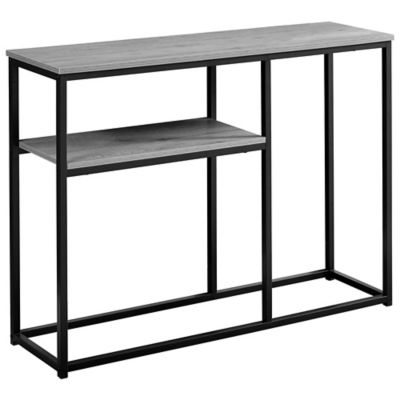
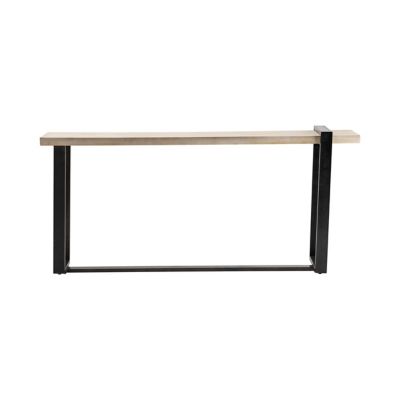
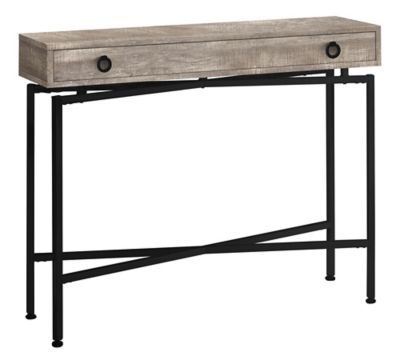
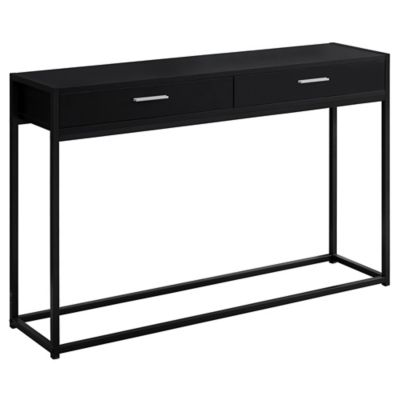
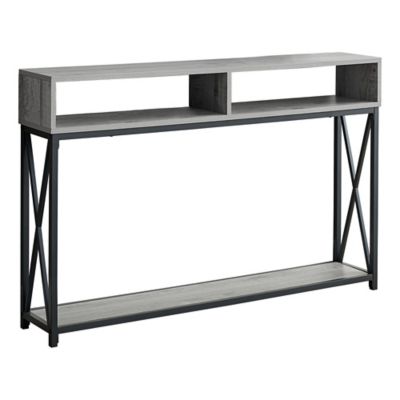
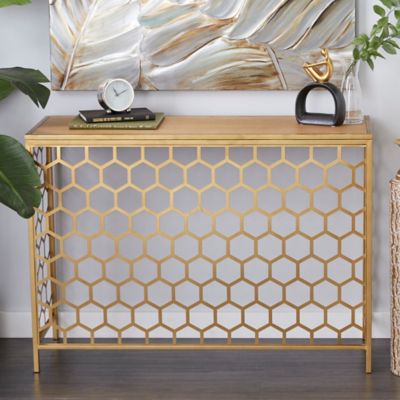
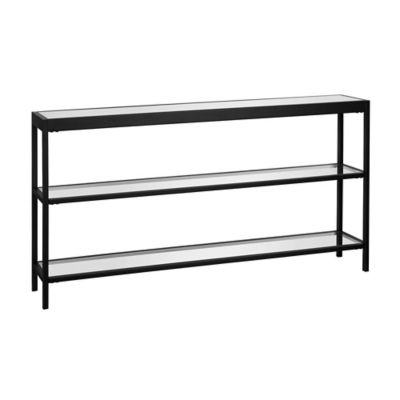
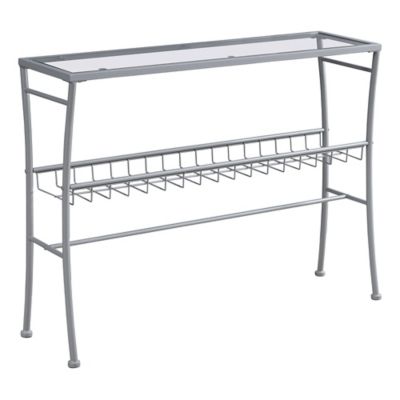
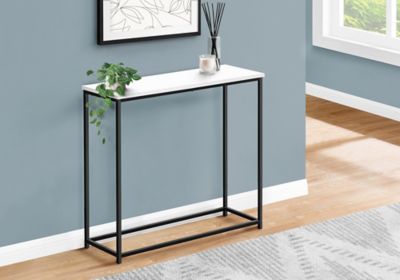
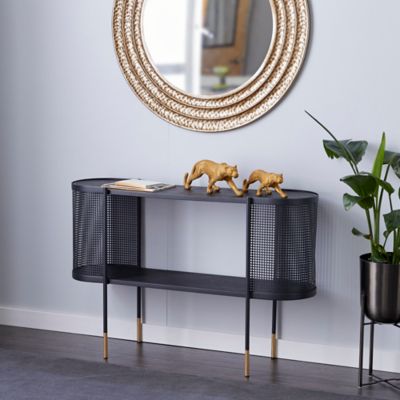
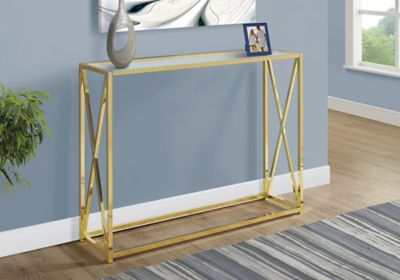
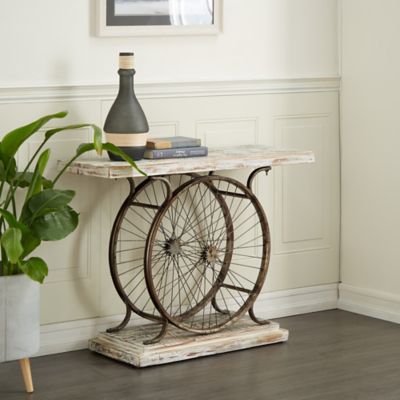
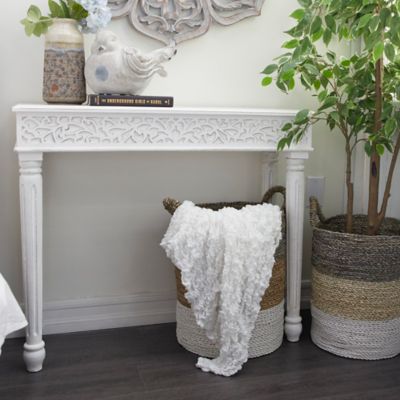
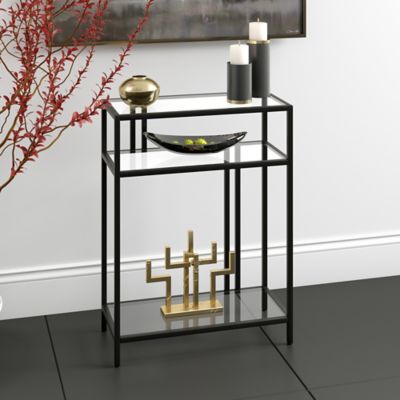
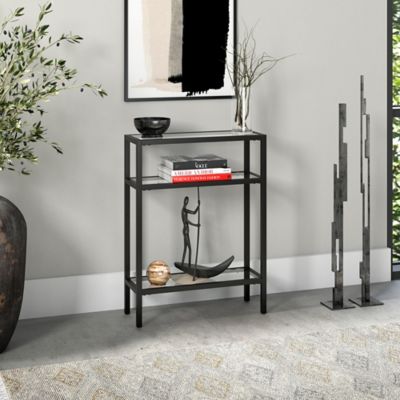
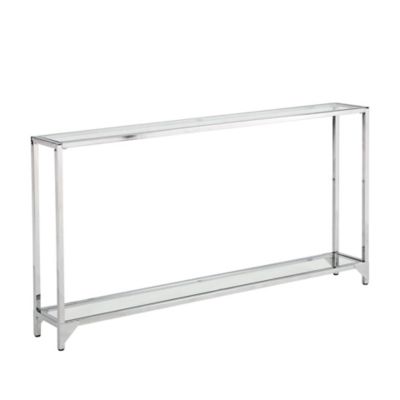
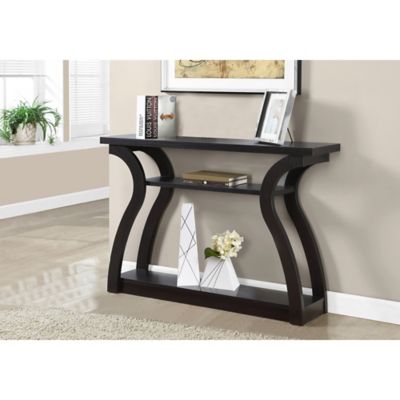
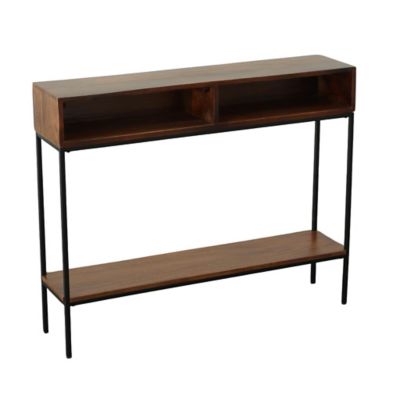
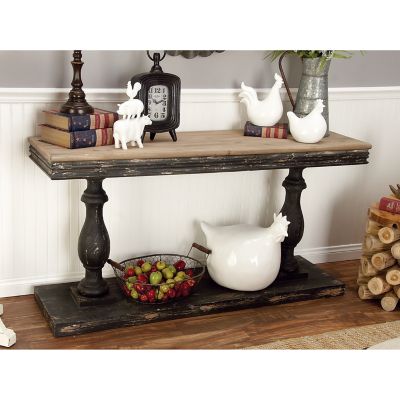
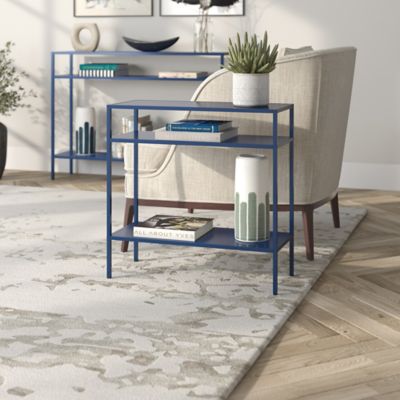
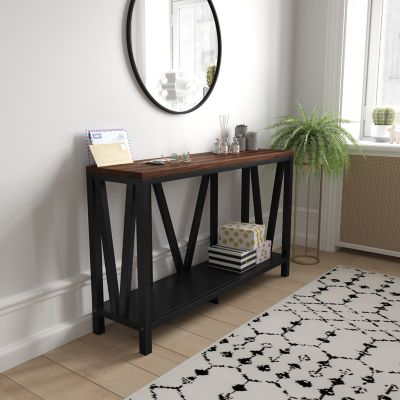
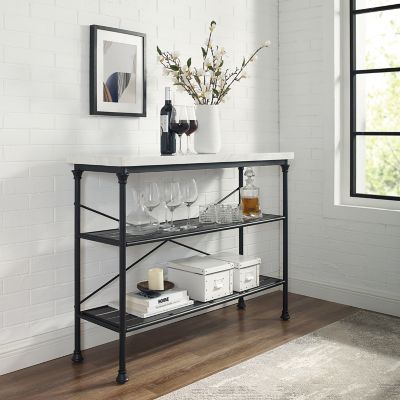
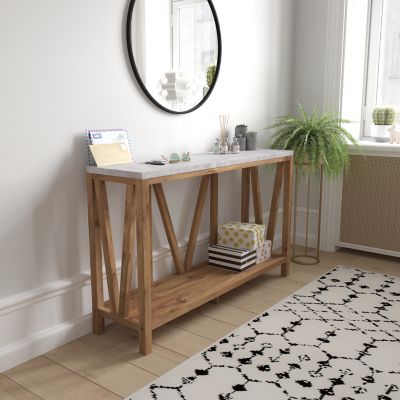
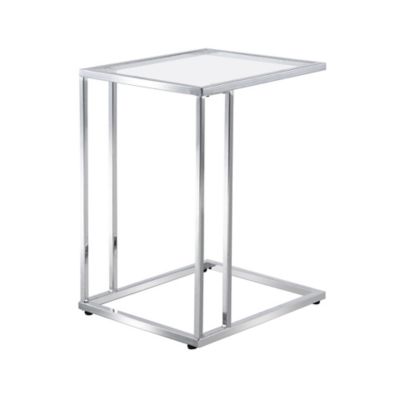
Narrow hallway console tables add a landing spot for everyday belongings without taking over the path through the house. Their shallow tops fit along walls where a full-size cabinet or desk would stick out too far, making them a practical choice for entryways, connecting halls, and those little stretches of wall between doorways. A key tray, a small lamp, and a place to set the mail can make a busy passage feel more settled without crowding it. Depth matters most in a tight hallway, but the right fit also depends on the table’s length, height, and base. A top measuring around 8 to 12 inches deep may suit a particularly narrow space, while a deeper design needs more room around it. The important measurement is the clear walking space left after the table is in place, including any handles, projecting feet, or overhanging edges. About 36 inches of clear passage is a useful starting point where the layout allows, though households with mobility aids or frequent two-way traffic may need more space. Door swings, closet access, floor vents, and nearby stairs all deserve room, too. Baseboards can keep a table from sitting flush against the wall, so its listed depth may not tell the whole story. In a farmhouse hallway, a compact ranch home, or an apartment entry, a long, shallow table can provide a handy surface while keeping the center of the passage open. Shorter tables work well between closely spaced doors, while longer ones can give an uninterrupted wall a sense of balance. Rounded corners can soften tight turns, especially where children hurry past or someone carries a laundry basket against one hip. Table height matters when setting down keys or reaching a drawer, and the proportions should feel comfortable beside nearby furniture. A narrow profile is helpful, but a table still needs enough surface area for the belongings that actually land there each day. That balance between useful space and an open path is what makes this furniture work so well in a hall.
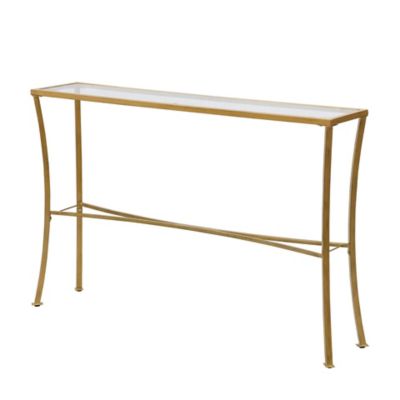
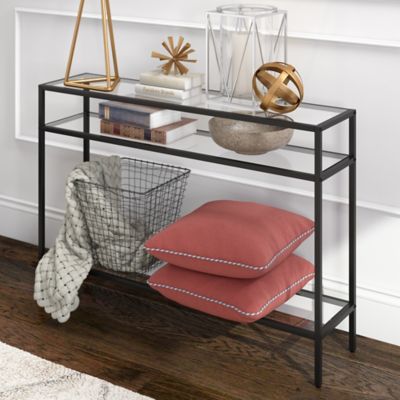
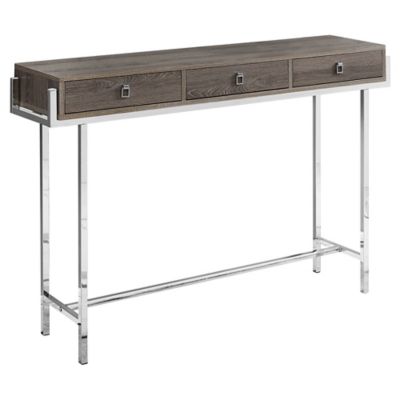
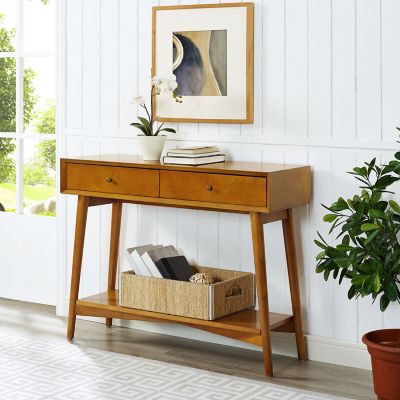
Materials and construction shape both the look of a hallway console table and how it handles daily life. Solid wood brings visible grain and natural variation, with finishes that can fit anything from a plain country entry to a more polished sitting area. Wood veneer offers a real wood surface over a supporting core, while painted engineered wood can give a space a clean, consistent appearance. Each material has its own care needs, and moisture should not sit on wood edges, seams, or unfinished surfaces. Metal frames bring a different look, from simple dark legs beneath a wood top to slender supports that leave more of the floor visible. Glass tops can make a small space feel less visually crowded, though fingerprints show readily and edge protection matters in a busy household. Stone and stone-look tops add another option, but their weight and cleaning requirements vary by construction. Beyond the surface, the way a console is put together matters in a narrow footprint. Firm joints, properly tightened hardware, and feet that rest evenly on the floor help prevent wobbling. A table should never serve as a handhold, climbing frame, or seat unless the manufacturer expressly designs it for that purpose. Wall anchoring is especially important for tall or shallow furniture and in homes with children or pets; follow the manufacturer’s directions and select fasteners suited to the wall. Weight limits matter for the top, drawers, and shelves individually, especially when displaying a heavy lamp or a stack of books. Open bases leave room for sweeping and can keep a tight hall from feeling boxed in. Lower shelves add storage, while enclosed compartments keep smaller belongings out of sight. Drawers need enough clearance to open without bumping the opposite wall or blocking a doorway. A few inches of drawer travel can make a real difference in a confined passage. Felt pads or other floor protectors suited to the flooring help limit scuffs, and adjustable feet can help a table sit evenly where the floor is slightly uneven.
The best storage arrangement is usually the one that matches the household’s habits. A shallow drawer gives keys, sunglasses, and spare charging cables a place to settle instead of spreading across the tabletop. A lower shelf can hold a basket for reusable shopping bags or pet walking gear, provided everything stays within the table’s footprint rather than spilling into the walking path. For a hallway beside a mudroom, keeping the top mostly clear leaves a handy spot to set down a lunch bag while opening a door. Near bedrooms, the same piece can hold a small catchall and a framed photograph without turning the passage into another storage room. Tables with a slim apron or open shelf may offer more accessible space than designs with deep drawer boxes, so the interior dimensions matter as much as the outside measurements. A lamp adds useful light only when its base fits securely on the top and its cord can reach an outlet without crossing the floor. Wall art or a mirror above the table can give the arrangement a finished look without taking up more walking room; each piece needs its own appropriate mounting hardware. If the space opens into a sitting area,
Living Room Console Tables offer another direction for coordinating nearby furniture. Everyday care is generally straightforward, but the finish should determine the method. A soft cloth handles routine dust, spills need prompt attention, and coasters or a protective tray help separate drinks from the surface. Harsh cleaners, abrasive pads, and excess water can harm finishes, so the manufacturer’s care directions are worth keeping. Check hardware occasionally, especially after moving the table, and lift rather than drag it across the floor. For a first home, a downsized household, or a housewarming gift with measurements confirmed ahead of time, a narrow console can bring welcome function to an overlooked wall. It earns its place by holding the little things that matter while leaving plenty of room to pass.