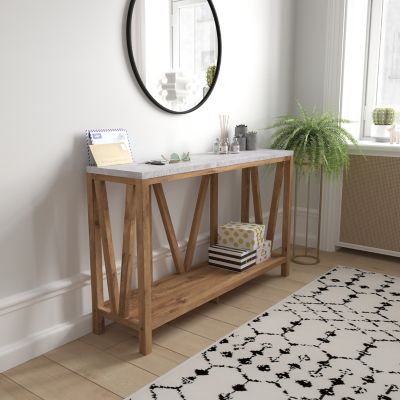
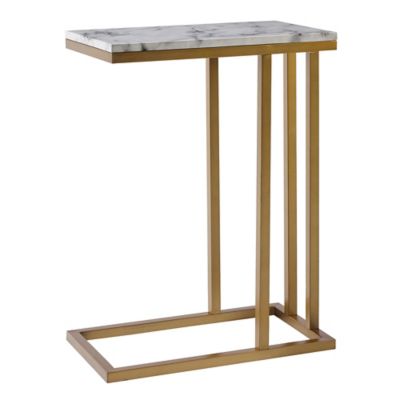
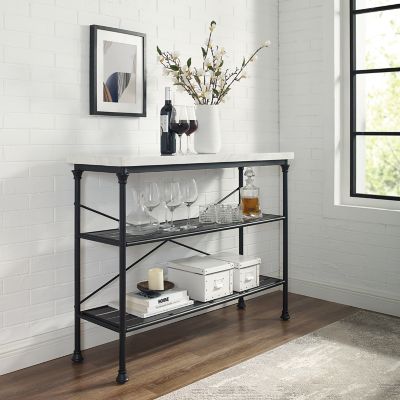
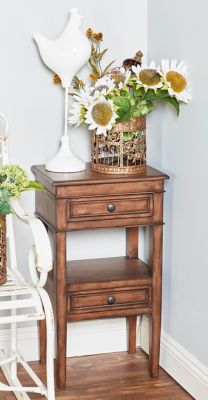
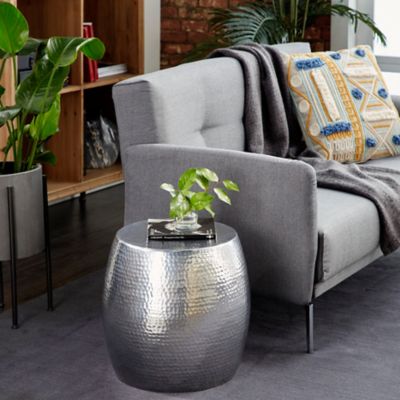
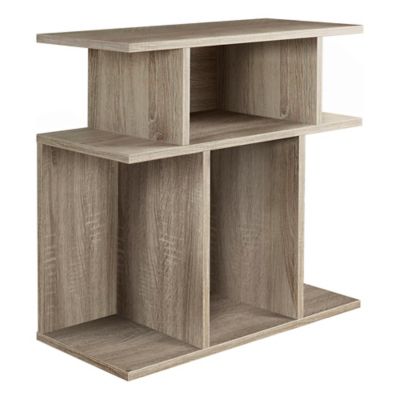
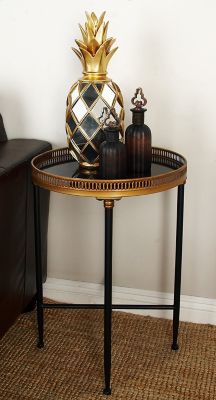
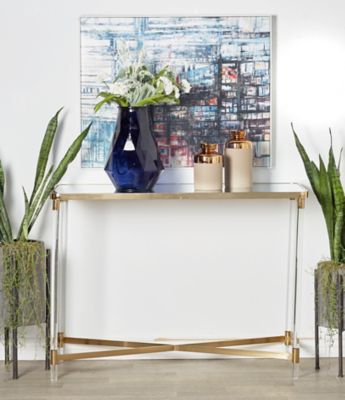
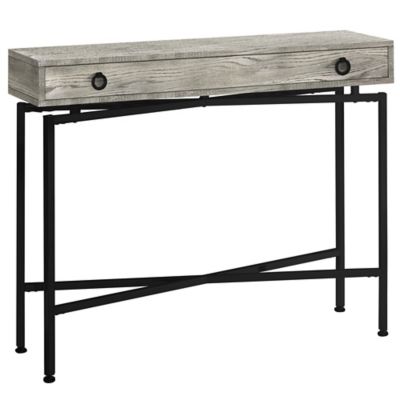
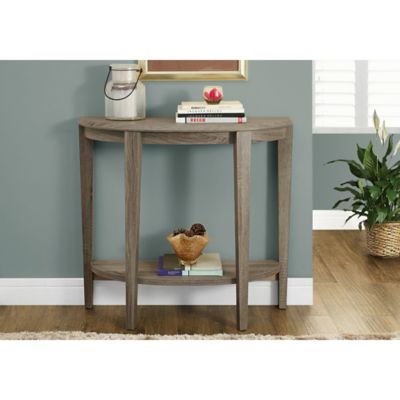
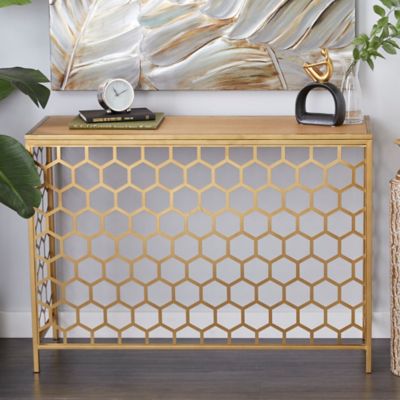
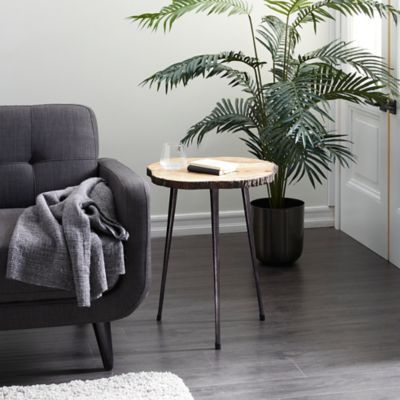
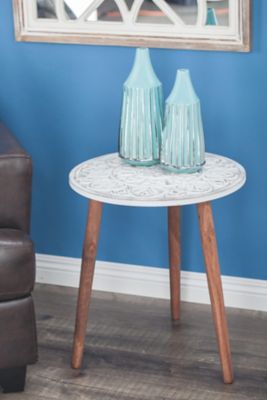
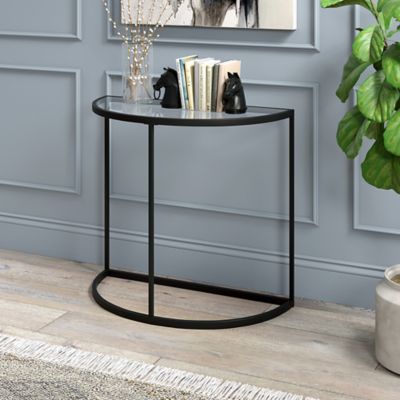
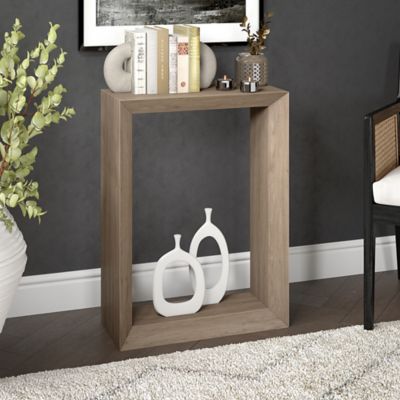
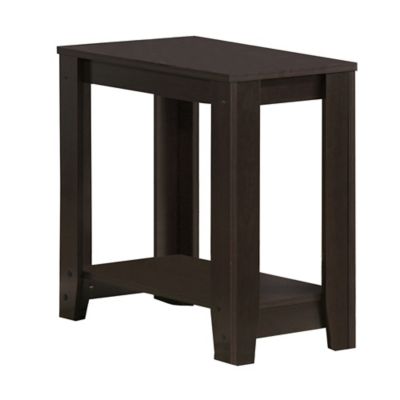
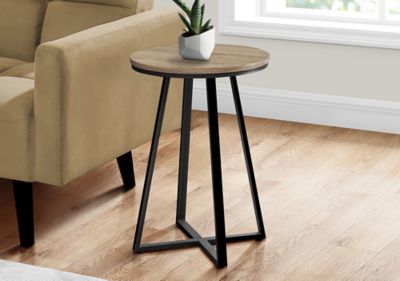
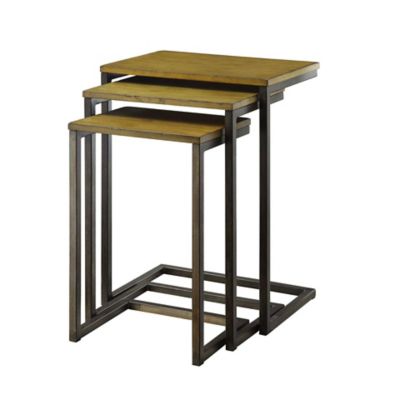
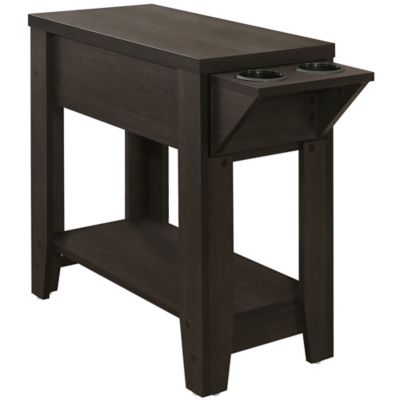
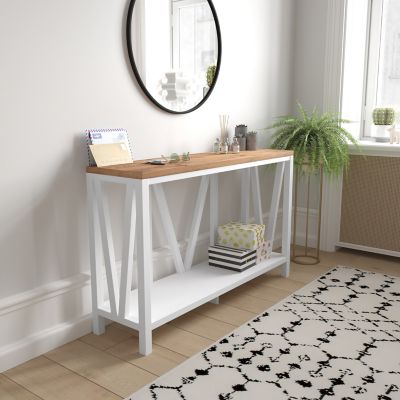
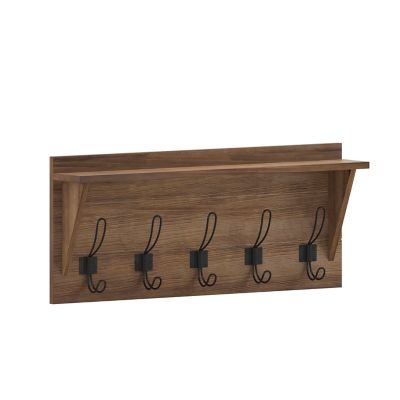
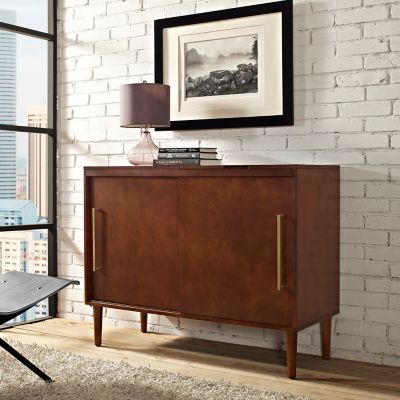
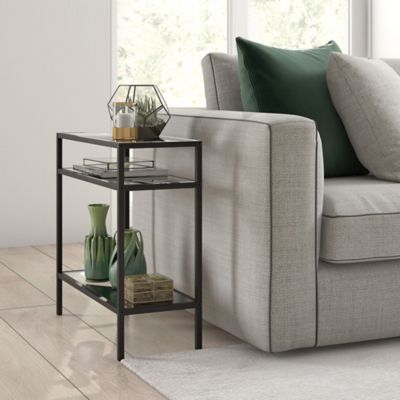
Entryway accent tables, sometimes called console tables, are an easy way to give a foyer, mudroom, hallway, or open living area a finished look without taking up much floor space. Most are made to sit along a wall, behind a sofa, or beside a stair landing, giving you a handy spot for keys, mail, gloves, a catchall tray, or a small lamp. In a narrow entry, look for a table with a slim profile, often around 12 to 15 inches deep, so people can still walk by comfortably with boots, groceries, or a basket of laundry in hand. A height around 30 to 34 inches generally works well for everyday use and keeps the tabletop easy to reach. Before choosing a size, measure the wall from baseboard to baseboard and note where doors swing, trim sits, or heating vents may limit placement. Leave enough room for a clear walkway, especially in a busy farmhouse entry where muddy shoes, pet gear, and work jackets tend to gather. If the table will sit near a door, sturdy construction matters. Wood, metal, and mixed-material designs can hold up well to regular use, while a stable base helps keep the table from shifting when someone drops a set of keys or leans in to pull off a pair of boots. Finish and color also make a difference. Warm wood tones and black metal can bring a comfortable farmhouse or rustic feel, while clean lines, lighter finishes, and simple hardware fit neatly into a modern home. For a softer, more natural look, consider woven details, rattan-style accents, or a weathered finish that feels right alongside baskets, blankets, and other hardworking home essentials. Transitional styles are especially useful when your décor blends old and new pieces;
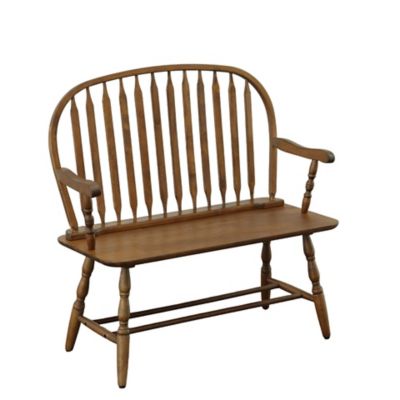
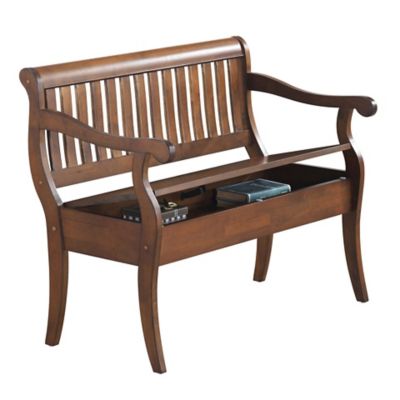
Transitional Entryway Tables can bridge a traditional wood bench with newer lighting or a simple modern rug.
Think about what you need the table to do before settling on a design. An open lower shelf gives you room for a pair of baskets, folded throws, a boot tray, or a small stack of hats and scarves during the cooler months. Drawers are useful for the little things that tend to wander around the house, including spare keys, dog leashes, sunglasses, charging cords, and pocketknives. A tabletop without storage keeps the look airy and makes it simple to display a lamp, a framed family photo, a bowl of pinecones, or a vase of dried grasses. If your household comes and goes through a mudroom or back door, a table can serve as a landing place for everyday items while keeping the front entry more welcoming for guests. Place a shallow tray near the edge for keys and loose change, but avoid crowding the surface; leaving some open space makes the area feel calmer and gives you room to set down a bag. A mirror hung above the table can bounce light through a darker hallway and provide a convenient last look before heading out. Round mirrors soften a room with lots of straight lines, while rectangular mirrors can visually stretch a narrow wall. For a balanced arrangement, try a taller lamp or vase on one side and a shorter bowl, candleholder, or small piece of décor on the other. Keep heavier items low and secure, especially in homes with children or active pets. Tables with adjustable feet or a level, solid base can be helpful on older floors where boards may not sit perfectly even. Wipeable finishes are worth considering in an entryway that sees wet coats, dusty work clothes, or paws coming in from outdoors. Always check the listed weight capacity before placing bulky décor, a large lamp, or a stack of books on top.
Entryway accent tables can also make a thoughtful housewarming gift for someone settling into a new home, a young couple furnishing a first place, or a family looking for a little more organization by the door. They are practical without feeling too personal, and a well-chosen table can work in several rooms if the recipient rearranges later. Pair one with a woven basket, a small serving tray, or a simple lamp for a useful gift that helps turn an empty wall into a welcoming corner. During early fall and the cooler stretch of the year, the entryway often becomes the hardest-working spot in the house as heavier jackets, rain gear, hats, and footwear come through the door. A table with a shelf or drawer helps keep those daily items from spreading across a bench or kitchen counter, while an open design can make a small space feel less crowded. In a rural home, it may sit near the transition between clean indoor floors and the porch, garage, or barn, offering a place to set down gloves before washing up or to keep a leash ready for the next walk. In an apartment or townhome, a narrow console can add storage and personality without requiring a full furniture rearrangement. When comparing options, consider the table’s width, depth, height, materials, finish, storage features, and how much care the surface will need. Check assembly requirements and make sure the finished dimensions fit the intended wall, not just the shipping box. A small anti-tip strap can add peace of mind when the table is placed where children or pets may reach it. Whether your taste leans rustic, industrial, farmhouse, modern, or naturally woven, the right entryway table gives everyday belongings a home and makes the first few steps inside feel more orderly, comfortable, and inviting.