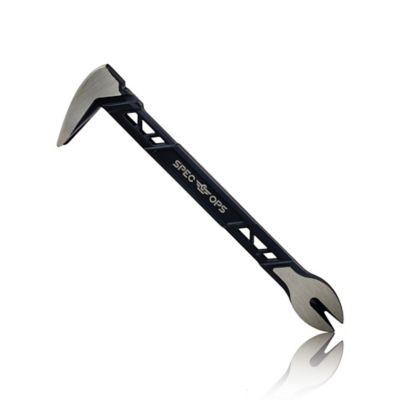
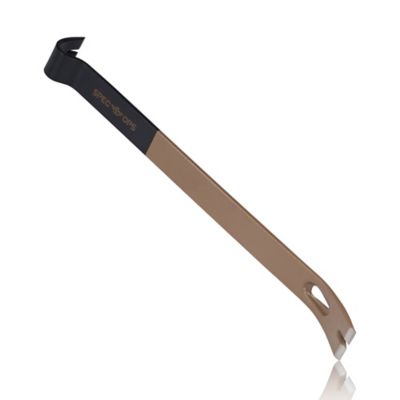
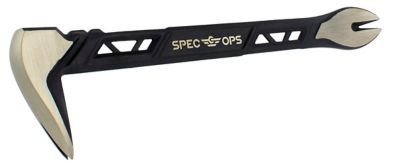
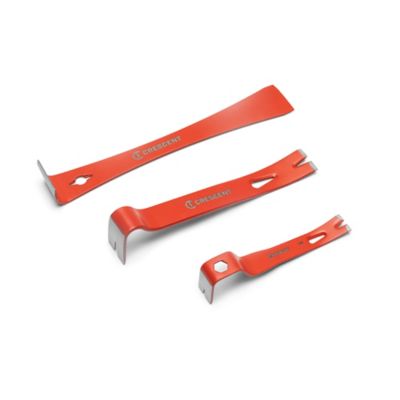
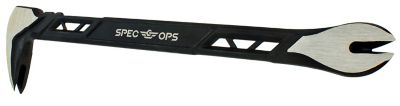
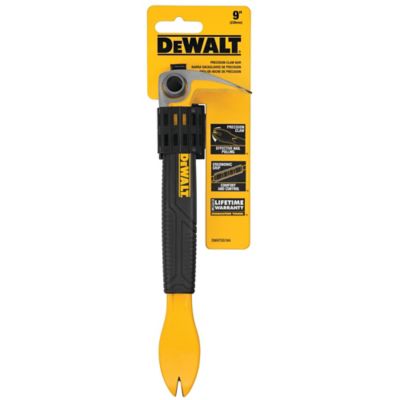
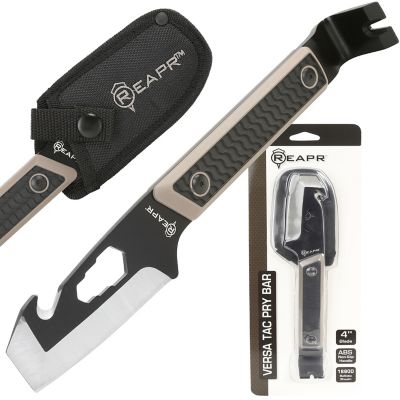
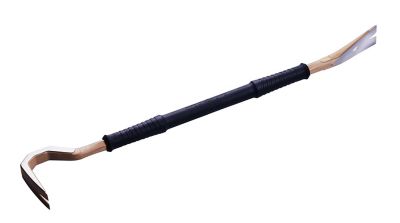
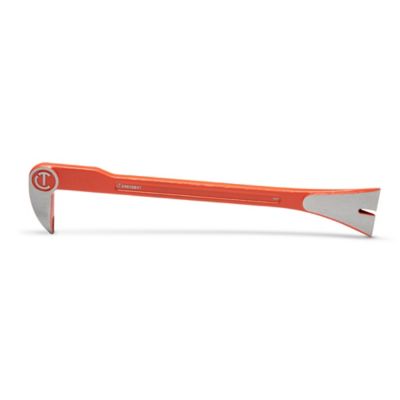
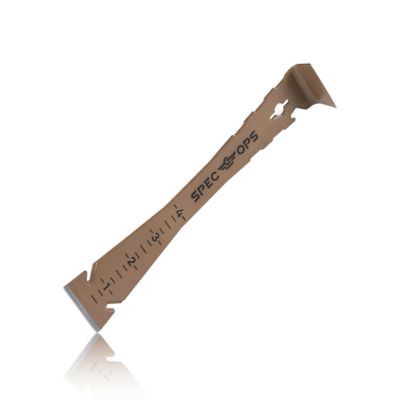
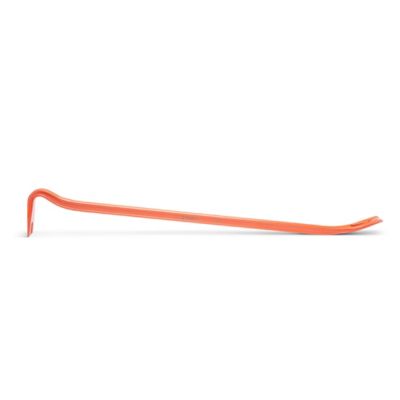
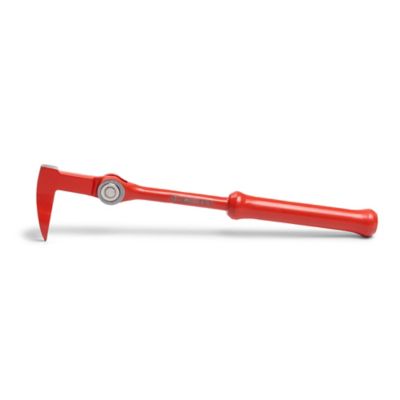
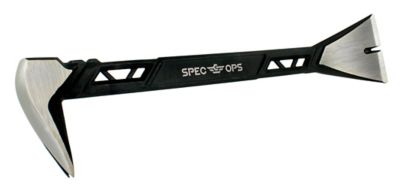
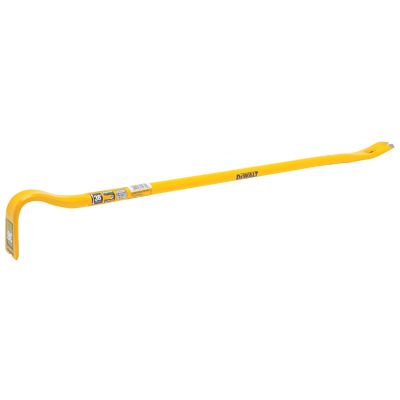
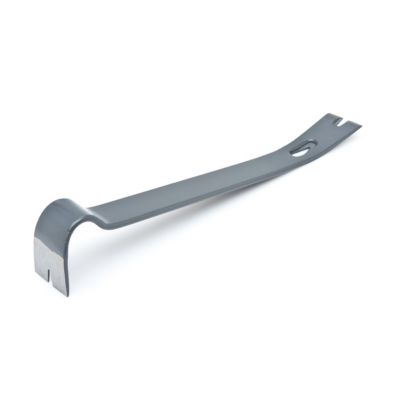
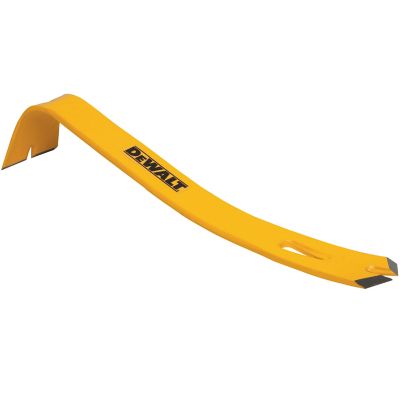
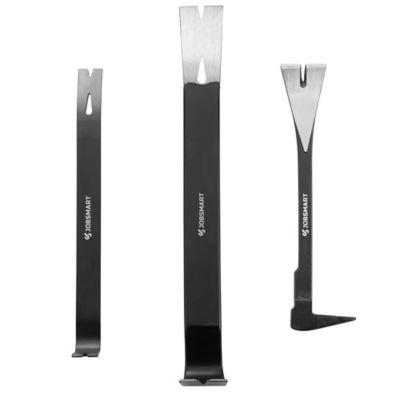
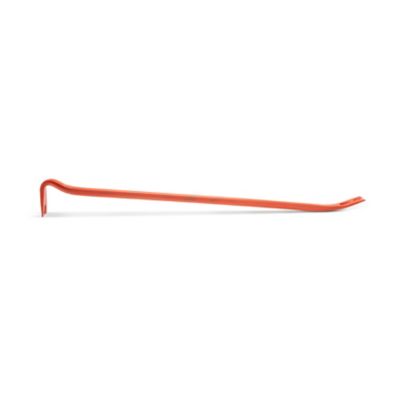
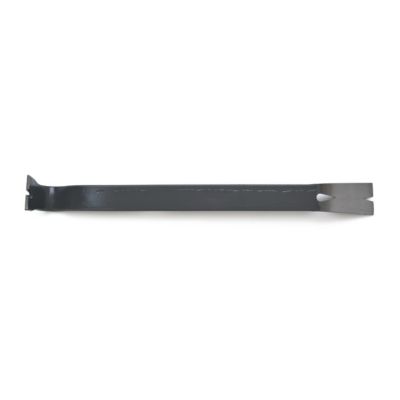
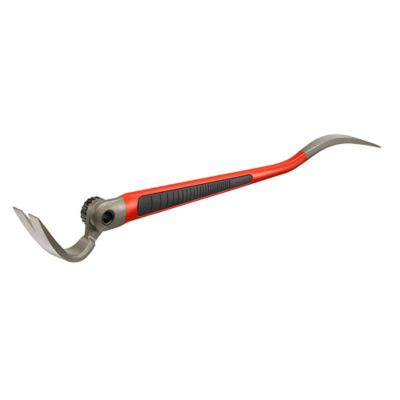
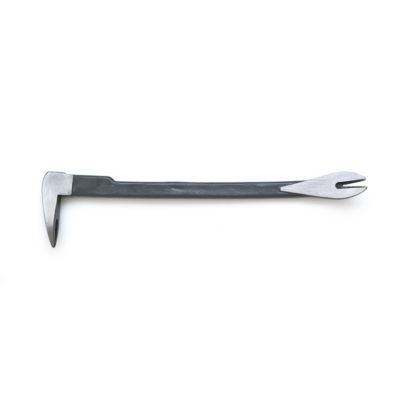
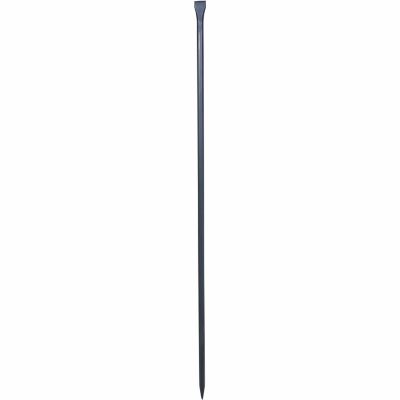
Nail-pulling pry bars earn their keep anywhere a stubborn fastener stands between a sound board and the scrap pile. From taking apart a feed-room partition to pulling nails from an old gate rail, these hand tools bring gripping power and leverage to repairs around the house, shop, and farm. Their notched ends catch beneath a nail head, while the curve or bend in the bar provides a point to lever against. That simple design makes a difference when a hammer claw cannot get close enough, there is little room to swing, or a row of nails needs to come out before a board can move. Different shapes suit different kinds of work. A broad, flat profile can slip into the gap behind trim or beneath a board edge, while a more pronounced claw can reach into wood around a recessed nail head. Slim ends favor access; thicker sections favor more demanding pulling and prying within the tool’s intended capacity. The right balance depends on the material, the fastener, and how much surface marking the job can tolerate. Salvaging a shelf board calls for a lighter touch than tearing out a damaged stall divider. Nail size matters, too. A notch needs to engage the shank beneath the head without letting the fastener slip through, and small finish nails present a different challenge than larger framing nails. Bent shanks, damaged heads, and nails driven below the surface can all change how well a claw gets purchase. For carpenters, maintenance crews, farm owners, and folks tending to their own buildings, a nail-pulling bar fills that practical space between a hammer and a larger demolition tool. It is a straightforward addition to a toolbox, especially where repairs often involve separating wood connections rather than cutting through them. Keeping usable boards intact can matter just as much as getting the nails out, particularly when working on a gate or partition that only needs a partial repair.
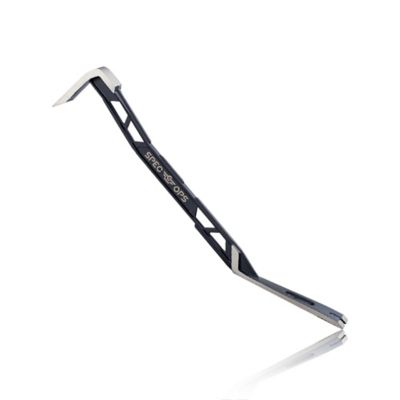
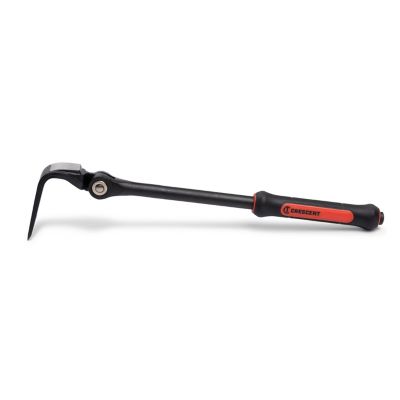
Length, head shape, and steel construction all influence how a nail-pulling pry bar feels on the job. A shorter bar fits more easily into a tool pouch and works well where studs, corners, or nearby boards limit movement. A longer bar offers more leverage and reach, though it also needs room to travel and can put greater pressure on the wood beneath its contact point. Plenty of pulling jobs happen in awkward spots: down near a floor plate, behind a shelf support, or along the inside face of a fence rail. In those spaces, the angle between the claw and shaft can matter as much as overall length. An offset end may create useful hand clearance, while a flatter bend may reach farther into a narrow opening. Wide bearing surfaces can help spread pressure, but no pry bar can promise a mark-free result on soft wood or finished trim. A sound wood buffer can help protect a surface where the setup allows it, although the contact area still needs to support the force involved. Forged steel and heat-treated steel are common construction choices, with the exact material and treatment affecting resistance to bending and wear. More hardness is not automatically better in every part of a bar; the tool needs an appropriate balance of strength and toughness for its intended work. Tip thickness, shaft shape, and the transition into the claw deserve attention alongside material descriptions. A comfortable gripping area also matters during repeated pulls, especially when hands need clearance from rough boards. Gloves should still allow a secure hold rather than bunching around the shaft. For larger framing removal and other demanding prying work,
Heavy Duty Pry Bars are another category worth considering. The choice comes down to the task, not simply picking the longest or heaviest tool. A compact bar that reaches the nail cleanly can be more useful than a larger one that has nowhere to move.
Good care helps keep a nail-pulling pry bar ready for the next repair, even when it spends plenty of time riding in a toolbox or hanging above a workbench. Painted, coated, and other treated surfaces can help limit corrosion, but edges and contact points naturally take wear as they rub against nail heads and lumber. Dirt, sap, and damp wood residue are worth clearing away before storage. Dry storage and a light protective film on exposed steel, where the tool maker recommends it, help keep surface rust from taking hold; gripping areas should remain free of slippery residue. The working ends deserve a regular look for chips, cracks, spreading, or bends that change how the notch catches a nail. A damaged claw can lose its grip at the very moment force builds, so condition matters more than how tidy the finish looks. Safe handling also means respecting the tool’s design. Not every pry bar is intended for hammer strikes, and a longer pipe over the handle can apply force beyond what the bar was made to take. Eye protection belongs with nail pulling, and nearby hands and feet need room in case a fastener releases suddenly. Loose nails need a collection spot rather than a place on the floor or in a tire path. Those everyday details are familiar to anyone who has cleared boards from a pen, repaired a shed door, or broken down nailed wood for disposal. For someone putting together a first farm toolbox, replacing a worn shop tool, or choosing a practical gift for a handy family member, the useful features are easy to recognize: a claw suited to the nails, a length that fits the workspace, and construction intended for the pulling and prying ahead. A well-matched nail-pulling pry bar makes a place for itself through ordinary jobs done over and over, from freeing one troublesome nail to taking apart a whole run of boards.