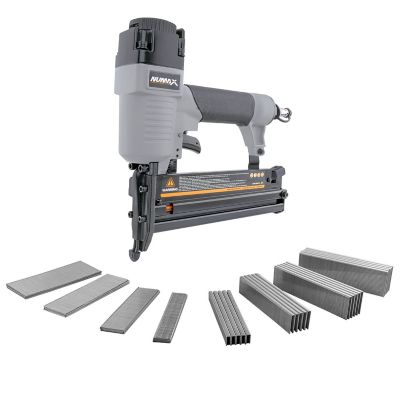
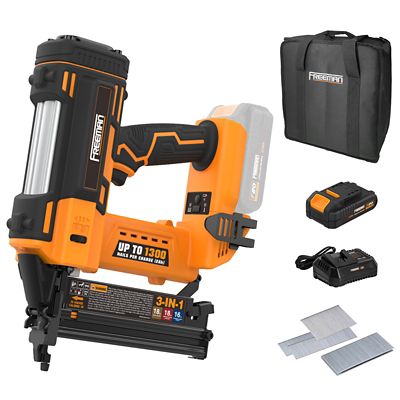
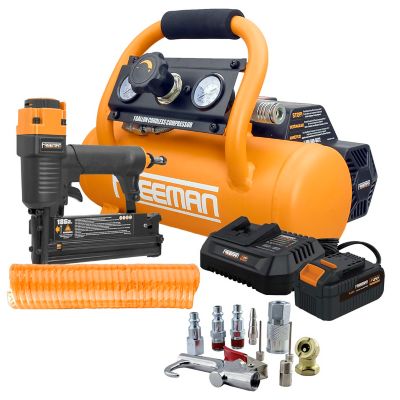
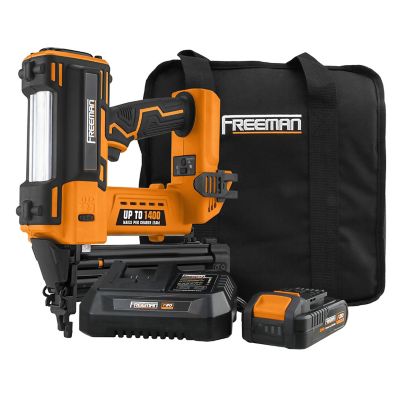
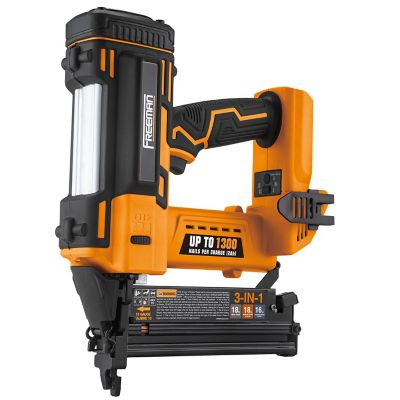
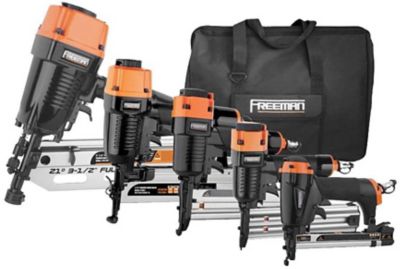
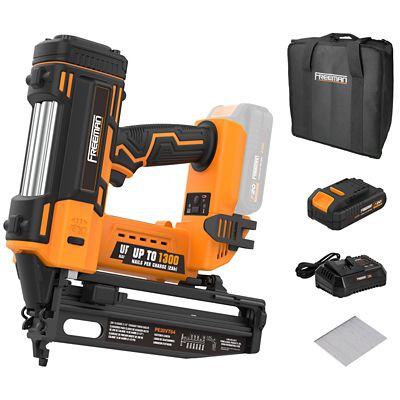
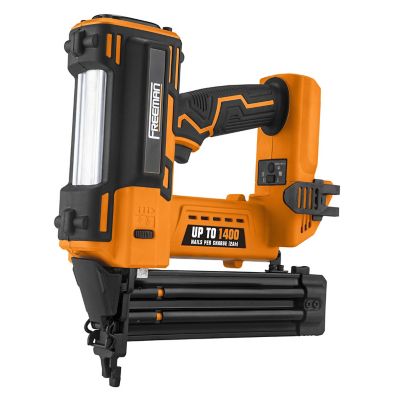
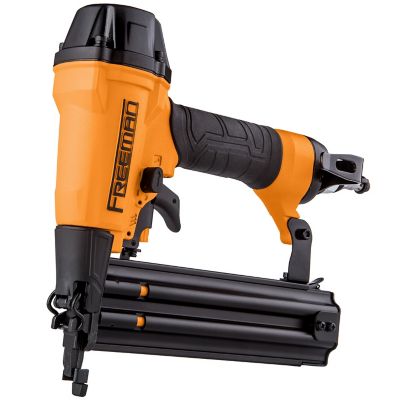
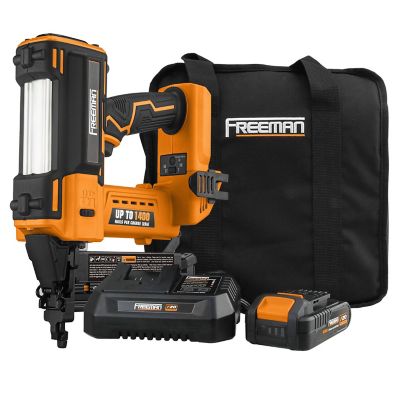
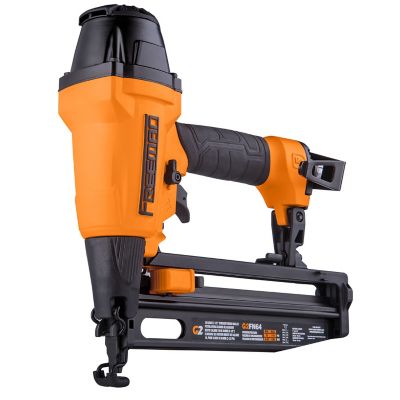
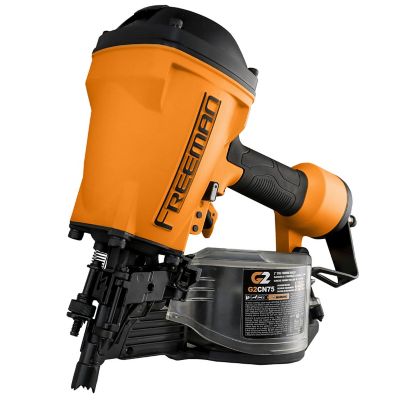
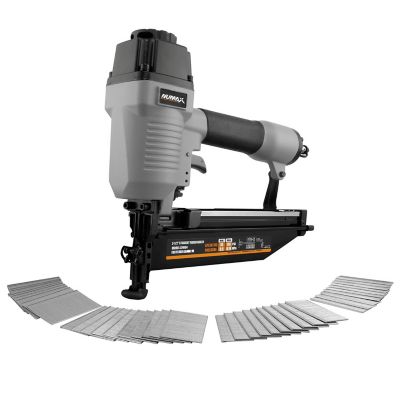
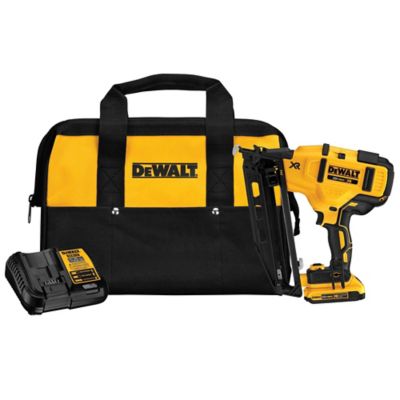
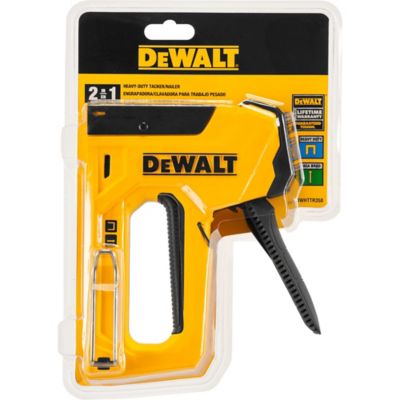
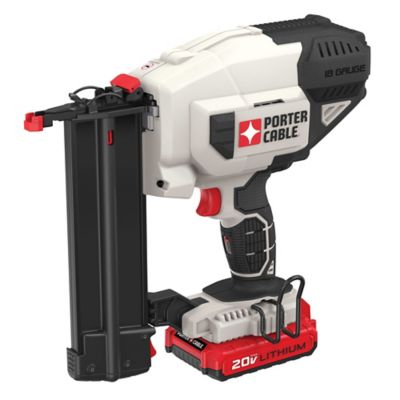
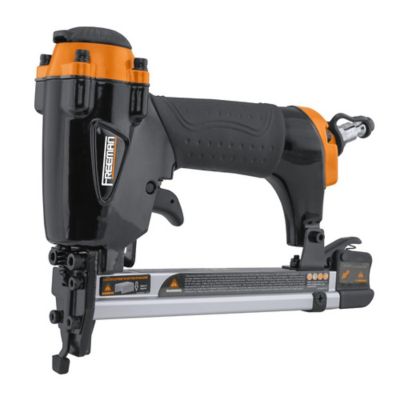
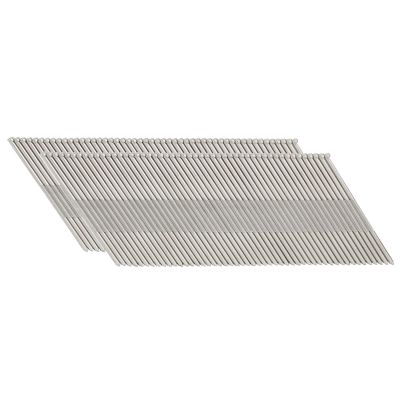
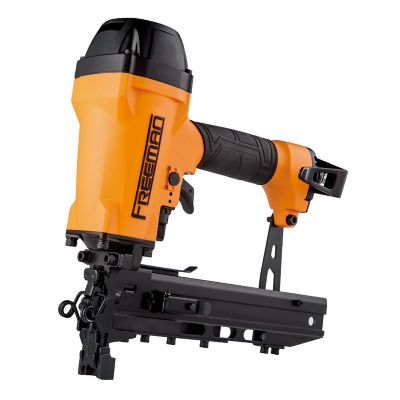
Finish nailers are handy power tools for fastening trim, molding, cabinetry parts, flooring details, and other finish work where a clean appearance matters. Instead of swinging a hammer and risking a bent nail, a finish nailer drives nails quickly and consistently with a smooth, controlled pull of the trigger. That makes it useful for both planned remodeling jobs and the little repairs that tend to pile up around a house, shop, barn office, or hunting cabin. During the cooler months, many folks turn their attention indoors, making this a good time to replace worn baseboards, freshen up door and window casing, build simple shelves, or complete a room that has been waiting on the finishing touches. A finish nailer can also be a thoughtful gift for a homeowner, do-it-yourselfer, carpenter, contractor, or handy family member who enjoys working with wood. It saves time on repetitive fastening and helps create neat results without leaving large hammer marks in soft trim. Before choosing one, consider the kind of work you normally do, the wood and trim thickness, how often the tool will be used, and whether you will be working close to an outlet or moving from one part of the property to another. Nail capacity, overall weight, grip comfort, balance, included accessories, and the location of the controls all make a difference when a project involves hundreds of fasteners or requires holding the tool overhead. A compact tool may feel just right for small interior repairs, while a more robust nailer may be a better fit for heavier trim, longer runs of baseboard, or regular jobsite use.
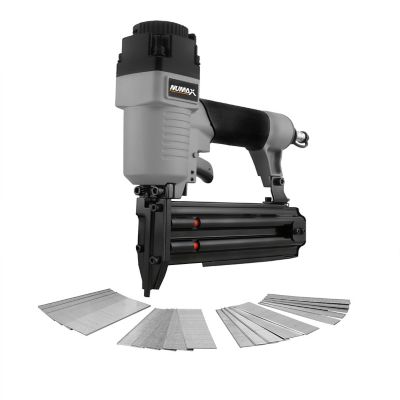
The nailer’s gauge is one of the most important details to match to the job. Gauge refers to the thickness of the finish nail, and the numbers can be a little counterintuitive: a lower gauge generally means a thicker nail. A 15-gauge finish nailer uses thicker nails with strong holding power, making it well suited to substantial crown molding, wide baseboards, door and window casing, stair parts, flooring trim, and some exterior trim applications when the fastener and tool are approved for that use. Many 15-gauge models have an angled magazine, which can help reach corners and tight fastening spots while working with larger trim. A 16-gauge finish nailer is a versatile choice for standard casing, baseboards, chair rails, crown molding, cabinet assembly, and general interior finish carpentry. Its nails offer a useful balance of holding strength and a relatively small entry hole, making this gauge a common pick for all-around trim work. An 18-gauge tool, often called a brad nailer or light finish nailer, uses thinner fasteners that leave very small holes and are easier to hide with a little filler or paint. These tools work well for shoe molding, narrow trim, small craft projects, picture-frame work, cabinet details, and delicate pieces that could split under a larger nail. Shoppers comparing finish nailers with
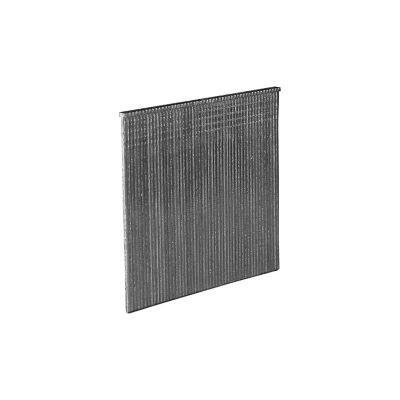
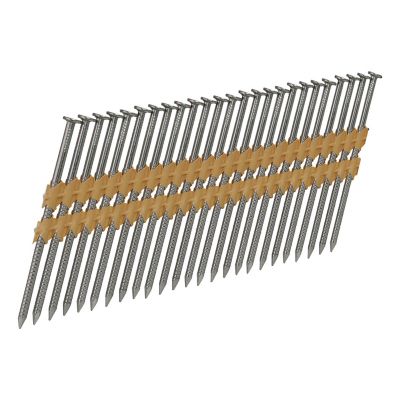
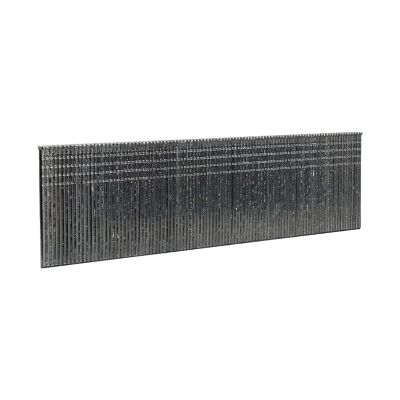
18 Gauge Brad Nailers should pay close attention to the nail lengths each tool accepts and the holding strength needed for the material. A small brad may disappear nicely in painted pine but may not provide enough grip for heavy molding. On the other hand, using a nail that is too large for thin trim can cause splitting, visible holes, or damage to the workpiece. Always check the tool’s recommended fastener range, and choose nails long enough to pass through the trim and hold securely in the framing or backing without coming through the other side.
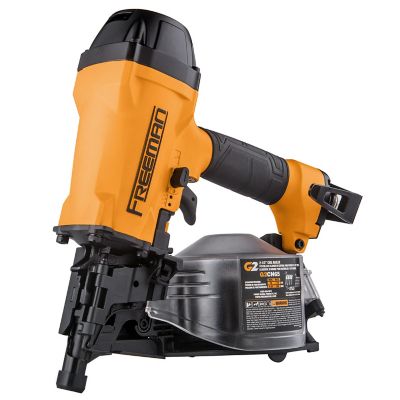
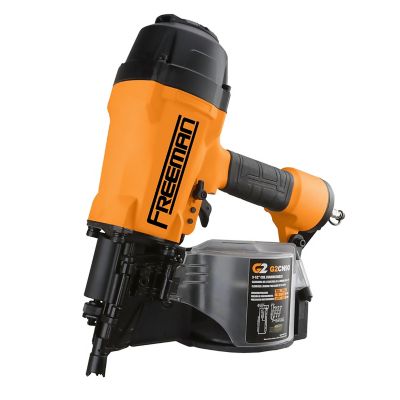
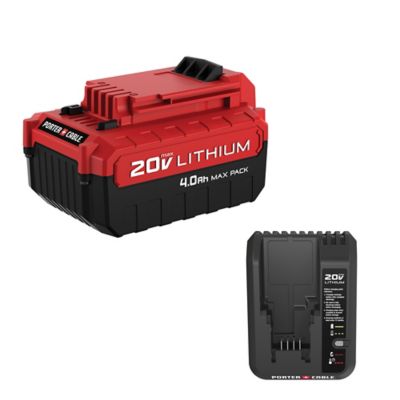
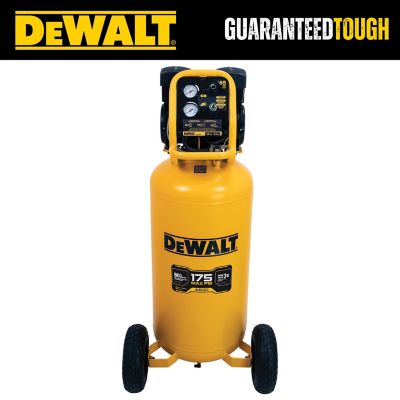
Finish nailers are available in pneumatic and cordless designs, and each power source has its place. Pneumatic nailers connect to an air compressor with a hose and can provide steady performance for long sessions in a workshop, garage, or well-equipped jobsite. They are often lighter in the hand because the motor and battery are not built into the tool, though the compressor and hose need room, power, and regular attention. A cordless finish nailer runs on a rechargeable battery and is convenient when fastening trim in a finished room, moving between buildings, or working where an air hose would drag across the floor or snag on corners. Battery weight and charging time are worth considering, especially for larger jobs, along with whether the tool shares a battery platform with other equipment already in the shop. Helpful features may include tool-free depth adjustment, which lets you set the nail head just below or flush with the surface as wood density changes; a dry-fire lockout, which helps prevent firing when the magazine is empty; and a quick-release jam-clearing system for safely removing a misplaced fastener. An adjustable exhaust can direct air away from your face or freshly finished surfaces, while an LED work light can help in dim corners and along shadowed baseboards. Whichever style fits your work, wear eye protection, keep hands clear of the nosepiece, disconnect air or remove the battery before clearing a jam or making adjustments, and secure trim before fastening. Test the depth and nail length on a scrap piece first, then work carefully along the board, checking that it remains tight and straight. With the right gauge, fastener, and power source, a finish nailer can turn a slow trim job into a clean, steady afternoon of work, whether you are repairing a farmhouse room, updating a workshop, or adding the final details to a new project.