Multipurpose Ladder Fourth Of July Sale
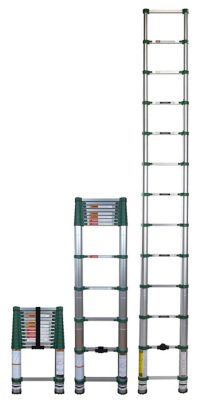
Get ready to reach new heights with the Multipurpose Ladder Fourth Of July Sale at Tractor Supply! Whether you’re tackling chores around the farm, sprucing up the house, or gearing up for summer projects, now’s the perfect time to save big. With deals that’ll help you work smarter and safer, you can celebrate Independence Day by checking off your to-do list and keeping a little extra cash in your pocket. Don’t miss out—these savings won’t stick around long!
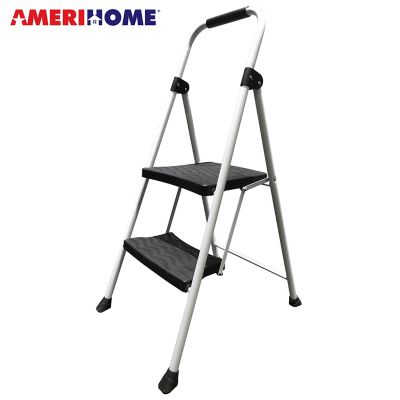
$85
.49
Sale Was $94.99 Save $9.50 (10%)
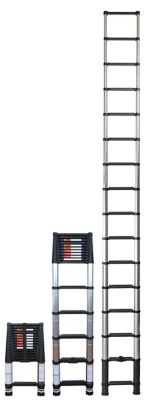
$494
.99
Sale Was $549.99 Save $55.00 (10%)
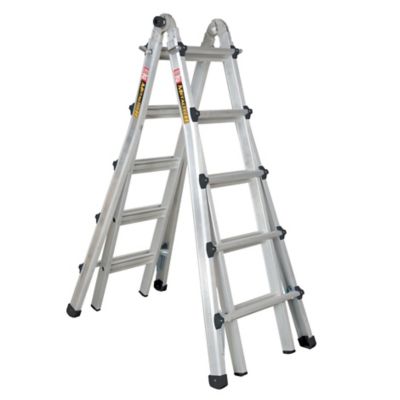
$337
.49
Sale Was $374.99 Save $37.50 (10%)
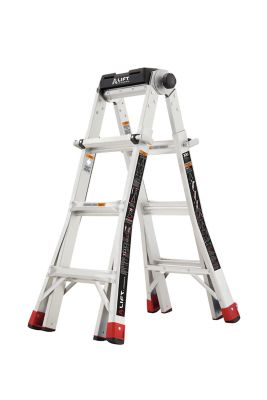
$202
.49
Sale Was $224.99 Save $22.50 (10%)
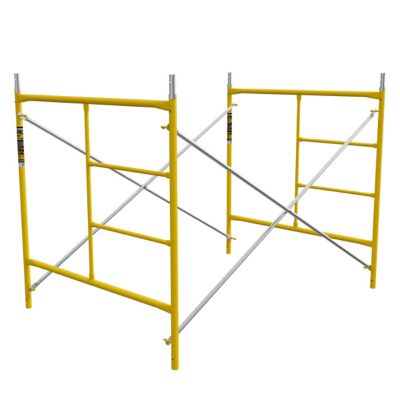
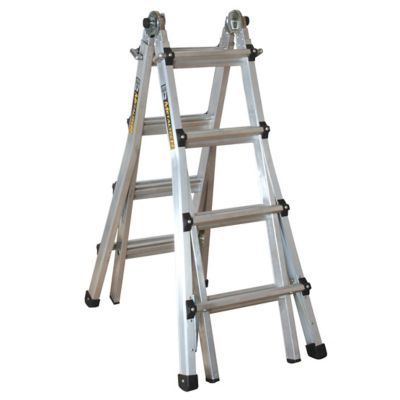
$287
.99
Sale Was $319.99 Save $32.00 (10%)
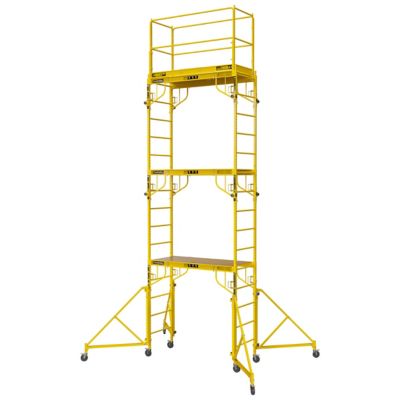
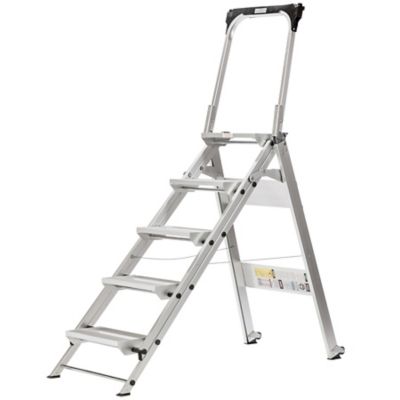
$247
.49
Sale Was $274.99 Save $27.50 (10%)
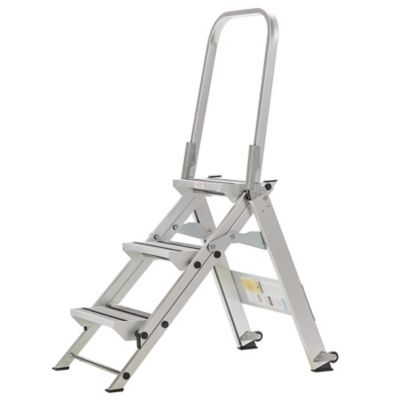
$206
.99
Sale Was $229.99 Save $23.00 (10%)
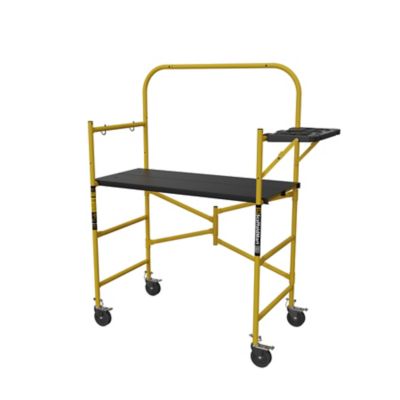
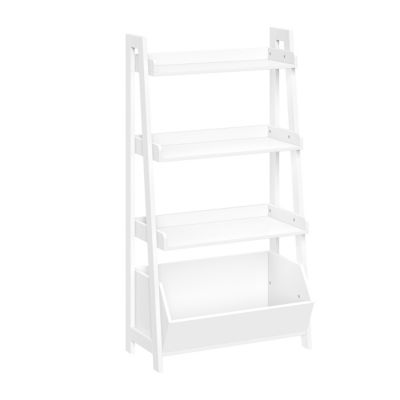
$104
.99
Sale Was $139.99 Save $35.00 (25%)
$110
.99
Sale Was $147.99 Save $37.00 (25%)
$82
.99
Sale Was $109.99 Save $27.00 (25%)

$110
.99
Sale Was $147.99 Save $37.00 (25%)
$206
.99
Sale Was $229.99 Save $23.00 (10%)
$37
.99
Sale Was $49.99 Save $12.00 (24%)
$110
.99
Sale Was $147.99 Save $37.00 (25%)
$359
.99
Sale Was $399.99 Save $40.00 (10%)
$105
.99
Sale Was $139.99 Save $34.00 (24%)
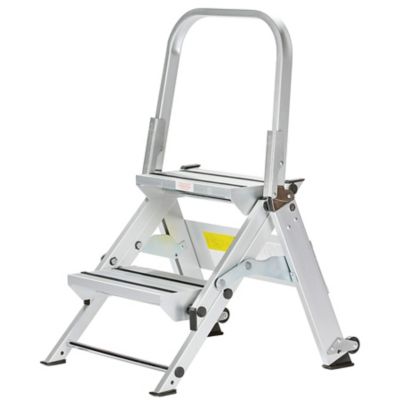
$152
.99
Sale Was $169.99 Save $17.00 (10%)
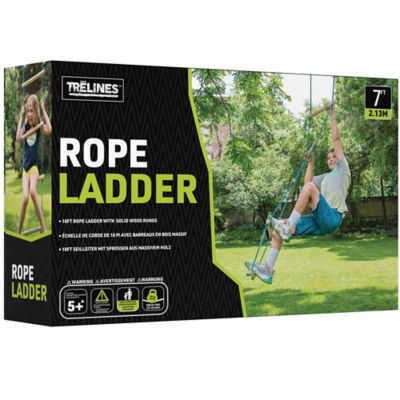
$26
.39
Sale Was $32.99 Save $6.60 (20%)
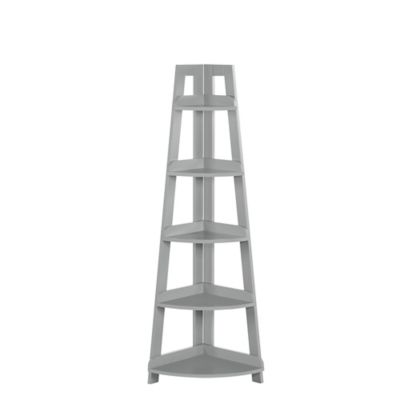
$104
.99
Sale Was $139.99 Save $35.00 (25%)
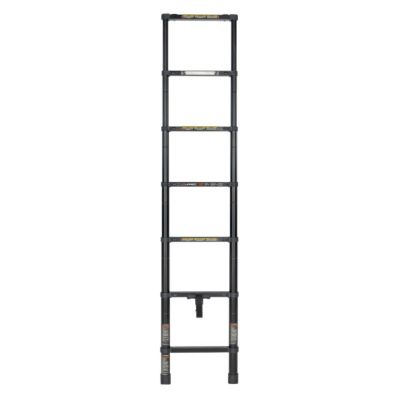
$152
.99
Sale Was $169.99 Save $17.00 (10%)
Best Of FAQ
What are the benefits of using a multipurpose ladder for home projects?
Multipurpose ladders offer versatility for a wide range of tasks, from painting and cleaning gutters to reaching high shelves or working on various household projects. Their adjustable design allows you to use them as step ladders, extension ladders, or even scaffolding, making them a valuable tool for any homeowner.
How can I make the most of Tractor Supply's Fourth of July sale on multipurpose ladders?
During the Fourth of July sale at Tractor Supply, you can take advantage of special deals and promotions on multipurpose ladders. It's a great time to upgrade your equipment or add a new ladder to your collection while enjoying holiday savings.
Are multipurpose ladders suitable for both indoor and outdoor use?
Yes, multipurpose ladders are designed for both indoor and outdoor applications. Their strong construction and adjustable features make them ideal for tasks inside the home as well as outdoor chores like trimming trees or cleaning windows.
What features should I look for in a multipurpose ladder?
When choosing a multipurpose ladder, consider features such as strong construction materials, easy-to-use locking mechanisms, non-slip feet, and adjustable height settings. These elements contribute to the ladder's reliability and convenience.
Can multipurpose ladders be easily stored when not in use?
Multipurpose ladders are designed with compact storage in mind. Many models fold down to a manageable size, making it easy to store them in garages, sheds, or closets when they're not needed.
Best Sellers
-
"Great Chairs we love them"
-
"I love the chair. I am not good at copy and paste, It came up poor and that's not what I wanted"
-
"Love it! Big and sturdy"
-
"Love it! Very sturdy and well made"
-
"I’m just in love with my purchase and it’s definitely an investment"