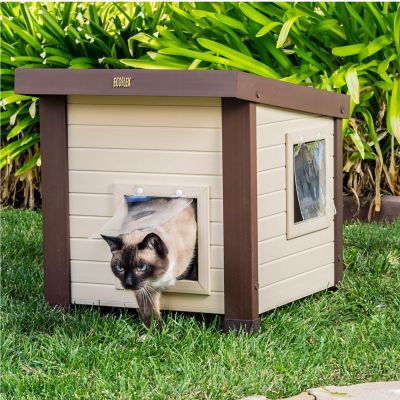
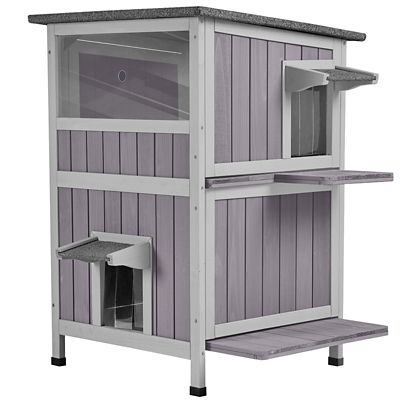
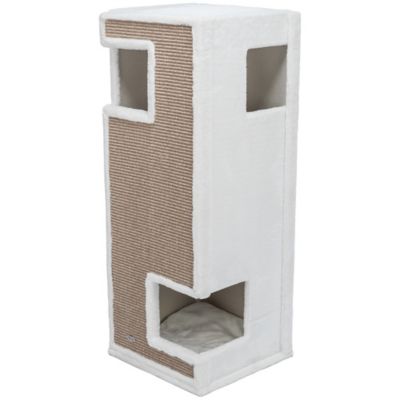
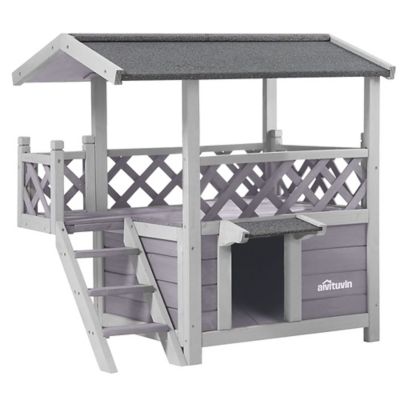
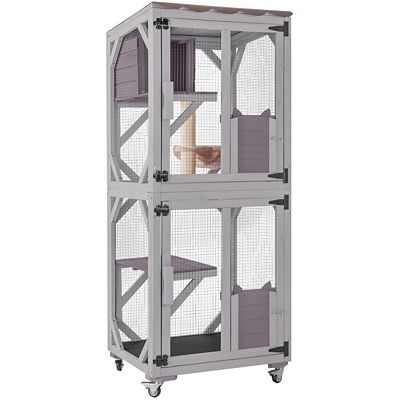
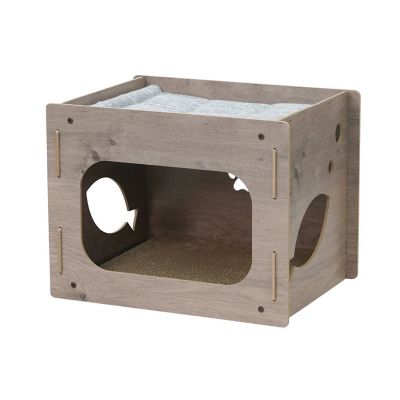
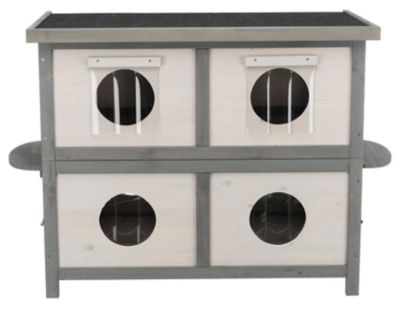
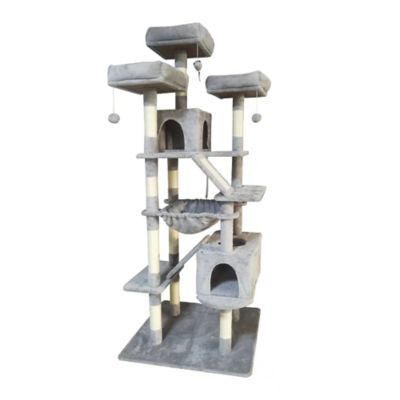
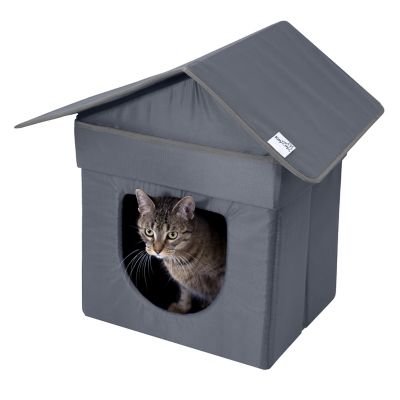
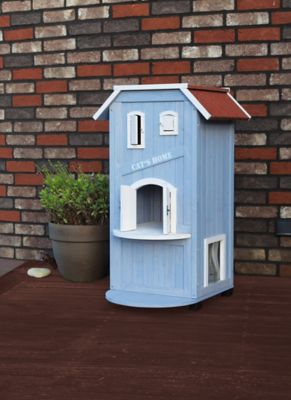
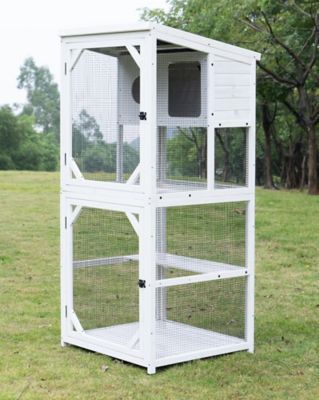
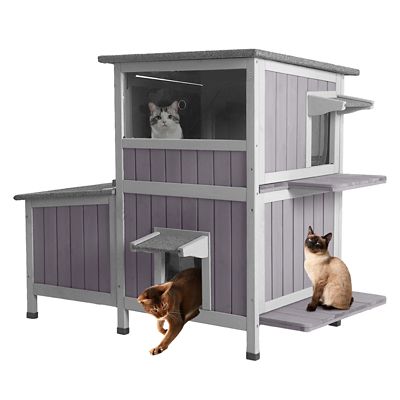
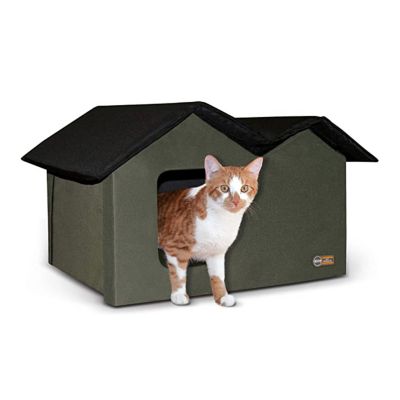
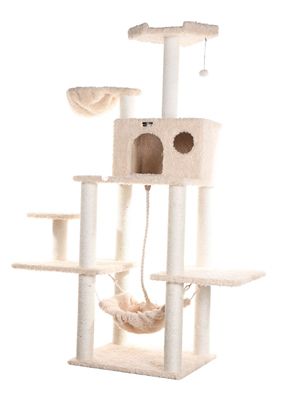
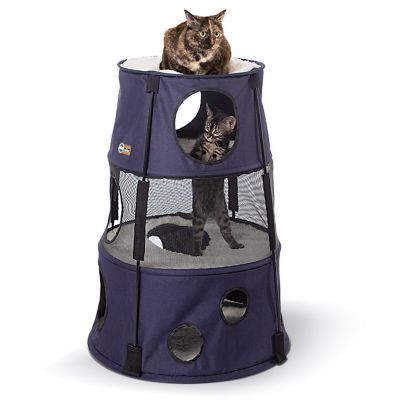
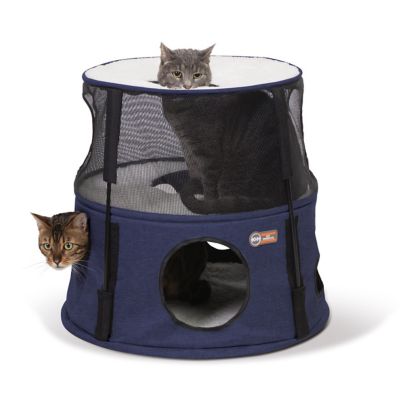
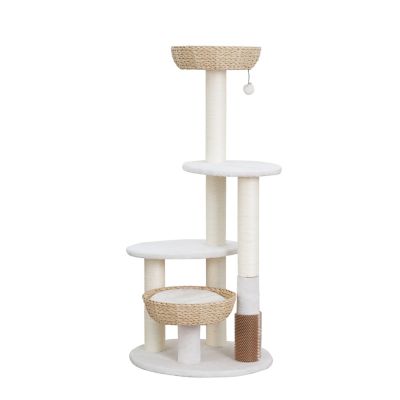
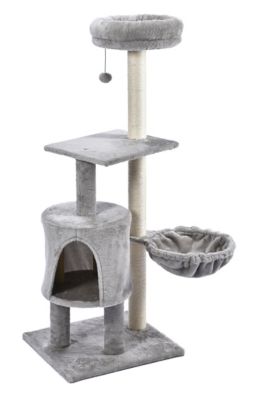
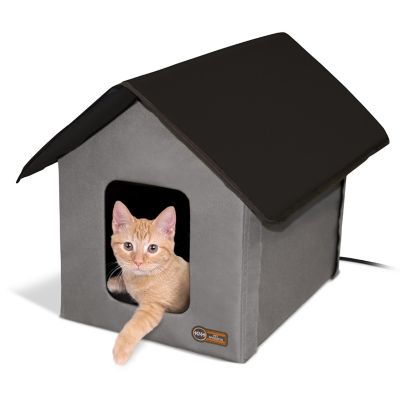
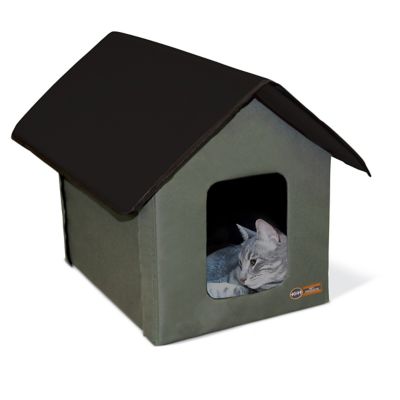
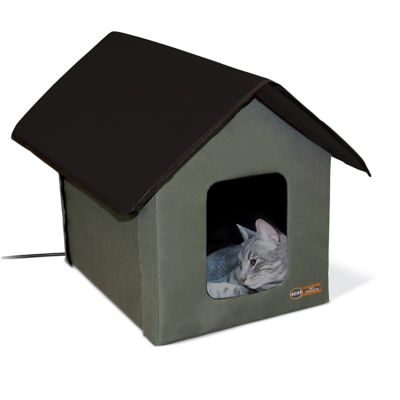
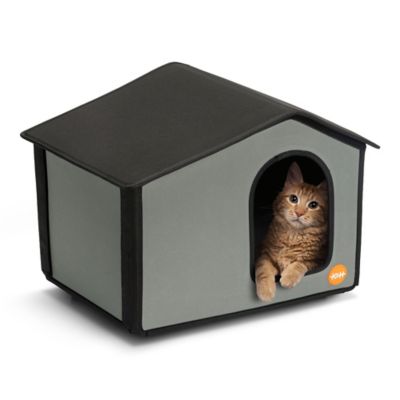
Cat houses for multiple cats give a group of friendly cats a place to rest, nap, and get out of the wind without having to pile into one cramped bed. They can be useful for households with several indoor cats, barn cats that share a porch or outbuilding, and community cats that need a dependable shelter near a feeding area. A good starting point is to consider both the number of cats and the way they get along. Two or three easygoing cats may be happy sharing a roomy enclosed house, while a larger group—or cats that prefer their own space—will do better with multiple compartments, levels, or separate sleeping areas. As a general rule, a shared shelter should offer at least about 24 by 24 inches of floor space for two to four average-size cats, with extra room added for larger breeds, kittens that are still growing, or cats that need more personal space. Vertical layouts, divided rooms, and more than one entrance can make a big difference. A multi-room cat house lets one cat stretch out in a quiet corner while another curls up nearby, and multiple exits help prevent a timid cat from being trapped by a more dominant companion. Check the doorway size, too. It should be large enough for the biggest cat to enter comfortably, but not so wide that the shelter loses too much warmth or feels exposed. For indoor use, look for sturdy construction, wipeable surfaces, soft resting areas, and a shape that fits easily in a mudroom, enclosed porch, garage, or cat room. A house with a top perch or more than one level can make use of limited floor space and give cats a better view of the room. For outdoor use, focus on weather protection first. A raised base helps keep the floor away from damp ground, puddles, and melting snow, while a sloped roof helps shed rain. Rubber feet, a covered entry, and sealed or water-resistant materials are helpful details when the shelter will sit on a porch, beside a barn, or near a garage. During the cooler months, insulated walls and a sheltered location can help hold body heat, especially when cats are able to curl up together. Even a well-built house works best when placed out of direct wind and heavy runoff, with the opening facing away from prevailing weather and busy areas where cats may feel threatened.
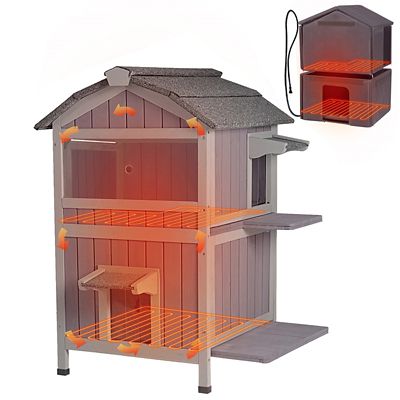
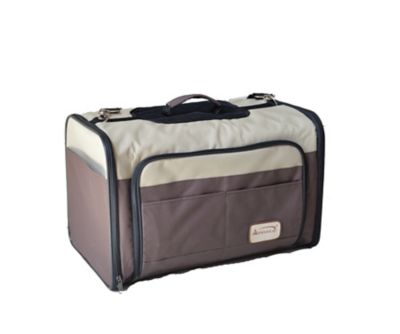
The inside of a multiple-cat house should be comfortable, dry, and easy to check. For indoor shelters, washable pads, fleece beds, and removable cushions make cleanup simple when several cats share the same space. Outdoor shelters need a little more care because moisture can turn soft bedding cold. In an unheated outdoor house, clean, dry straw is often a better choice than blankets or towels because straw resists moisture and helps trap warm air around a cat’s body. Fabric bedding can absorb humidity, rain, or condensation and may become cold when temperatures drop, so inspect it often and replace anything damp. Straw should be loose enough for cats to nest into, and the shelter should be cleaned and refreshed as needed. Avoid packing a house so full that cats cannot move around or reach an exit. If a house includes insulation, make sure it is enclosed behind a durable lining rather than exposed where cats can scratch, chew, or pull it loose. Heated shelters can provide added comfort in very cold conditions, but heating elements should be made for pet use, protected from chewing, and used according to the manufacturer’s directions. Keep electrical cords out of reach and away from water. Placement matters just as much as construction: a quiet corner under a roof, inside a barn, or against a windbreak is usually more inviting than an open spot in the yard. For outdoor colony cats, setting the house near—but not directly beside—food and water can help keep sleeping areas cleaner. Give cats time to accept a new shelter by placing familiar scents nearby and avoiding strong cleaners or perfumes. Some cats move in immediately, while others inspect a new house for several days before settling down. When bringing cats to a new home, traveling to a veterinary appointment, or introducing a pair of cats to a different space, a roomy
Cat Carrier for Two Cats can make transport easier, but cats should only share a carrier when they are comfortable together and there is enough room for both to stand, turn, and lie down safely.
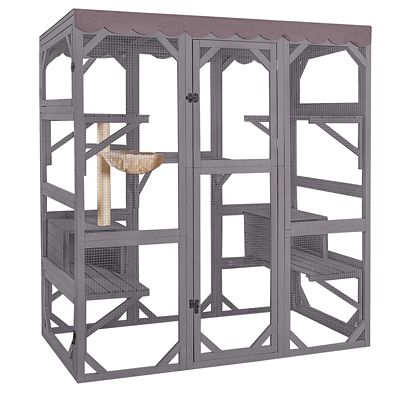
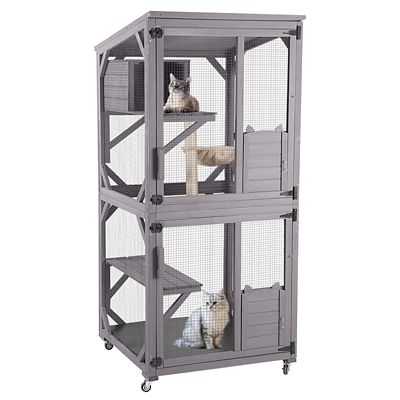
A cat house for multiple cats can be a thoughtful gift for a friend who cares for a group of barn cats, fosters kittens, manages a rural property, or has turned a porch into a safe spot for neighborhood animals. It can also be a practical addition for families welcoming cats into an enclosed patio or outdoor catio, where platforms, ramps, and covered dens give active cats places to climb, rest, and retreat. Before choosing one, measure the intended location and compare the assembled dimensions rather than relying only on the package size. Leave enough clearance to open doors, remove bedding, and inspect the house, and make sure the floor can support the structure without rocking. Consider whether the cats will share one large room or benefit from several smaller hideaways. Friendly cats often enjoy huddling together for warmth, while shy, elderly, or recovering cats may need a private compartment away from busy companions. A house with two or more entrances is especially useful outdoors, where an animal should not be forced into a dead end by another cat, dog, or unexpected visitor. Look for strong fasteners, smooth edges, durable flooring, and a roof that can be checked for leaks. Regularly sweep away fur and debris, look for signs of chewing or damage, and wash removable indoor bedding. Outdoor shelters should be checked after storms and during stretches of damp or freezing weather to confirm that the floor, walls, and bedding remain dry. With the right size, sturdy weather protection, and enough room for cats to spread out or get away from one another, a multi-cat house can become a familiar little refuge—quiet in the afternoon, warm during cool nights, and useful through changing seasons.